
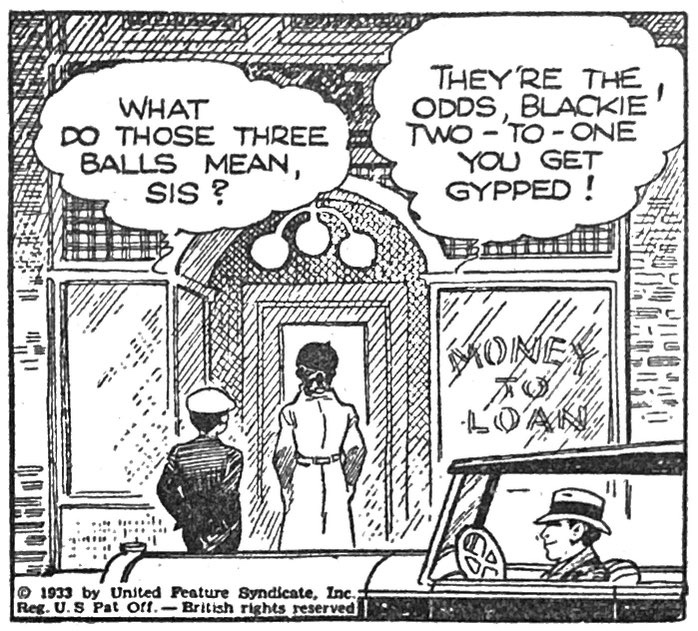
The more I read of Bill Conselman and Charlie Plumb’s Ella Cinders strip (first explored here), it is clear this spunkiest of comic strip heroines has been woefully underrepresented in pop culture history. She was at once big-hearted and hard boiled. She rode the roller coaster of 20s and 30s boom and bust, passing through pop culture fads and economic trends. And this girl took no shit. She was aiming withering barbs at cocky lovers years before Mae West, trading edgy banter a decade before Kate Hepburn, Carol Lombard and Barbara Stanwyck. Comics historians who point to Connie Kurridge, Flyin’ Jenny, Miss Fury or Brenda Starr as pioneering women in comics pages are missing one of the most interesting examples. Ella Cinders resembled Little Orphan Annie, a picaresque that was less ponderous and lighter. And the tale of a New Woman making her way through inter-war America was rendered as a unique distinct world – with its own linguistic and visual style. The panel above shows how the strip’s sharp voice and thoughtful composition could work together. Ella and brother Blackie, backs to us, framed by a predatory pawn shop, quip about getting fleeced.
Continue reading Panels & Prose