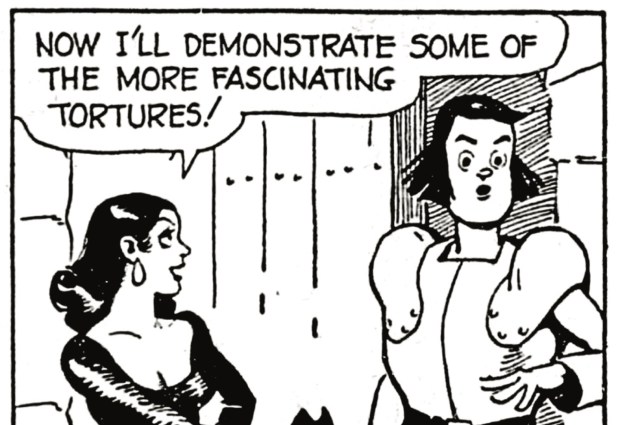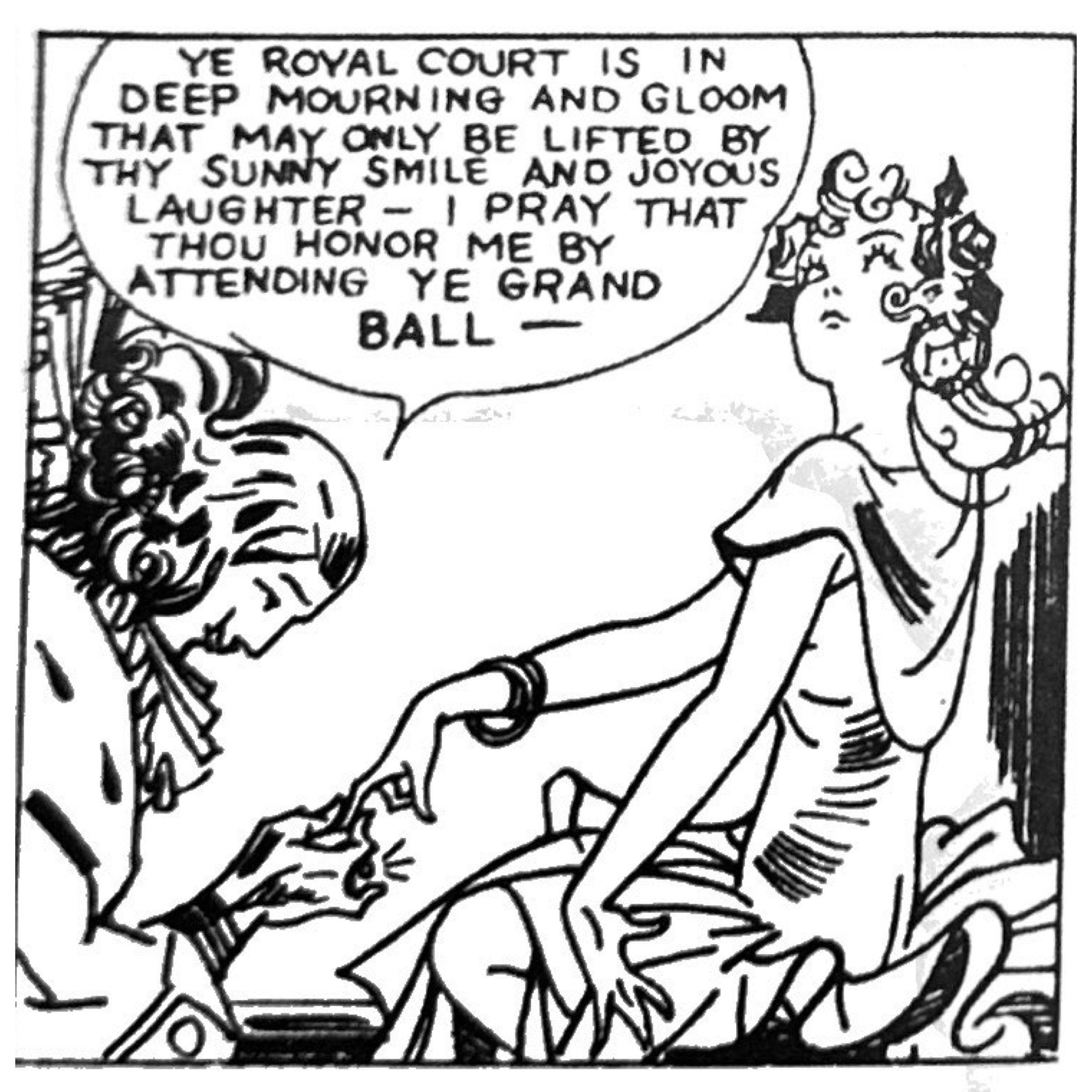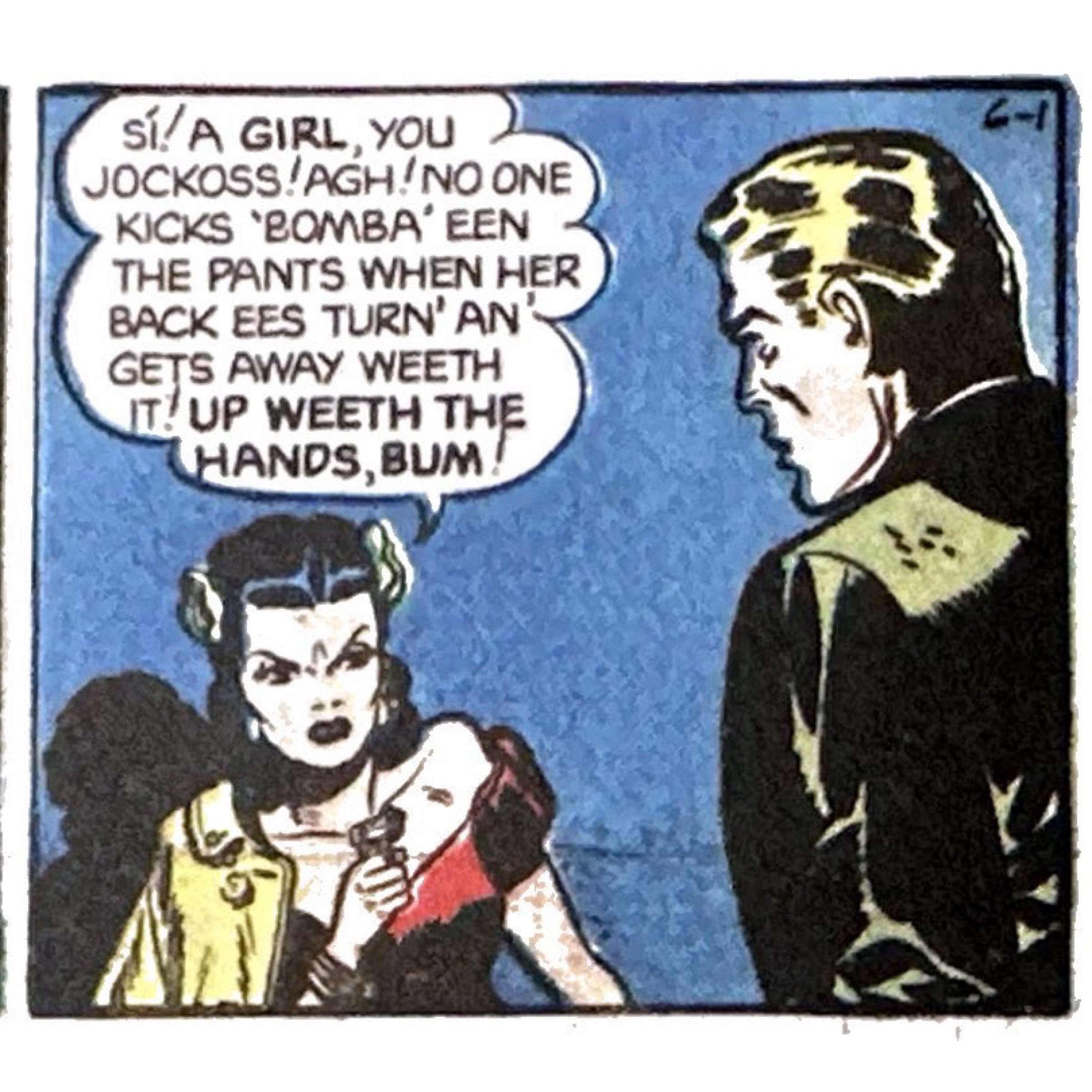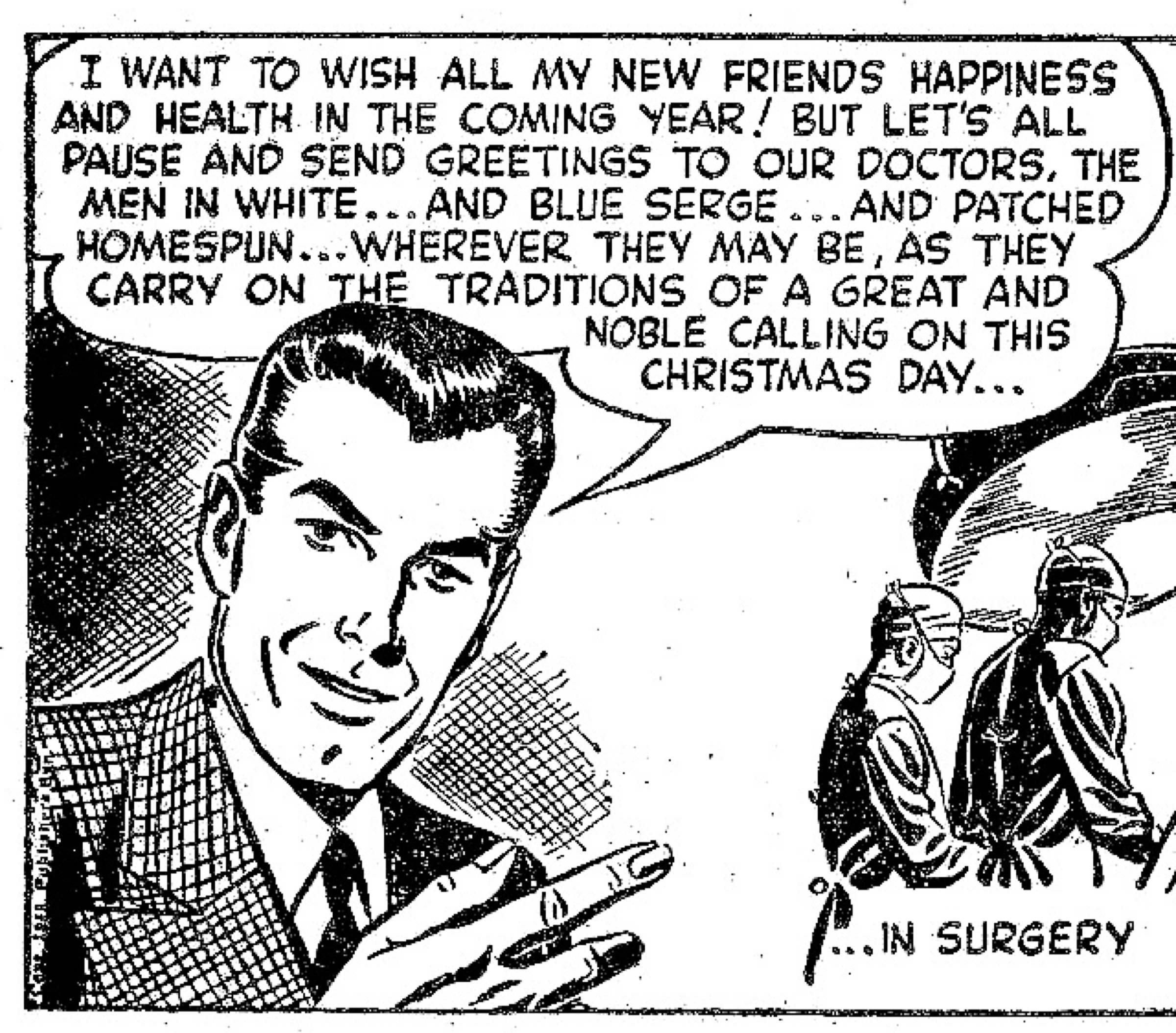
Alert the gender police! Recruit the culture warriors. Al Capp’s Li’l Abner strip was bending gender norms more than 70 years ago. In fact, this 1953 story arc weirdly foreshadowed current skirmishes over cross-dressing, drag performance, legal gender reassignment and even “men” playing in women’s sports.
Weekly Weird. Cross-dress Tuesday with Popeye. In a lengthy 1930s story arc by Segar, the “amphibious” sailor infiltrates a criminal hideout by passing as Mollie.
As we found with Coulton Waugh’s lost gem Hank, the radical comic hero Little Lefty is often mentioned in comics history but rarely read. This mainstay of the Daily Worker through much of the 1930s deserves more than a footnote. Like Waugh’s Hank, and the later Pinky Rankin by Dick Briefer, Little Lefty was a genuine and sustained attempt to leverage the conventions of the comics genre towards specific political ends. And it was part of a legacy of leftist cartooning that was already decades old.
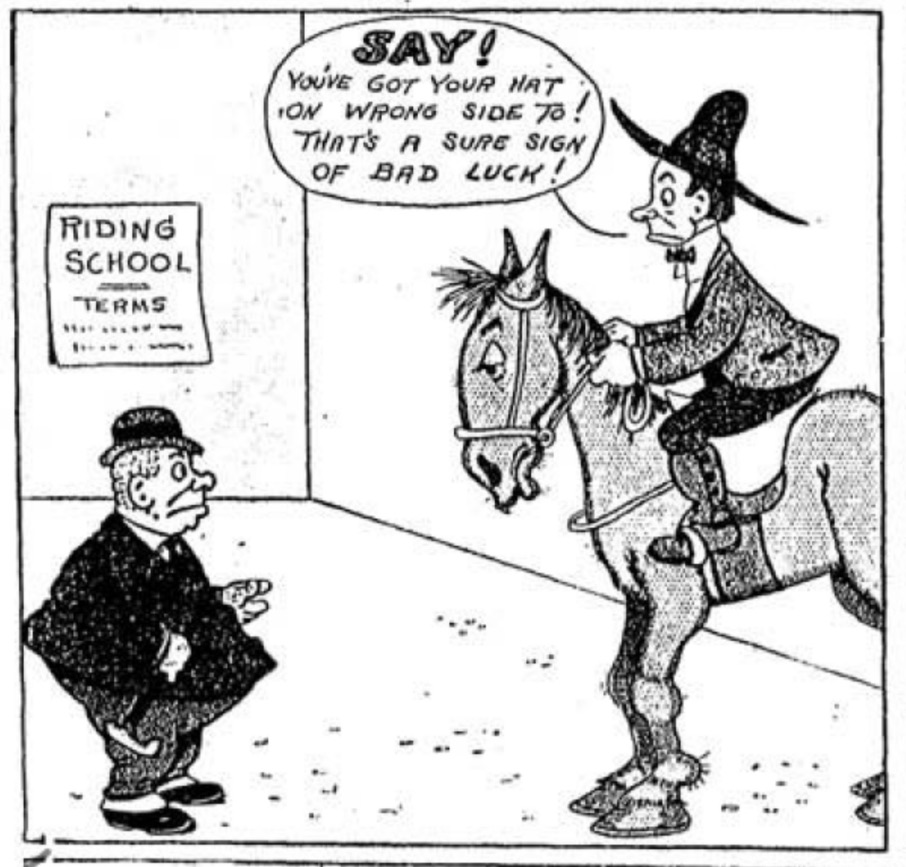
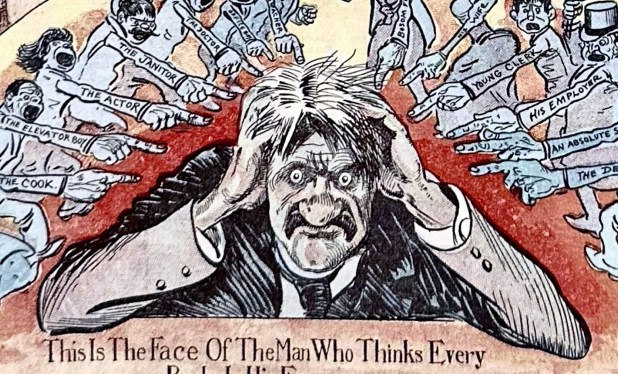
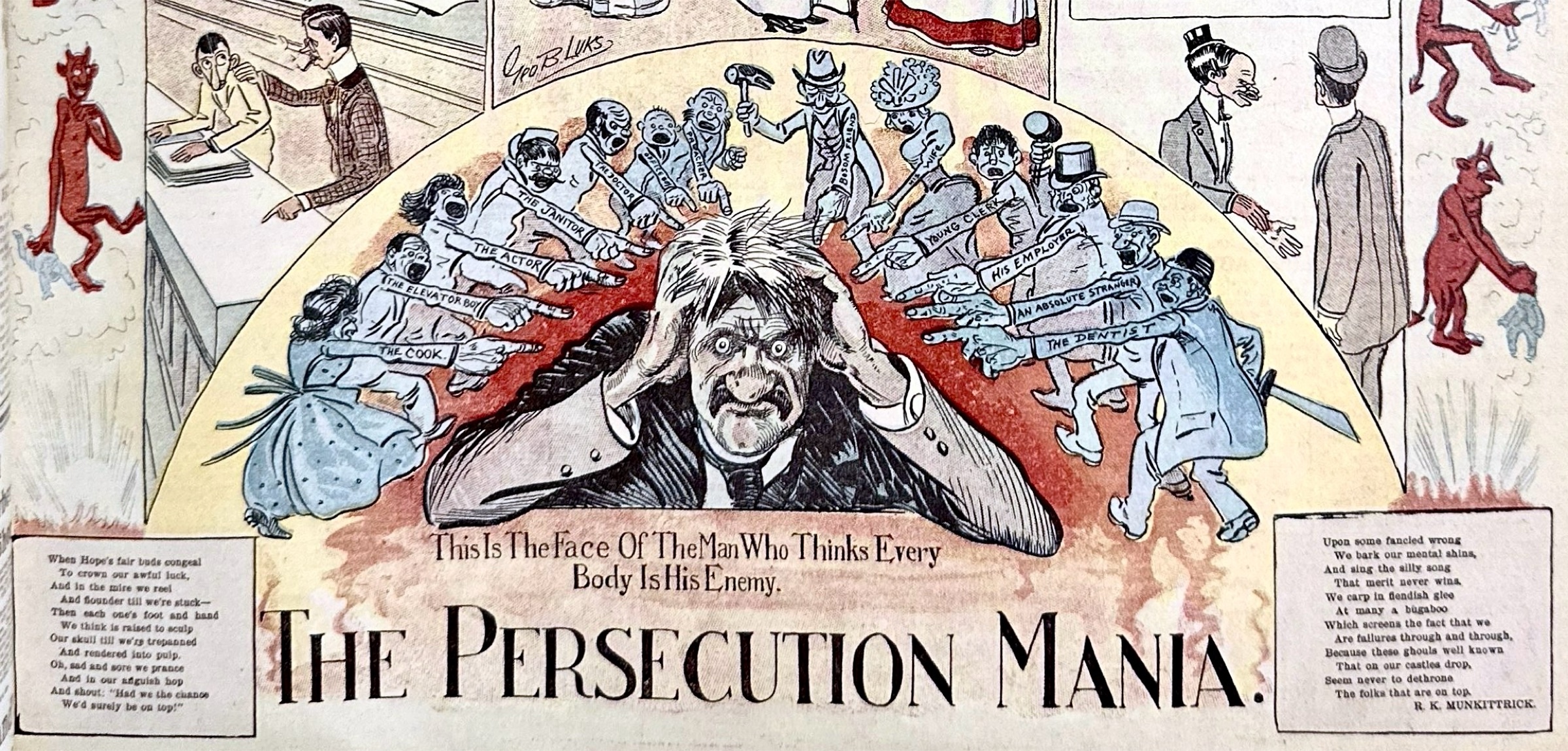
Along with chaos, mayhem and violence, obsessive behavior was a core theme of early newspaper cartooning. Consider the many titular anti-heroes of these years, like Hungry Henrietta, Superstitious Sam, Jingling Johnson, Sammy Sneeze. Or the irrepressible raging “Outbursts of Everett True,” the sex addiction of Mr. Jack, the insufferable politeness of Alfonse and Gaston, or the numerous strips about absent-minded codgers or irrepressible pranksters. Seen through the lens of early 20th Century comics, the new American cityscape was characterized by obsessive behaviors, idiosyncratic personalities, uncontrollable ticks – compulsions of every sort. The annoying monomaniacs in our midst formed the heart of early comics. It was an art well-suited to the daily newspaper: a comedy of everyday frustrations and observations.
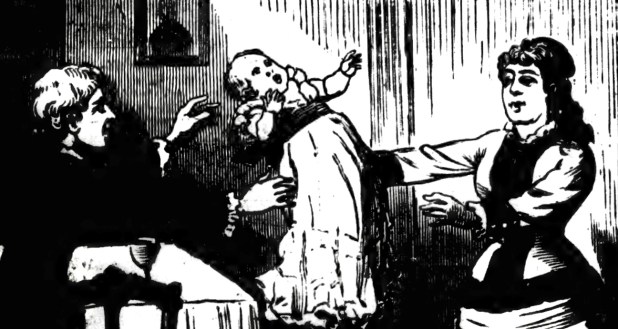
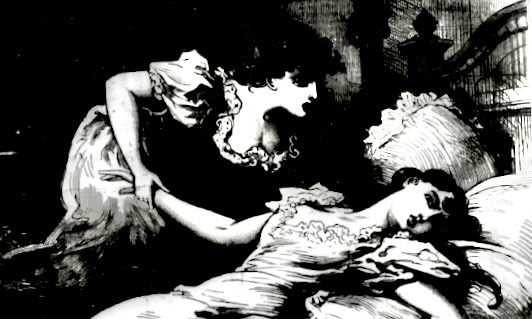
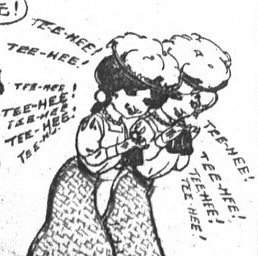
There were no firm rules for comic artists during that first 10 or 15 years of newspaper strips. Formats, aesthetic conventions, even panel shapes and limits hadn’t been fully established. The medium was still elastic. And so we see in these years wild experiments in artistic styles, unfettered explorations of page and the panel structures, even testing different interactions of words and image. Little Tragedies Strikingly Told in Four Words contains that spirit in its own title. It frames itself as an experiment. Crafted by the otherwise forgettable Alfred W. Brewerton for the New York Evening World between Oct. 1903 and June 1904, it was an unusually long-lived title to appear several times a week. True to its title, the strip is indeed striking because it blends pantomime and text in a novel way that is also compact, highly stylized, even wry.It recalls that famous quip about Ernie Bushmiller’s Nancy being easier not to read than to read. And like Nancy, the strip gets at something elemental about how comics work.
Here is your Weekly Weird. Call it comfort food for robots. When Lee Falk and Phil Davis sent their Mandrake the Magician into “Dimension X” in 1937 they found early stage AI. Metal Men were made of conscious “living metal” that dined on coal and oil and enslaved humans. This was a remarkable episode with loads of compellng art and wildly imaged alternative physics. We went into it in depth here.