


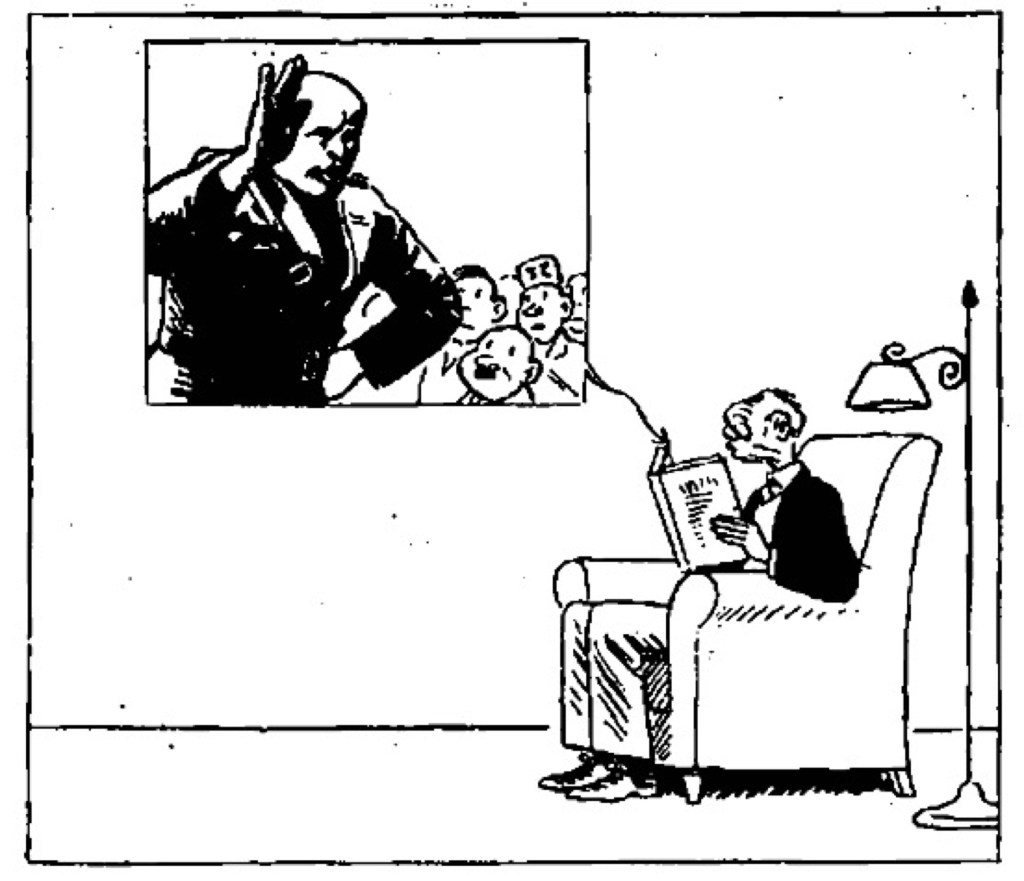


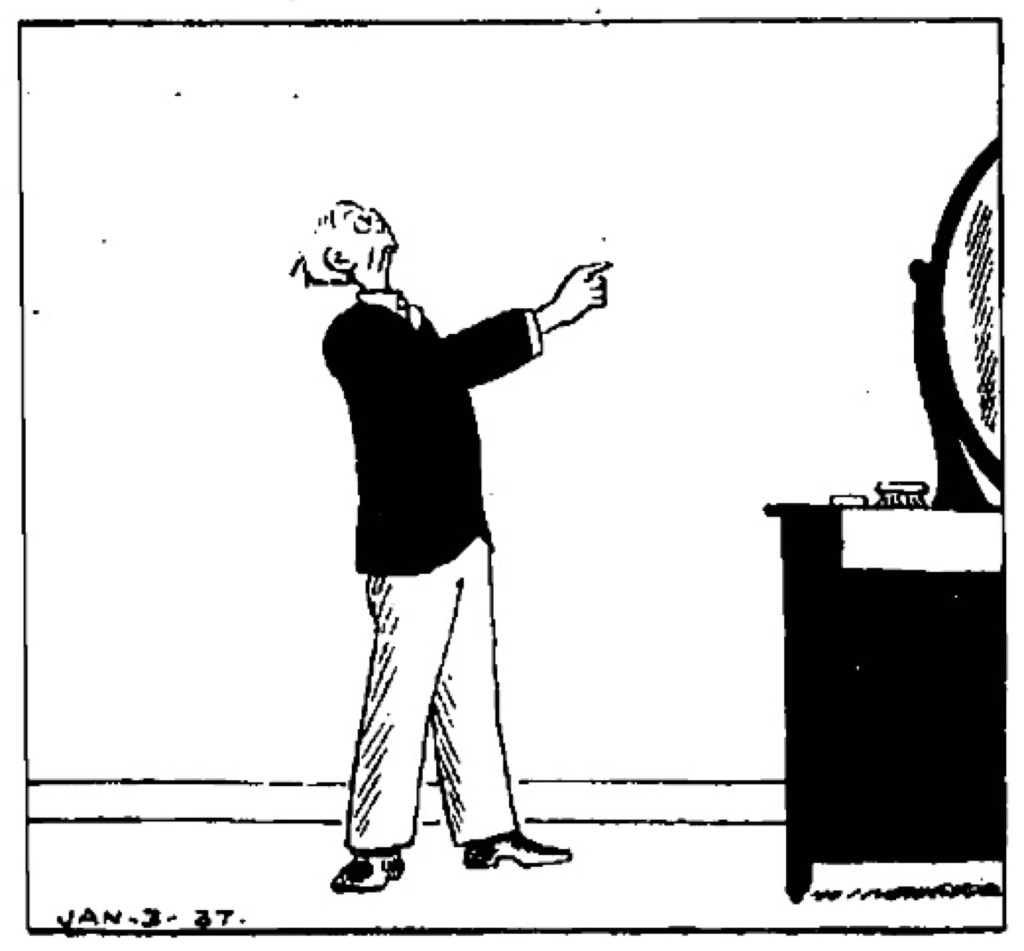

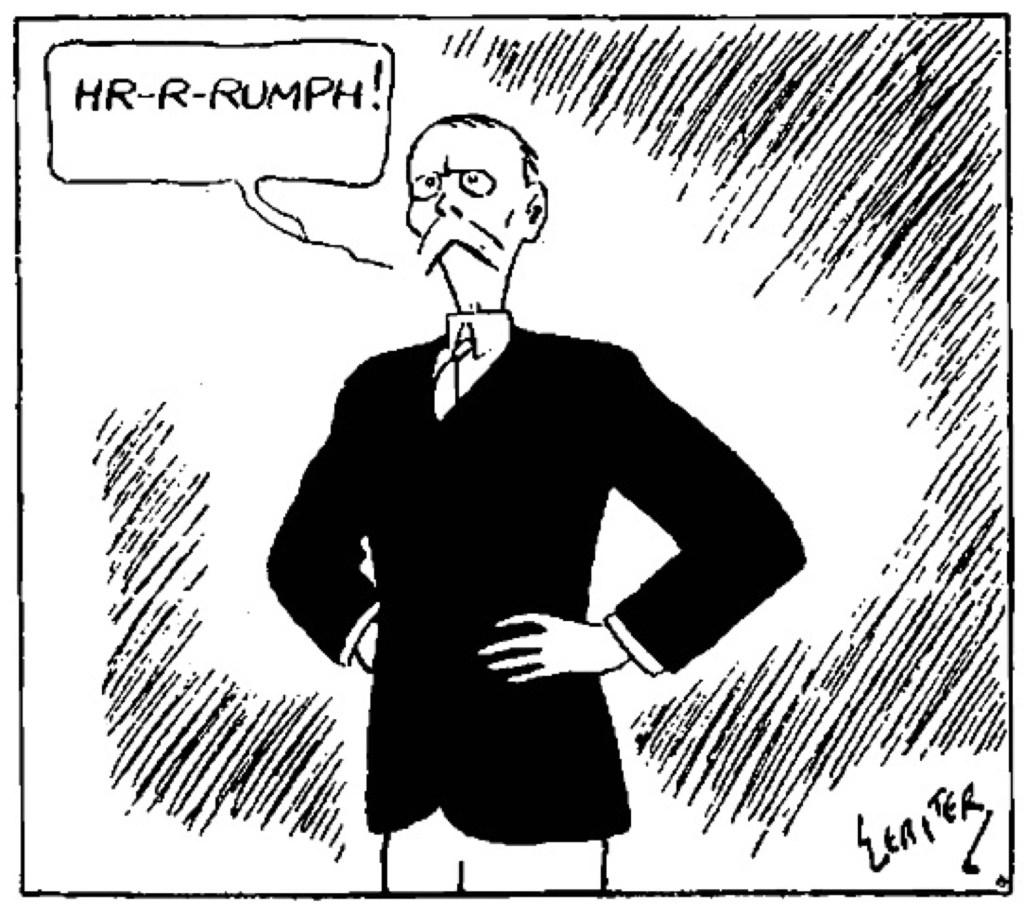
The authoritarian strain in modern democracies has only heightened since I first posted this bit of cartoon wisdom several years ago. In 1937, H.T. Webster’s Casper Milquetoast (The Timid Soul) responds to Italy’s Benito Mussolini and Germany’s Adolph Hitler with his own fantasy of assertiveness. This 1937 vision of fascism’s psychological appeal to feelings of personal disempowerment is eerily relevant to the current ethos. Webster perceptively understands how the personal and political entwine around identity. And through Casper he renders it as a will to power that is at once frightening but also silly and petty. Webster even seems to understand something American liberals are only now grasping: the most effective response to bro-viating fascist cosplay is ridicule.
Continue readingTag Archives: culture
A Usable Past for Advertising: Mucha and Art Nouveau’s Great Moment
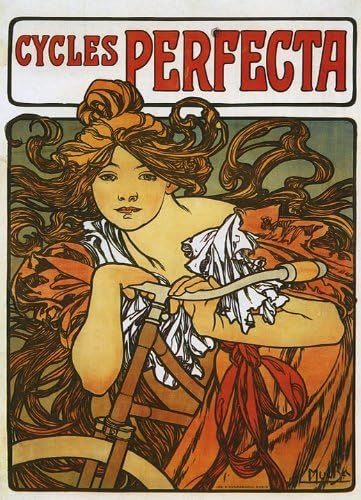
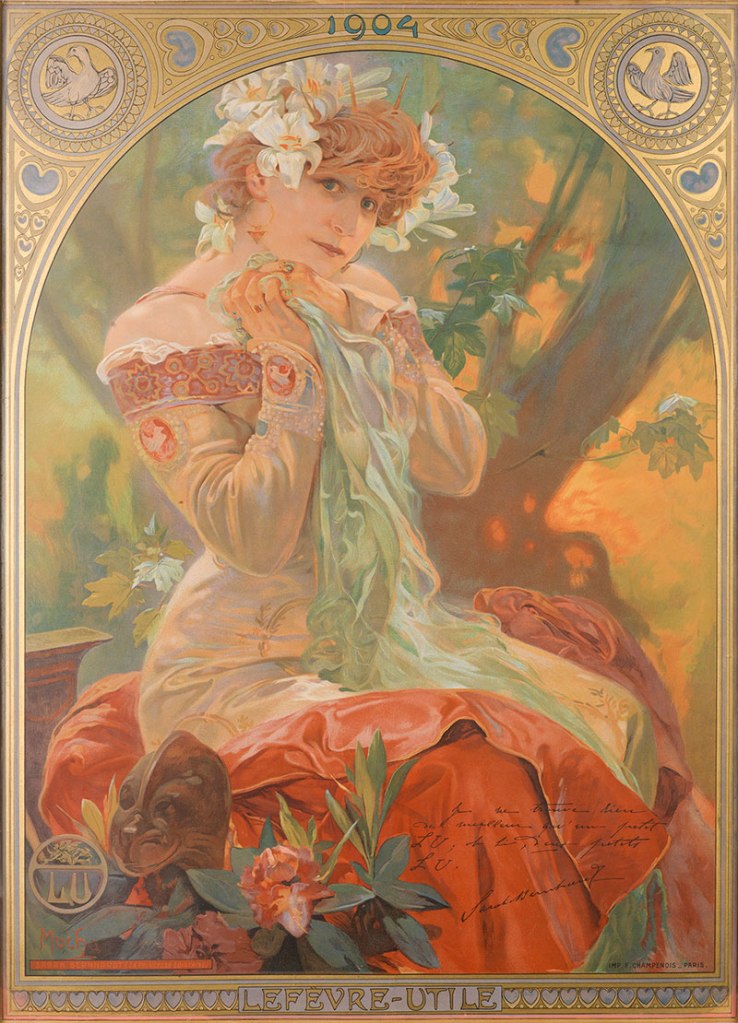
This is a perfect time for a Mucha revival, I think. Advertising creative is exploring new depths of cultural irrelevance. Marketing seems to have become an unimaginative haven for data scientists and bureaucratic functionaries. And company efforts to align themselves with social progress and “meaningful branding” are now in full, cowardly retreat. And so, reviving both the art and thought of perhaps the greatest advertising illustrator of all time, Alphonse Mucha is not only welcome but necessary.
Continue readingSherlocko the Monk: The Great Mystery of the Everyday

The running gag in Gus Mager’s 1911-1912 small wonder Sherlocko the Monk is that this send-up of Sir Arthur Conan Doyle’s famous detective rarely uncovers a crime. Mager’s parody sleuth usually unravels “mysteries” around a henpecked husband’s scheme to avoid his wife, an absent-minded fop forgetting where he left the missing object, a neurotic too scared to show up for work. The mystery is really around character and behavior more than around misdeeds. And this is why Sherlocko the Monk is such a satisfying but under-appreciated relic of the first decades of the American comic. Sherlocko pulled together into a coherent narrative whole, themes and narrative conceits that had been germinating in a more haphazard way across many artists and strips since 1895. Sherlocko is the apotheosis of early comics’ preoccupation with social and character types, traits and obsessions. he took that trope and developed it into coherent theater. And along the way Sherlocko maps out where the comic strip had been by 1911 and where it was headed as an American popular art.
Continue reading Panels & Prose