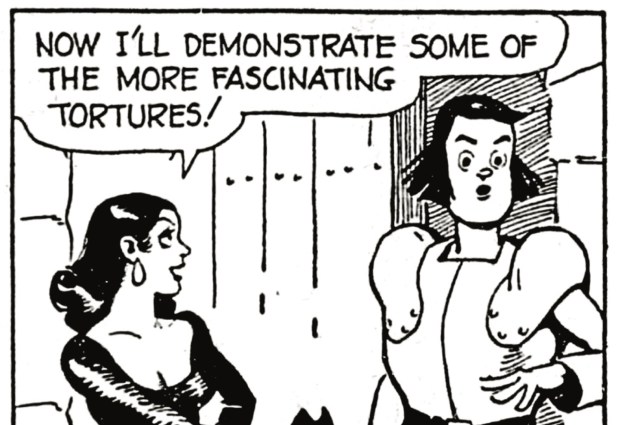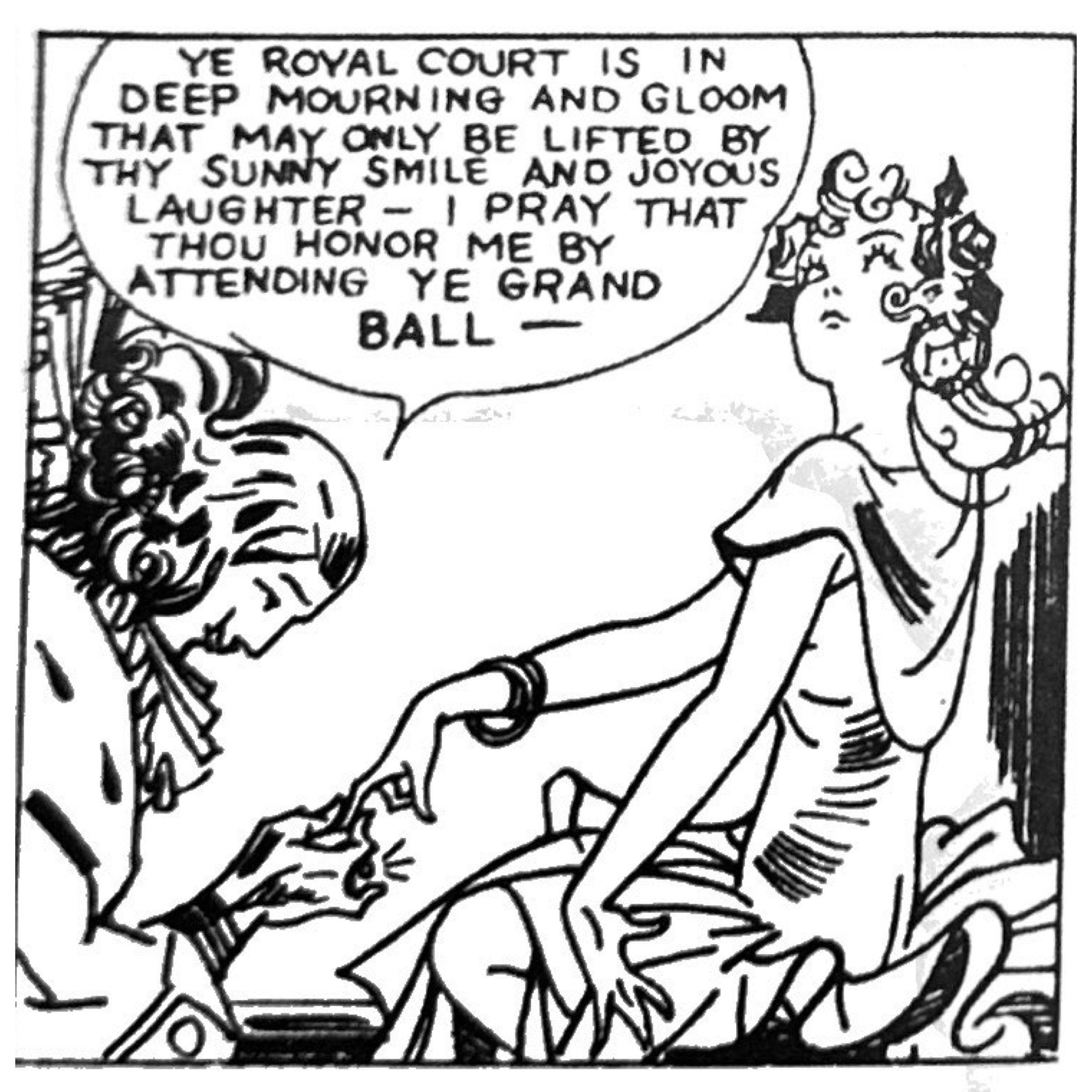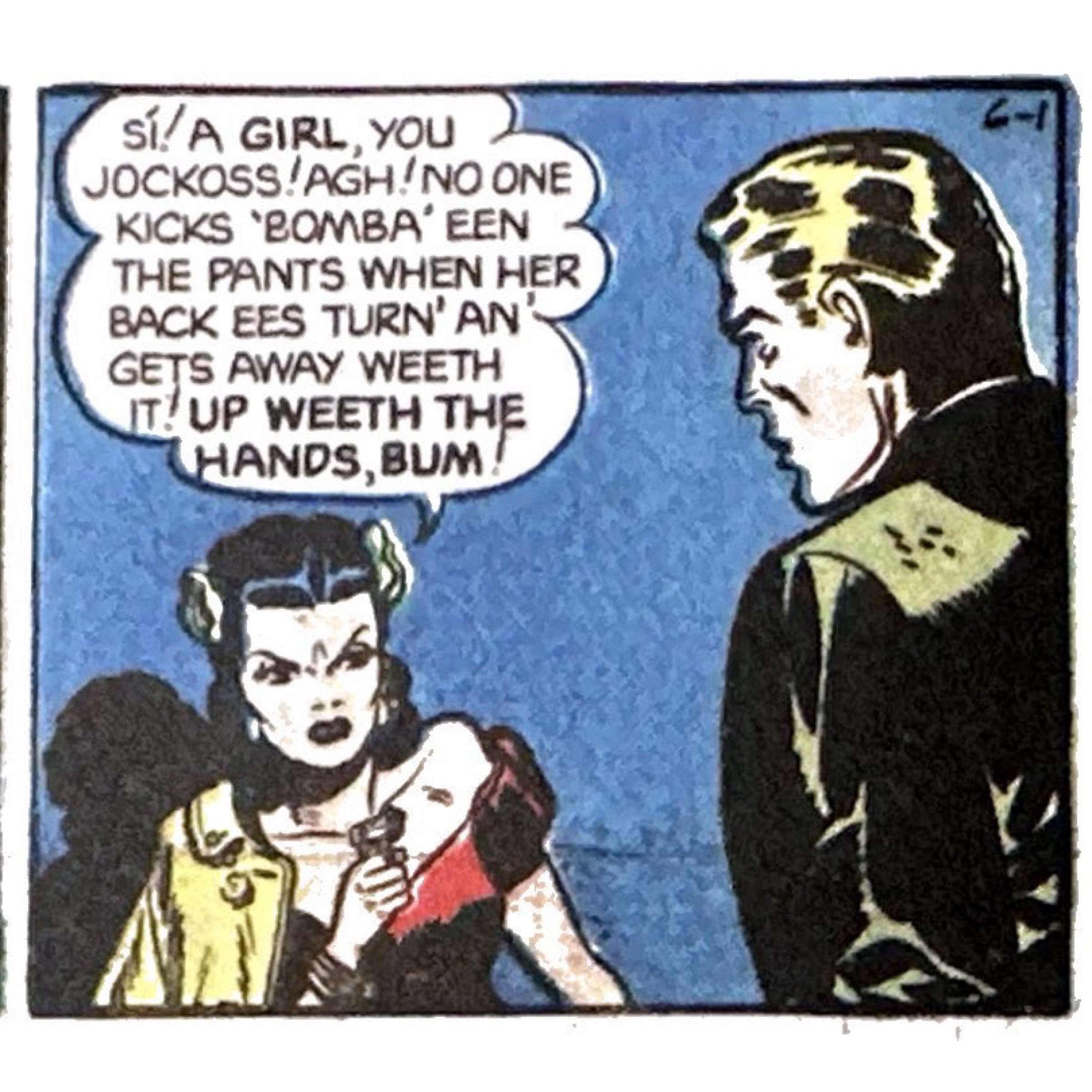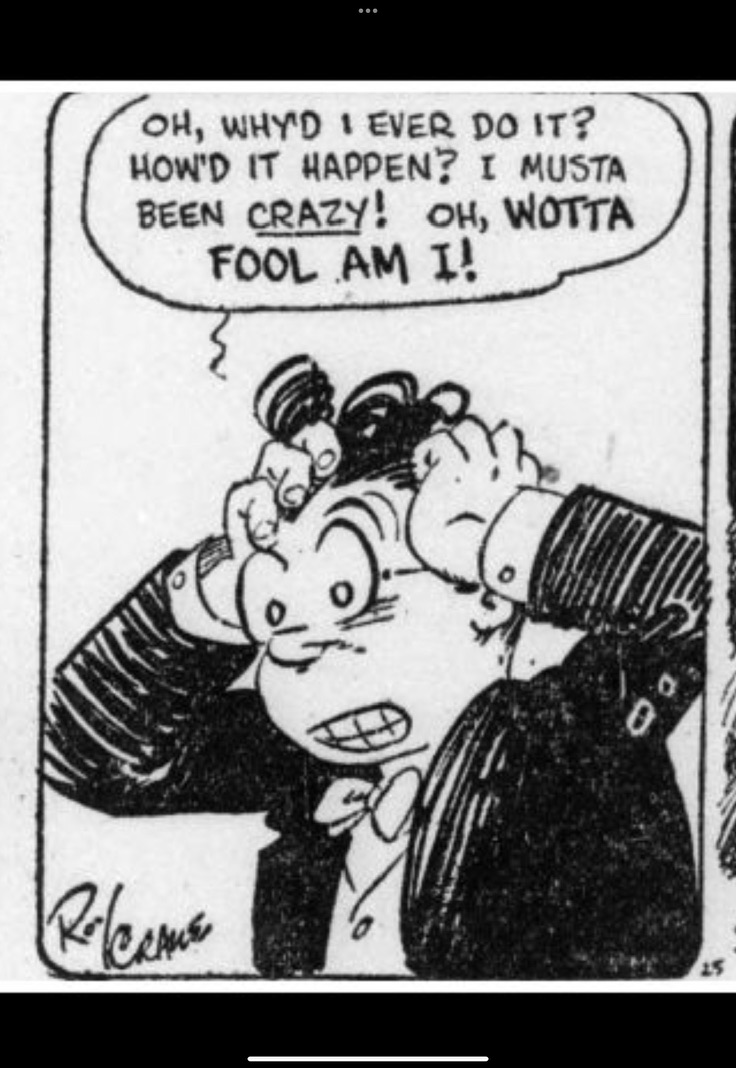
Harvey Kurtzman and Hugh Hefner were the two towering figures of 1950s culture who showed how idiosyncratic personal vision innovate even in an era of corporatized modern mass media. The best evidence of this is the abject failure of other publishers to imitate their success, at least in their first decade. Kurtzman’s MAD and Hef’s Playboy were singular efforts that made the many knock-offs seem like crude and exploitive misunderstandings of what these geniuses had wrought.
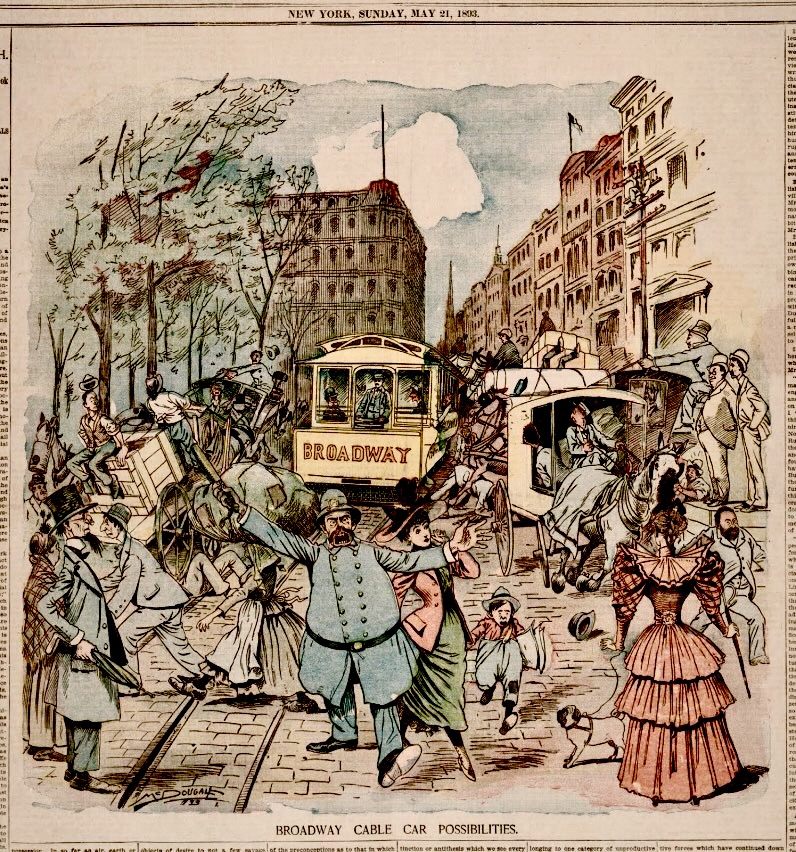
Jimmy Swinnerton’s adorable cartoon bears are generally considered the first recurring daily newspaper comic character. More than that, however, he may have been smarter than the average bear. He may also be an important bridge across traditional newspaper illustrated reporting and editorial cartooning that spawned the very different conventions of comic strips as we came to know them.
As the 1930s progressed, comic strip adventuring matured its visions of villainy. And the times were changing, as world war was becoming a reality rather than a distant rumble. As we saw in Part 1 and Part 2 of our favorite comic strip badasses, the thuggish, petty, and naturally mean antangonists of the 20s and early 30s (Bull Dawson, Sea Hag, etc.) had given way to the world-eating maniacs like Ming and The Cobra. By the late 30s, villainy becomes a bit more real and local – often focused on espionage or just personal greed. And the characters are evolving as well, more conniving and cerebral, less tied to gangsterism and power-madness than to cool demeanors and low-key malevolence. Evil was no longer wearing crowns, medieval cloaks or mustaches. They were well-dressed and brainy – the villain next door.
Villainy is, well, a necessary evil. At least so far as popular adventure is concerned. What is a hero without an antagonist, morality plays without sin? Whether it is the Satan of Genesis or of Milton, the slave-driving Simon Legree of Uncle Tom’s Cabin or Holmes’s worthy nemesis Moriarty, villainy is always a statement about evil itself that is somehow embedded in its time and its creator’s world view. That is what makes baddies so much fun to unravel. Paradise Lost is the original object lesson in our finding evil more intriguing than heroism. But the comic strip had particular roles in the evolution of popular scoundrels. Along with dime novels, pulp magazine fiction and film serials, it was among a cluster of turn-of-the-century mass media that relied on serialized heroes and stories. From these new modes of endless storytelling arose a popular sensation, the recurring villain. Moriarty (Conan Doyle), Fu Manchu (Rohmer), Fantômas (Allain and Souvestre) and a range of black-masked kidnappers of the chronically imperiled silent film heroine Pauline (Perils of Paulin) set the pattern. But the comic strip brought to evildoing its unique aesthetic strengths: believable absurduty, the light tone of caricature, and relentless irony. With some exceptions, this medium made evil unserious, fun, or at least safely farcical.
We could easily frame Hal Foster’s 1931-1937 run of Tarzan Sunday comics merely as a pleasant preamble to his magnum opus, Prince Valiant. By his own admission, Foster was a reluctant cartoonist. The successful magazine and commercial artist carried that world’s condescension towards the comic strip. Famously, he quipped in 1984 that being invited to replace Rex Maxon on the Tarzan Sundays was “To be asked to sell my birthright for a mess of pottage.” But the Great Depression had hit advertising and print media hard, so Foster took the life raft. But as TASCHEN’s new and definitive reprint of his Tarzan years shows, Foster was doing more than warming up. Others like Frank Godwin and Nell Brinkley had already started to introduce less cartoony, more illustrative styles to comics pages. But Foster brought into the mix dynamic, realistic figure art, a remarkable attention to color, and an appreciation for spectacle that newspaper Sunday pages hadn’t seen since the earliest years of experimentation by the likes of McCay and Feininger.
This is a good time for modern comic strip fans to recall Charles Dana Gibson’s role in late Victorian American culture. The most famous illustrator of his day had a calming, languid line and upscale focus that contrasted sharply with everything the early newspaper comic strip represented. Just as a tsunami of recent comic strip reprints celebrate the raucousness of 20th Century cartooning, Gibson’s epoch-defining artistry reminds us of what the “vulgar” new medium was disrupting. It also suggests why the scions of civility found the Sunday supplements so offensive and magazine illustrators like Gibson so engaging.
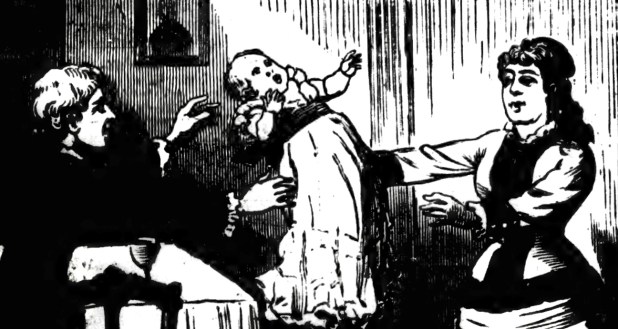
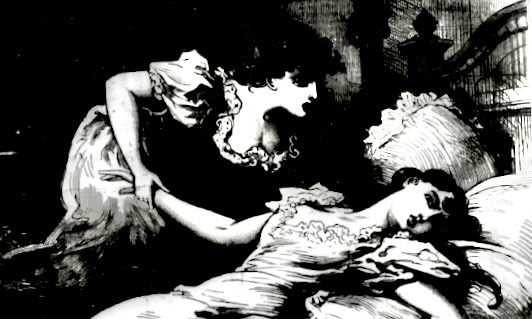
There were no firm rules for comic artists during that first 10 or 15 years of newspaper strips. Formats, aesthetic conventions, even panel shapes and limits hadn’t been fully established. The medium was still elastic. And so we see in these years wild experiments in artistic styles, unfettered explorations of page and the panel structures, even testing different interactions of words and image. Little Tragedies Strikingly Told in Four Words contains that spirit in its own title. It frames itself as an experiment. Crafted by the otherwise forgettable Alfred W. Brewerton for the New York Evening World between Oct. 1903 and June 1904, it was an unusually long-lived title to appear several times a week. True to its title, the strip is indeed striking because it blends pantomime and text in a novel way that is also compact, highly stylized, even wry.It recalls that famous quip about Ernie Bushmiller’s Nancy being easier not to read than to read. And like Nancy, the strip gets at something elemental about how comics work.