

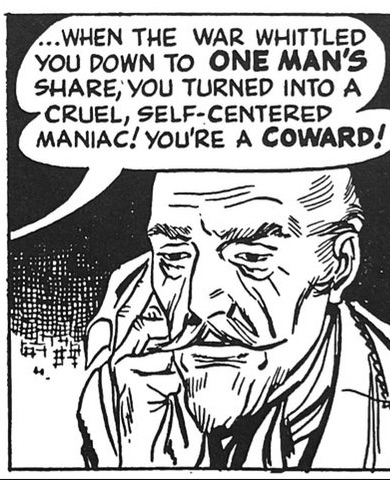
On August 5, 1924, Harold Gray’s Little Orphan Annie premiered. Historians often remember the strip for its verbose didacticism or regressive politics. Gray famously crowded his panels with Annie’s homilies to self-reliance and in the 1930s anti-New Deal screeds. This explains historians’ interest in Little Orphan Annie, but it doesn’t account for readers’ love affair with the chatty moppet. In many ways Gray’s strip blended genres of adventure and domestic drama. It was among the earliest serial adventure strips. As much as Americans may have identified with Annie’s core self-reliant values and humane sympathies, she was forever the outsider, often overhearing key conversations or sitting in the corner of a panel as an onlooker. Annie was a picaresque figure who embodied modern Americans’ sense of social dislocation and alienation. She was both in and outside of this changing America of new cities, capitalist and government shenanigans, aggrandized power…and its victims. Gray’s Annie captured a complex relationship modern Americans felt towards their culture that was harder to articulate than it was to depict in character and situation. That is what great art, high or low, does for a culture.
Continue reading
 Panels & Prose