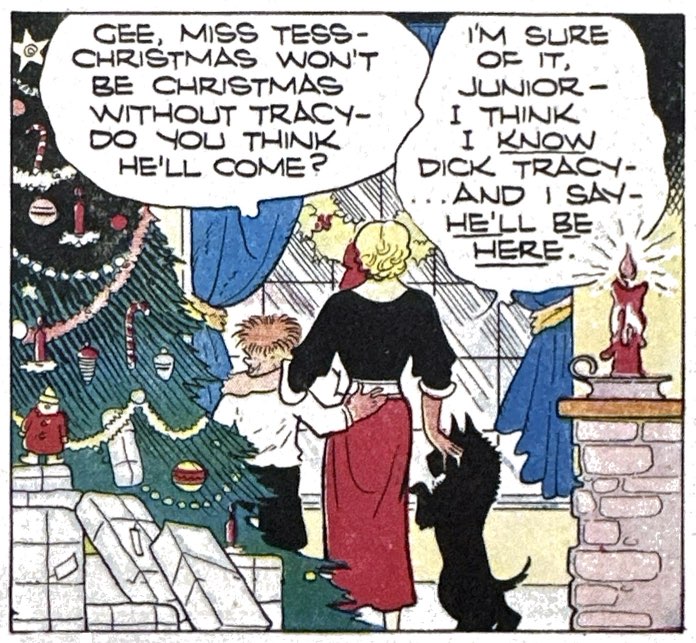
Junior Marries Moon Maid

By the end of his career in 1977, Dick Tracy creator Chester Gould was notoriously reactionary. His disdain for the counter-cultural forces at play in the 1960s and 70s, for liberal explanations of criminal behavior, were clear in the strip itself. In fact, his resistance to leniency in America’s legal system, and progressivism in general, had been baked into his epic since its roots n the gangster era of 1931. From the start, Dick Tray was an exploration of individual valor and evil rather than institutional or social forces. Gould’s take on the 50s moral panic around “juvenile delinquency” via Flattop Jr. is an excellent example. And the moral universe of Dick Tracy hinged on the personal evil of villains(usually embodied in physical abnormalities) and the poetic symmetry of their deaths via some kind of retributive justice.

Continue reading

MAD Looks at Politicized Comics: 1969

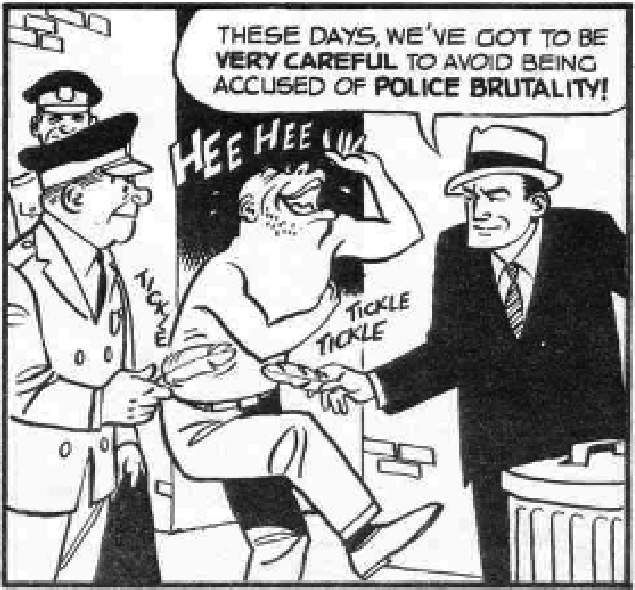
By the 1960s American newspaper comics had gained a deserved reputation as generally banal and innocuous pop culture, prime targets for satire. In April 1969 MAD Magazine took aim at the generally apolitical nature of most strips by imagining a world where comic strips actually reflected their culture. With art by Bob Clarke and script by Frank Ridgeway, “If Comic Strips Covered the Issues of the Day” has Superman coping with air pollution, Dick Tracy adapting to police brutality concerns and Mandrake the Magician’s already-racist depiction of his assistant Lothar turned into an even more troubling notion of Black American fantasies.