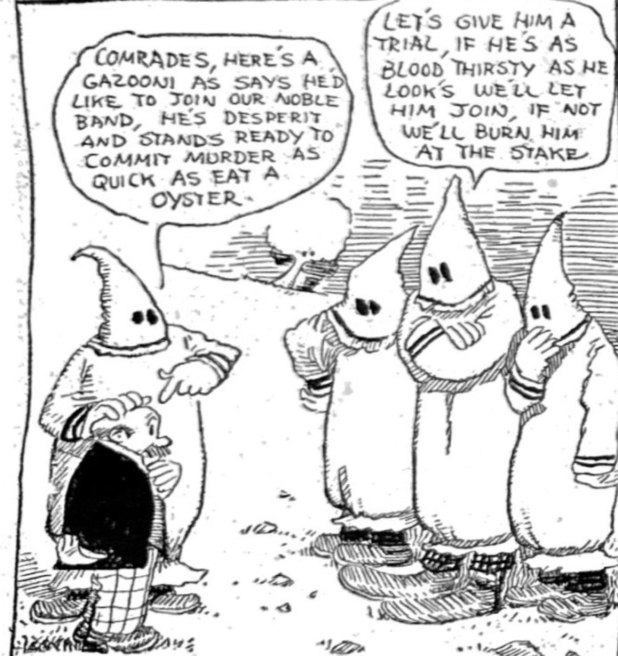
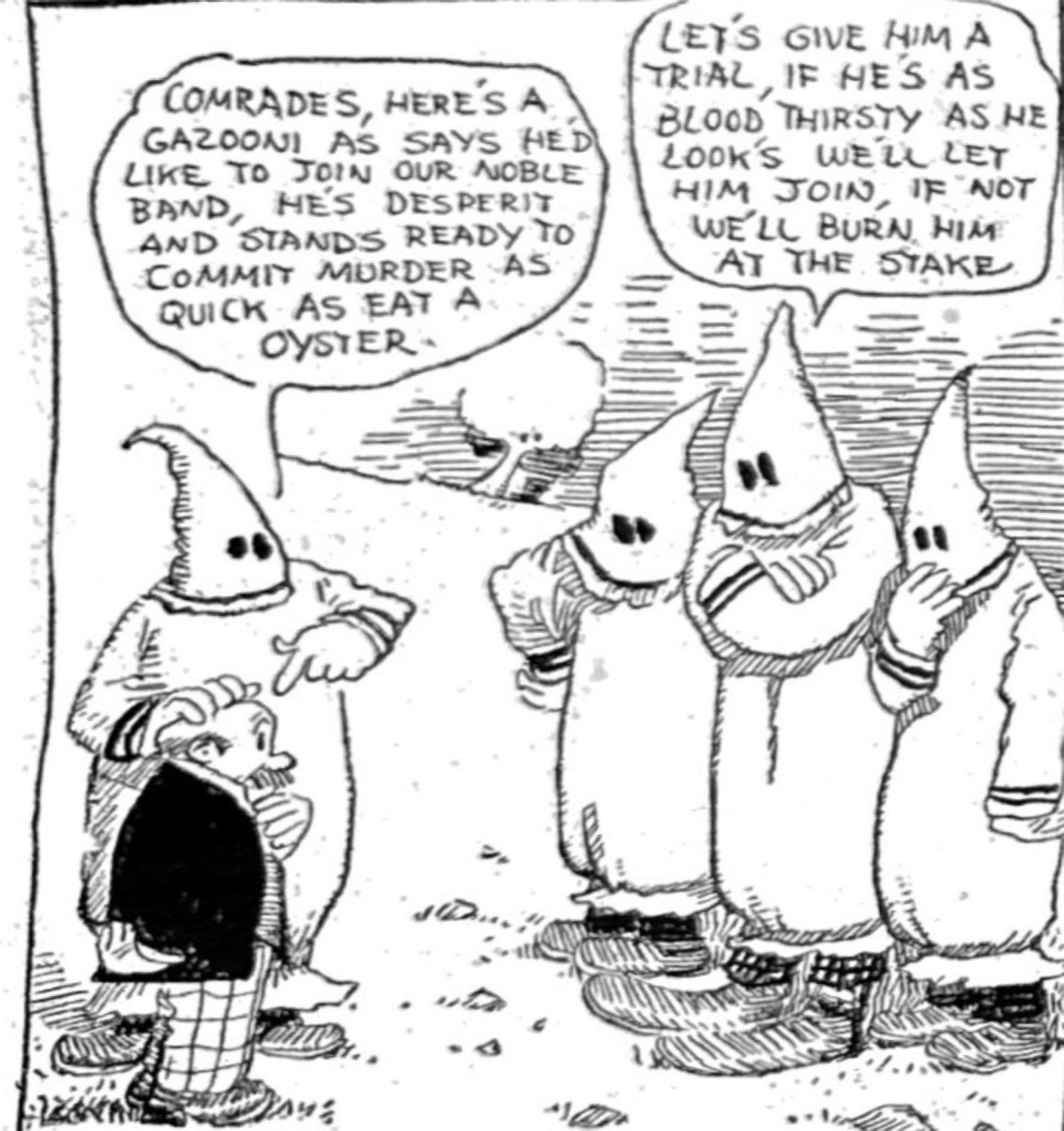
Dingbat Calls In the Klan: Herriman’s Bourgeois Obsessive


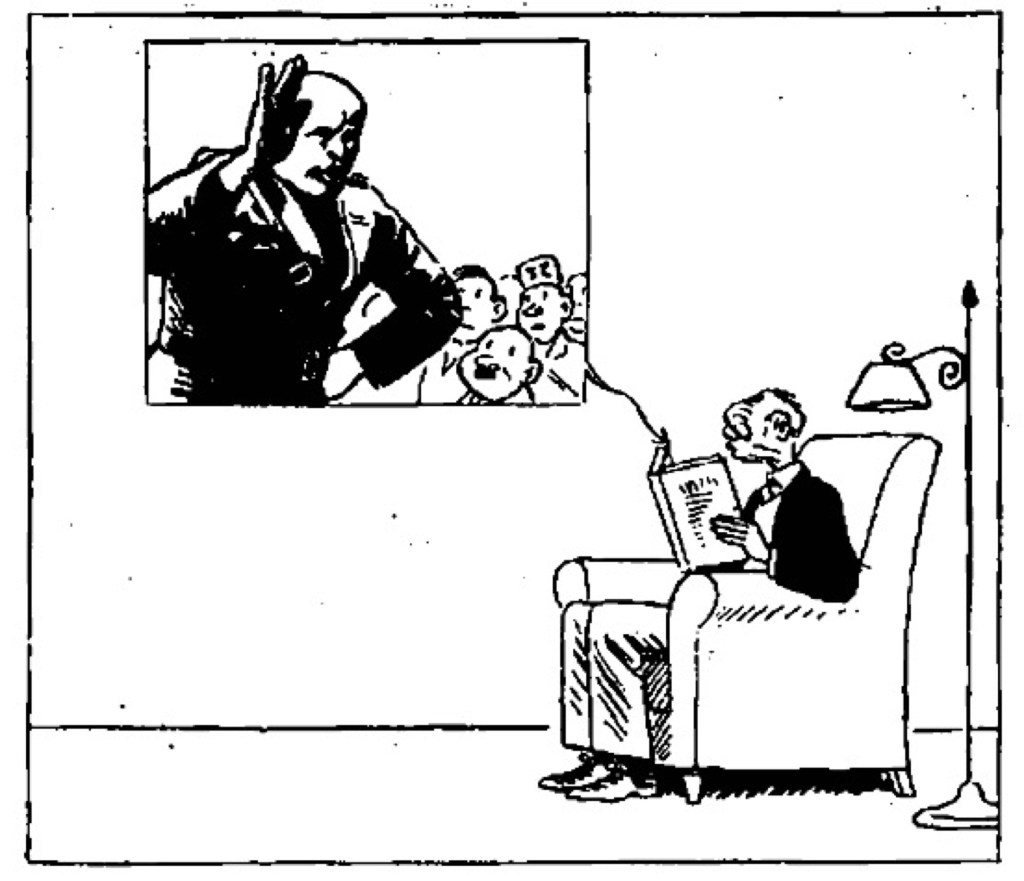
Along with chaos, mayhem and violence, obsessive behavior was a core theme of early newspaper cartooning. Consider the many titular anti-heroes of these years, like Hungry Henrietta, Superstitious Sam, Jingling Johnson, Sammy Sneeze. Or the irrepressible raging “Outbursts of Everett True,” the sex addiction of Mr. Jack, the insufferable politeness of Alfonse and Gaston, or the numerous strips about absent-minded codgers or irrepressible pranksters. Seen through the lens of early 20th Century comics, the new American cityscape was characterized by obsessive behaviors, idiosyncratic personalities, uncontrollable ticks – compulsions of every sort. The annoying monomaniacs in our midst formed the heart of early comics. It was an art well-suited to the daily newspaper: a comedy of everyday frustrations and observations. 

Continue reading

The Timid Soul Toys With Fascism

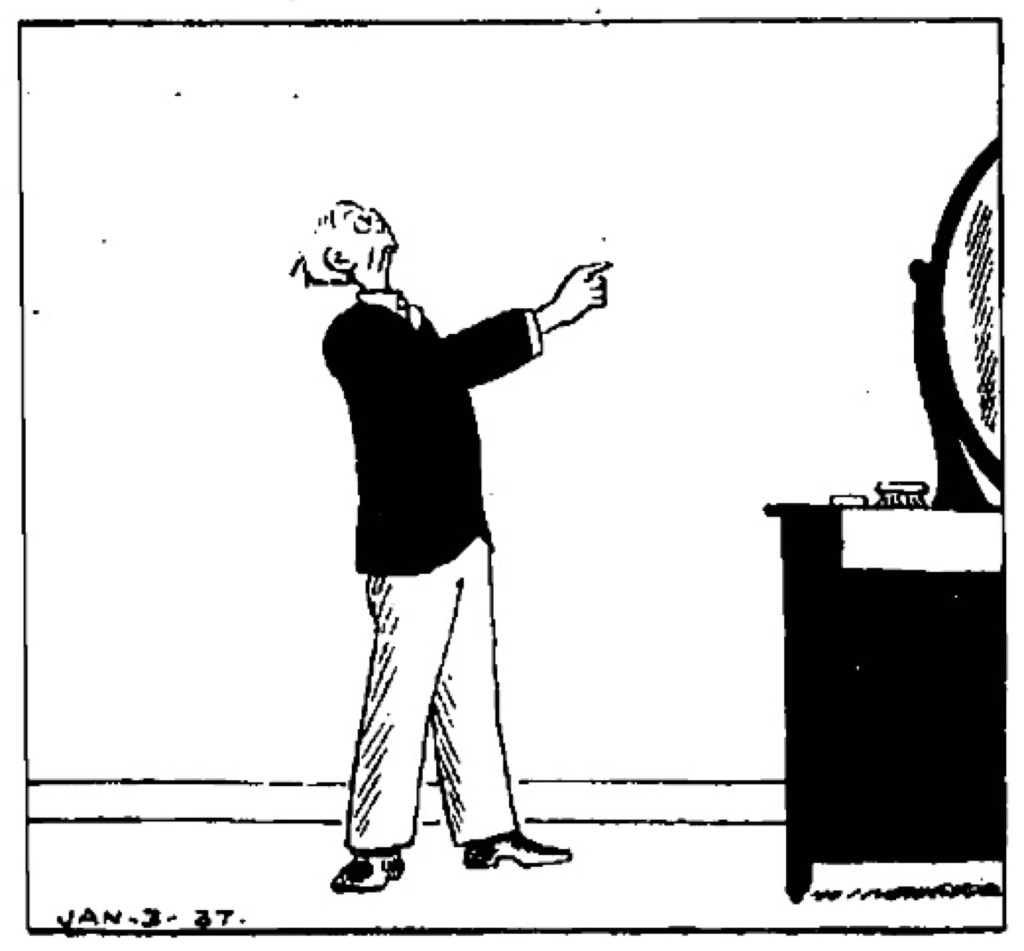
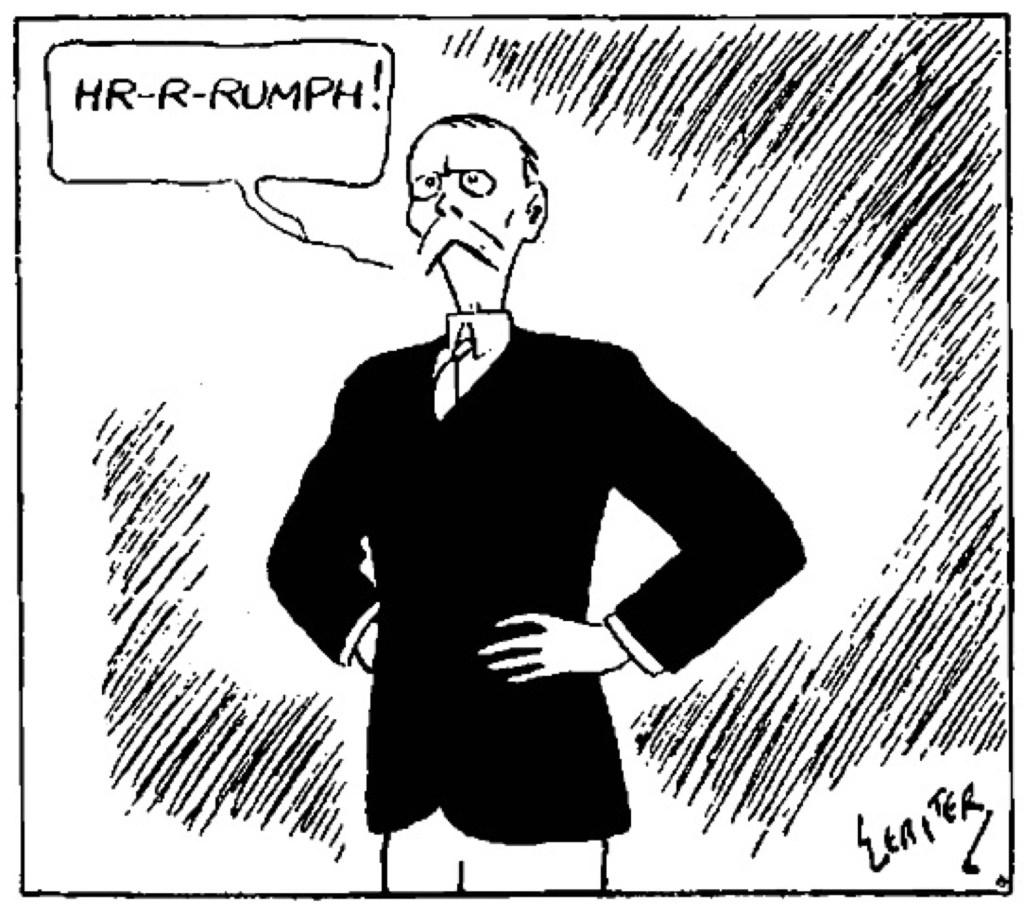
The authoritarian strain in modern democracies has only heightened since I first posted this bit of cartoon wisdom several years ago. In 1937, H.T. Webster’s Casper Milquetoast (The Timid Soul) responds to Italy’s Benito Mussolini and Germany’s Adolph Hitler with his own fantasy of assertiveness. This 1937 vision of fascism’s psychological appeal to feelings of personal disempowerment is eerily relevant to the current ethos. Webster perceptively understands how the personal and political entwine around identity. And through Casper he renders it as a will to power that is at once frightening but also silly and petty. Webster even seems to understand something American liberals are only now grasping: the most effective response to bro-viating fascist cosplay is ridicule.

Continue reading

Chatty Pantomime: Little Tragedies Strikingly Told in Four Words (1903)

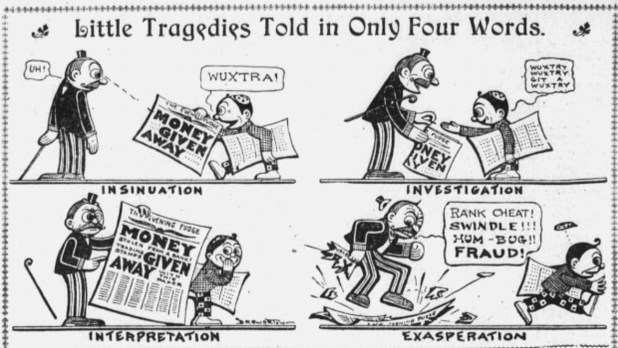
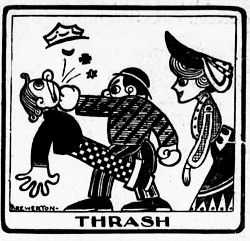
There were no firm rules for comic artists during that first 10 or 15 years of newspaper strips. Formats, aesthetic conventions, even panel shapes and limits hadn’t been fully established. The medium was still elastic. And so we see in these years wild experiments in artistic styles, unfettered explorations of page and the panel structures, even testing different interactions of words and image. Little Tragedies Strikingly Told in Four Words contains that spirit in its own title. It frames itself as an experiment. Crafted by the otherwise forgettable Alfred W. Brewerton for the New York Evening World between Oct. 1903 and June 1904, it was an unusually long-lived title to appear several times a week. True to its title, the strip is indeed striking because it blends pantomime and text in a novel way that is also compact, highly stylized, even wry. It recalls that famous quip about Ernie Bushmiller’s Nancy being easier not to read than to read. And like Nancy, the strip gets at something elemental about how comics work.

Continue reading