Notable Books: The Flapper Queens: Women Cartoonists in the Jazz Age

Trina Robbins is an under appreciated national treasure, alas, for some of the same reasons the cartoonists she presents here have been overlooked by too many comics histories. For the most part, cartooning was a man’s game in the 20th Century, and so has been the writing of its history. Except for Trina. Robbins was among the only female artists in an underground comics movement famous for its misogynist art. Her Pretty in Ink history of women in the field remains the major work, because she has waged a lonely battle for including this talented minority of comic artists.

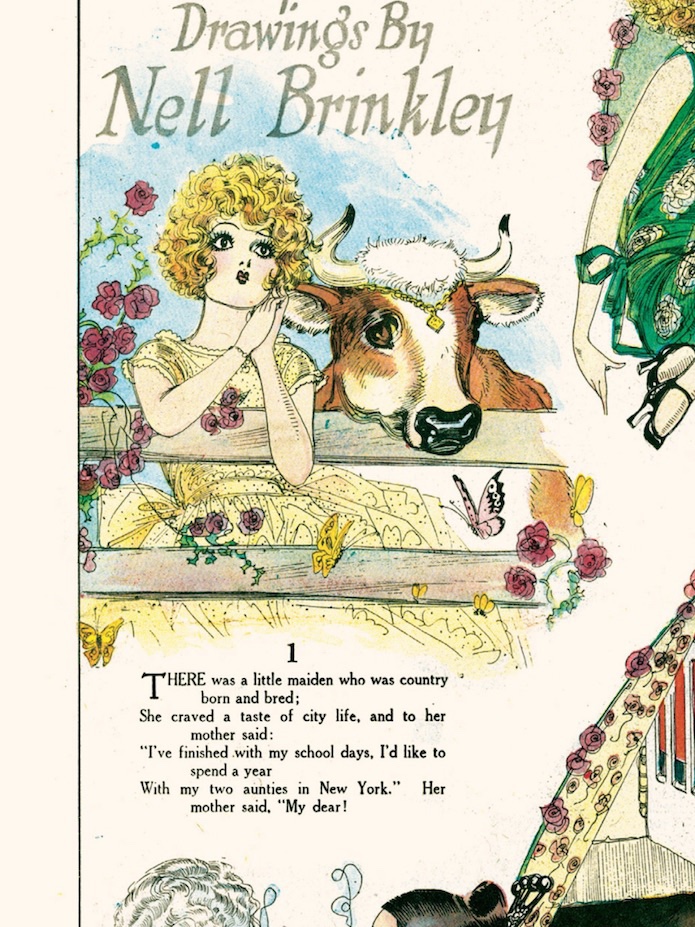
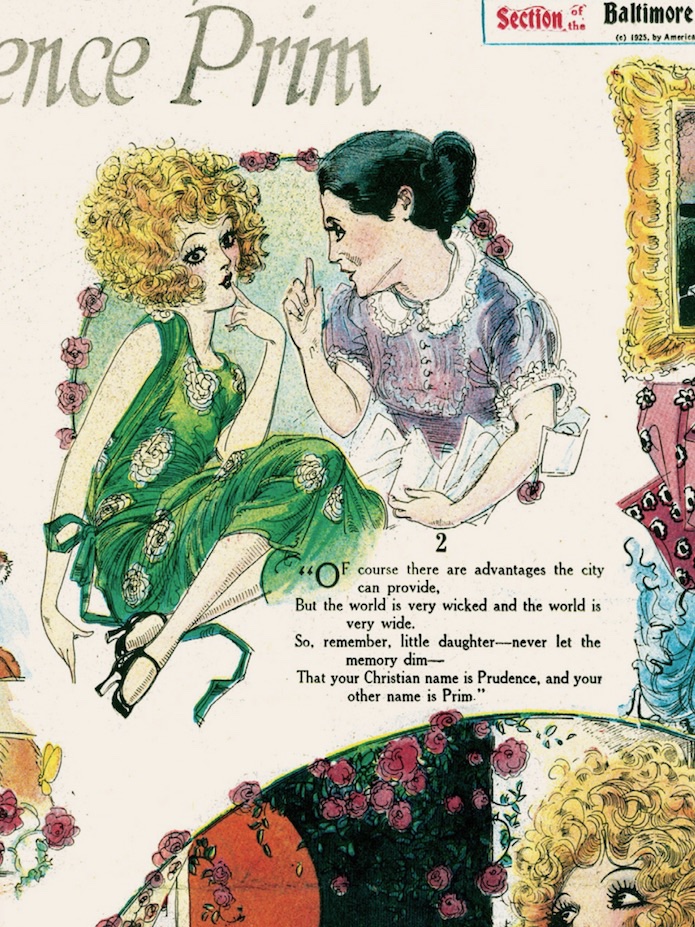
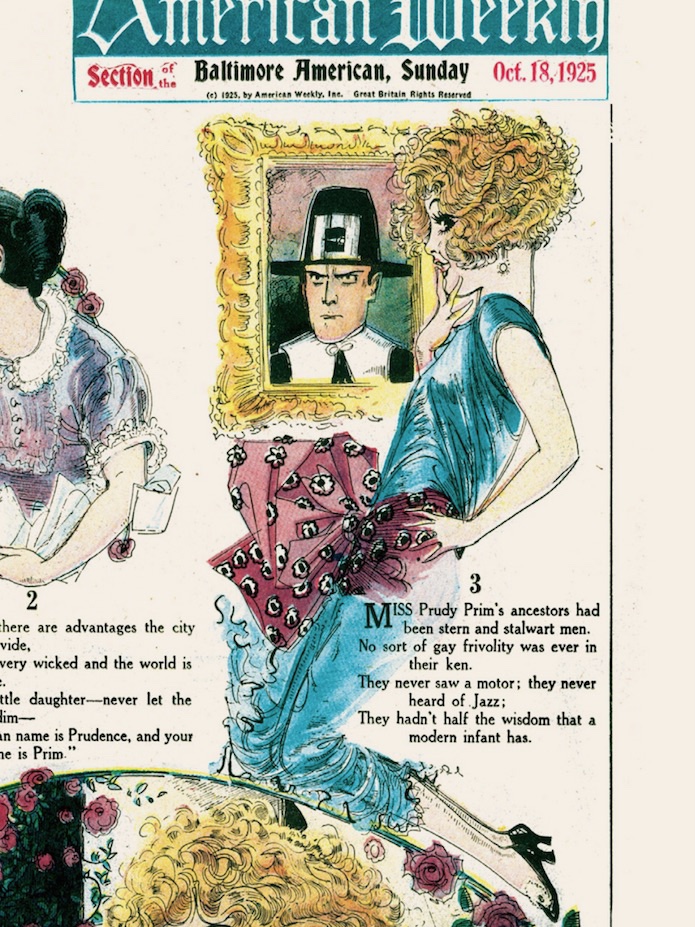
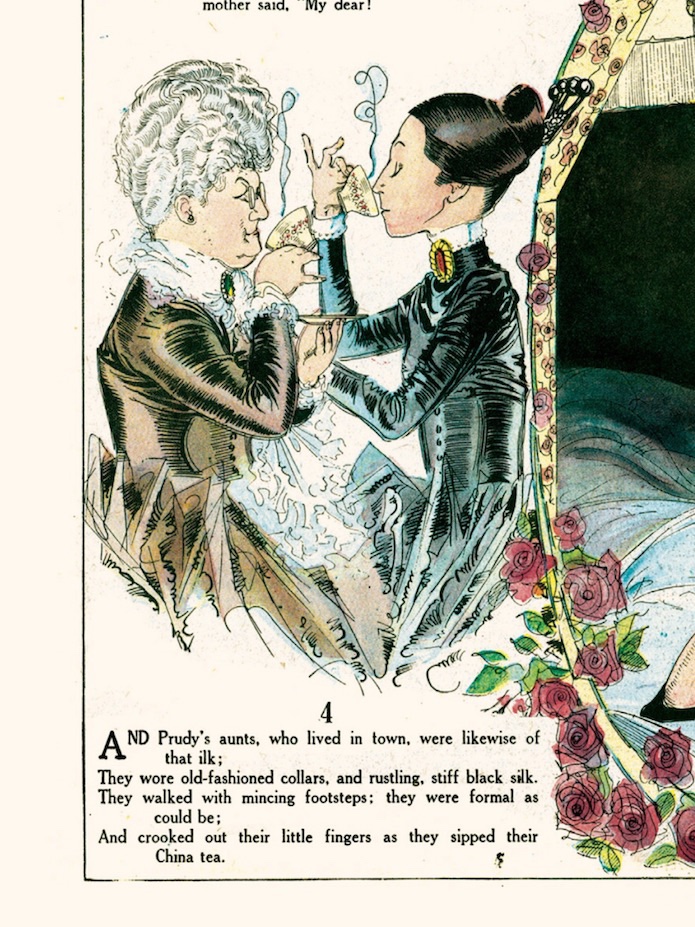
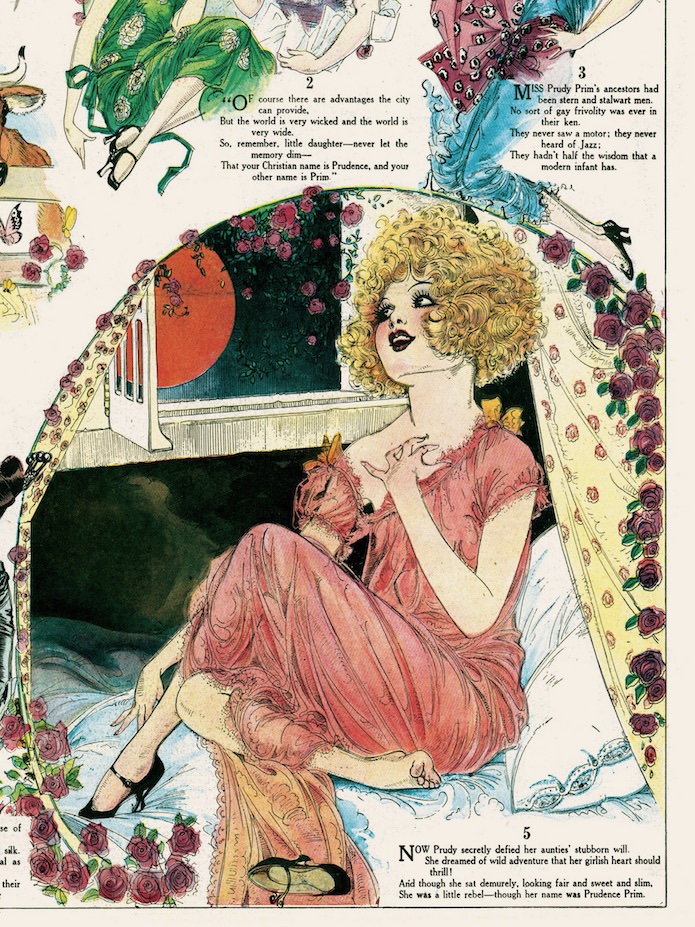
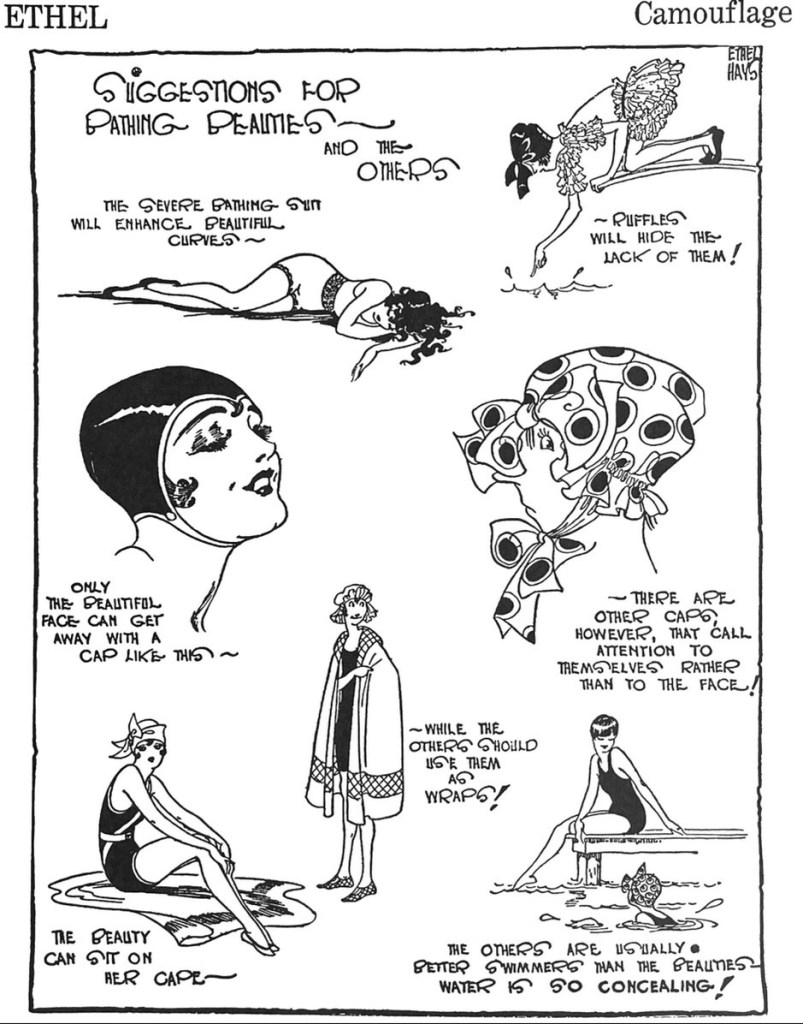
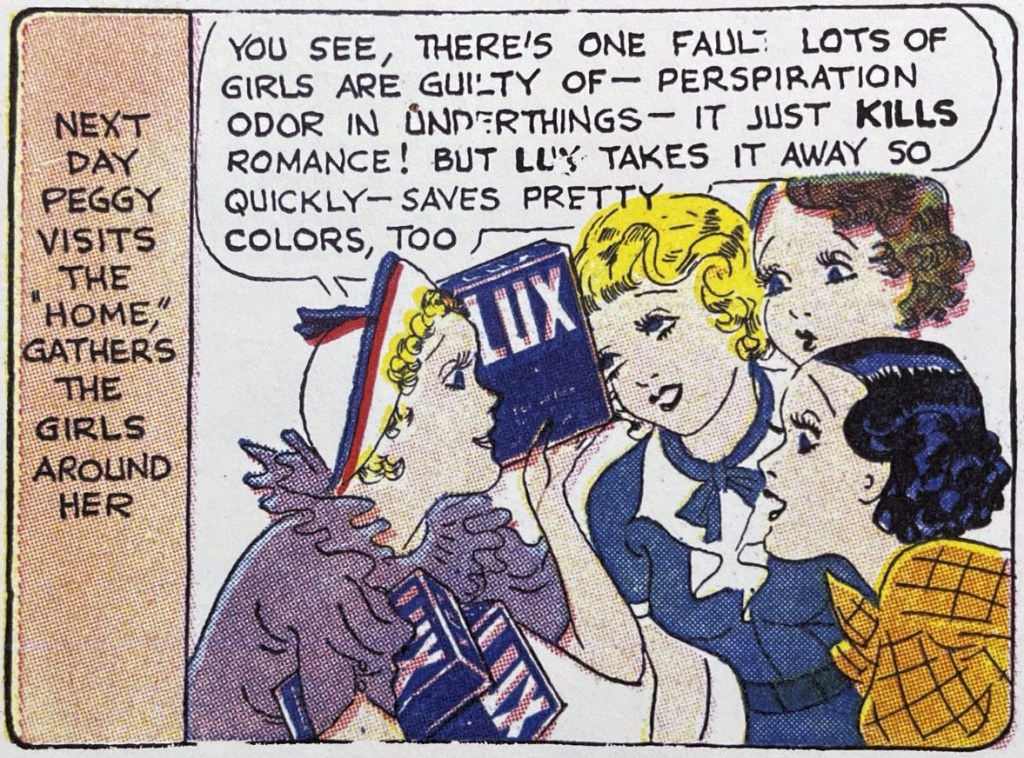
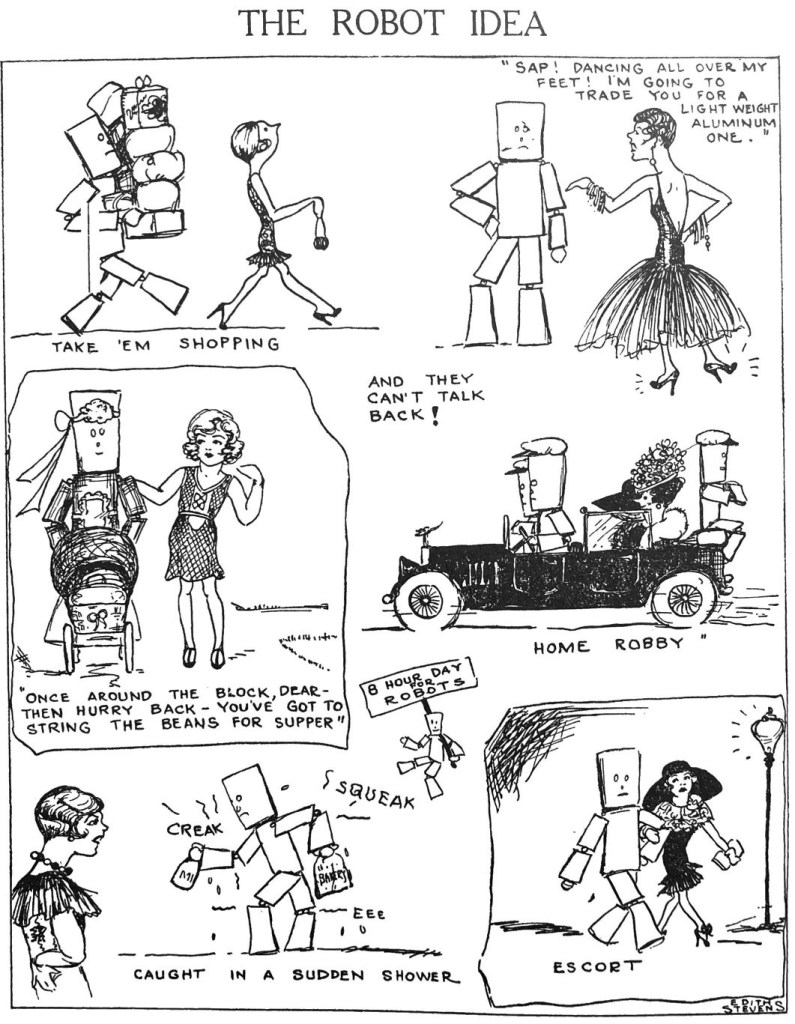
But Pretty in Ink had to cover so much ground, we didn’t get to dwell deeply into any artist or group. With The Flapper Queens: Women Cartoonists in the Jazz Age, however, she gets the chance to reprint satisfying helpings of Nell Brinkley (fully 50 pages!), Eleanor Schorer, Edith Stevens, Ethel Hays, Fay King and Virginia Huget. Since this is more a history in reprints than a history with reprints, Robbins shows more than tells. But she shows so much about how these women helped define the post-WWI era, or at least mass media’s aspirational version of it. Their focus on social interactions and fashion come through as expressions of feminine power and personality.

With a third of the book devoted to Brinkley, we get to see the most famous of female cartoonists evolve beyond the Gibson style into an Art Nouveaux and then Deco fine line work and precision. Robbins bookends the book with Brinkley’s changing views of American women, the artist’s criticisms of the very flighty flapper she celebrated in the 20s, and the active, engaged professional women she depicted in the 1930s.

But along the way, Robbins gives us revealing samples across the careers of many women who continue to be overlooked by conventional comics histories. Edith Stevens’ Us Girls series blended fashion, biting wit and social observation in a series that was pithier and more insightful than many of the observational strips we continue to reprint elsewhere.

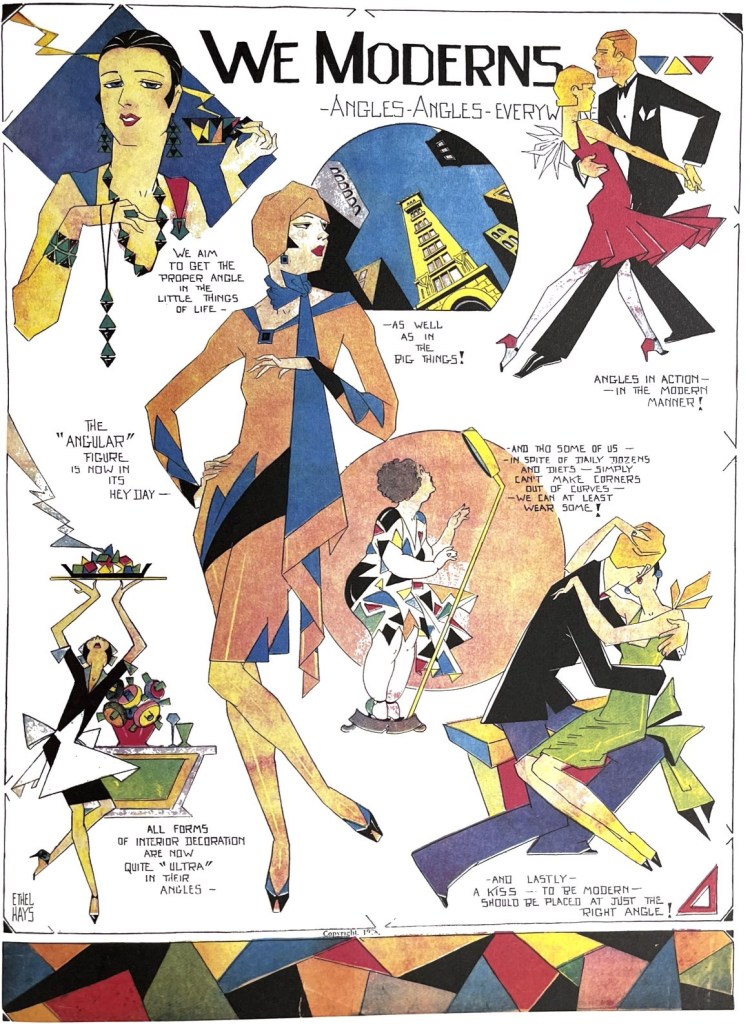
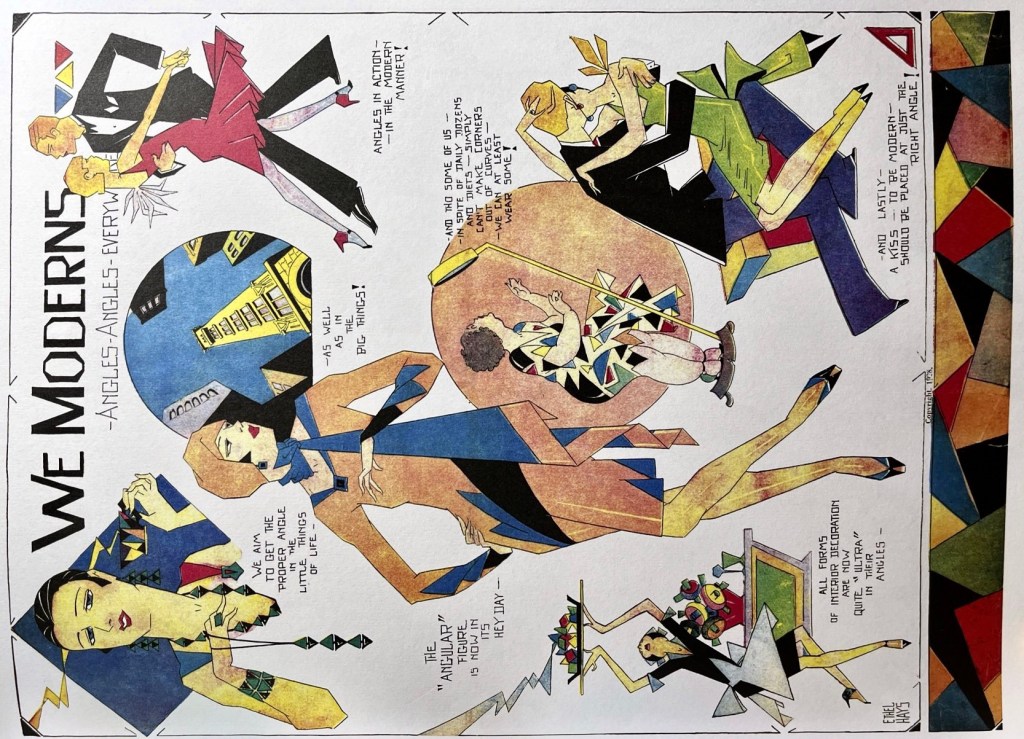
Robbins also focuses in on Ethel Hays, who channeled both Brinkley and John Held to chronicle the 20s and 30s in striking full page, richly colored Sundays that overwhelm the eye with color, a great sense of body angles and attitude. Like many of women in this book, she found creative ways to weave fashion styles, romantic advice, social commentary and a bit of cheesecake.

Hays’s “We Moderns” piece at the top of this entry is a great example of the creative richness and thoughtfulness we miss when, like their editors at the time, we consign women cartoonists of the day to the “fashion” artists bucket. Indeed, Hays, Brinkley and Huget not only paid attention to clothing, hair and even body styles, but they wove these concerns in with larger social, personal and aesthetic ideas. In “We Moderns” Hays actually brings these threads together in a startling visual think piece. She links the “angles” of modern fashion with architecture, clothing, dance, personal politics and even her own Deco-infused art style. Nell Brinkley was adept at using her characters’ clothing as instruments of drama, personality, reaction. They exploded from the page as effectively as her signature facial expressions – signals of inner-feeling. These artists didn’t just depict the visual styles and fashions of the inter-war years. They showed a rare understanding of why they mattered.

Fay King was perhaps the most socially engaged of the group, and her strips highlighted trends like women becoming more involved newspaper readers. Meanwhile Virginia Huget bridged the 20s and 30s with aspirational tableaux that romanticized college life and affluence. I also appreciated the inclusion of the wonderful Annabelle strips by Dorothy Urfer. This is a visually rich and wry look at sexual politics. It left me wanting mor.

And the reproduction/resotration work in Flapper Queens is superb, bringing forward the rich color and detail that made these images so absorbing in their time. Comics historians love to gush over the ways in which McCay, Feininger, King and the usual suspects among the kings of comics made innovative use of the full Sunday page, especially in the first decade of comic strip history. But the oversized, beautifully colored reproductions in this book show how artists like Brinkley, Hays and Huget especially burst from the Sundays of the 20s and 30s with dazzling uses of layout, splash images and narrative progression that rival and exceed many of their male peers.

Which brings me to the historical importance of Robbins’s Flapper Queens. Reviving these artists truly expands our understanding of comics history and especially the ways in which these very talented artists and social observers related to the surrounding culture between the World Wars. To overlook them is to miss some of the most striking art the comics were producing during this era. More to the point, these artists had a wry, sly and nuanced take on the politics of domestic relations. This book shouldn’t just “fill a gap” in comics history. It should make us broaden and reconsider the cultural work the comics were doing in American minds in the last century.

This is hands down my pick as the one indispensable addition to comic strip history in the last year.

Notable Books: The Black Pioneers

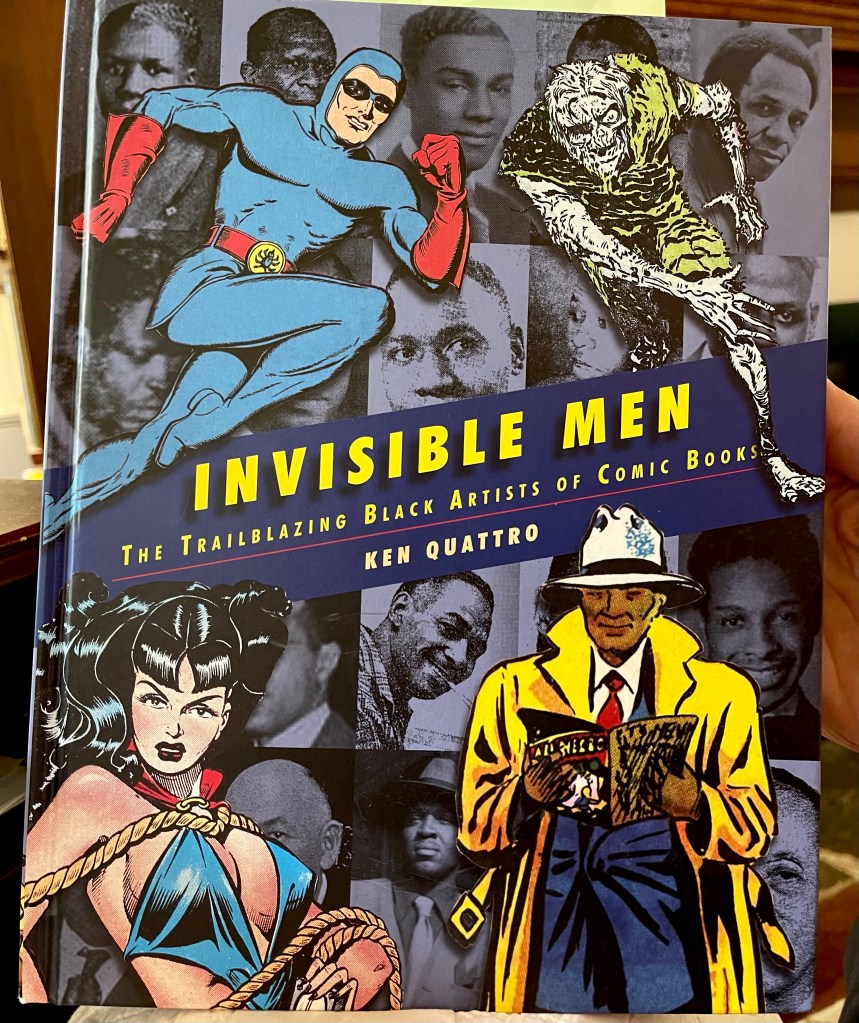
Invisible Men: The Trailblazing Black Artists of the Comic Book

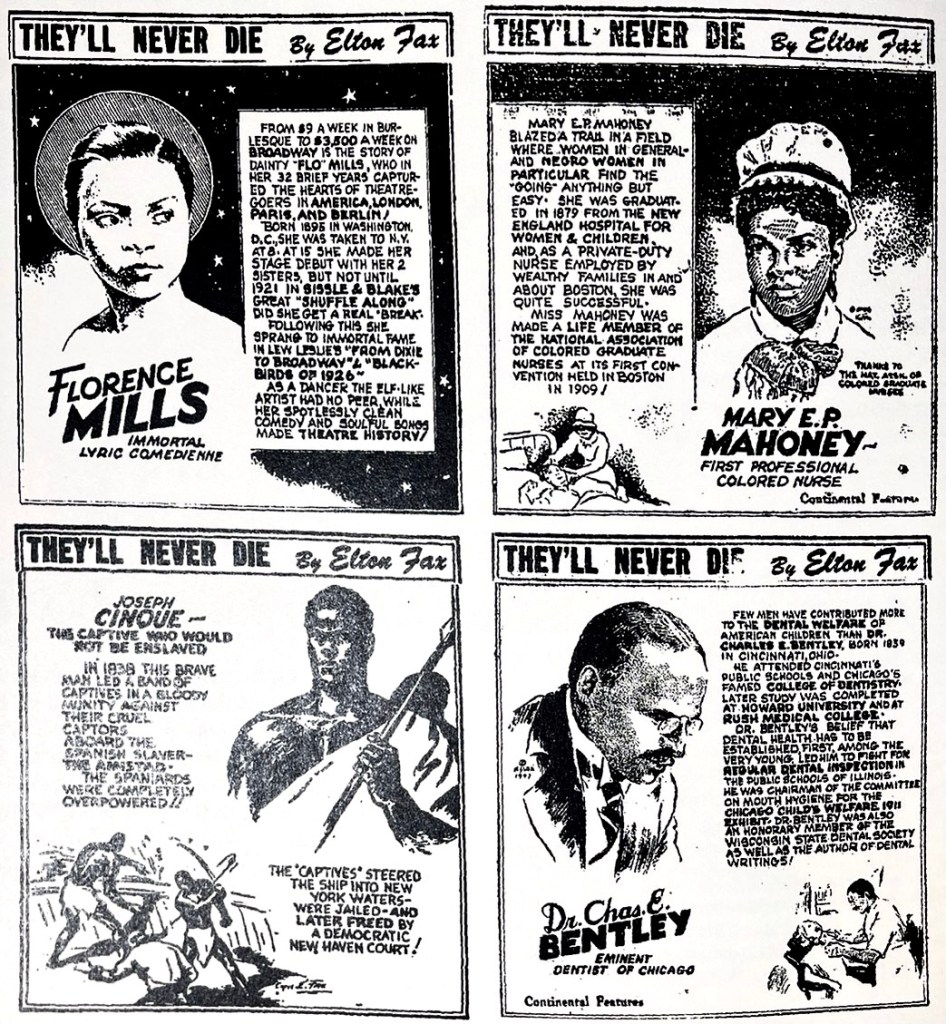
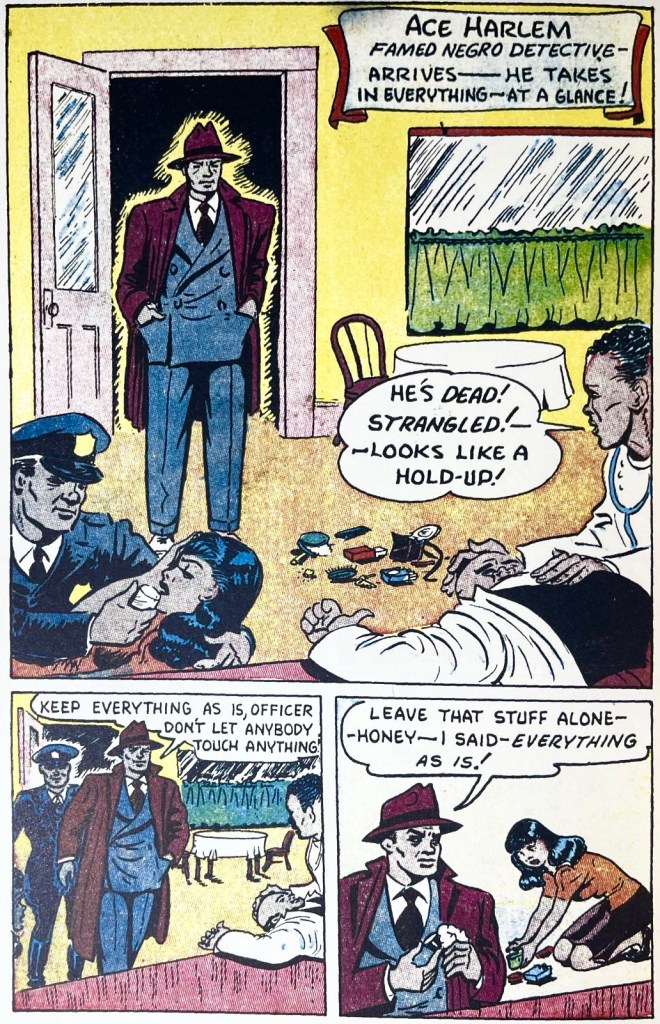
This well produced overview of over a dozen pioneering Black comics artists surfaces a hidden history that is eye-opening on so many levels. Many of these artists were well-known within their own communities and Black newspapers in many of the major cities across the US but “invisible” to the larger world of comics readers. Mainstream comics history often highlights Matt Baker who developed sexy heroines like Phantom Lady and Flamingo and is well represented here. But author Ken Quattro does an excellent job taking a biographical approach that digs into Adolph Barreaux (Sally the Sleuth), Elmer Stoner ( Phantasmo), John Paul Jackson (Tisha Minga and Bungleton Green), the collaborations of Elton Flay Fax and George Dewey Lipscomb, Alvin Hollingsworth’s horror comics, and a dozen more that differentiates the styles, personalities and career paths of an incredibly diverse group of artists.

Invisible Men tends to focus on these artists’ eventual contributions to the mainstream comic book field, and so each biographical section usually ends with a full story, full color reprint. Ironically, this work often represents the least expressive and talented examples of what many of these artists had to offer. Their careers generally were more interesting outside of a comic book industry that paid poorly and demanded little. In fact, as Quattro himself recognizes, unlike most early comic book artists, almost all of the Black artists he explores were formally trained fine artists who took on this work just for the money.

In each of these biographies I found their supporting and prior careers much more interesting, as does the author. Quattro cautions that he is not a formal historian, but he ably sketches in a blind spot for comic strip history – the Black newspaper, as well as the vagaries of freelancing for early comic book and pulp magazine companies and how it allowed many of these “invisible men” sustained careers. In taking a biographical approach to this cast, Quattro defies generalization about these artists’ perspectives and backgrounds. We enter a range of highly individual contexts, especially Black middle-class enclaves in cities like Oberlin, Charleston, Baltimore and more. We get glimpses of how Black newspapers, communities, artist groups lent support and connections for many of these men as they cobbled together artistic careers that moved across Black newspaper comics and editorial, community pamphlets, posters and fine art exhibits in addition to the burgeoning comic book industry.

Valuable as Invisible Men may be, it begs for more…more history of Black artist communities, of the Black newspapers that nurtured so much talent, of artists that fall outside of Quattro’s comic book lens. We need at long last a modern report in of strips like Bungleton Green, the syndicates that distributed Black comics artists, an entire history of editorial cartoons that took a decidedly different take on current events.

The Phantom’s Campy Fetishes

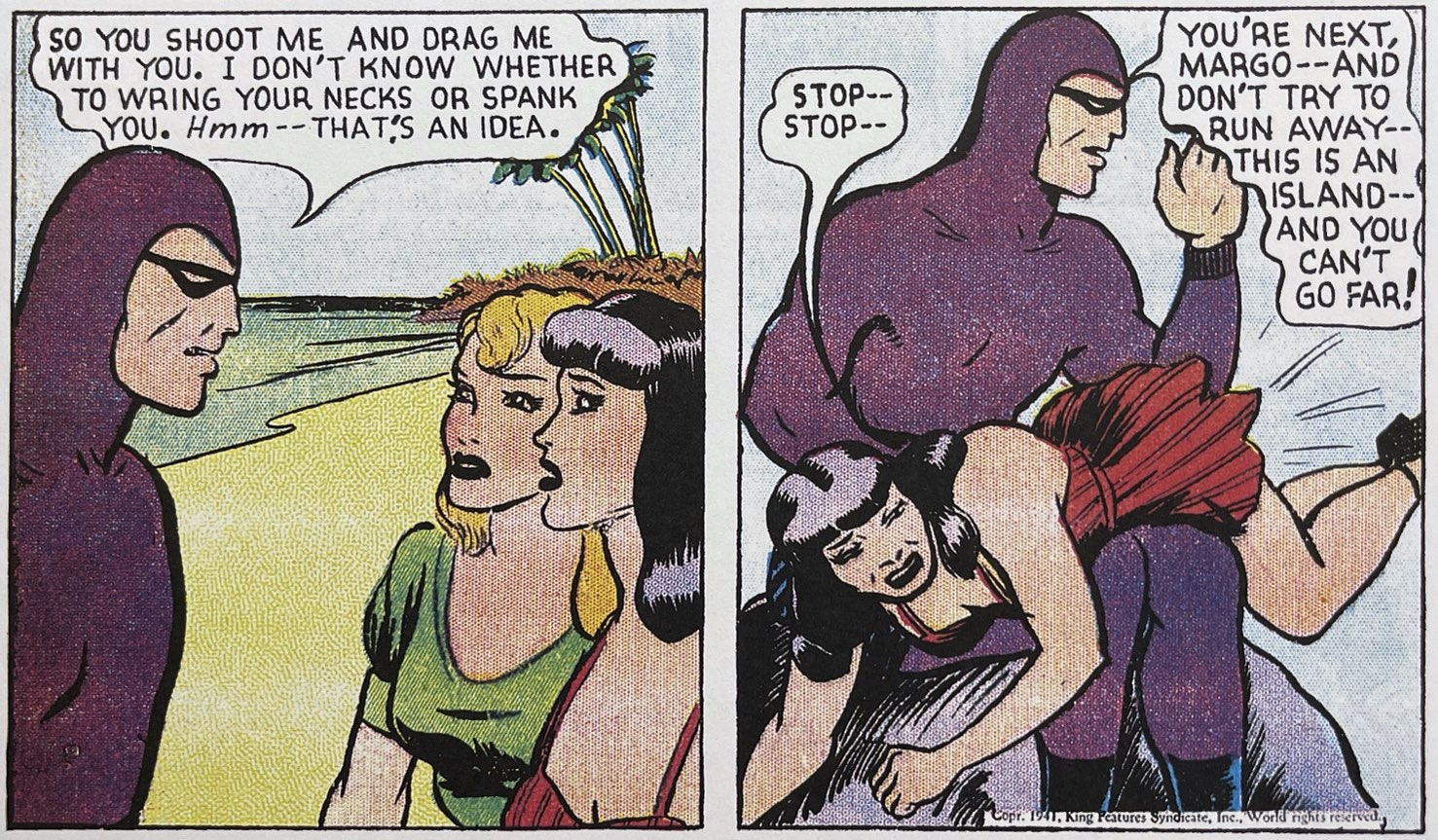
Putting a full grown man in a skin-hugging bodysuit, hood and mask is bound to raise a few hints of offbeat sexuality. I have no idea if Phantom creator Lee Falk knew precisely what he was doing when he introduced the form-fitting costume to pop adventure in 1936. Some of us will never forgive him. But it is clear that the sheer eroticism of The Phantom strip was clear from the start. And “sheer” is the operative word. As I pointed out in an earlier post, the mysterious avenger was not the only one to trot about the globe in skivvies. Artist Roy Moore missed few opportunities to drape in gauze (barely) Phantom gal pal Diana and a steady line of sadistic dominatrix villainesses.

Not to put too fine a point on it, but for all of his pre-super-hero human talents, The Phantom got bound and whipped by women at a shocking rate. Sado-masochism and titillating cheesecake were hardly new to mass media in the 1930s, of course. The Phantom probably drew more from pulp magazine adventure tropes than any other strip of the time. Its eccentric masculinity and leggy, dominant women, not to mention a risible colonialism, were conventions of the print pulps. But no other daily comic strip I have seen kept an erotic sub-text so close to the surface.

The Phantom is a special case. Sex is baked into the premise and origin story. This is an extravagant revenge fantasy, reaching back 400 years, in which a nobleman swears to avenge the murder of his father at sea by the hands of “Singh pirates.” He dedicates the son of every future generation of his family to fighting piracy of every kind. And so the “the ghost that walks” takes on the mythos of immortality. Of course, the subtext of the origin story is that each generation of Phantom needs a willing wife.

The animating appeal in pulp adventure really is the male ego itself Just about all aspects of the narrative aim at buttressing an heroic male fantasy that apparently needs all the stroking it can get. But as with all pulp heroism, it starts with a two-fisted, iron-willed, he-man dripping a masculine prowess that is not only turned up to 11 but immediately apparent to any woman in the general vicinity.

The number of pulp magazine column inches spent gushing over the raw and daunting power of our hero’s fists, determination, sex appeal, endurance, brains, speed, stare, will, etc. is astonishing. Well-tuned to male adolescents (and the arrested adolescent in the rest of us) the testosterone opera of pulp adventure always seems to belie the fragility of the male ego. No amount of flattery ever seems enough.

Of course the sultry villainess falling for the sexually irresistible hero was a common trope of mid-century male adventure, and it certainly was familiar to comic strip readers. The theme was central to many of Milt Caniff’s Terry and the Pirates, and Will Eisner’s The Spirit, whose heroes had tortured relationships with a range of recurring femmes fatale. But in Caniff’s much more masterful hands, these plot twists often became opportunities for some remarkable psychologizing. Eisner used the convention as sites for clever banter, inuendo and the Spirit’s comic cummupance at the hands of famously jealous girlfriend Ellen Dolan.

In Lee Falk’s hammier hands, however, the fawning villainess and cheesecake tropes descend into high camp. Which is great for me, because if it isn’t clear by now, I am not a fan either of Lee Falk or the costumed hero. Falk’s storylines in both Mandrake and The Phantom lack inventiveness and genuine suspense. Ray Moore’s artwork in the Phantom dailies can be involving, albeit a good imitation of the Alex Raymond style that the syndicate was imposing on all of its adventures in the 1930s. I find The Phantom best sipped by the panel rather than eaten by the storyline, mainly because it heightens the campy excess that is the strip’s best feature.

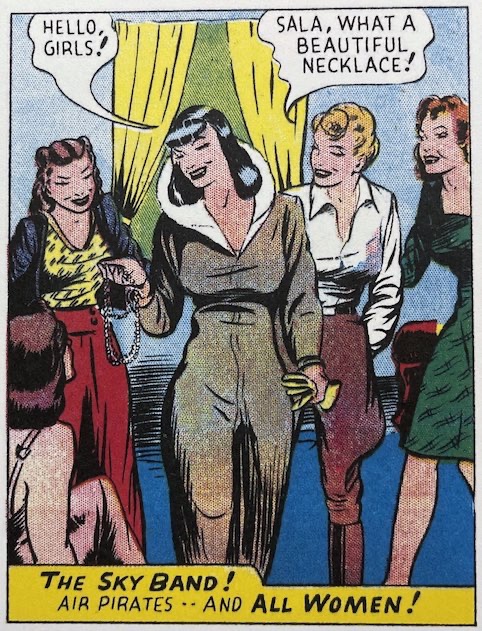
When The Phantom launched a weekly Sunday storyline in 1939, Falk revisited the Sky Band of female pirates he introduced in the dailies earlier. Led by Scala and assisted by Margo, the Band has all of the sexual elements we need: The Phantom repeatedly captured, bound, beaten and saved from certain death by besotted women pirates; villainesses falling and then competing for our hero; female deception, seduction, conniving, etc.

In the world of male pulp adventure, a hero needs to be as steel-willed as they are, if only to combat the wild incongruities of the female stereotype. The pulp villainess is at once slave to her emotion and archly plotting and manipulative.

But let the images speak for themselves. Or try to. I am not sure if Moore was using assistants for the Sunday work, but the style here is wildly uneven, usually wooden and with none of the Raymondesque brushwork and framing we see in the dailies. What we do get is a cornucopia of pubescent fantasy. The legs are long and plentiful, and somehow they manage to walk on sandy shores in stilettos. And the fetishes just keep coming: hair-dragging, cat-fighting, even spanking.

Rightfully, Falk’s Phantom is seen as an historically important transitional figure. His costumed figure and allusions to supernatural abilities bridges the male prowess of Doc Savage, The Shadow and The Spider in pulp adventure to the genuine superhero genre that Superman was soon to engrave on popular culture. But he also brought into the daily newspaper from the adult pulps a surprisingly consistent sexual subtext, if not outright fetishism. For all of the Falk and Moore’s many weaknesses, we can thank them for sexing up the comics page.

Dick Tracy: Conservative Icon

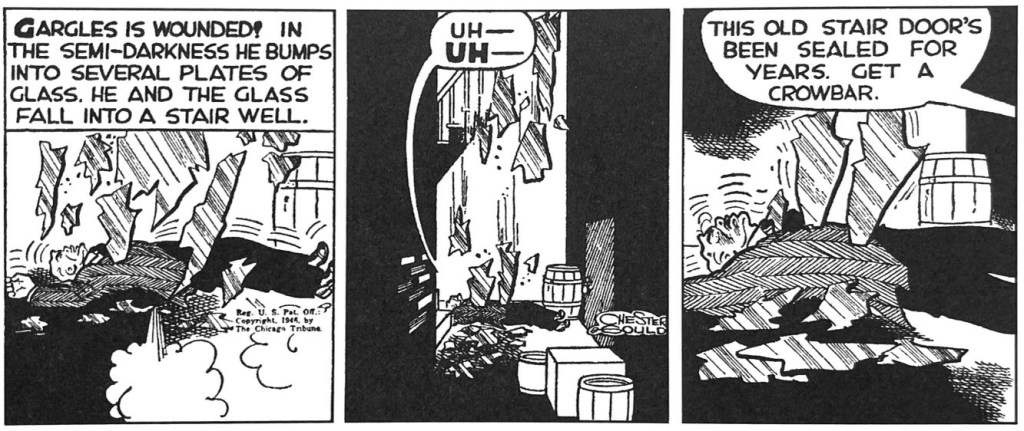
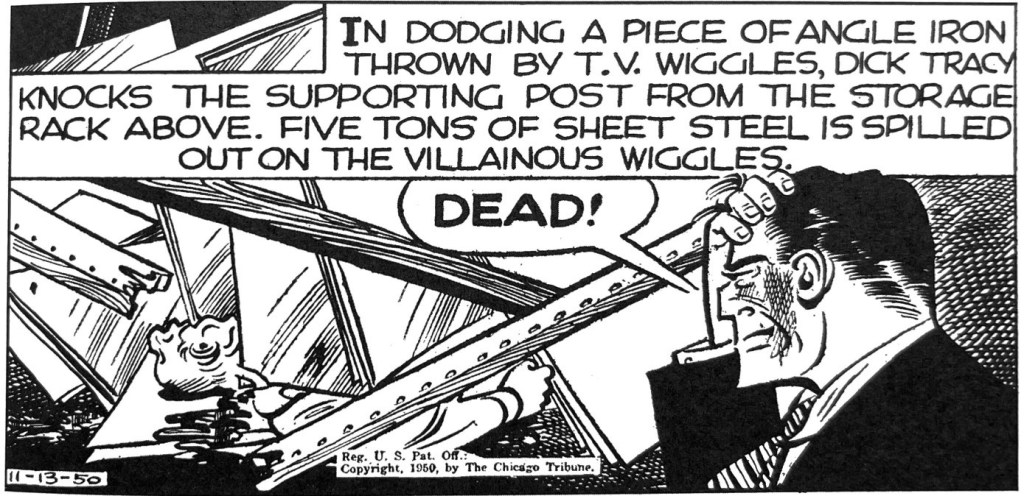
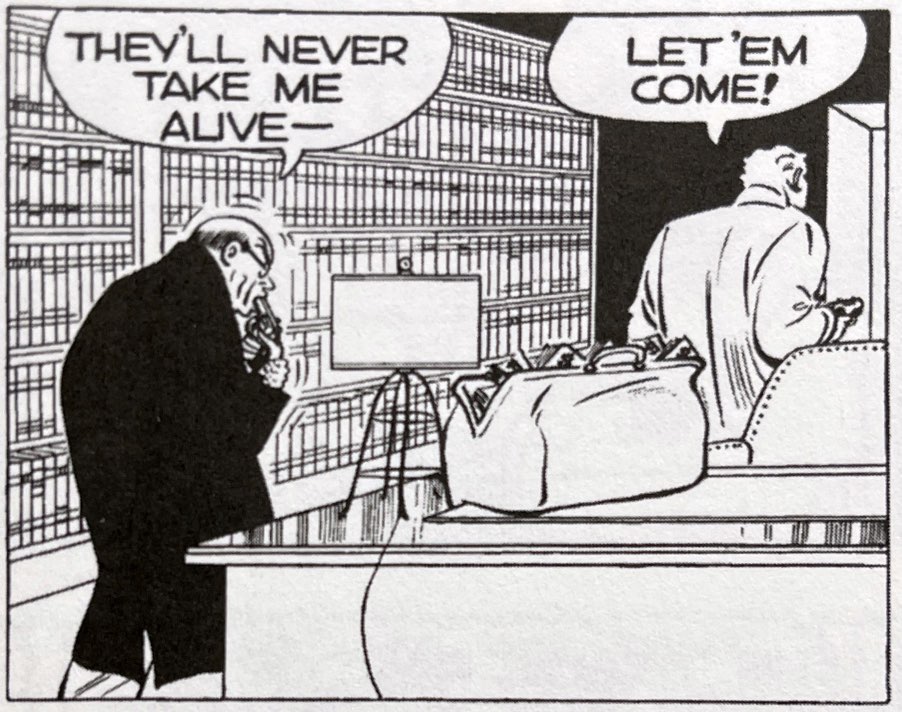
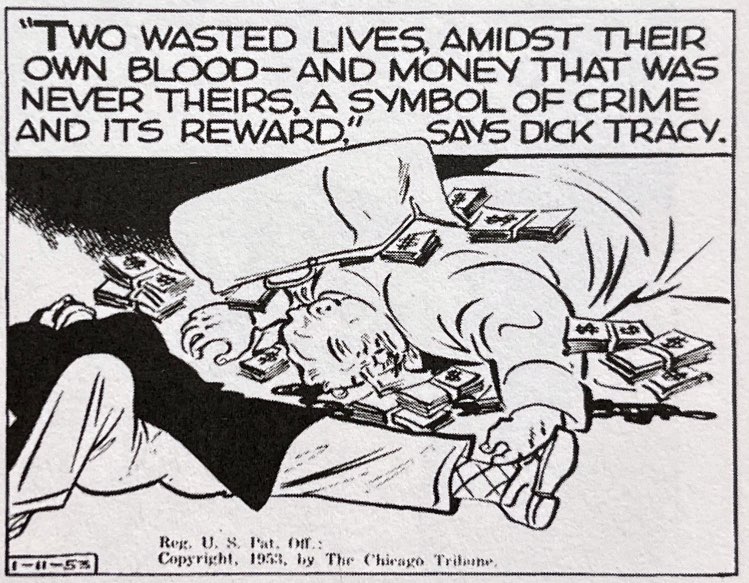
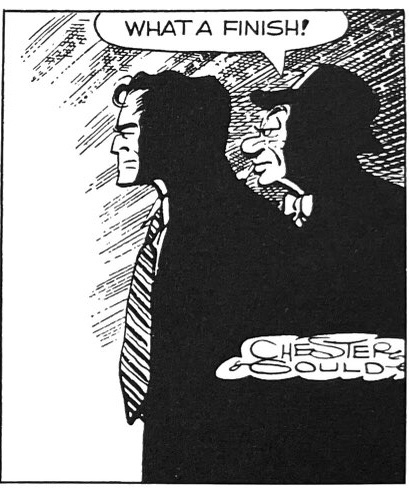
The hawklike nose and chin that stepped right off of Mount Rushmore were Dick Tracy’s visual signature. He was unapologetically a “square” literally inside and out. That rocklike defense of authority and institutions was precisely what Chester Gould intended as a counterpoint to the romanticized gangsterism of late Prohibition. And this impatience with “bleeding hearts” who seemed soft on crime was part of the strip from the start and an honest expression of Gould’s own sensibilities.

Tracy showed little regard for penal reform, rights of the accused or any ambivalence about police authority. Far from an aging curmudgeon, however, Gould’s views were present from the beginning of the strip and formed the center of the Dick Tracy ethos.

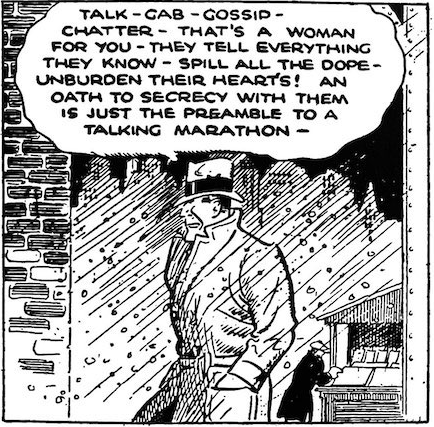
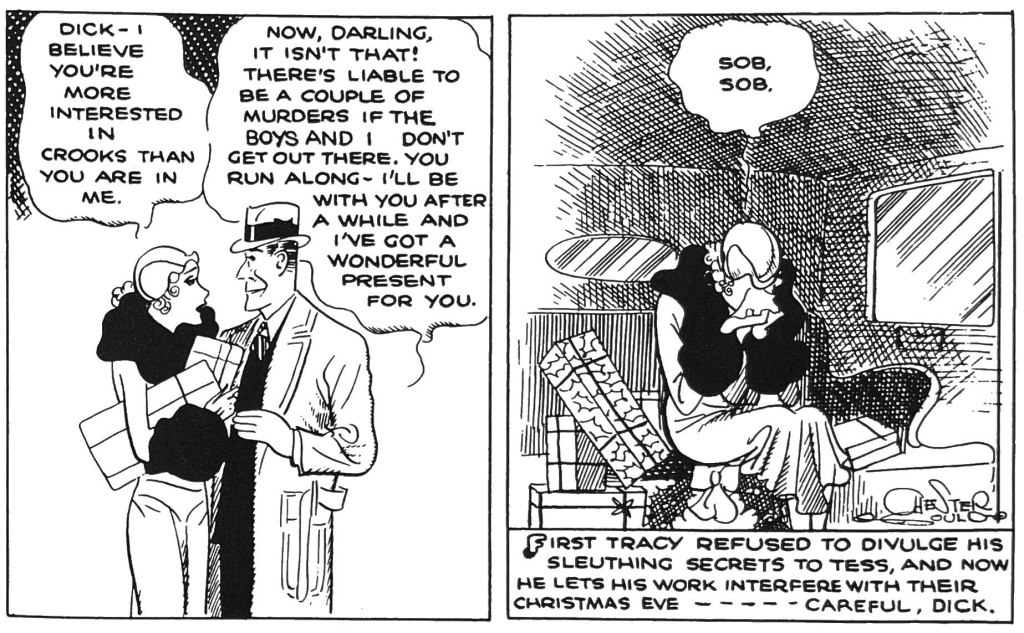
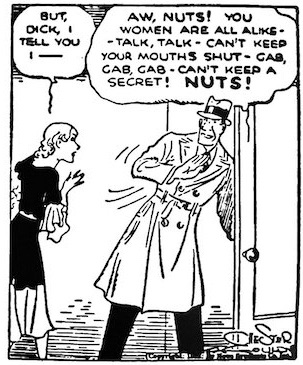
And so it should come as no surprise that from the start Tracy was not exactly a feminist treat. This early passage from the first year of Tracy around 1932 finds Dick being a real dick – mistakenly accusing his fiancé Tess Trueheart of ruining a planned raid on a gangster boss meeting by leaking the plan to friends. It’s a good example of Tracy as buffoon.

By the time Gould retired in the late 1970s Tracy had already become a counter-culture icon of right-wing deference to authority and defense of police at all costs. And this was nothing new. As early as the 1940s, rival cartoonist Al “Li’l Abner” Capp lampooned Tracy’s stoicism, violence and straitlaced devotion to law and order with his recurring Fearless Fosdick character.

Buck Rogers and the Steampunk Future of 1930s America

The hero of Buck Rogers was never Buck himself, really, so much as the future itself. And that was fortunate, because neither writer Phil Nowlan nor lead artist Dick Calkins was competent at the actual craft of the comic strip.

No one ever accused Calkins of artistic dexterity. The overall look of Buck Rogers was wooden, lacking in perspective or proportion, barren of expressiveness or even basic blocking of figures within the panel. Limbs often seemed out of scale with bodies and positioned with the naturalness of a marionette. Moreover, Calkins worked with assistants throughout the original artist’s run who reportedly popped in to do different parts of the strip, including some fetching female figures that were disorienting to a reader accustomed to the strip’s unconvincing art.

Which is to say that the limited range of Calkins’ talent pretty much matched writer Phil Nowlan’s narrow narrative reach. The adventure itself lacked character, suspense, pace or setting.

But enough Buck bashing. I’ll save my rant on Nowlan’s many storytelling and cultural sins for another time. In fact, it is the basic badness of the Buck Rogers comics strip, especially in the 1930s, that makes its chief claim on our attention stand out. While other adventure strips of the day like Little Orphan Annie, Dick Tracy, Popeye, Wash Tubbs and Capt. Easy clearly were about their eponymous protagonists and their villainous antagonists, the only compelling feature of Buck Rogers, 2429 A.D. was the future itself. To their credit, everyone concerned seemed on the same page of what the strip really was about. In the 1940s, Dill Syndicate head John Dill reflected that in the late 1920s he was looking for a strip set centuries in the future “in which theories in the test tubes and the laboratories of the scientists would be garnished up with a bit of imagination and treated as realities.”

And that is precisely where Buck Roger’s 25th Century adventure is compelling and fun, when it projects the technologies and lab experiments of 20s and 30s America into the future. And oddly, this where Nowlan and Calkins two dimensional approach to story and art excelled. The flip side of their shared weakness in depicting human depth or expression was a loving attention to detail when it came to objects without a pulse or soul. They had a catchy way of imagining gadgetry of the future. As I detail below they had a pretty good track record of anticipating technologies that would become commonplace after WWII. Many of them, like TVs, robots, and even rocket ships were either in development in some form or were part of the early science fiction ether where Nowlon got his start.

Adventure comics historian Ron Goulart suggests that Calkins’ technical drawing style was indebted to early sci-fi magazine cover artist and illustrator Frank R. Paul, who appeared often in Amazing Stories and Wonder Stories, the main pulp vehicles for early speculative fiction. The story that caught publisher Dille’s eye was Nowlan’s iteration of Buck as “Anthony Rogers” in “Armageddon – 2419 A.D.” in Amazing Stories Aug. 1928. The evolution of that story into Buck Rogers brought a niche genre into the mainstream and became most Americans’ first exposure to the science fiction genre’s ability to imagine a far future. And today it comes off as a captivating steampunk melange of retro stylings for aspirational technology.

When it came to gadgetry, Calkins showed an appreciation for rendering the details of mechanism, materials and surfaces. His horizontal and vertical hatch work across metal surfaces became a signature of most Buck Rogers technology. But his thick line work and flat perspective leant a cartoonish quality to the machine, a touch of Rube Goldberg’s contraption aesthetic that made this future tech feel more imagined than precise.

Drones

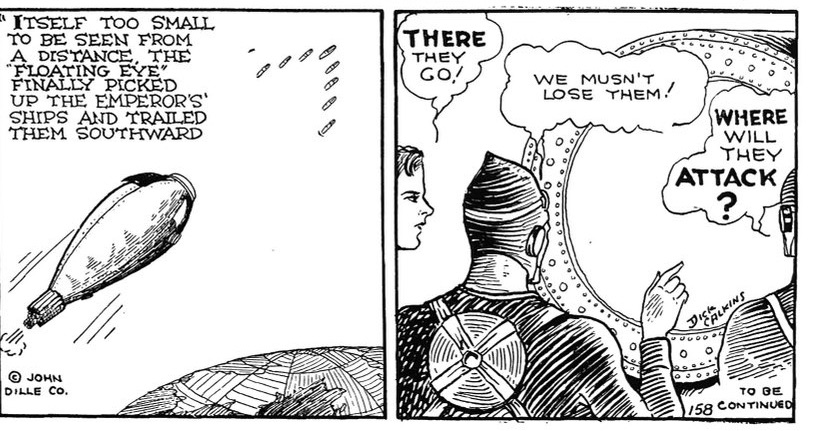
It was not too much of a stretch for 1929 Americans to envision a future where wireless communication, TV tech, flight and visual surveillance would merge. But Nowlan and Calkins were pretty spot on in expecting a drone-like device

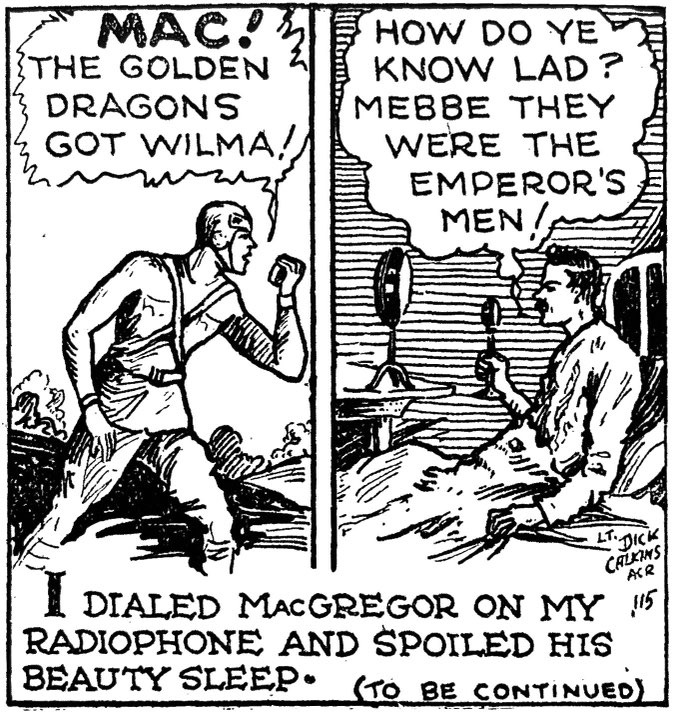
Buck Rogers, Early Brick Phone Adopter

Buck might be rocking a pre-iPhone Nokia hand brick there. Nevertheless, the 2049 (via 1929) “Radiophone” seems to sense how the two chief inventions of the modern world – radio and the phone – were destined to merge.

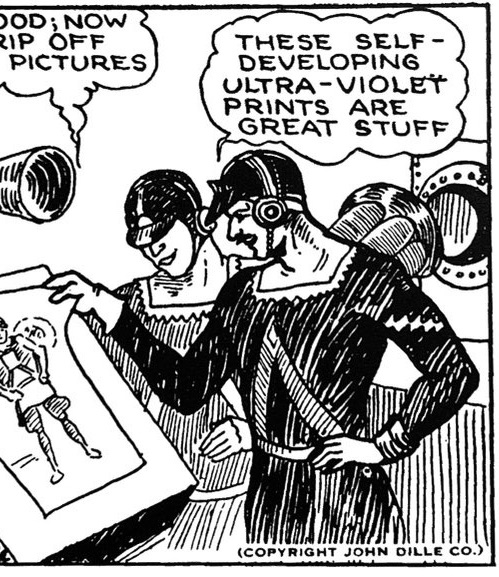
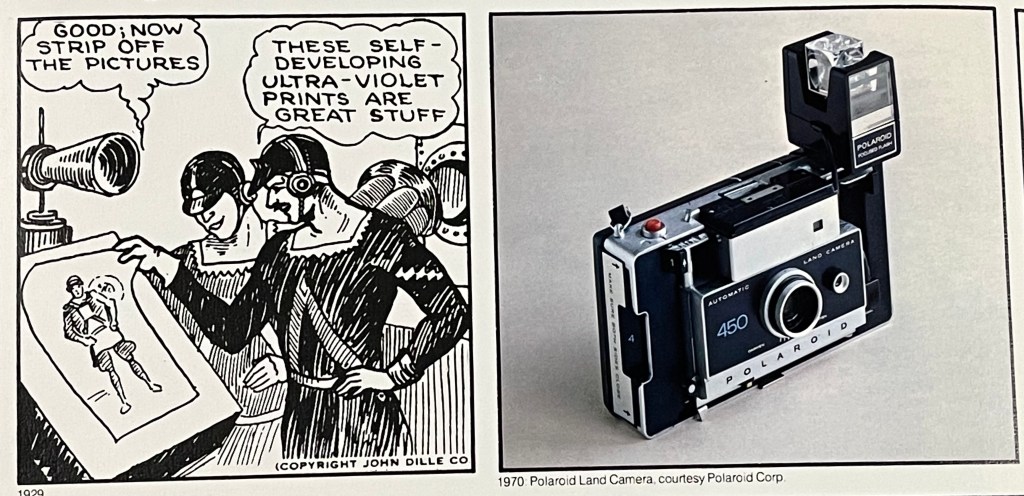
“Self-Developing Ultra-Violet Prints”: Instant Photos

Buck Rogers was especially good at understanding how multiple technologies would complement one another and find new uses over time. Here the vision of high def televisual transmission blends with a self-developing photo process that anticipated the first Land camera in 1948 that introduced consumers to the concept of self-developing photos. The basic idea of instant images, had been developed in more cumbersome formats as early as 1928.

Surveillance Video and TV

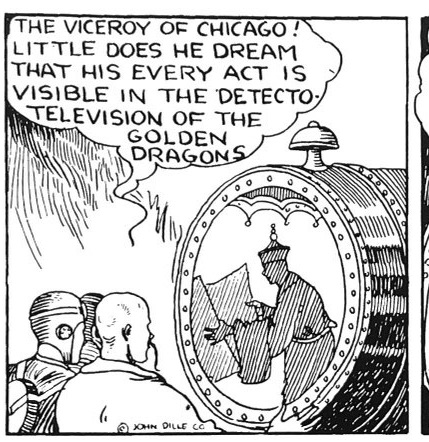
Surveillance via TV technology is a major element of the Buck Rogers future. In this case Detecto Television uses hidden cameras across the Mongol empire to help a rebel faction plot insurrection.

Spyware

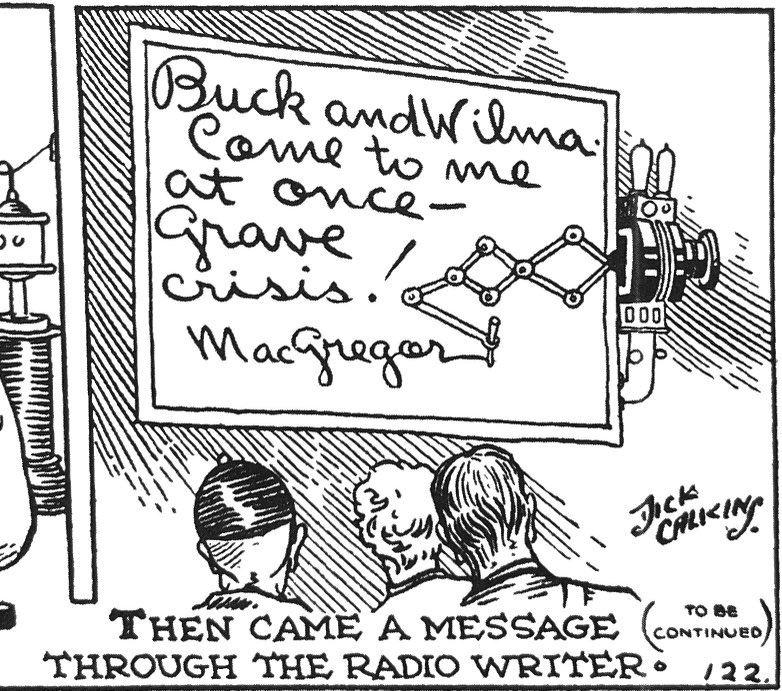
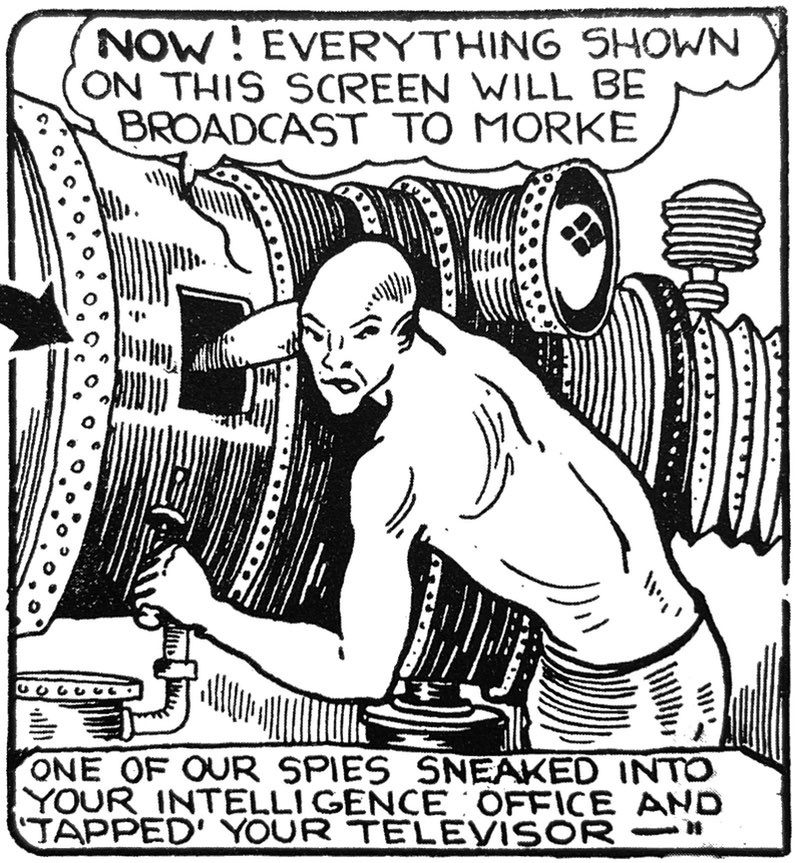
Nowlan seemed to understand that as all technology gained more power through wireless communication they would become subject to hacking and spying. Phone wiretapping was invented in the 1890s and became a common law enforcement tool during the Prohibition era of the 1920s. Nowlan simply projected the basic concept onto the communications mainstay of 2049 – the Televisor.

Steampunk Military Industrial Complex

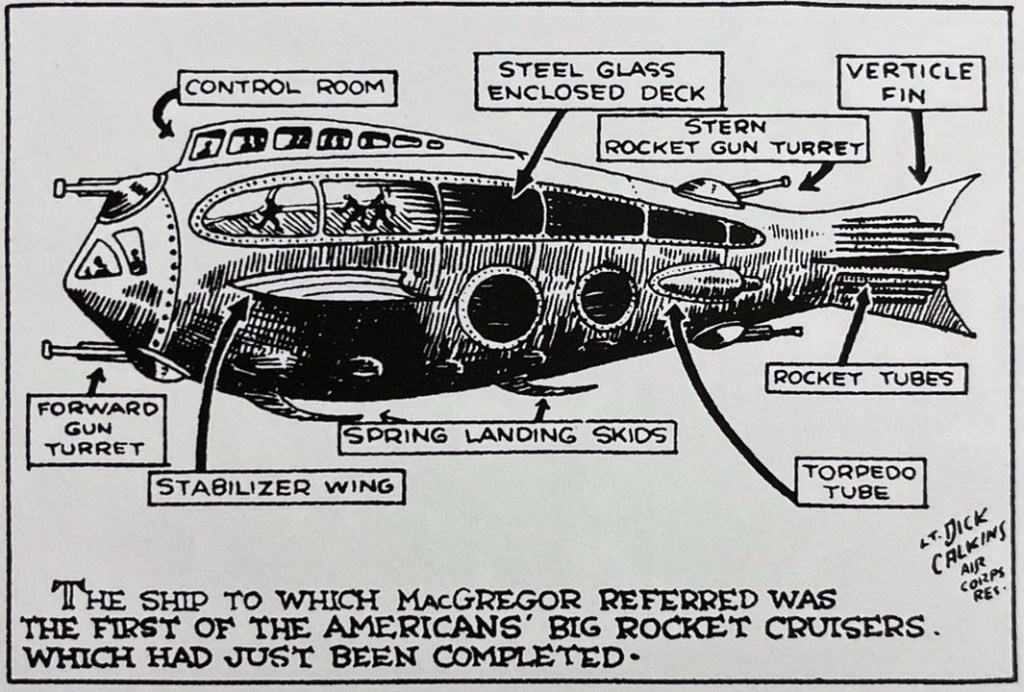
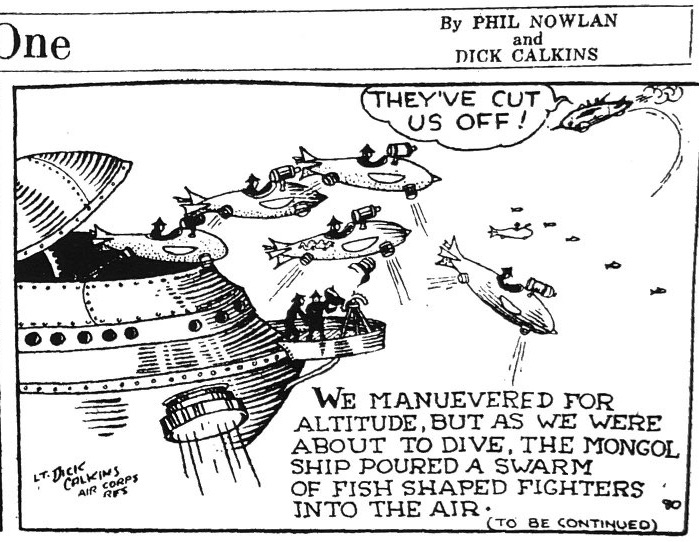
Nowlan and Calkins were most captivating when the former dug into his sci-fi toolbox and the latter married cartoon illustration with futuristic blueprints. They loved to stop the action, blow apart typical panel breakdown and just ogle over the spec sheets of tomorrow. Above, they outline the rebel Americans’ rocket ship cruiser, complete with functional details like “spring landing skids“ that helped us imagine the blueprint brought to life. Nowlan and Calkins’ vision of rocketry seemed effective enough to inform the designs we meet in the movie serial versions of Buck Rogers. Fish-shaped cruisers skidding to a stop on their bellies were a mainstay of the sci-fi serials of the 1930s.

Calkins seemed to take special personal pride in these illustrations, which reflect much greater care and attention to detail than he showed elsewhere. This respect for machinery may have held over from the artist’s WWI experience. He often reverted to signing the strip “Lt. Dick Calkins” and at times adding “Air Corps Res.”

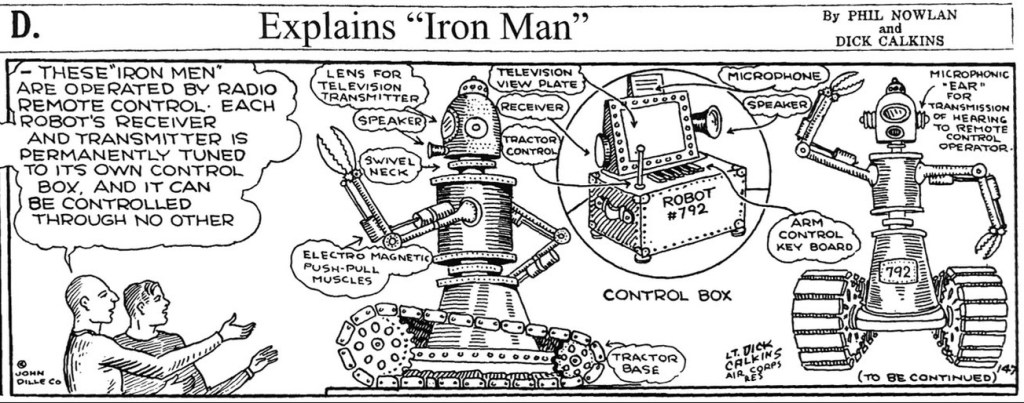
“Iron Man” Origin Story

Perhaps the finest Calkins and Nowlan geek out comes with “Iron Man,” their remote controlled robot soldier. They devote what would have been a three panel progression to a panoramic illustration of the device’s specs and functionality.

Past Tomorrows: Back to the Buck Rogers Future

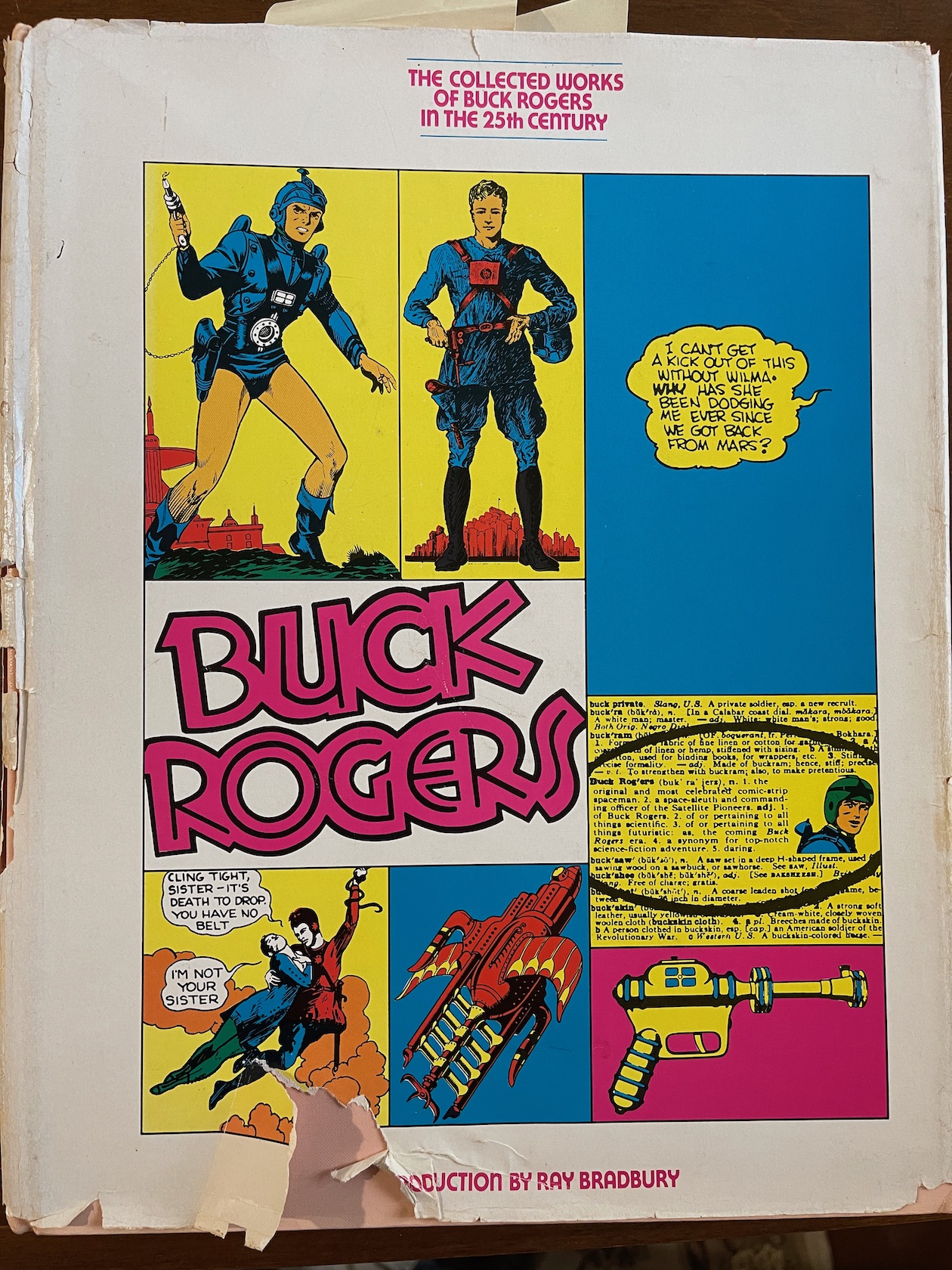
The 1969 moonwalk sparked both a wider interest and new respect for the science-fiction genre and tons of reflection on the ways speculative fiction anticipated contemporary tech. References to our realizing a “Buck Rogers” future flooded the media zone, and Chelsea House published in late ’69 one of the earliest oversized reprints of classic comics, The Collected Works of Buck Rogers in the 25th Century, introduced by Ray Bradbury writing about “Buck Rogers in Apollo Year 1.”

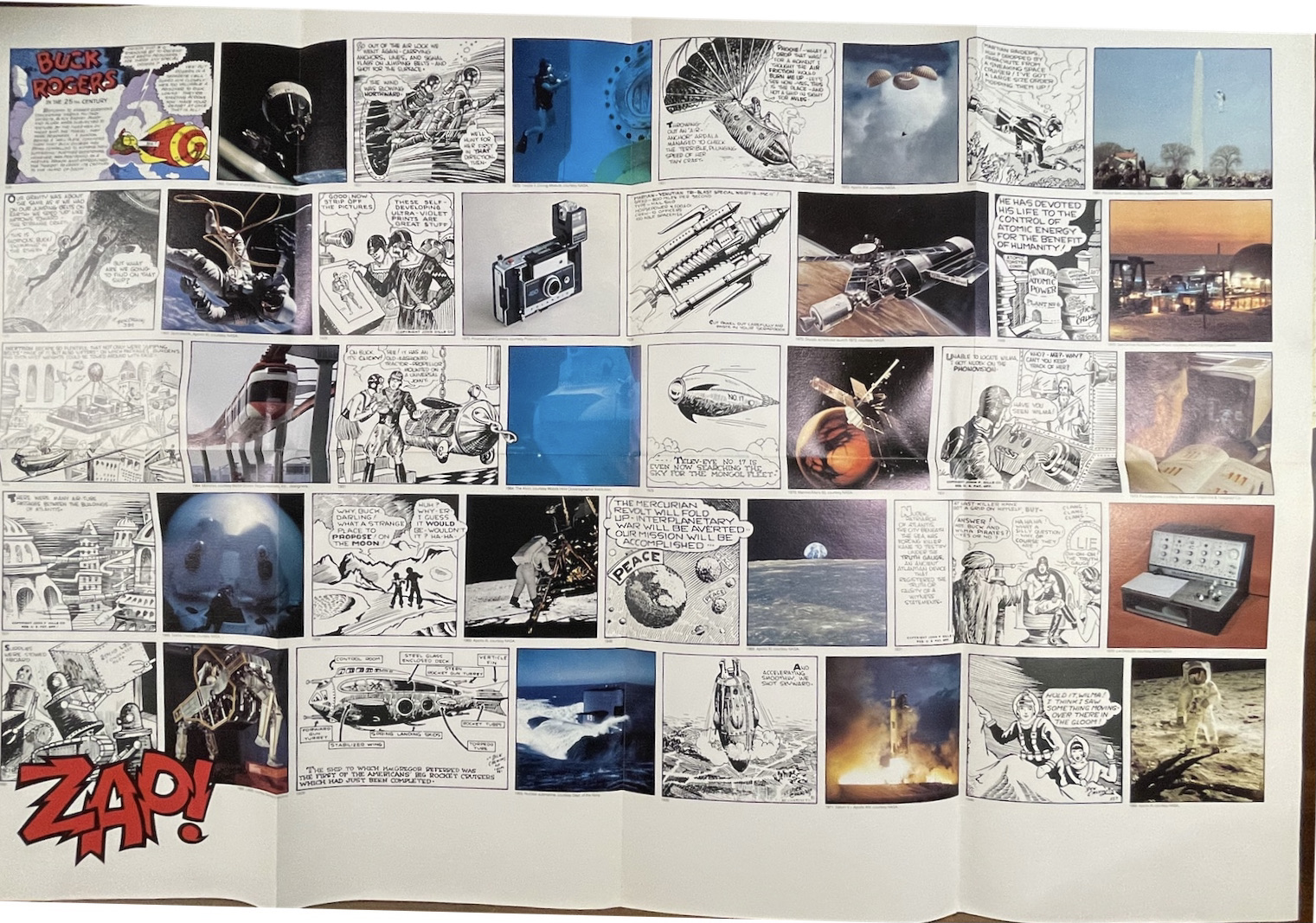
I was age 11 at the time, and had my own fleeting dalliance with sci-fi that drew me to this Chelsea volume at the local library and helped start a much deeper, longer love affair with newspaper comic strips. But an unusual source of comics fandom came into my house at the same time – a trade advertisement for high quality paper stock from the Warren Paper company. Some background. My father was a commercial artist with his own small ad agency in Northern New Jersey. We received at the home office a ton of trade magazines and ads. The S.D. Warren Paper Company promotions were far and away the smartest, most alluring trade marketing I have seen, then or since. To demo the print effect of their premium paper stocks, they created these lush, deeply researched pieces of content marketing that dug into topics like magic or the history of the circus, etc. I recently came upon the one Warren promote that remains etched in my memory – the 1970 celebration of how the Buck Rogers strip imagined accurately the gadgetry and transformative technology of the future.

The one-piece fold-out opened first onto that gorgeous splash above, with the classic Dick Calkins portrait of Buck in mid battle. These are the kinds of magnified newspaper comics images that helped the 12-year-old me into a love of the form. The line art of Calkns, Chester Gould, Will Eisner are among the first classic artists to captivate me. The art style of Buck Rogers felt at once primitive and technical. Calkins did not have a strong of perspective or even anatomy. Most of his figure positions look stiff rather than dynamic. And yet he brought to ray guns and flying ships a dreamy precision that made them live, perhaps even more than his humans.
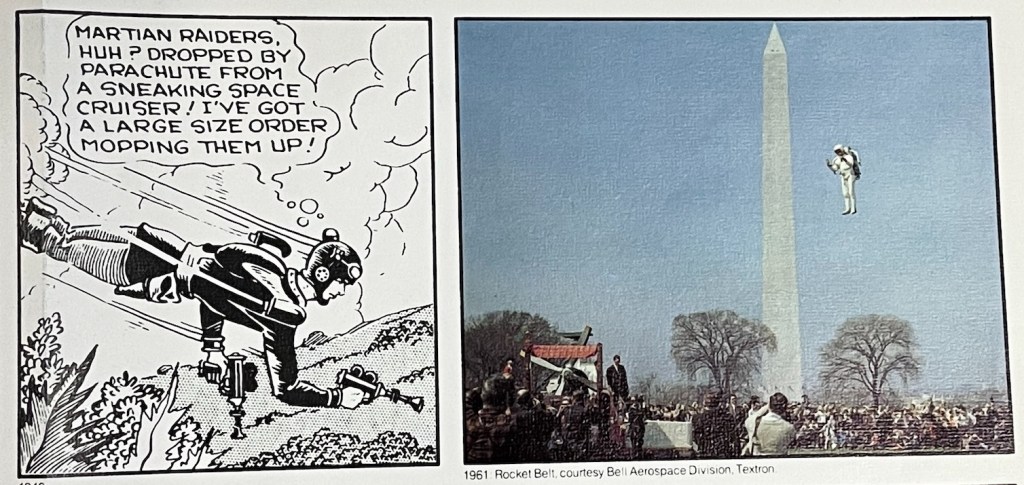
The Warren promo folds out above to a panorama of comparing old Rogers panels to modern innovations like instant cameras, jet packs, surveillance satellites, monorails and more.

This wonderful look back to how the past imagined its future was all in the service of showing off S.D. Warren’s “Lustro Offset Enamel” paper stock, a product name that itself sounded a bit like a cartoon invention. Still, you can’t argue with a content marketing campaign so well done that an 11-year-old remembers it fondly 50 years later.

Just Kids – A Bridge to Peanuts

The suburban kid gang strip Just Kids by August Daniel “Ad” Carter ran 1923-1956, initially as a knock-off of Gene Byrnes’ Reg’lar Fellers. But it evolved into a more contemplative, nuanced projection of adult sensibilities into child characters that anticipated Charles Schulz’s Peanuts. Preceded by earlier iterations, Our Friend Mush, Mush Stebbins, and Just Kids in the teens, it was picked up by Hearst in the 1920s and it remained a bit of a beloved back bencher through much of its run.

Continue reading