After the fast success of Tailspin Tommy in 1928 from the Bell Syndicate, the John F. Dille company responded with Skyroads about five months after the syndicate introduced Buck Rogers. The otherwise forgettable strip is perhaps most notable as a stable for artists on more important projects.
“Boy!! That’s the life for me. Gosh…” The first of the major aviation-themed strips, Tailspin Tommy (1928-1942) embodied many of the essential qualities of the genre. From its start, the strip had an infectious, boyish wonder…about the air, about technology, about modern progress itself. Like most in the category, it was drawn by a pilot and flying enthusiast (Hal Forrest) in a rough style that fetishized planes and flight images yet fell flat in depicting characters and earthbound life.
Frank Godwin’s 1927-1941 adventure strip Connie should have been among the standout strips of its day on a number of counts. While its launch as a Sunday light-hearted take on the modern working gal (a la Tillie the Toiler, Ella Cinders), its extension to a daily in 1929 turned the lithe and stylish Connie Kurridge (yes, “Kurridge”) into one of the first comic strip adventuress. While others consider her the pioneering female adventure character, it seems to me Harold Grey’s Little Orphan Anniehad already been working this genre since 1924. Still, Connie was the first woman in strips to take on the typical tropes of pulp drama – globe-hopping, eccentric villainy, world-shattering consequences. She employed a combination of savvy, courage, physical daring and comely attraction to both overcome and disarm her antagonists. And the scene-shifting was impressive. In the first years of the strip she moves from being an aviator to reporter to charity worker and eventually in the 1930s as a white defender against the “Yellow Combine” when she time travels to 2349 AD.
Nearly 90 years ago yesterday Jan. 22 1934, the collaboration between Dashiell Hammett and Alex Raymond launched as Secret Agent X-9. Designed to respond to Dick Tracy’s massive success with the literary cachet of Hammett and the rising talent of Raymond, X-9 looked better on paper perhaps than it did, well, on the actual page. The famous innovator of the hard-boiled style was at the tail end of his productive output and clearly did not give his best effort. After crafting just a few very uneven scenarios, Dash got canned.
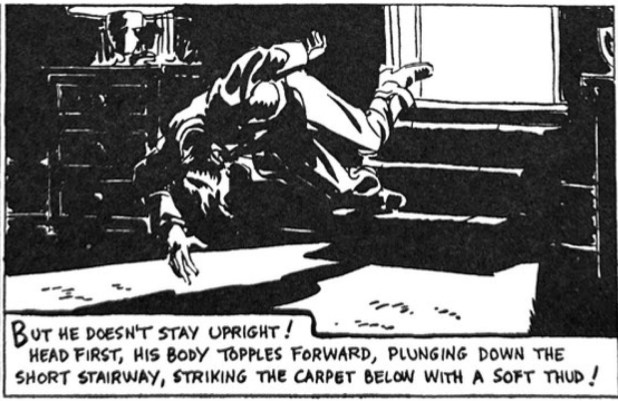
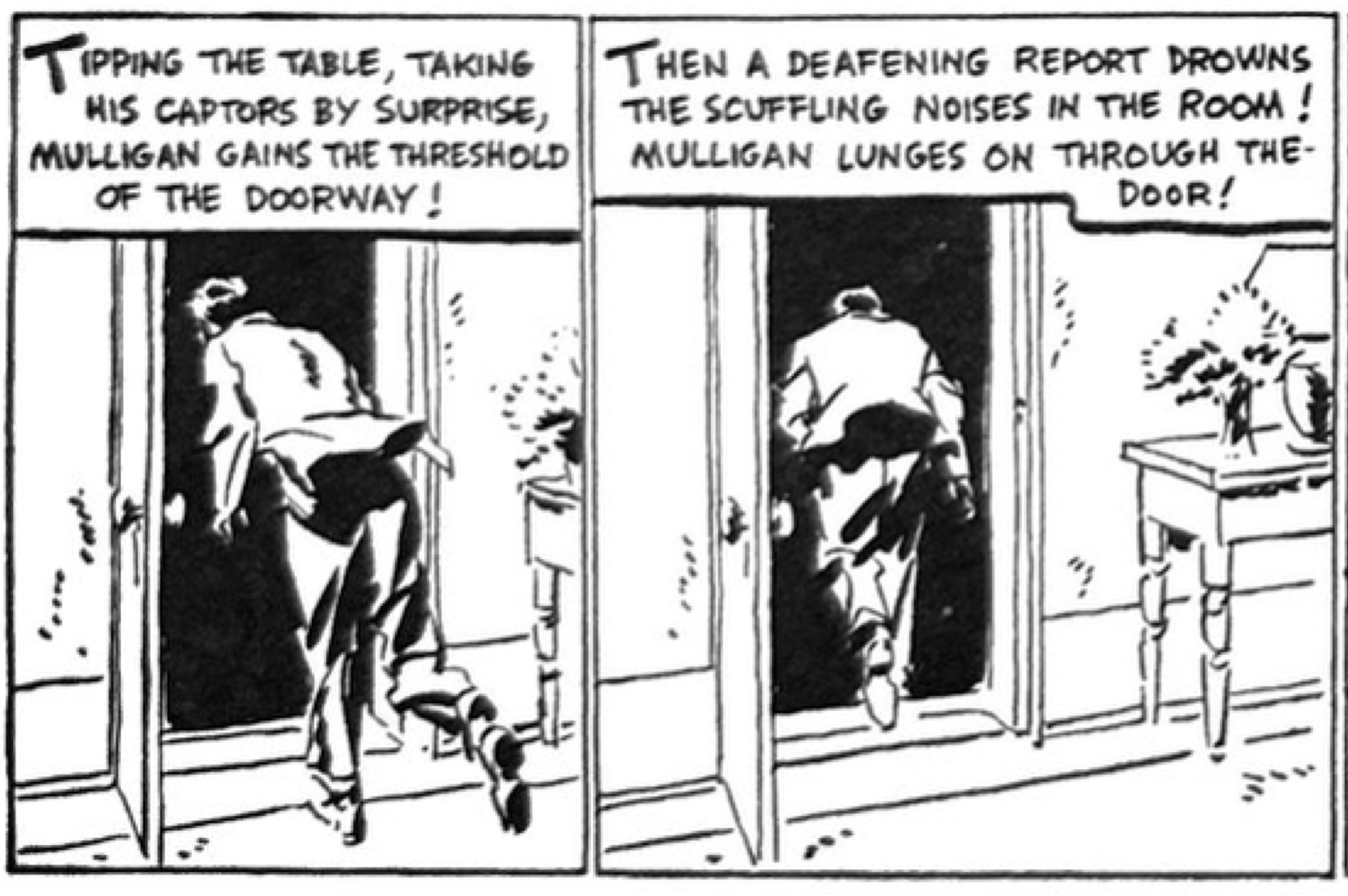
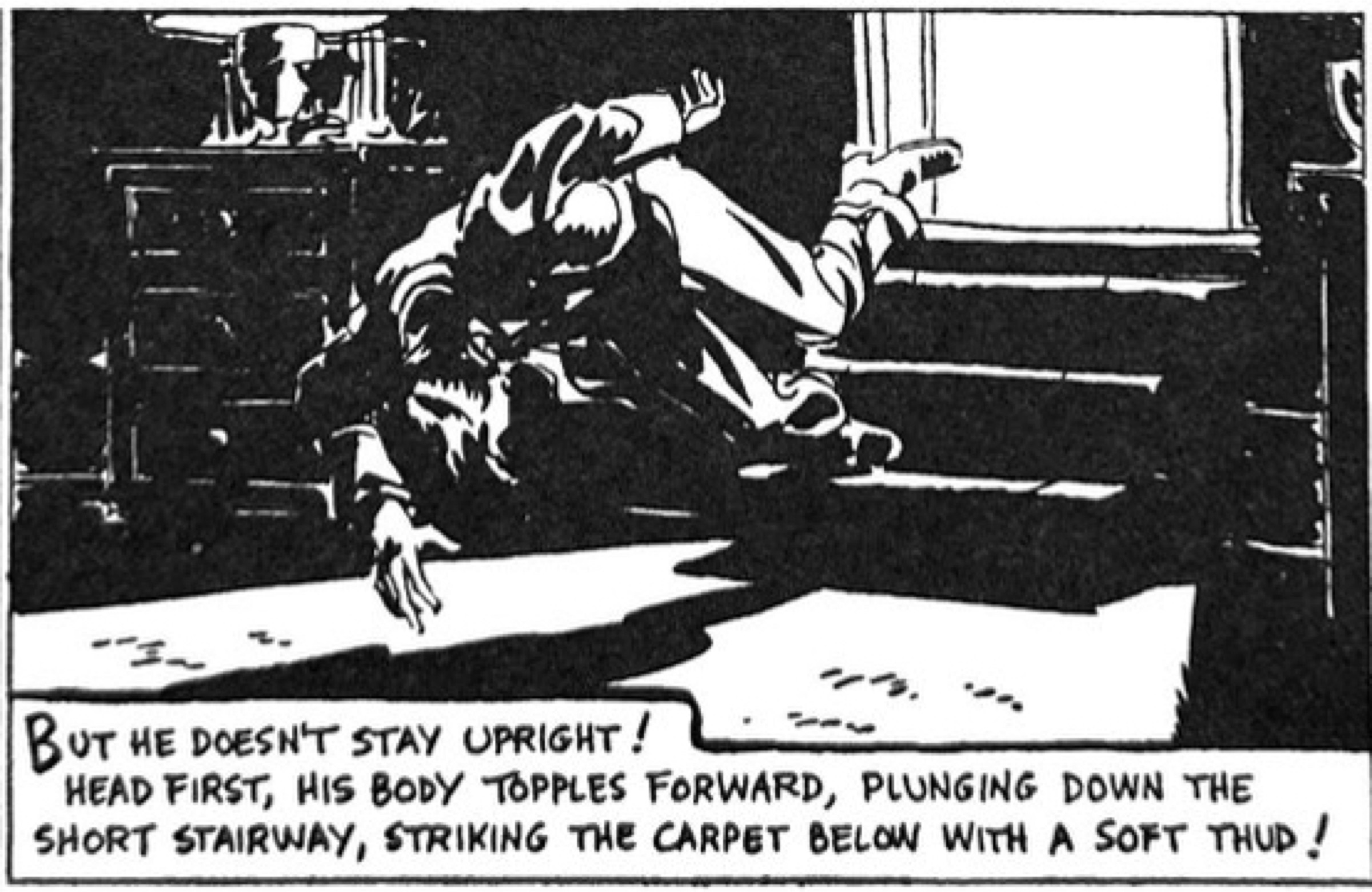
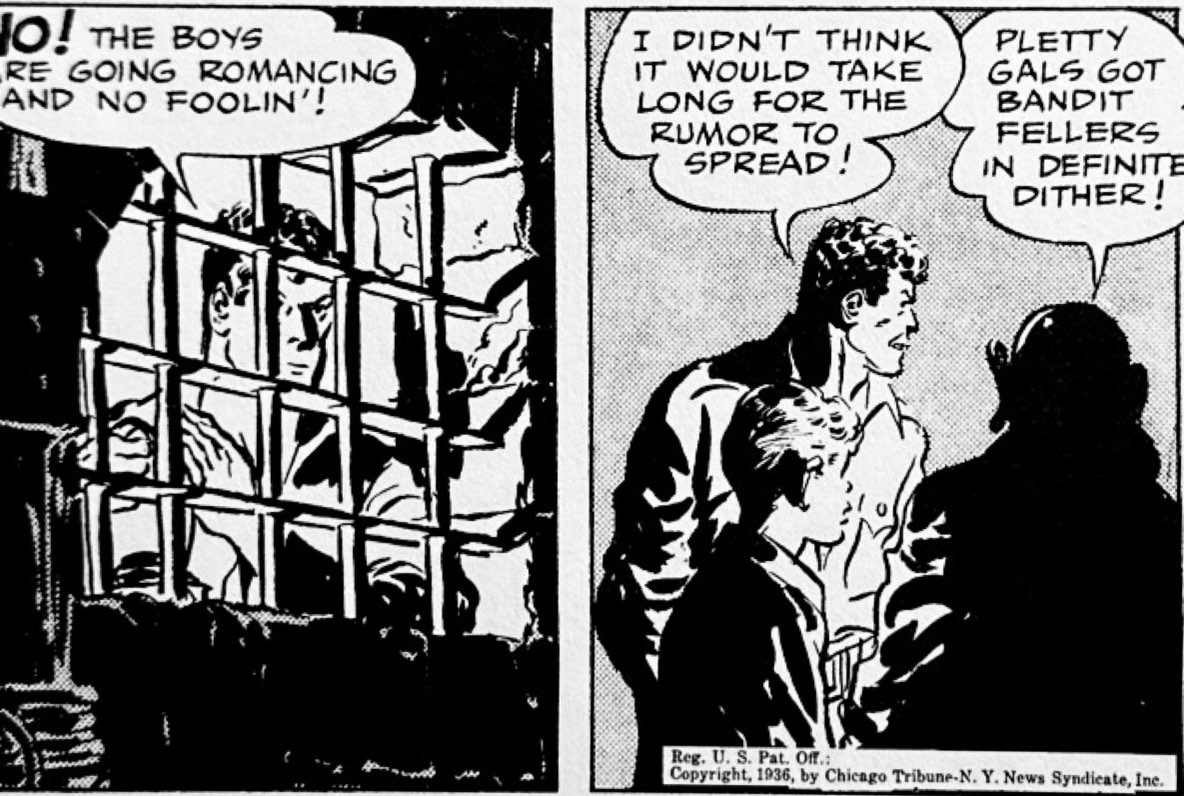
I admit to coming late to appreciating Noel Sickles’ artistic prowess and influence. Several years ago I found an affordable but beaten copy of the LOAC volume on the artist and his short, legendary stint on the Scorchy Smith strip in the mid 1930s, though I barely cracked it at the time. Sickles is best recalled by comics historians as Milton Caniff’s friend, studio-mate and collaborator who introduced the more famous artist to the chiaroscuro style that came to define Terry and the Pirates and Steve Canyon. Sickles himself spent but a few years leading his own strip before moving on to a lucrative career in commercial art, magazine and book cover illustration.
Now that I have dug into the LOAC Scorchy Smith reprint, with deft commentary/background from Jim Steranko and Bruce Canwell, I am gobsmacked by how thoughtful a talent he was. Moreover, his trail of influence reaches far beyond Caniff.
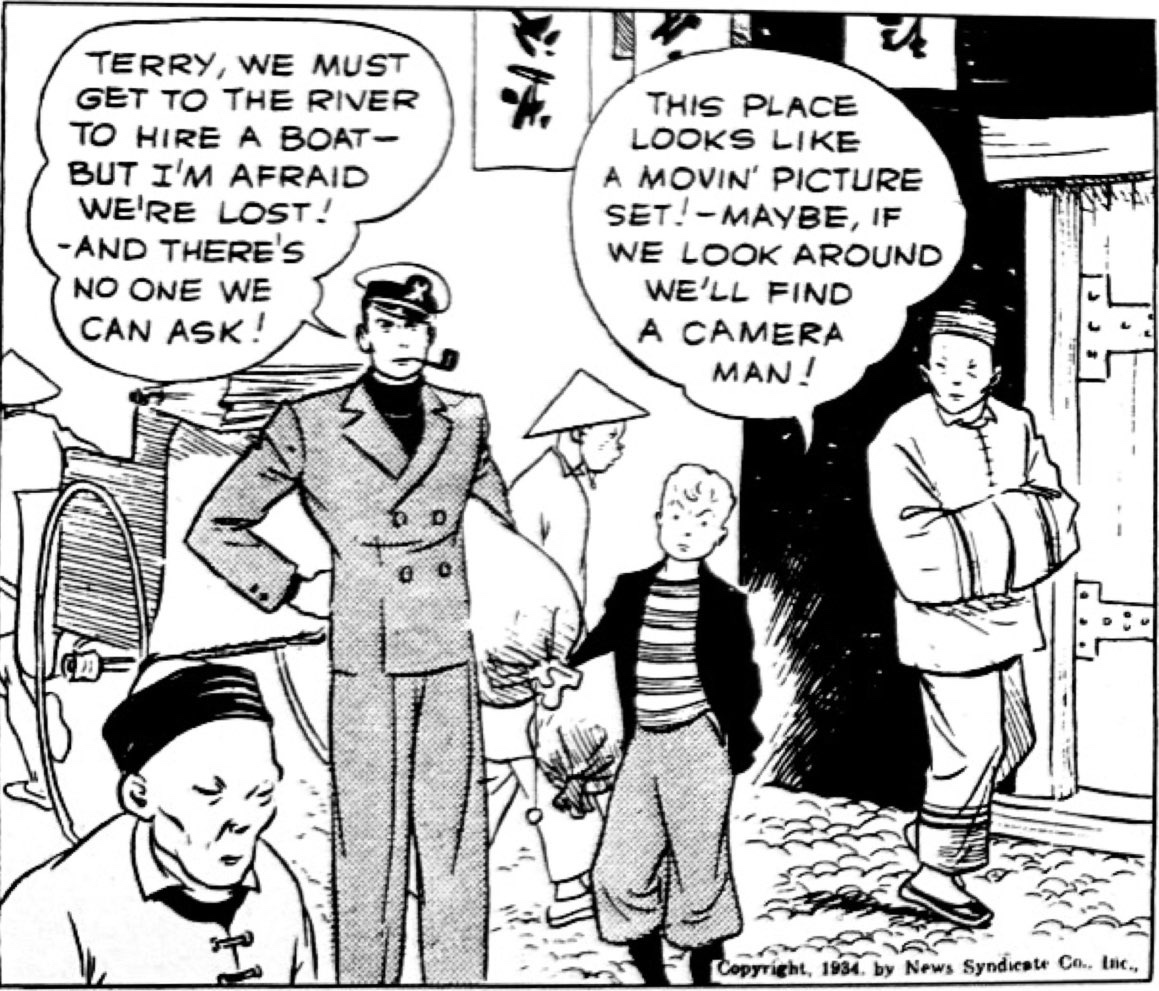
There are many reasons to celebrate and treasure this year’s most lavish reprint project. More than a decade after its inaugural Terry and the Pirates reprinting, the Library of American Comics revisits the pioneering adventure strip in a planned 13 volume, 11×14 format and using much better source material. This is the clearest look we have ever had at Milton Caniff’s masterpiece. But the best part of the project is the regular, compressed calendar on which LOAC is releasing quarterly volumes.
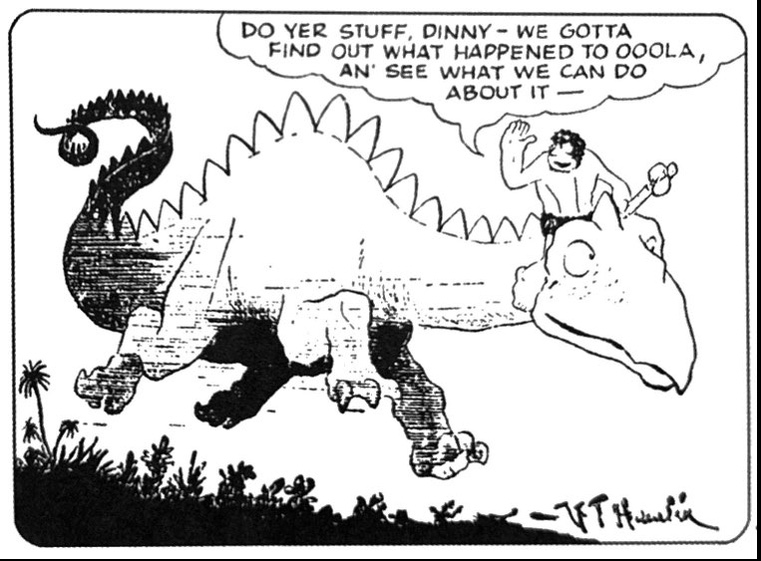
V.T. Hamlin’s caveman epic Alley Oop has been reprinted in several formats before, but Chris Aruffo and his Acoustic Learning Press have exceeded predecessors in several respects. First, the series reprints in parallel the two major eras and artists of the run, V.T. Hamlin’s original and most creative storylines of the 1930s as well as Dave Graue’s wildly imaginative takes on the Oop world in the 1970s. Even better, these dailies are being released in a regular quarterly cadence and at a very affordable price. Finally, these are the cleanest versions of Alley Oop I have seen. Hamlin’s fine line and unique visual style really pop here. Acoustic has also picked up the Sunday reprint series dropped by Dark Horse years ago. And coming in 2023, the reprint series will leap into the 1950s, promising event larger renderings. Hats off to Aruffo for this ambitious and disciplined publishing project. I don’t know if he is profiting at all from all of this, but I certainly hope so. He is doing God’s work.


 Panels & Prose