Nearly 90 years ago yesterday Jan. 22 1934, the collaboration between Dashiell Hammett and Alex Raymond launched as Secret Agent X-9. Designed to respond to Dick Tracy’s massive success with the literary cachet of Hammett and the rising talent of Raymond, X-9 looked better on paper perhaps than it did, well, on the actual page. The famous innovator of the hard-boiled style was at the tail end of his productive output and clearly did not give his best effort. After crafting just a few very uneven scenarios, Dash got canned.
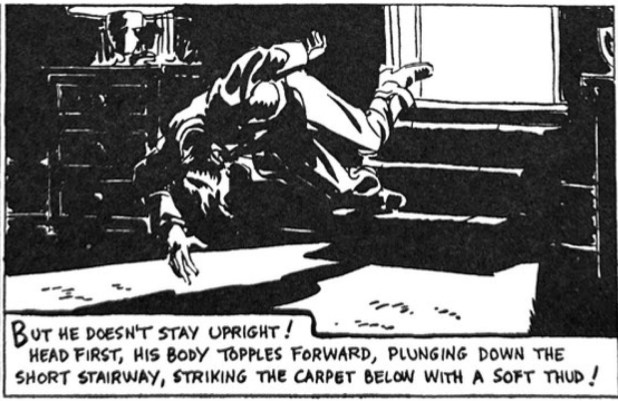
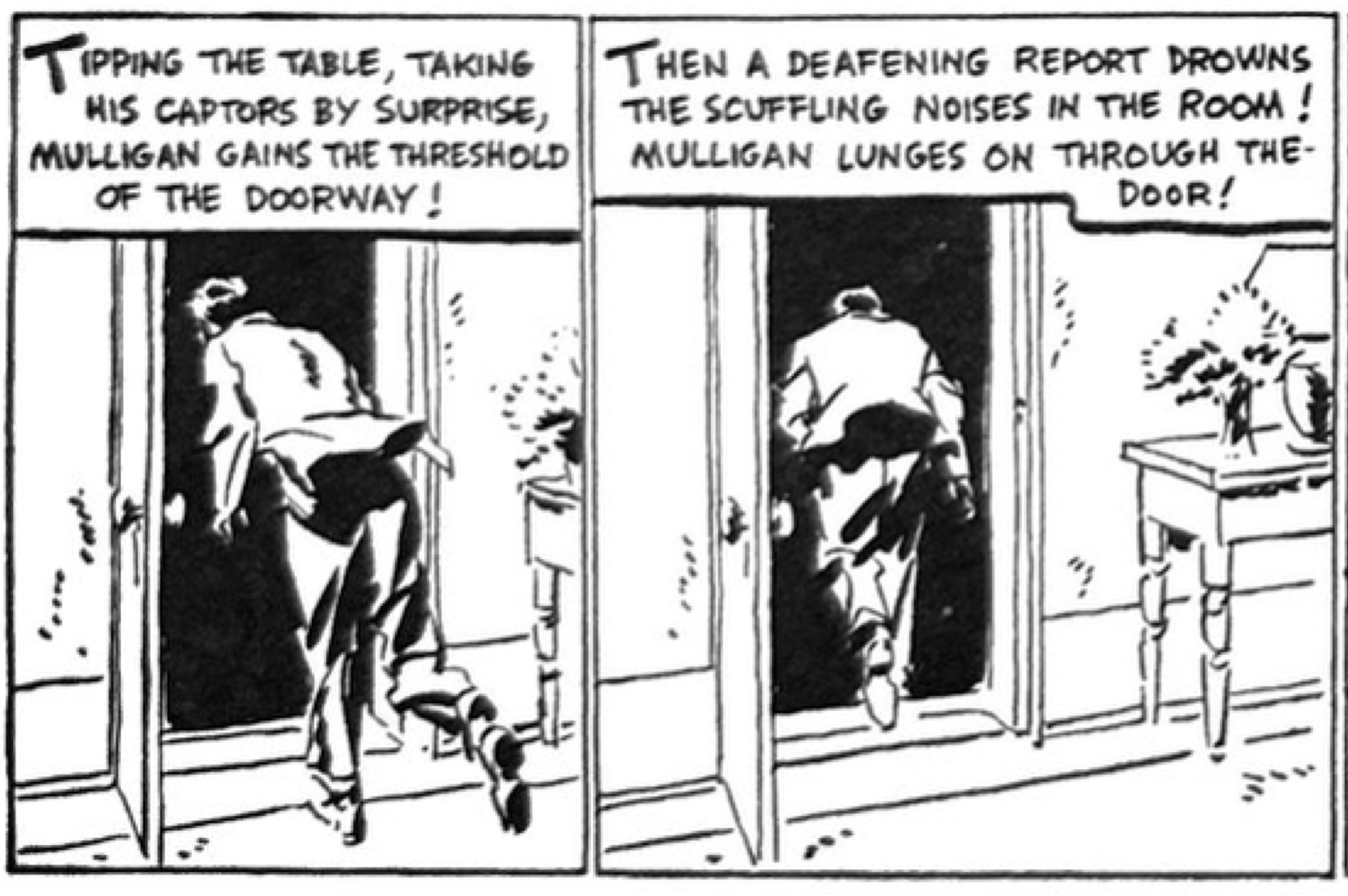
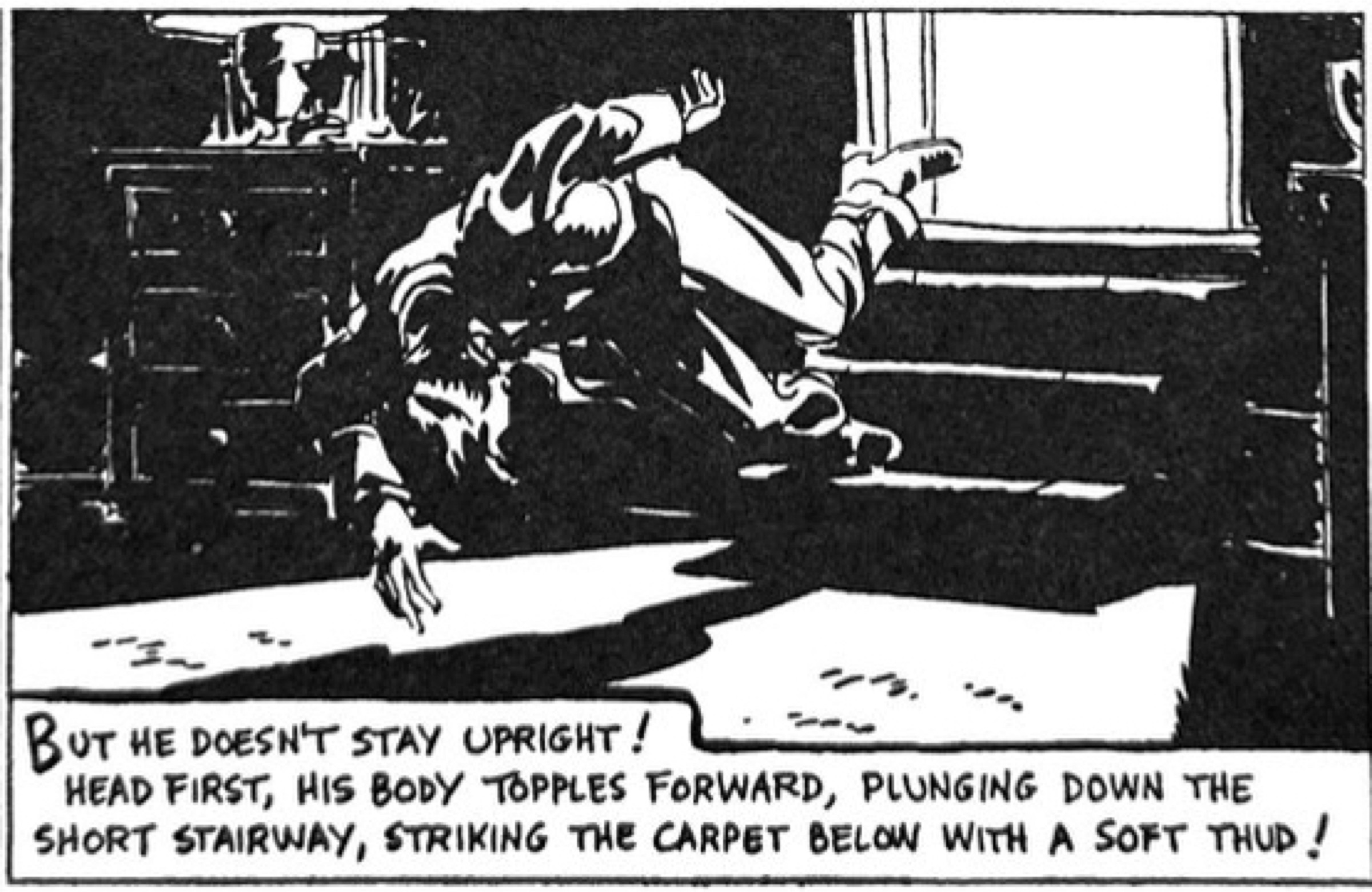
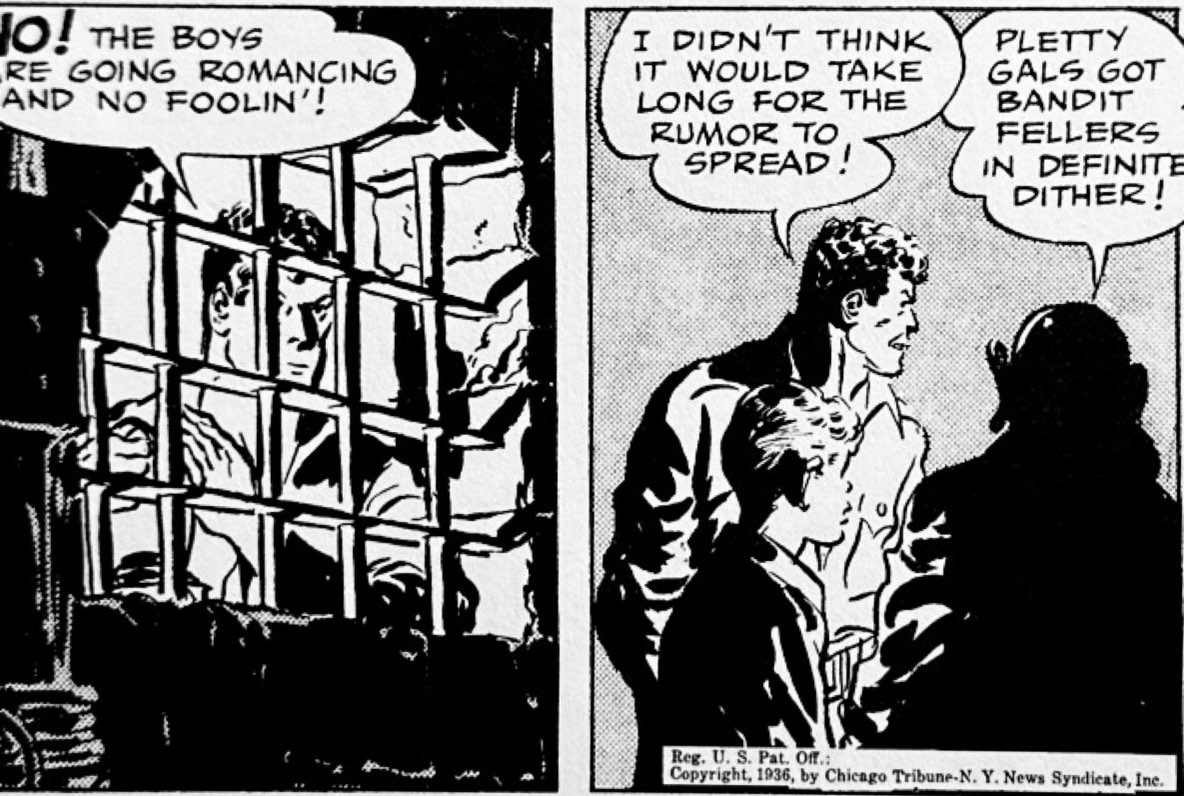
I admit to coming late to appreciating Noel Sickles’ artistic prowess and influence. Several years ago I found an affordable but beaten copy of the LOAC volume on the artist and his short, legendary stint on the Scorchy Smith strip in the mid 1930s, though I barely cracked it at the time. Sickles is best recalled by comics historians as Milton Caniff’s friend, studio-mate and collaborator who introduced the more famous artist to the chiaroscuro style that came to define Terry and the Pirates and Steve Canyon. Sickles himself spent but a few years leading his own strip before moving on to a lucrative career in commercial art, magazine and book cover illustration.
Now that I have dug into the LOAC Scorchy Smith reprint, with deft commentary/background from Jim Steranko and Bruce Canwell, I am gobsmacked by how thoughtful a talent he was. Moreover, his trail of influence reaches far beyond Caniff.
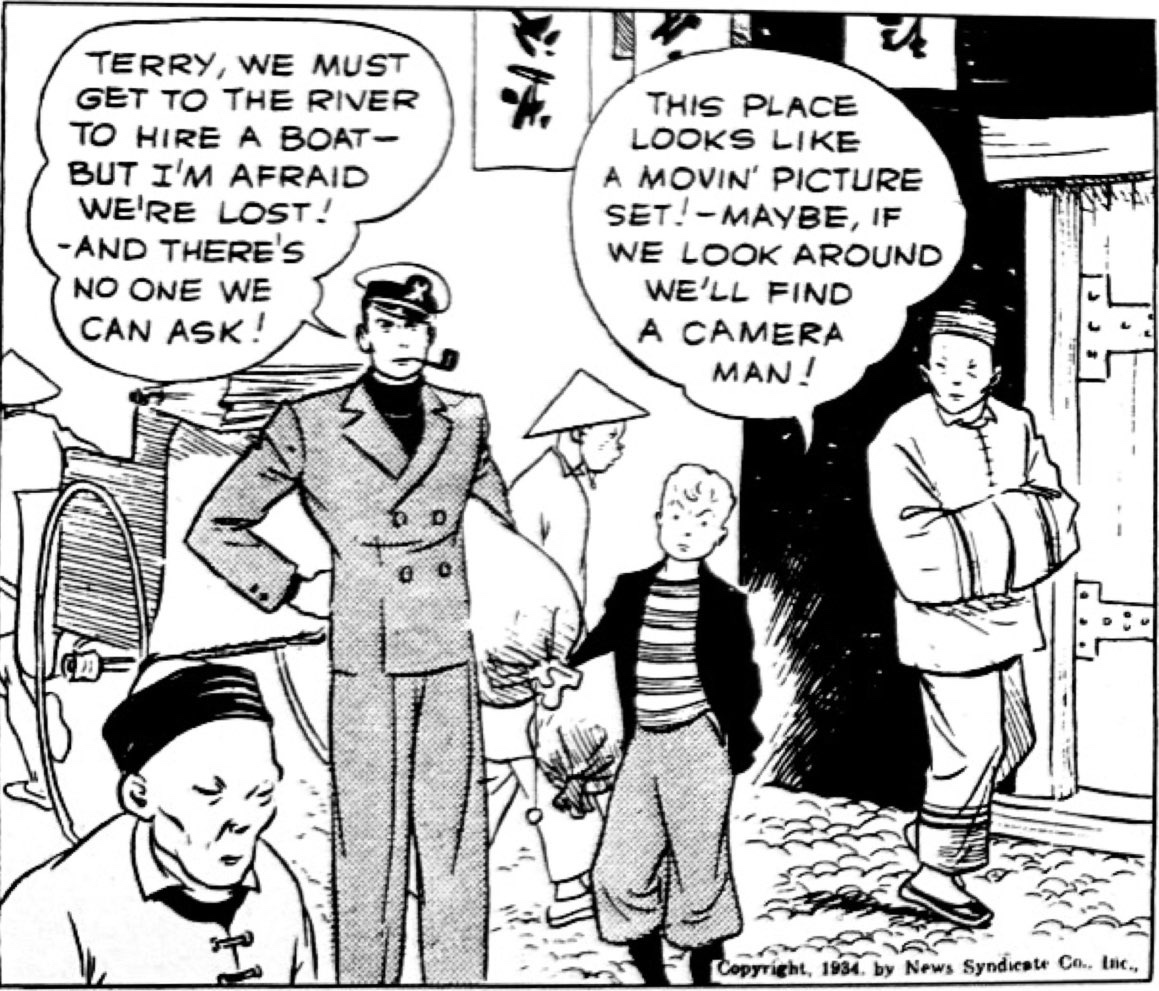
There are many reasons to celebrate and treasure this year’s most lavish reprint project. More than a decade after its inaugural Terry and the Pirates reprinting, the Library of American Comics revisits the pioneering adventure strip in a planned 13 volume, 11×14 format and using much better source material. This is the clearest look we have ever had at Milton Caniff’s masterpiece. But the best part of the project is the regular, compressed calendar on which LOAC is releasing quarterly volumes.
Lance (1955-60) was Warren Tufts’ masterful exploration of mid-19th Century American expansion, and it remains among the most breathtaking uses of the newspaper comics medium in its history. Tufts, who had previously fictionalized the Gold Rush in his wonderful Casey Ruggles (1949-55), was a self-taught savant of realistic illustration and frontier history. Lance embodies some of the signature qualities of the American newspaper strip. Visually, and much like Winsor McCay, Cliff Sterrett, Frank King, Hal Foster and Alex Raymond before him, and scouted new ways of using the full-page Sunday format and especially color to evoke emotions and a sense of place. And like Chester Gould’s Dick Tracy, Percy Crosby’s Skippy and Harold Gray’s Little Orphan Annie, Tufts’ rendered a highly personal, idiosyncratic and often weird vision of America and humanity. Lance demonstrates how such individual and offbeat perspectives were still possible in the comic strip format, and could make this medium much different from other modern mass media that had become corporatized and collaborative.
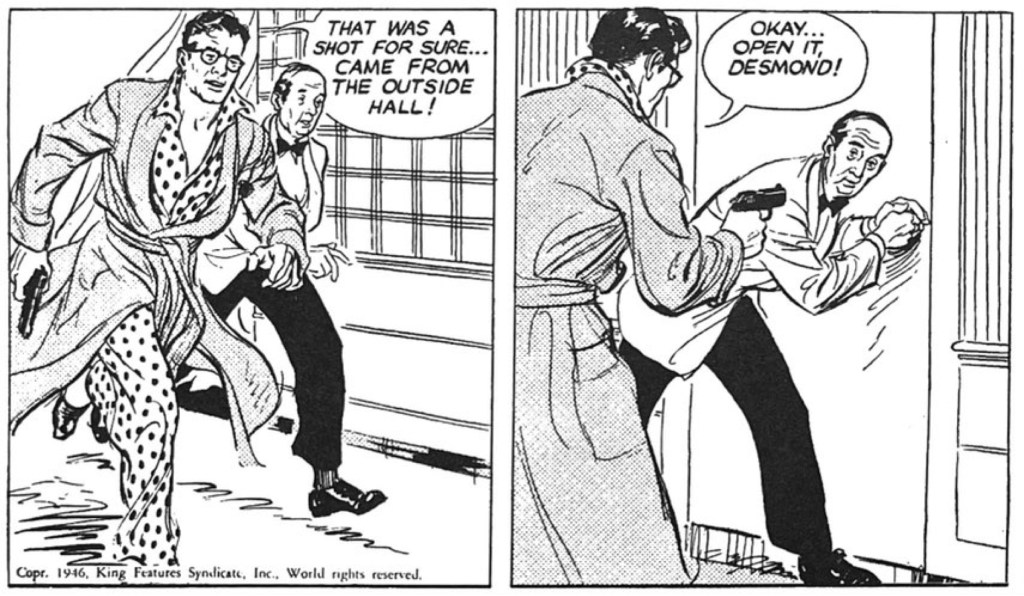
In the first days of Alex “Flash Gordon” Raymond’s post-WWII detective adventure Rip Kirby, it was clear the master was going to redefine the look of comic strip adventure. Day two of the March 1946 launch story speaks volumes about the influence Raymond was going to have on a decade of 50’s adventure style. The panel progression here is so engaging. The first two panels are energized so that you can almost feel the weight of the murder victim slump into Kirby’s arms and instantly change valence of the scene. And that final close up communicates the deadly reality of the situation by bringing us right into the complex reaction to beauty and death. The photo-realism is here, as is the increasing influence of cinematic points of view, timing, and close-ups. And arguably, the next decade would also see in comic strip adventure a turn inwards, toward psychological realism, the emotional lives of characters, that accompanied the more photographic style of the art. All of these elements would be deployed in different ways by Stan Drake in the Heart of Juliet Jones, Leonard Starr in On Stage, Warren Tufts in Casey Ruggles and Lance and John Cullen Murphy in Big Ben Bolt.
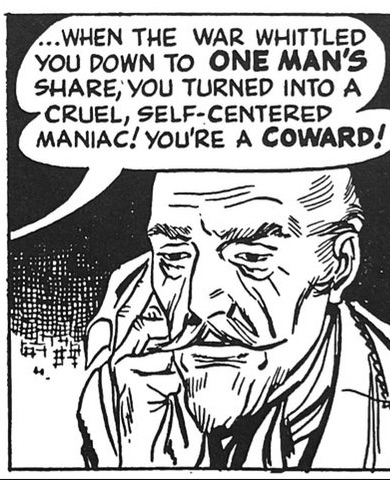
Warren Tufts (1925-1982) was a self-taught artist and historian of the mid-19th Century Westward migration, and he combined both avocations into two of the most compelling and distinct adventure strips of the 1950s. In Casey Ruggles (1949-1954) and Lance (1955-1960) he brought visual and historical realism to an otherwise romanticized vision of the West that flourished in post-WWII pop culture. In Tuft’s West of the 1840s, settlers were as often selfish, greedy, cowardly, incompetent, sadistic and capriciously violent as they were an heroic forward guard of civilization and commerce. Tufts had a mixed view of human nature that allowed all of these qualities, good and bad, to coexist in many of his characters.





 Panels & Prose