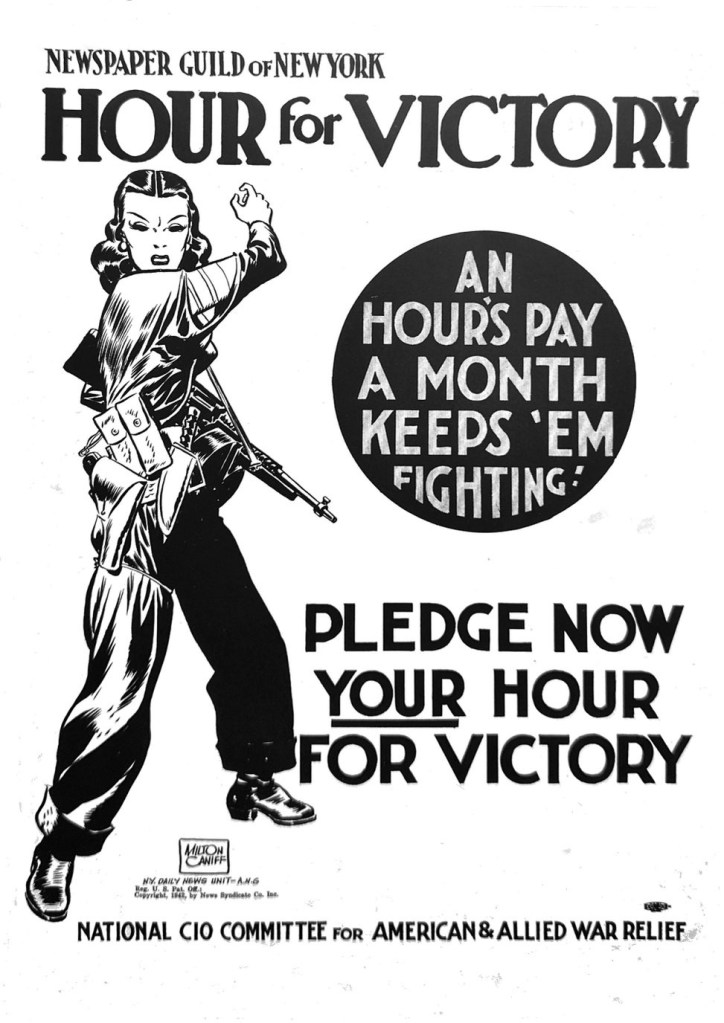
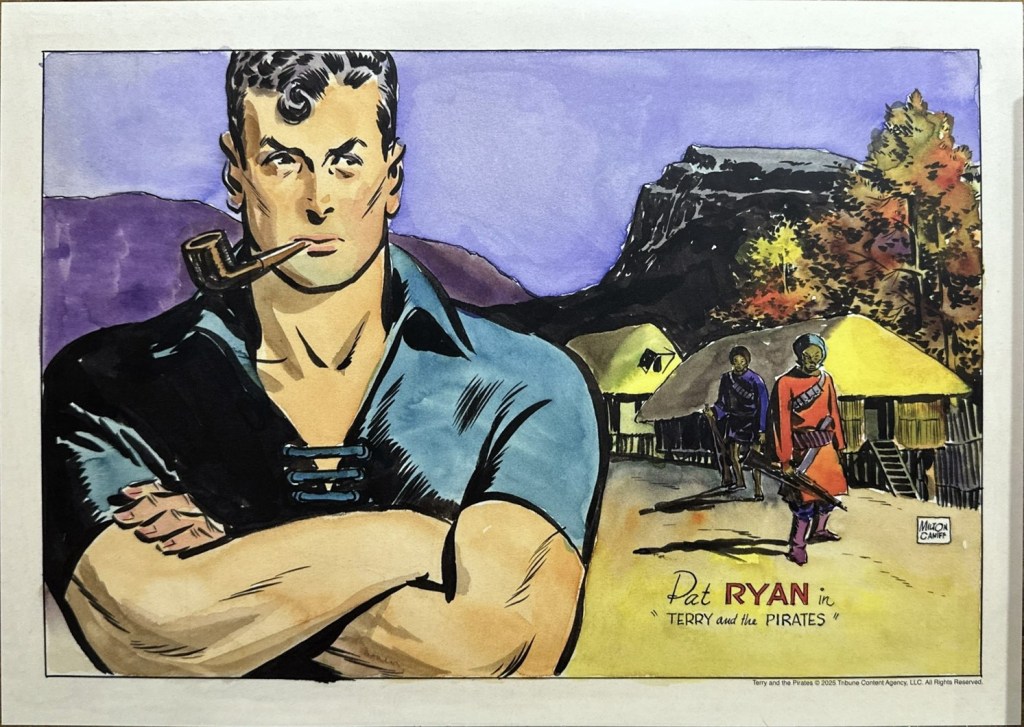
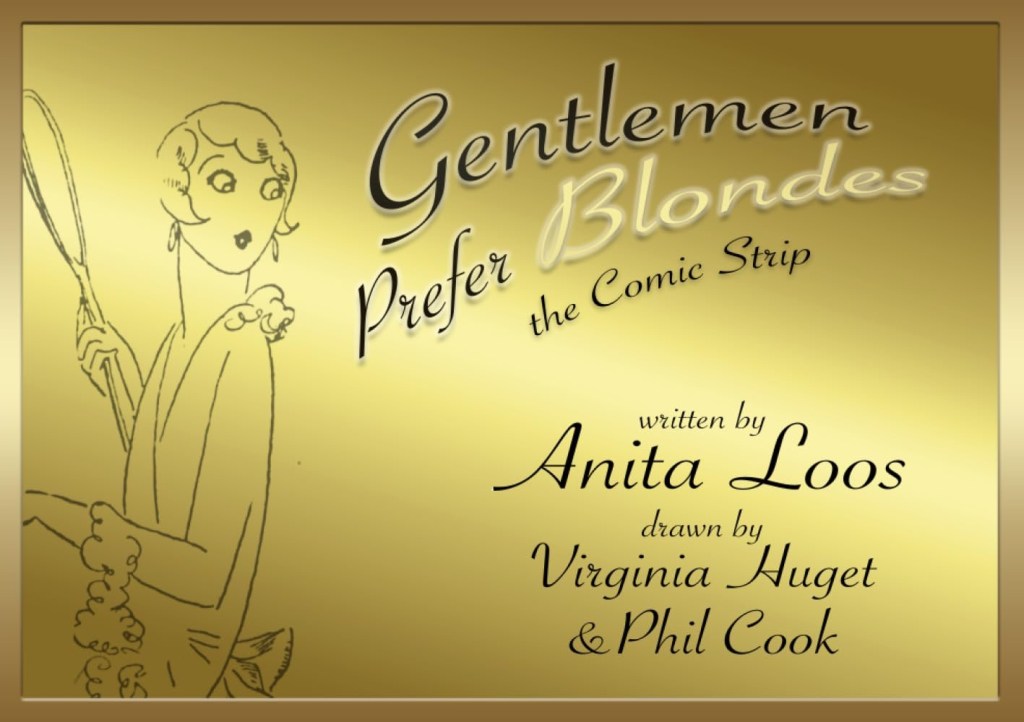
Slipping a bit of light erotica into the back pages of the buttoned-down newspaper medium was something of a sport among many comic strip artists throughout the last century. From the ubiquitous Gibson Girls of the the 00s to the curvy and well-delineated flapper daughters and office gals of 20s strips to the imperiled damsels and femmes fatale of 30s adventure, cartoonists understood they were wedging adult cheesecake into a “kids’ medium. Milton Caniff understood the better than anyone the potential here for serving the needs of a daily adventure strip while also pushing the boundaries of the conservative editorial propriety of national syndication.
Continue readingTag Archives: adventure strips
Red Barry: Time for Your Close-Up
With a striking visual energy, speech and violence that was unlike anything else on the page, Will Gould ‘s (1911-1984) short-lived Red Barry (1934-38) jumped out of the Depression-era comics page. It was intended to mimic the success of crime comic powerhouse Dick Tracy. But the two unrelated Goulds, Tracy’s Chester and Barry’s Will, couldn’t have been more unalike in temperament and values. And so their visions of gangesterism, crime and heroism took wildly different paths. Red Barry was uniquely exciting among rival crime comics of the day, and even to the contemporary eye, it feels fresh. Everything vibrated with action and intrigue in the strip – from the modernist, machine age sharp edges to every person and thing in the panel to bolded words in speech balloons, to the massive, stylized shadows its characters cast on nearby walls. The strip blended cartoonish visual abstraction with realistic violence and plot lines that deliberately mimicked current news stories. In comparing it to Dick Tracy, Red Barry exemplifies how deeply and varied the personal visions and personalities of artists could inform a range of perspectives on society despite the institutional constrains of this mass medium.
Continue readingFlashing Flash: Or, A Paper Doll That I Can Call My Own

Paper dolls and cut-out toy models are centuries-old, but the format was a natural fit for the modern newspaper comic from its beginnings. We tend to identify the comic strip paper doll with “women’s strips” from the great fashionistas, Jackie “Torchy” Ormes or Gladys “Mopsy” Parker. But in 1934, Alex Raymond’s Flash Gordon got into the act with a series that ran in every Sunday from August 18 to December 16. While Raymond focused mainly on Dale Arden as well as the various princesses and other female characters the still-young strip had amassed by then, he covers most of the cast, from Zarkov in a tuxedo to Ming the Merciless’ collection of flamboyant collars.
Continue readingGottfredson’s Mickey: The Art and Science of Action

Before becoming the anodyne logo of Disney’s saccharine-soaked family image during the post-WWII era, Disney’s Mickey Mouse had some heroic chops. Make no mistake, Mickey was never even remotely “edgy” let alone hard-boiled in the style of some other 30s pulp protagonists. But he was imagined by Disney in the original animated shorts and then by Floyd Gottfredson in the daily comic strips, as a spunky, resourceful adventurer. In the 1930s, Mickey was thrust into a number of roles and across all of the pop culture genres: sky jockey, detective, western outlaw hunter, ghost-hunter, even sci-fi adventurer. As tame as Mickey’s 30s adventures may seem, the Disney corporation in its most controlling moments in the past has tried to disappear come of the earliest imagery of their corporate logo packing a gun or interacting with some cringe-worth but commonplace racial stereotyping of the era.
Continue readingBuck Rogers Solar Scouts: “An Asset to My Parents, My Country”
Toy ray guns and spaceships, cereal premiums, and radio shows spun off from Buck Rogers’ phenomenal popularity in the 1930s. The property was tailor made for merchandising and licensing, of course. Gadgetry was the strip’s core appeal. A number of comic strip’s created kid clubs around their heroes. Dick Tracy had his Detectives Club, and later the famous Crimestoppers. Little Orphan Annie’s radio show had its own Secret Society with a toy decoding device for over-air messages (famously depicted in the film A Christmas Story), and the strip enlisted her fans into Junior Commandos during World War II. In addition to servicing fans, keeping audiences engaged, these clubs were also early examples of marketing data collection, See for instance Buck Rogers’ Space Scouts application above. While some of the data inputs were tongue in cheek, of course, club applications
(“previous rocket ship experience”?), the club members promotions worked much like sweepstakes for other consumer product manufacturers, a way of getting first part data on their audience.
Smilin’ Jack
Skyroads: Flying As Fetish

After the fast success of Tailspin Tommy in 1928 from the Bell Syndicate, the John F. Dille company responded with Skyroads about five months after the syndicate introduced Buck Rogers. The otherwise forgettable strip is perhaps most notable as a stable for artists on more important projects.
Continue reading