
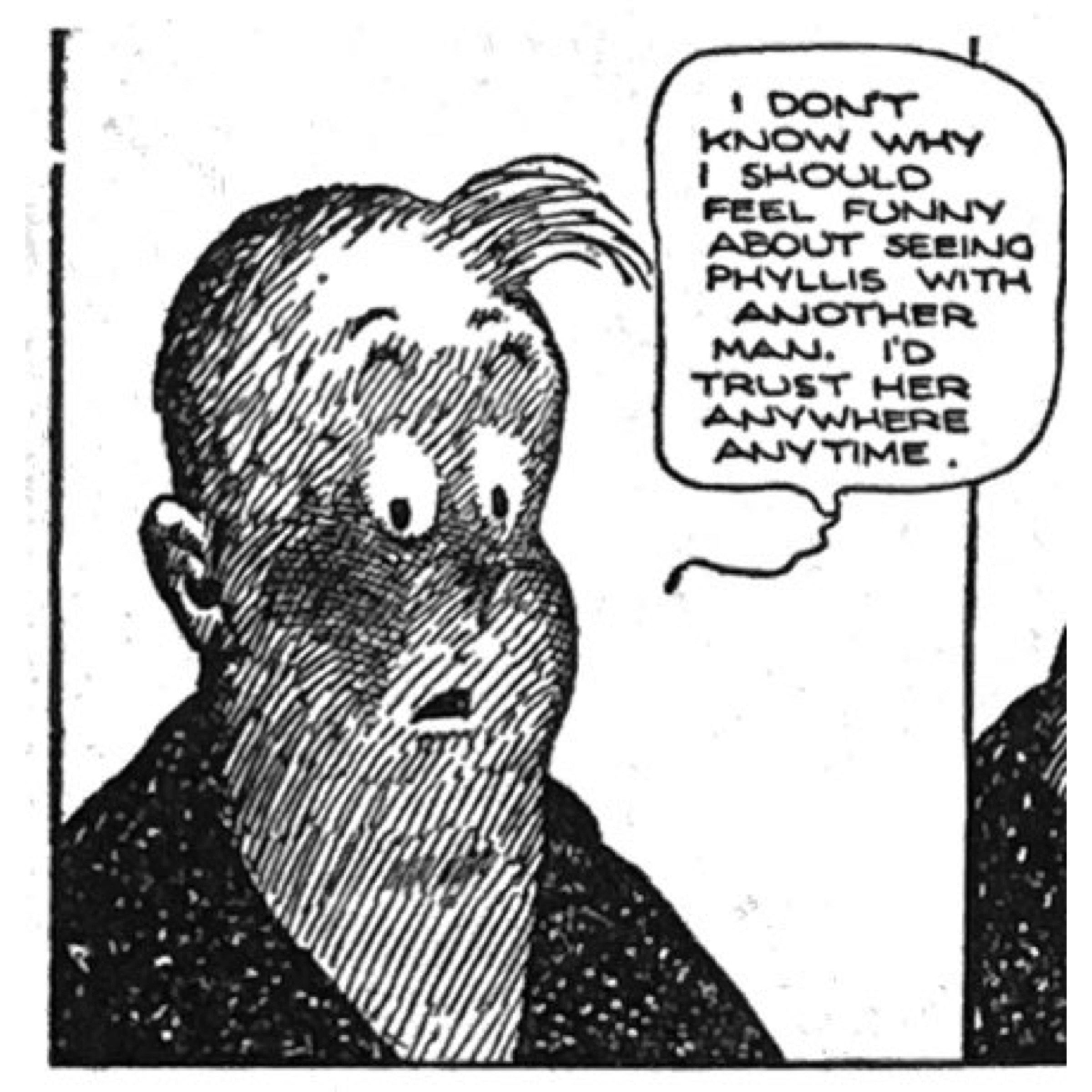


Frank King’s Gasoline Alley may be the “Great American Novel” of the 20th Century we didn’t know we had. This remarkable multi-generational saga of the Wallets evolved in several panels a day across decades, exploring the domestic and emotional lives of small town Americans during a century of intense change. And in its heyday during the post-WWI era, this strip was singular in its affectionate embrace of suburban family life at a time when post-war disenchantment overwhelmed the intellectual class, when glamour, sex and emotion dominated the film arts and magazines and glitz dominated Hollywood. When more famous social commentators like H.L. Mencken, Walter Lippman and Sinclair Lewis lampooned, decried and doubted the small town American intellect – the so-called “revolt from the village” – King celebrated what Mencken called the “booboisie.” Comics historians often characterize the post-1915 period of the medium as a kind of literal and figurative domestication. As newspaper syndication expanded into every burg, the mass media business of comics needed to shave the edges off of a once-raucous and urban-focused art form. Shifting the focus to family relations and suburbia, relying on more repartee than prankish violence, made the comic strip more acceptable to a mass audience.
Continue readingTag Archives: art
The Rapidtoodleum Will Save Us All

In the New York World on April 5 1904, a giant but apparently friendly robotic beast vaulted from an unfinished New York City subway entrance to address some of the city’s most pressing concerns. Daily, and for the next week, this cartoon “Rapidtoodleum” offered rapid transit that solved for a much-delayed subway project, exposed gambling in Harlem, proposed an alternative to overpriced city housing, outpaced a newfangled automobile, and lampooned the florid fashion in women’s hats.
Continue readingFlesh, Fantasy, Fetish: 1930s and the Return of the Repressed

The sheer horniness of the otherwise circumspect American newspaper comics in the 1930s is as unmistakable as it is overlooked in the usual histories. I have written about the kinkiness of 30s adventure in bits and pieces in the past. But rereading Dale Arden’s “obedience training” at the hands of the dominatrix “Witch Queen” in Flash Gordon, reminded me how much unbridled fetishism romped through the adventure comics of Depression America. Any honest history of the American comic strip really needs to have “the sex talk” about itself.
Continue readingThe Maturing of Milton Caniff
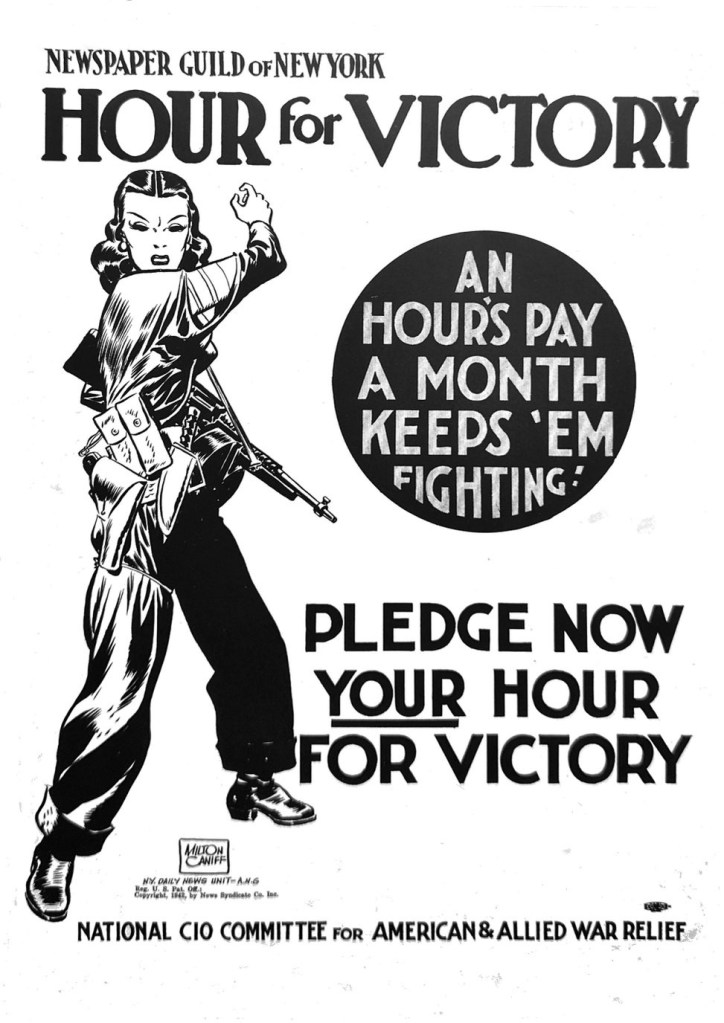
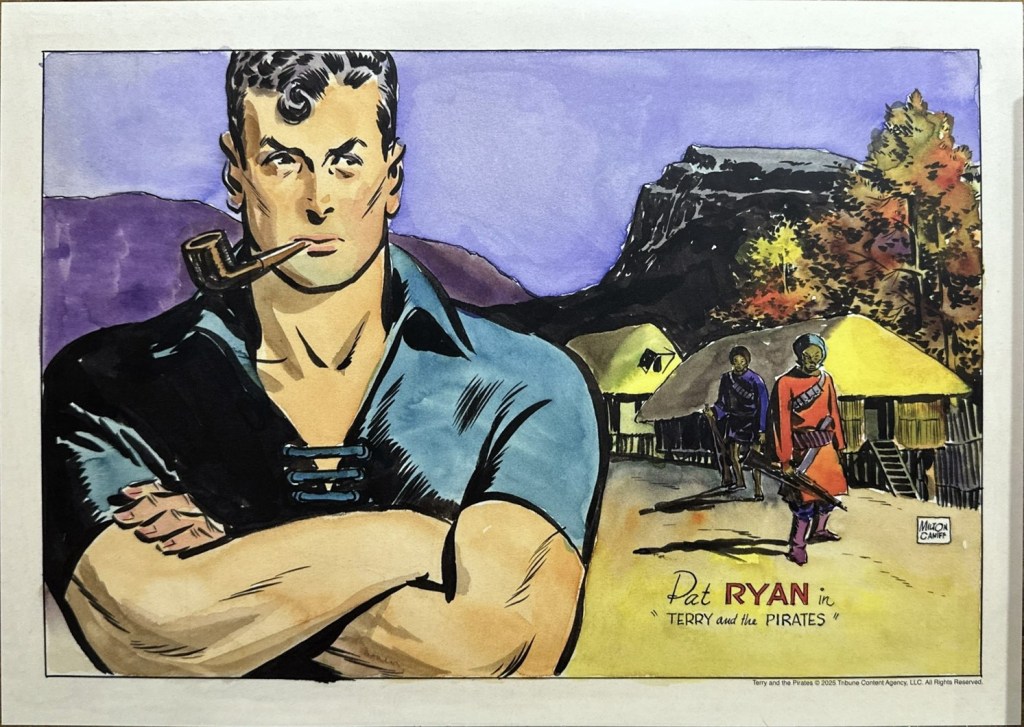
Milton Caniff’s landmark adventure Terry and the Pirates has been among the most reprinted newspaper strips of all time…and deservedly so. The artist’s fame for establishing the tone, cadence, composition and dramaturgy of the mid-century adventure genre in comics is well known. I won’t rehash it here. The latest and most ambitious reprint Terry project concluded this week when Clover Press and the Library of American Comics shipped the final three volumes in the 13 book Terry and the Pirates: The Master Collection. As I said in my initial review of the first volumes, the series is magnificent, if you don’t mind juggling oversized tomes. The sourcing of best available art, coloration and overall reproduction are the best I have seen among the many renderings of Terry over the years. This is LOAC’s second go at the strip. The imprint was launched two decades ago with a 6-volume oblong set. The first 12 volumes of the Master Collection reprint the full run from inception in 1934 through Caniff’s exit in 1946. A thirteenth volume carries new commentary, ancillary art and all of the front matter from the earlier series. Kudos to LOAC and Clover. Unlike many comic strip reprint projects that lumber for years, or peter out in mid-run, this one only took three years to complete. This final tranch of volumes also comes with a packed in bit of extra art (see above.
Continue readingShelf Scan 2024: Necessary Reprints – From Anita Loos to Betty Brown

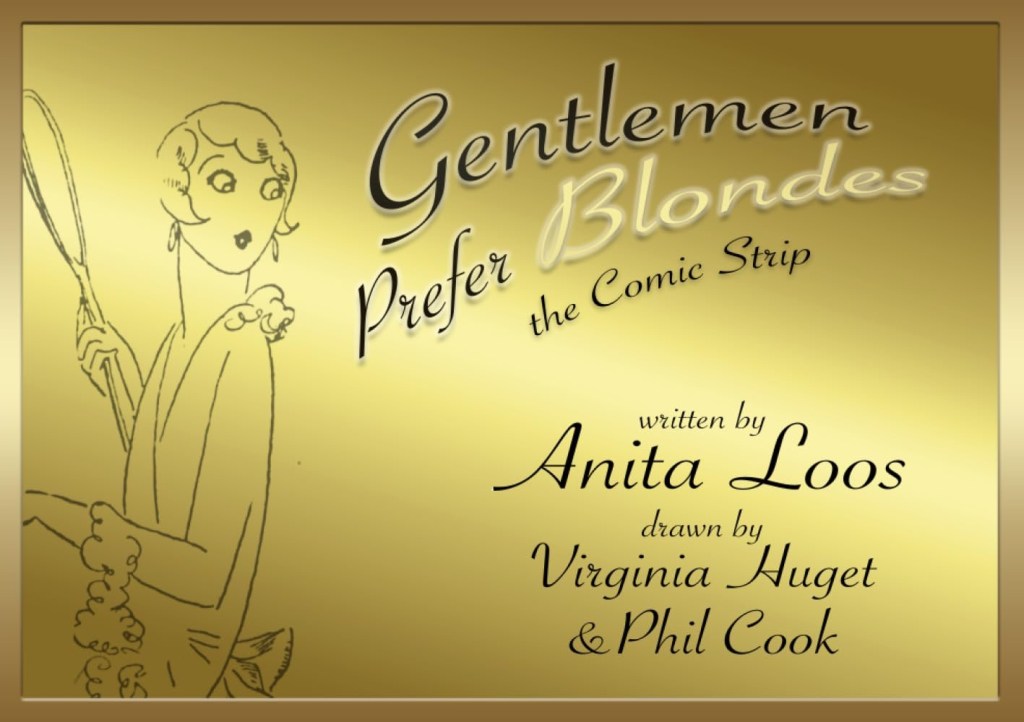
Moving through this year’s shelf of notable titles for comics aficionados, I wanted to call out several projects that revived forgotten or previously uncollected work. From a pharmacist heroine to an illustrated prayer, the ultimate 20s flapper to a pioneer of cartoon journalism, 2024 surfaced some real gems.
Continue readingShelf Scan 2024: Taschen’s Ultimate Duck

Kicking off this year’s roundup reviews of notable books for comics history buffs, let’s start with the annual Taschen doorstop.
Continue readingRockwell Kent: Accidental Cartoonist

Rockwell Kent (1882-1971) was not a cartoonist in any typical sense of the genre. He was insanely prolific across all media and seemed oblivious to formal silos that bother art critics and scholars. He worked in book and magazine illustration, painting, greeting cards and postage stamps, bookplates, murals, and, yes, comics (under the playful pseudonym, “William Hogarth, Jr.” for Vanity Fair). He was a working artist who liked to turn a buck, as entrepreneurial as he was genre agnostic. Which is to say that he was an artist in the American grain.
Continue reading Panels & Prose