
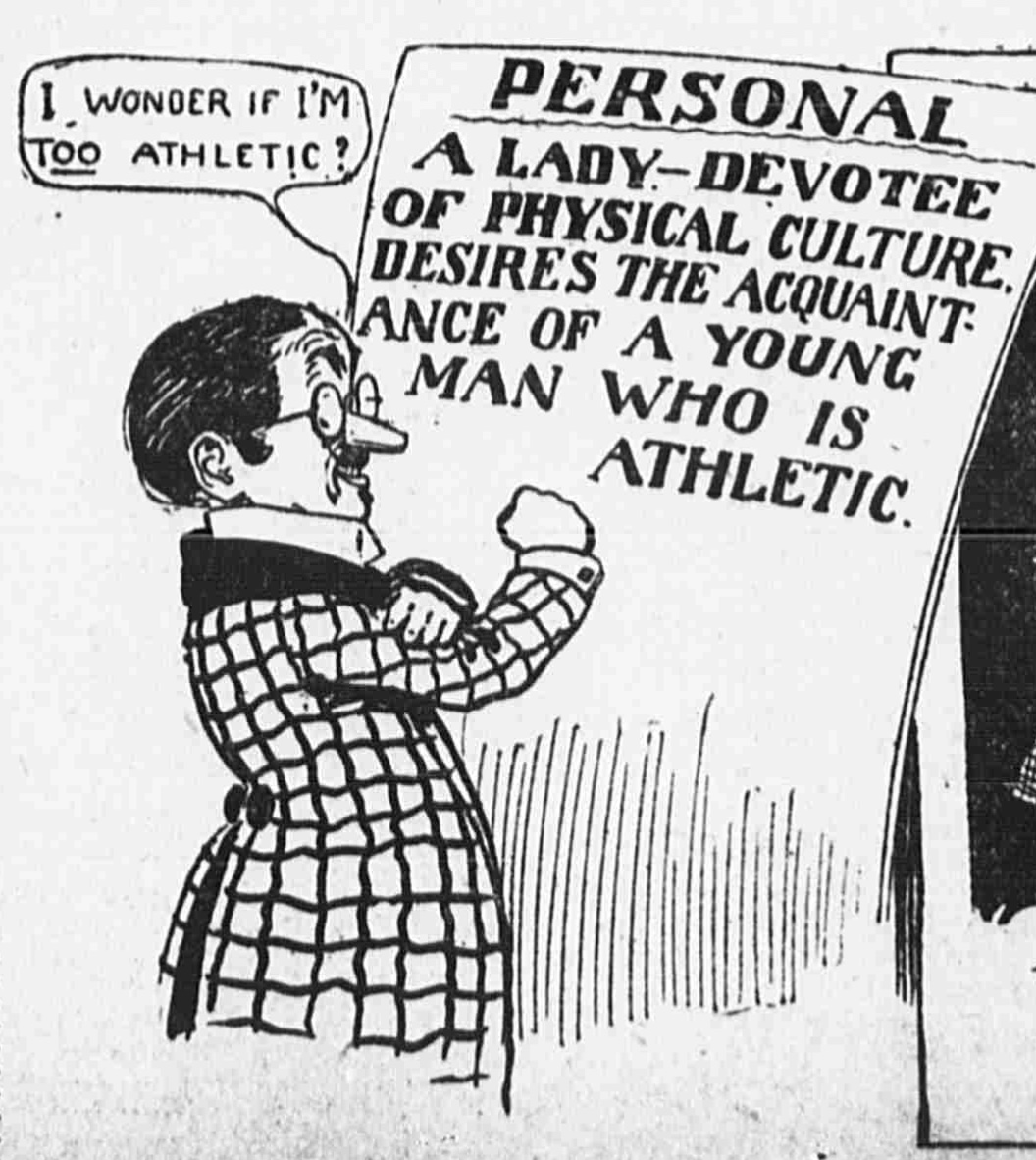
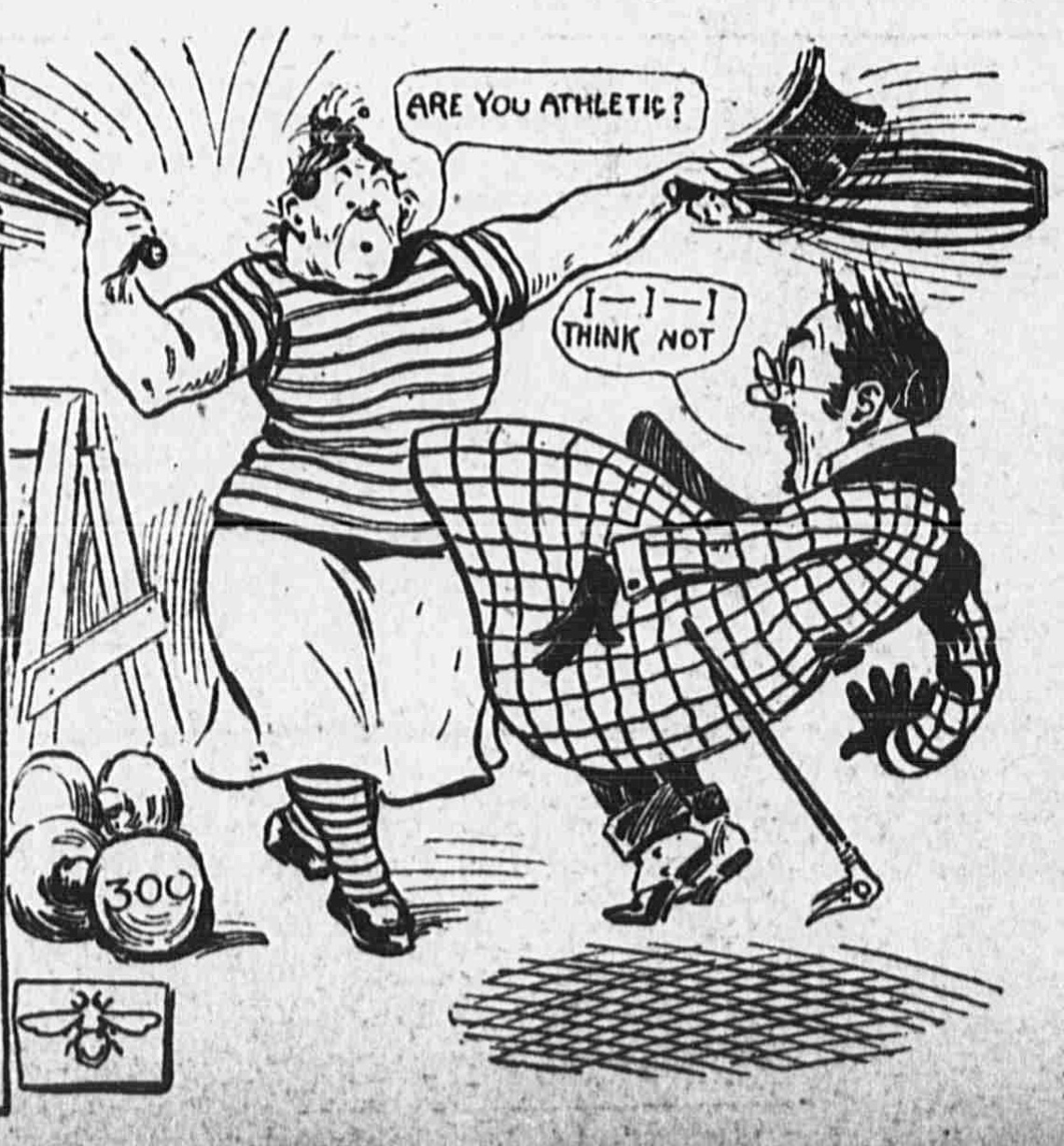
Apparently, getting a date was never easy, and the contemporary swipe-left, swipe-right mobile media is just the latest twist on an old genre – the “personals.” This short-run comics series of 1904, “Romance of the ‘Personal” Column,” in Joseph Pulitzer’s New York World reminds us that Americans were already jaded about the deceptiveness of these early versions of the dating app over a century ago. The strip followed a familiar formula. Our misbegotten suitor finds that the reality of his blind date is frighteningly different from his impression of the ad. Thus, he flees in panic; from a widow’s horde of kids, a muscle-bound athlete, and, in a racist turn that was standard in the day, a “dark brunette” who turns out to be Black. “Romance of the ‘Personal” Column” only ran a handful of times, but it is the kind of early comic strip trifle that surfaces a number of important themes in the cultural history of the first newspaper strips.
Continue readingTag Archives: writing
The Rapidtoodleum Will Save Us All

In the New York World on April 5 1904, a giant but apparently friendly robotic beast vaulted from an unfinished New York City subway entrance to address some of the city’s most pressing concerns. Daily, and for the next week, this cartoon “Rapidtoodleum” offered rapid transit that solved for a much-delayed subway project, exposed gambling in Harlem, proposed an alternative to overpriced city housing, outpaced a newfangled automobile, and lampooned the florid fashion in women’s hats.
Continue readingFlesh, Fantasy, Fetish: 1930s and the Return of the Repressed

The sheer horniness of the otherwise circumspect American newspaper comics in the 1930s is as unmistakable as it is overlooked in the usual histories. I have written about the kinkiness of 30s adventure in bits and pieces in the past. But rereading Dale Arden’s “obedience training” at the hands of the dominatrix “Witch Queen” in Flash Gordon, reminded me how much unbridled fetishism romped through the adventure comics of Depression America. Any honest history of the American comic strip really needs to have “the sex talk” about itself.
Continue readingThe Maturing of Milton Caniff
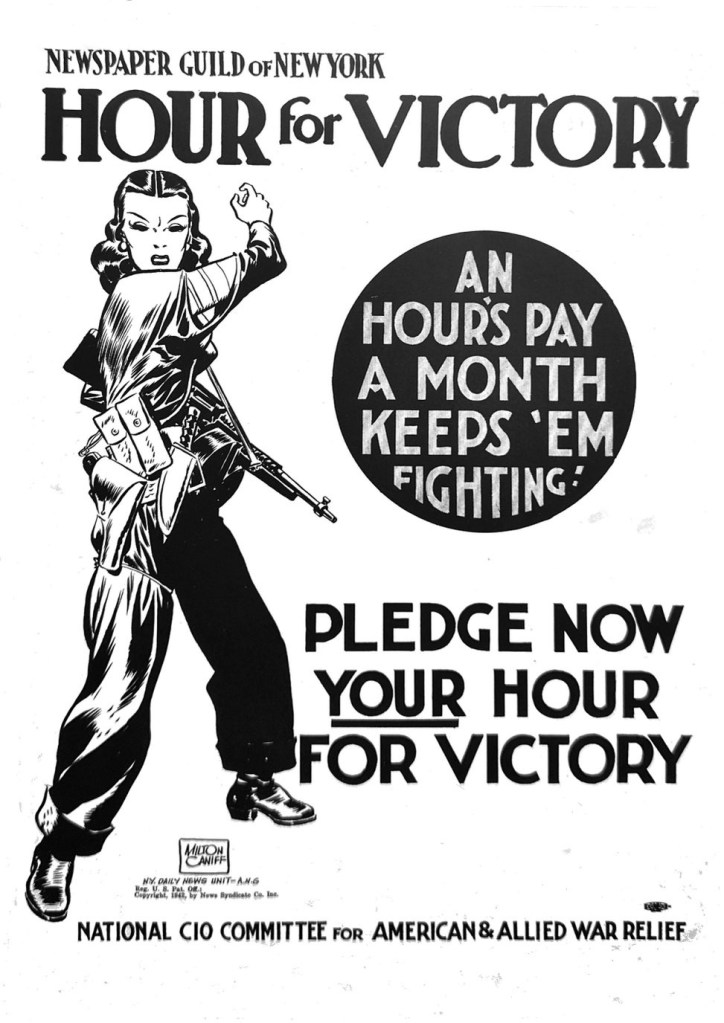
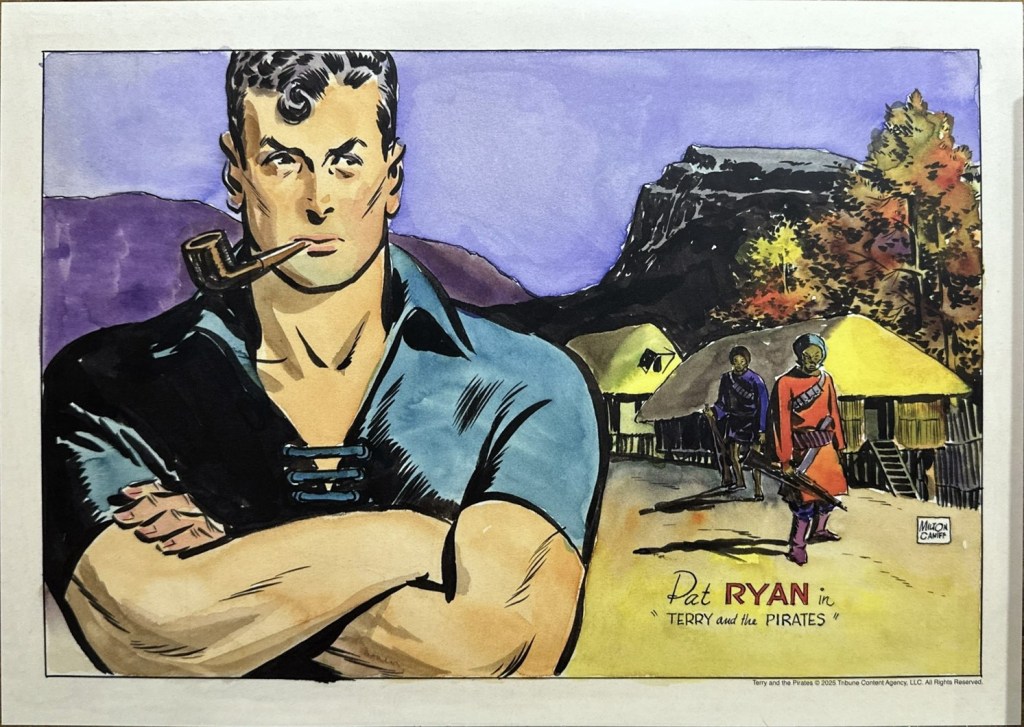
Milton Caniff’s landmark adventure Terry and the Pirates has been among the most reprinted newspaper strips of all time…and deservedly so. The artist’s fame for establishing the tone, cadence, composition and dramaturgy of the mid-century adventure genre in comics is well known. I won’t rehash it here. The latest and most ambitious reprint Terry project concluded this week when Clover Press and the Library of American Comics shipped the final three volumes in the 13 book Terry and the Pirates: The Master Collection. As I said in my initial review of the first volumes, the series is magnificent, if you don’t mind juggling oversized tomes. The sourcing of best available art, coloration and overall reproduction are the best I have seen among the many renderings of Terry over the years. This is LOAC’s second go at the strip. The imprint was launched two decades ago with a 6-volume oblong set. The first 12 volumes of the Master Collection reprint the full run from inception in 1934 through Caniff’s exit in 1946. A thirteenth volume carries new commentary, ancillary art and all of the front matter from the earlier series. Kudos to LOAC and Clover. Unlike many comic strip reprint projects that lumber for years, or peter out in mid-run, this one only took three years to complete. This final tranch of volumes also comes with a packed in bit of extra art (see above.
Continue reading Panels & Prose