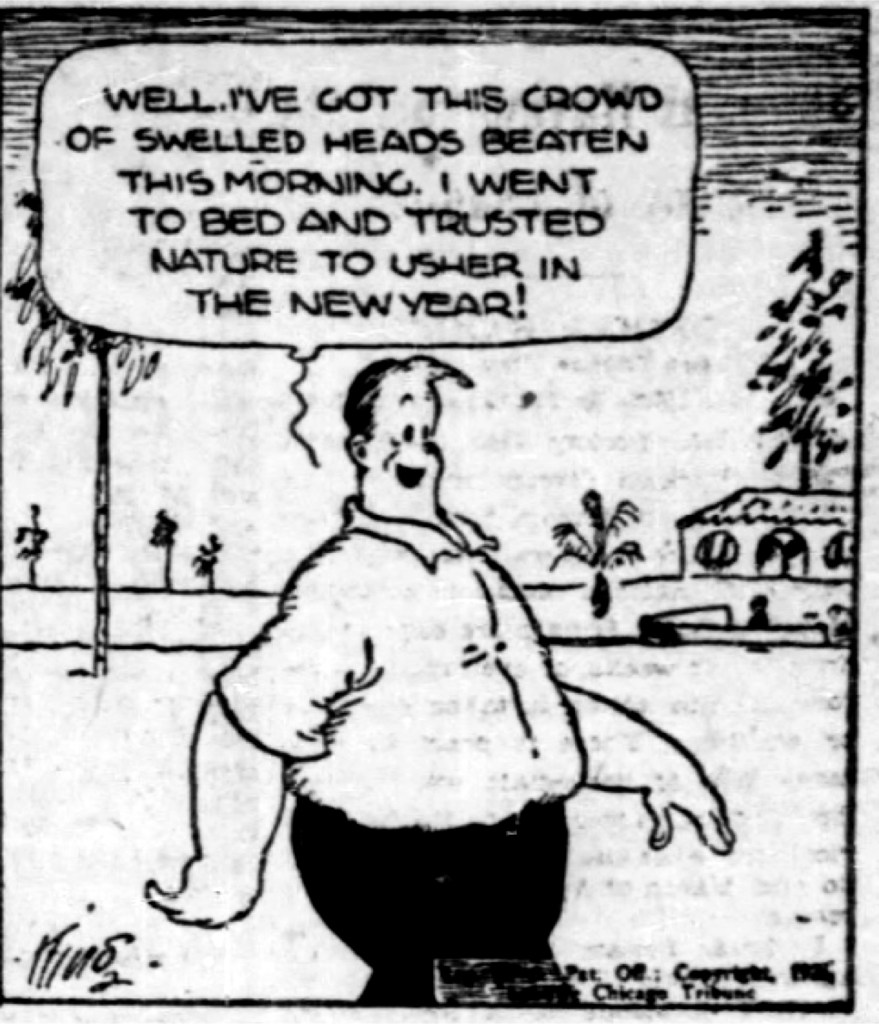
New Year’s Day in Chicago 1926 felt like peak 1920s. The common tropes of the “Jazz Age” congealed on the front page of Tribune: “Gay, Wet New Year’s: 11 Shot – Prosperous U.S, Forecast by 1925 Success” barked the headline. Front page stories reported that the manufacturing and consumption were driving demand-side growth to new levels. Meanwhile, casual gunplay celebrating New Year’s Eve resulted in one dead child and multiple woundings. And at the height of Prohibition, citizens and journalists openly mocked officials trying to enforce alcohol bans in the local nightclubs. According to The Trib, two barely guised Prohibition agents were assigned to each club, while revelers succeeded in hiding their hooch throughout the night. One club crowd had had enough and chased the agents out the door. The cops refused to intervene, claiming that they wanted to remain “neutral.”
We are such suckers for highbrow validation. Sure, we pop culture critics and comics historians talk a good game about bringing serious critical scrutiny to popular arts, our respect for the common culture…yadda, yadda. But our pants moisten whenever the intelligentsia deign to take our favorite arts seriously, or we find some occasional reference or connection between the “high” and “low” culture labels that we claim to disown. Comic strip histories love to gush over Cliff Sterrett’s appropriation of Cubist stylings in Polly and Her Pals. Although his dalliance with cartooning was brief, Lyonel Feininger’s Expressionist turn in the Kin-der-Kids and Wee Willie Winkie loom so large in comics history you would think he was a beloved mainstay of the Sunday pages. In face, he was a fleeting presence. Picasso’s devotion to the Little Jimmy strip suggests somehow that Jimmy Swinnerton was onto something deeper than it seemed. And of course the critical embrace of George Herriman’s Krazy Kat started early, when Gilbert Seldes and e.e. Cummings, among others, primed us to believe the greatest of all comics for its surreal aesthetic and mythopoeic narrative.1 Never mind that the strip suffered limited distribution and perhaps narrower audience appeal. Indeed, an entire scholarly anthology, Comics and Modernism is a recent map of all the ways in which comics studies tries to wrap the “low” comic arts in the (to my mind) ill-fitting coat of high modernism.2
Frank King’s Gasoline Alley may be the “Great American Novel” of the 20th Century we didn’t know we had. This remarkable multi-generational saga of the Wallets evolved in several panels a day across decades, exploring the domestic and emotional lives of small town Americans during a century of intense change. And in its heyday during the post-WWI era, this strip was singular in its affectionate embrace of suburban family life at a time when post-war disenchantment overwhelmed the intellectual class, when glamour, sex and emotion dominated the film arts and magazines and glitz dominated Hollywood. When more famous social commentators like H.L. Mencken, Walter Lippman and Sinclair Lewis lampooned, decried and doubted the small town American intellect – the so-called “revolt from the village” – King celebrated what Mencken called the “booboisie.” Comics historians often characterize the post-1915 period of the medium as a kind of literal and figurative domestication. As newspaper syndication expanded into every burg, the mass media business of comics needed to shave the edges off of a once-raucous and urban-focused art form. Shifting the focus to family relations and suburbia, relying on more repartee than prankish violence, made the comic strip more acceptable to a mass audience.
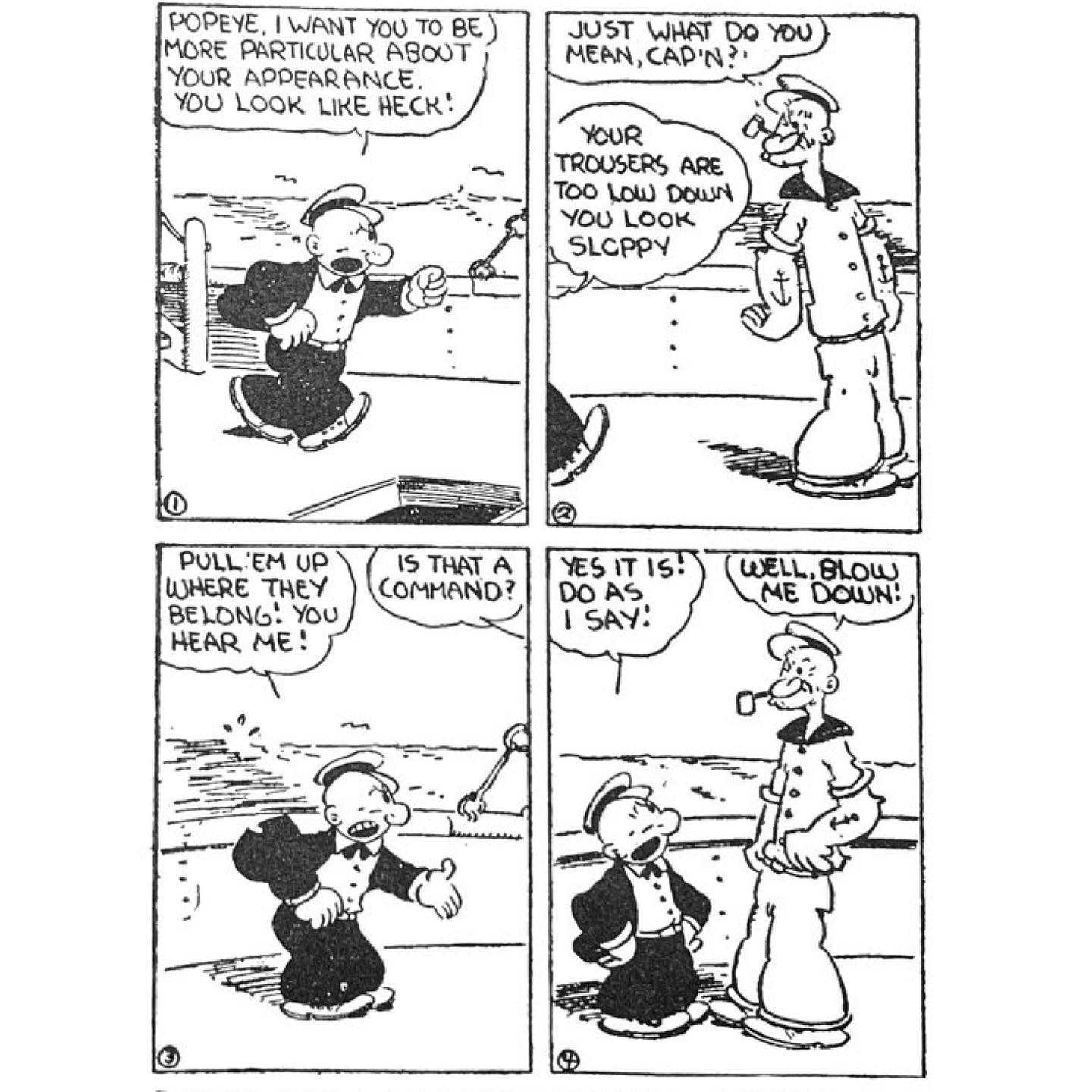
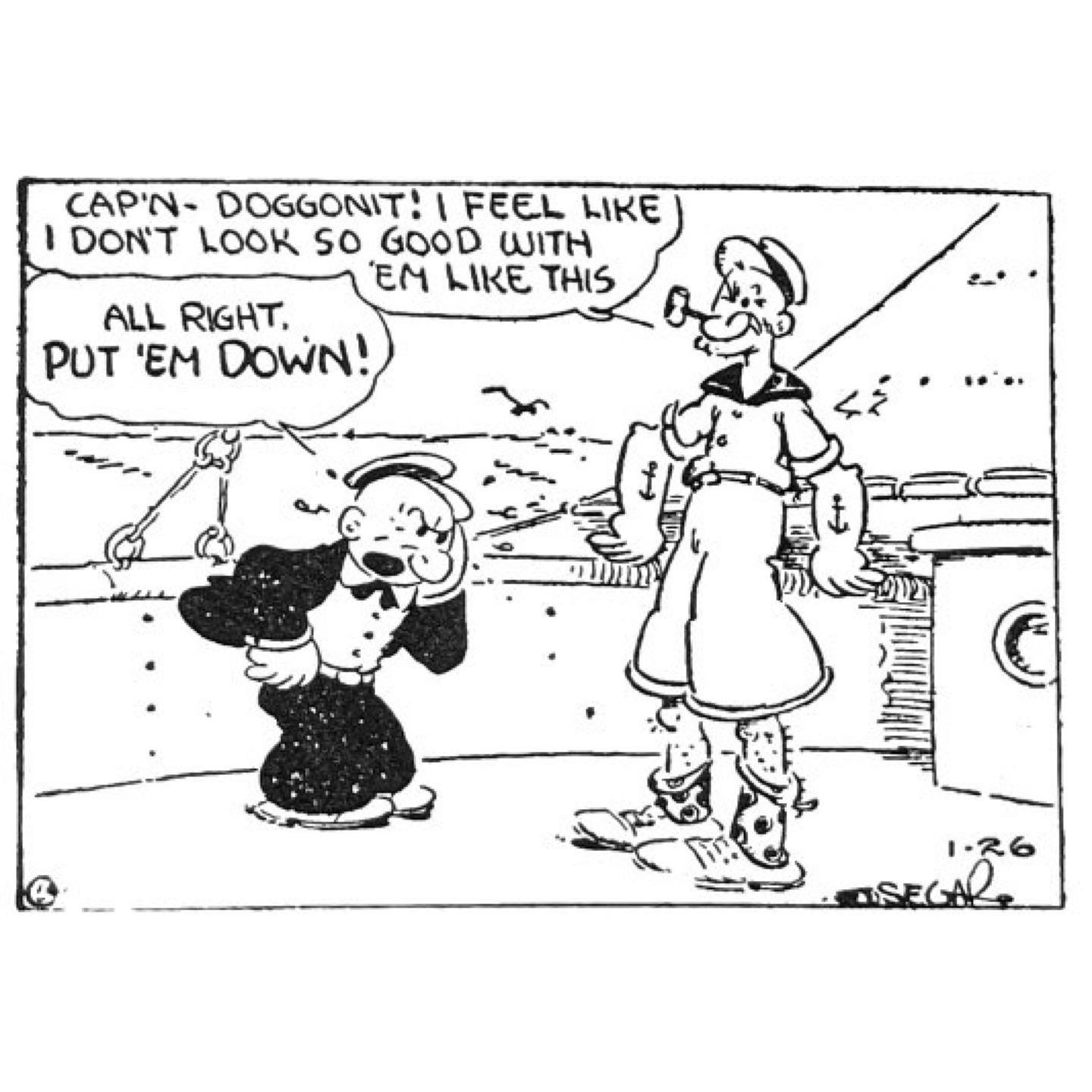
There are now generations of young adults who have no memory of daily newspapers, let alone that back page and Sunday section of comics. Without that experience, I wonder how that legacy survives and continues to inspire everyday readers and young artists. If the volume of classic reprints this year is any indication, however, we graying lovers of newspapers past can’t be the only market for decades-old dailies. Many essential strips enjoyed fresh or continuing reprint projects this year that keeps the likes of Popeye, Nancy, Mandrake and more on current store shelves. Even the most reprinted strip of the last generation got revisited in 2024.
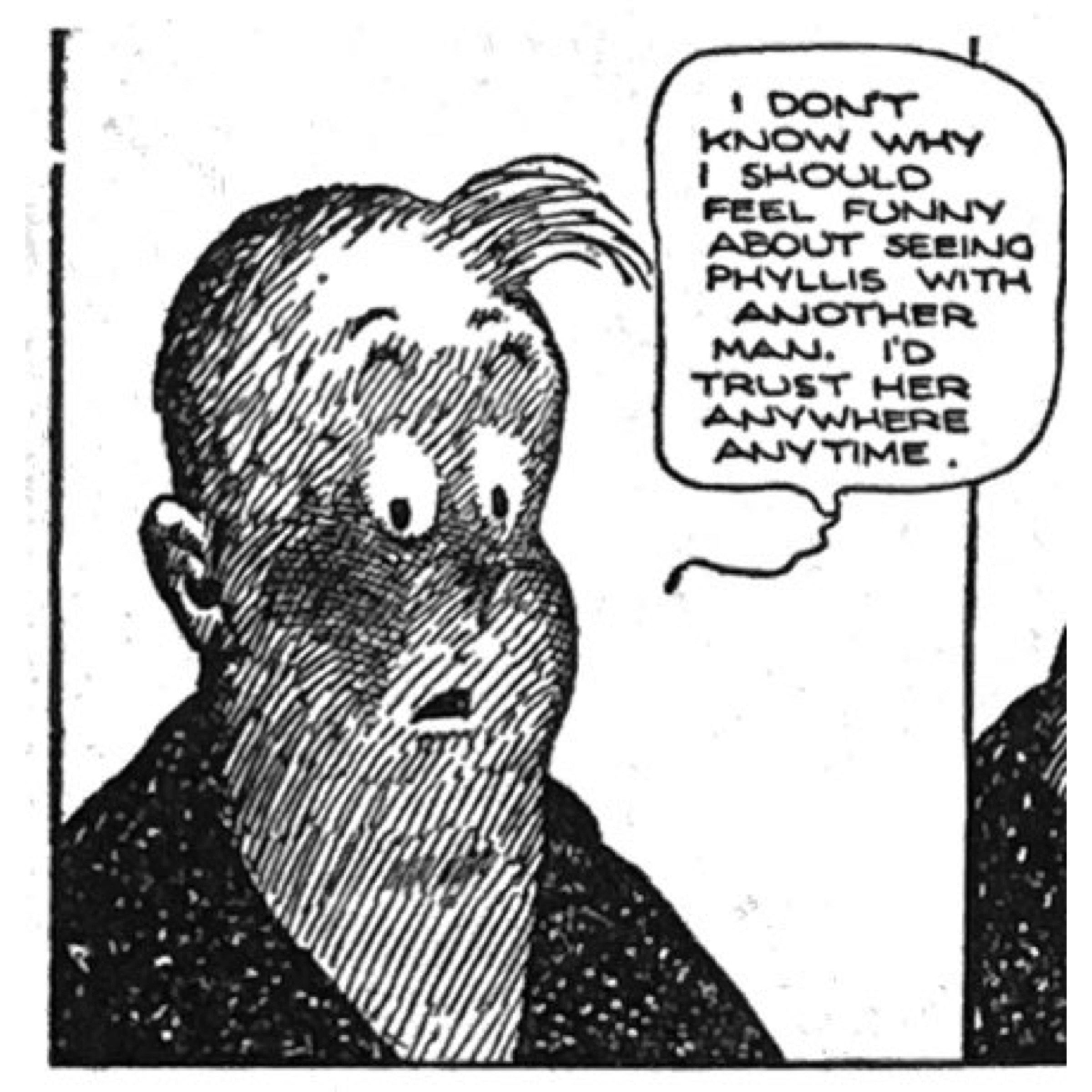
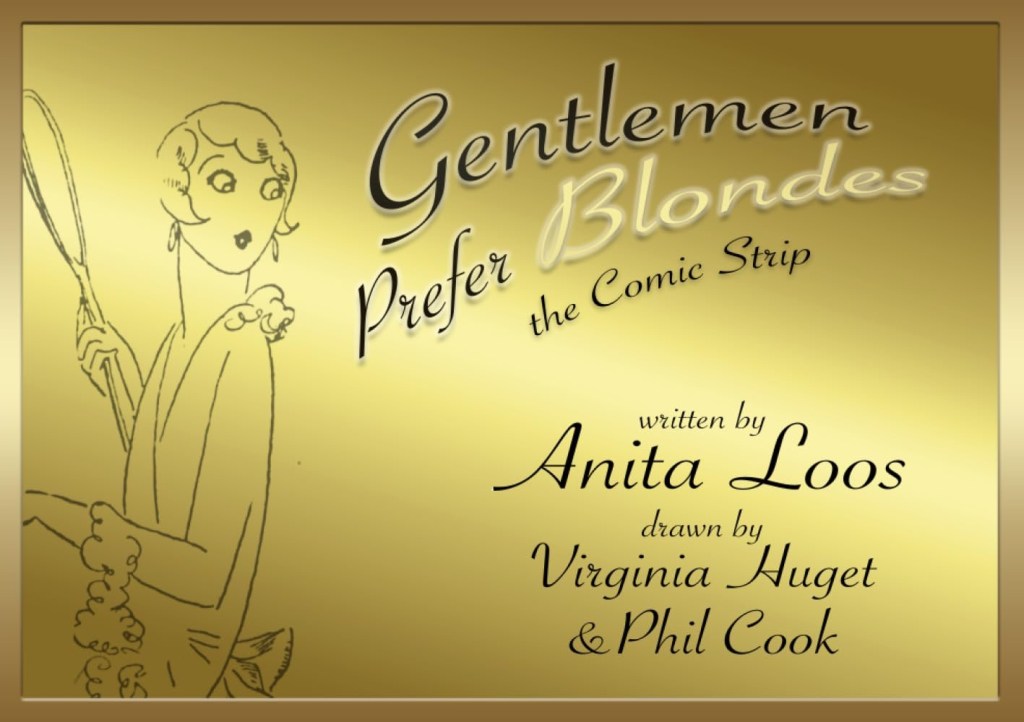
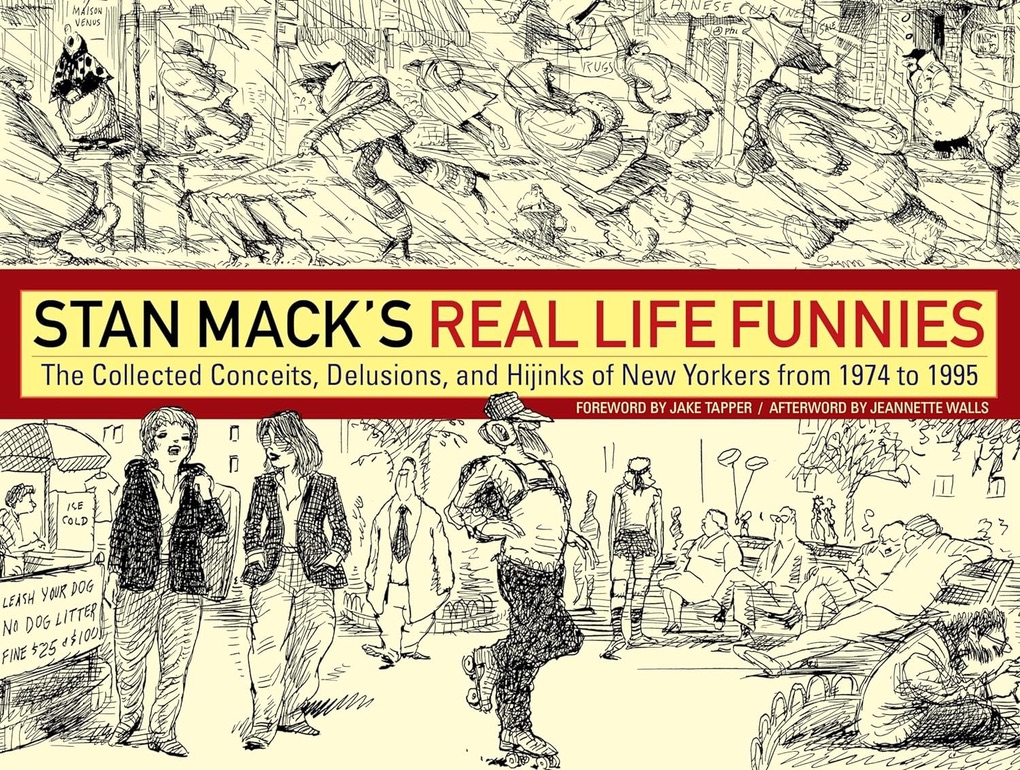
Moving through this year’s shelf of notable titles for comics aficionados, I wanted to call out several projects that revived forgotten or previously uncollected work. From a pharmacist heroine to an illustrated prayer, the ultimate 20s flapper to a pioneer of cartoon journalism, 2024 surfaced some real gems.
Rockwell Kent (1882-1971) was not a cartoonist in any typical sense of the genre. He was insanely prolific across all media and seemed oblivious to formal silos that bother art critics and scholars. He worked in book and magazine illustration, painting, greeting cards and postage stamps, bookplates, murals, and, yes, comics (under the playful pseudonym, “William Hogarth, Jr.” for Vanity Fair). He was a working artist who liked to turn a buck, as entrepreneurial as he was genre agnostic. Which is to say that he was an artist in the American grain.







 Panels & Prose