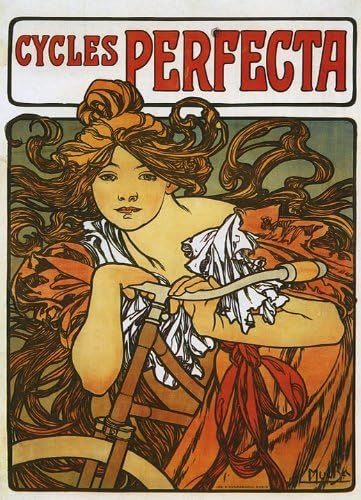
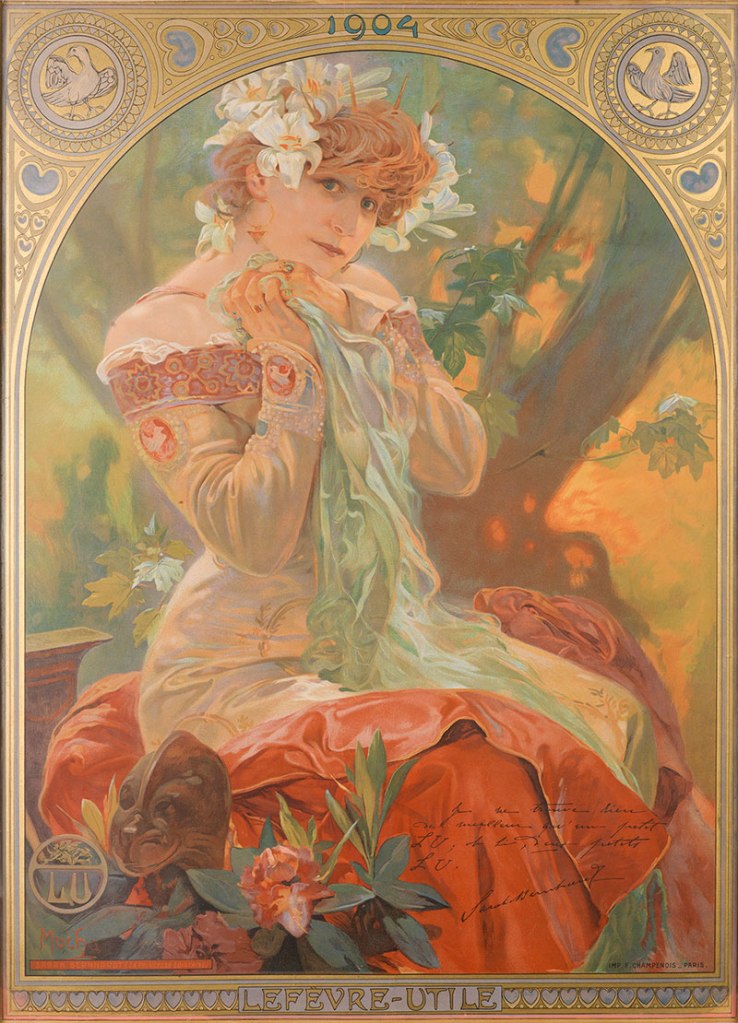
This is a perfect time for a Mucha revival, I think. Advertising creative is exploring new depths of cultural irrelevance. Marketing seems to have become an unimaginative haven for data scientists and bureaucratic functionaries. And company efforts to align themselves with social progress and “meaningful branding” are now in full, cowardly retreat. And so, reviving both the art and thought of perhaps the greatest advertising illustrator of all time, Alphonse Mucha is not only welcome but necessary.
Continue readingTag Archives: history
Jungle Jim Is A Ramblin’ Man…And Quite the Charmer
No one could mistake master artist Alex Raymond for a proto-feminist. In his and scribe Don Moore’s dual successes of the 1930s, Flash Gordon and Jungle Jim, barely-clad distressed damsels abounded. To be sure, Raymond understood better than any comic strip artist the erotic potential of the formal, His male and female bodies were delicious. But it also goes almost without saying that the adventure genre has always been about male prowess and potency against forces natural, exotic, institutional and especially feminine. Comics artists like Carl Barks and Al Capp, among others, have recounted that newspaper editors often cited the 12-year old boy as the ideal target market for adventure strips. Well, yeah, sure…along with their horny Dads.
The adventure hero’s cavalier approach to women, romance, and all that icky girly stuff is clear in Jungle Jim’s caddish handling of two rival gal pals Lil and Kitty in this late 1941 interstitial between two episodes. Jim has no time for romance, and writes to Dear Jane letters, excusing himself from commitment. Lil gets the I’m-just-a-ramblin’-sorta-guy” brush off and Kitty gets the mock magnanimity ploy. “Find a nice substantial businessman… .” What a gentleman.
Continue readingA Tale of Two Comics: Gibson vs. The Comic Strip
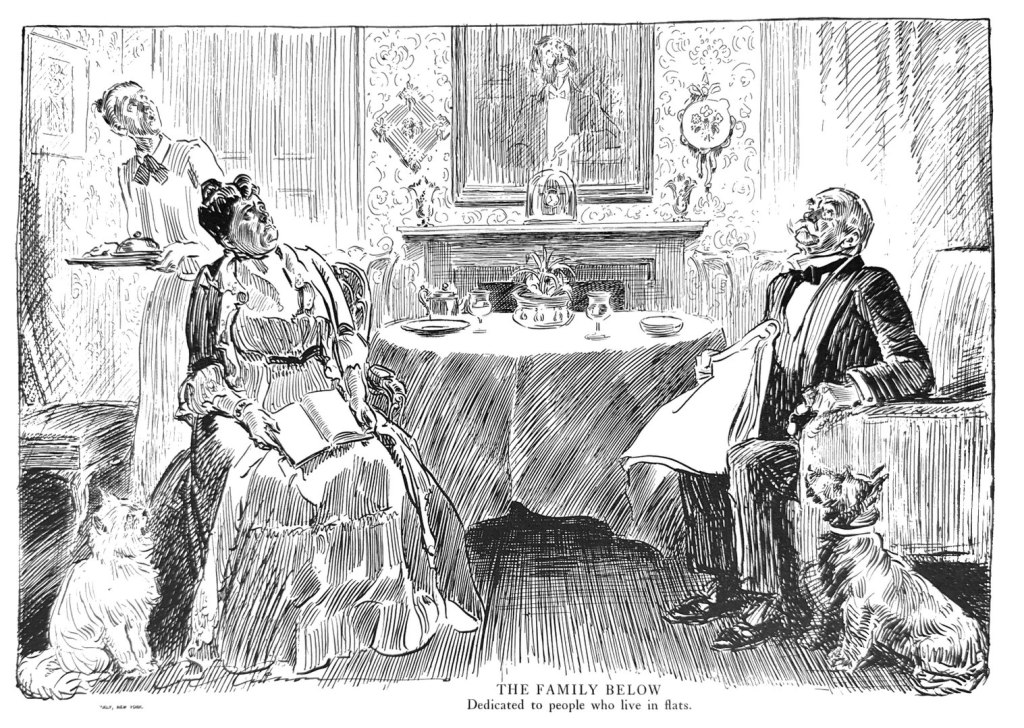
Charles Dana Gibson was the grandmaster of magazine illustration by the time the first wave of Pulitzer and Hearst’s cartoonists disrupted the media universe after 1895. And from the beginning, it was clear that newspaper artists, even those that migrated from the humor weeklies, were stretching both the form and subject matter of caricature beyond the genteel sensibilities of Puck and Life. The line was becoming more elastic, the expressions more animated and emotive, the action more extreme. Magazine humor was witty but remained politely seated in the middle-class parlor. Newspaper humor was raucous and usually situated out of doors, where just about anyone or anything could happen. For their part, magazine editors knew a cultural and economic threat when they saw one. Many magazine columnists and editors denounced Pulitzer and Hearst as vulgarians actively debased the culture with sensationalism. But the comic strip in particular was singled out for celebrating violence and appealing to juvenile sensibilities.
Continue readingIn the Big House With Ella Cinders
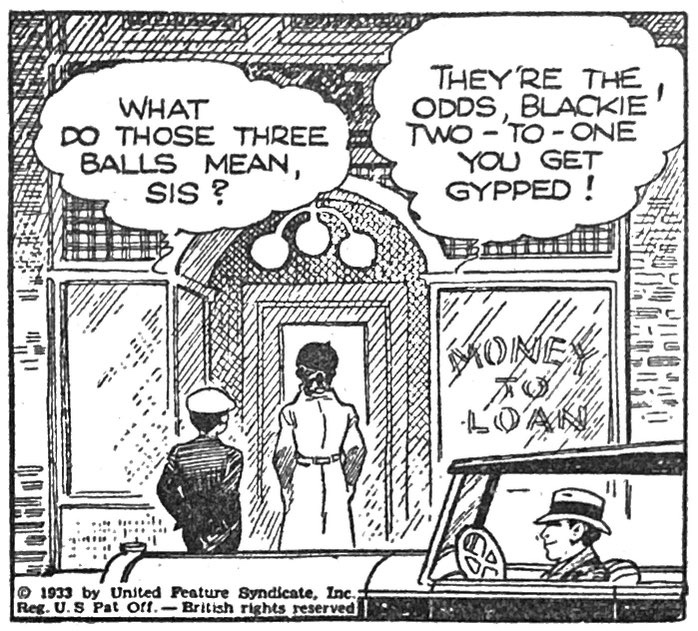
The more I read of Bill Conselman and Charlie Plumb’s Ella Cinders strip (first explored here), it is clear this spunkiest of comic strip heroines has been woefully underrepresented in pop culture history. She was at once big-hearted and hard boiled. She rode the roller coaster of 20s and 30s boom and bust, passing through pop culture fads and economic trends. And this girl took no shit. She was aiming withering barbs at cocky lovers years before Mae West, trading edgy banter a decade before Kate Hepburn, Carol Lombard and Barbara Stanwyck. Comics historians who point to Connie Kurridge, Flyin’ Jenny, Miss Fury or Brenda Starr as pioneering women in comics pages are missing one of the most interesting examples. Ella Cinders resembled Little Orphan Annie, a picaresque that was less ponderous and lighter. And the tale of a New Woman making her way through inter-war America was rendered as a unique distinct world – with its own linguistic and visual style. The panel above shows how the strip’s sharp voice and thoughtful composition could work together. Ella and brother Blackie, backs to us, framed by a predatory pawn shop, quip about getting fleeced.
Continue readingMore Holiday ’23 Books for Comics Nerds
In the two months since my last roundup of 2023 books, publishers have unleashed a torrent of books aimed at holiday gift giving. So let’s catch up with capsule takes on the more notable releases in this last quarter.
Continue readingPrehistoric Nazis: Alley Oop Knows a Fascist When He Sees One

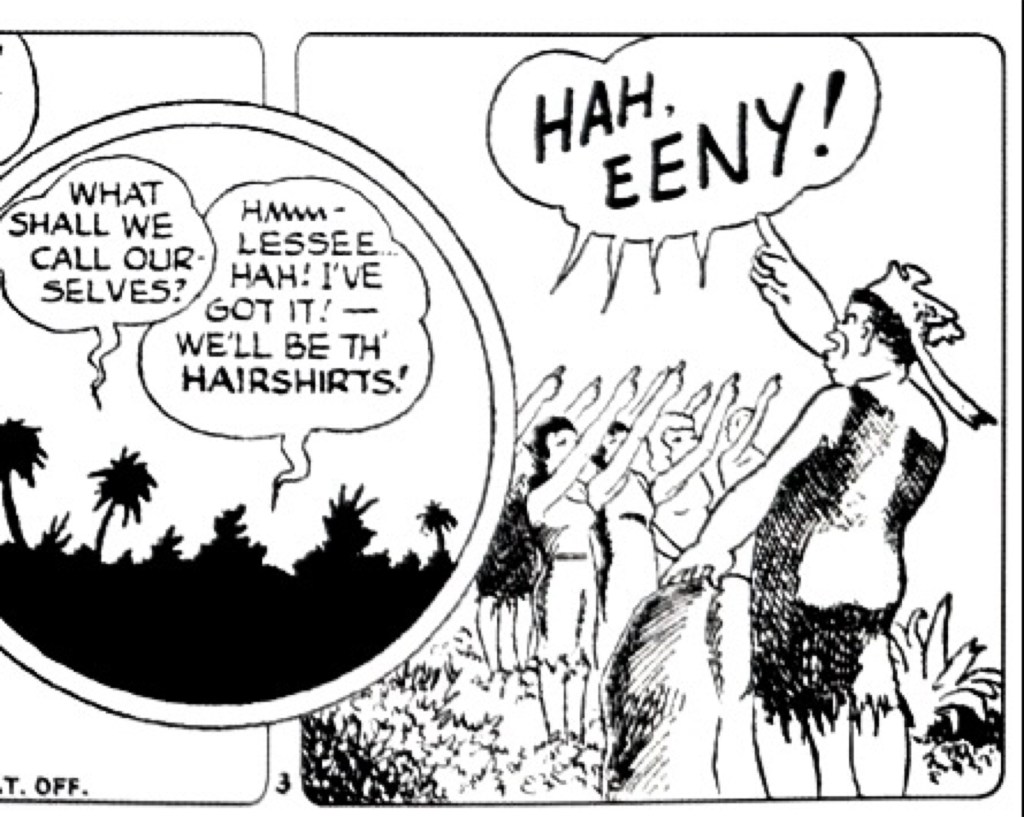
V.T. Hamlin was unambiguous about introducing to Alley Oop’s kingdom of Moo the interloping dictator Eeny in 1938. “She was Hitler,” he admitted in an interview later in life. Even three years before America’s entry into the war in Europe, Hamlin felt it was inevitable. The villainous dictator Eeny would reappear during wartime as well, but in this first episode we see Hamlin’s take on how bad leaders co-opt good people.
Continue readingNot-So-Silly Symphonies: Disney Meets the Depression

Disney’s Silly Symphonies comic strip of the 1930s would not be my go-to place for veiled references to weapons of mass destruction, hobo philosophy, trench warfare or impoverished ghettoes. Much to my surprise, the first year of this brand extension of the studio’s hit animated short series included all of those dark themes and more.
Continue reading