

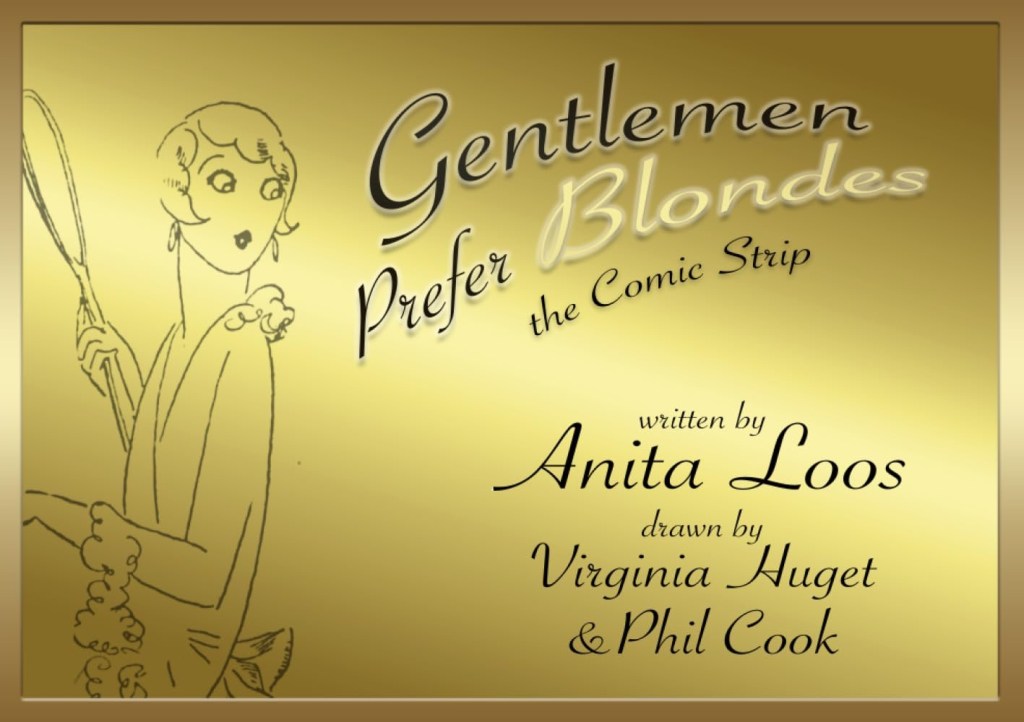
Moving through this year’s shelf of notable titles for comics aficionados, I wanted to call out several projects that revived forgotten or previously uncollected work. From a pharmacist heroine to an illustrated prayer, the ultimate 20s flapper to a pioneer of cartoon journalism, 2024 surfaced some real gems.
Continue readingTag Archives: Reviews
Shelf Scan 2024: Taschen’s Ultimate Duck

Kicking off this year’s roundup reviews of notable books for comics history buffs, let’s start with the annual Taschen doorstop.
Continue readingI Hear America Talking: Stan Mack’s Real Life
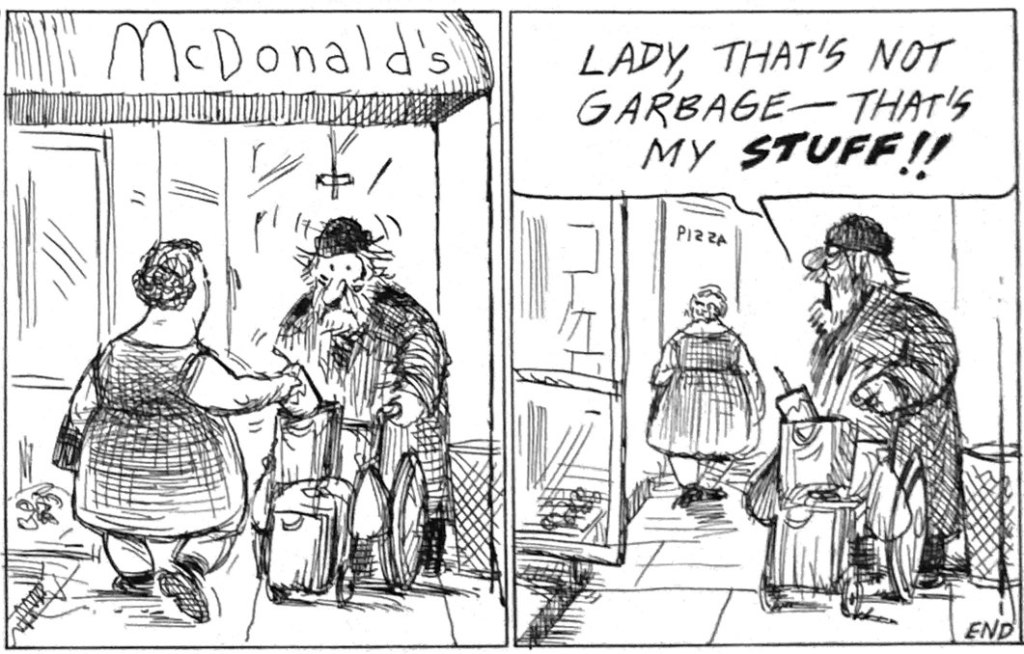
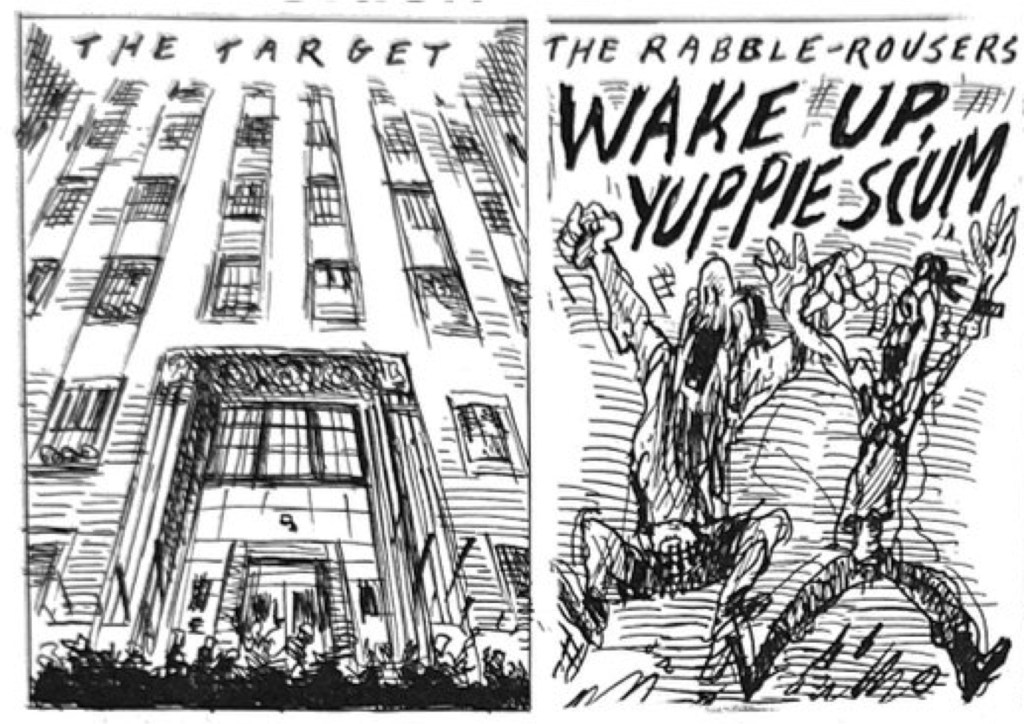
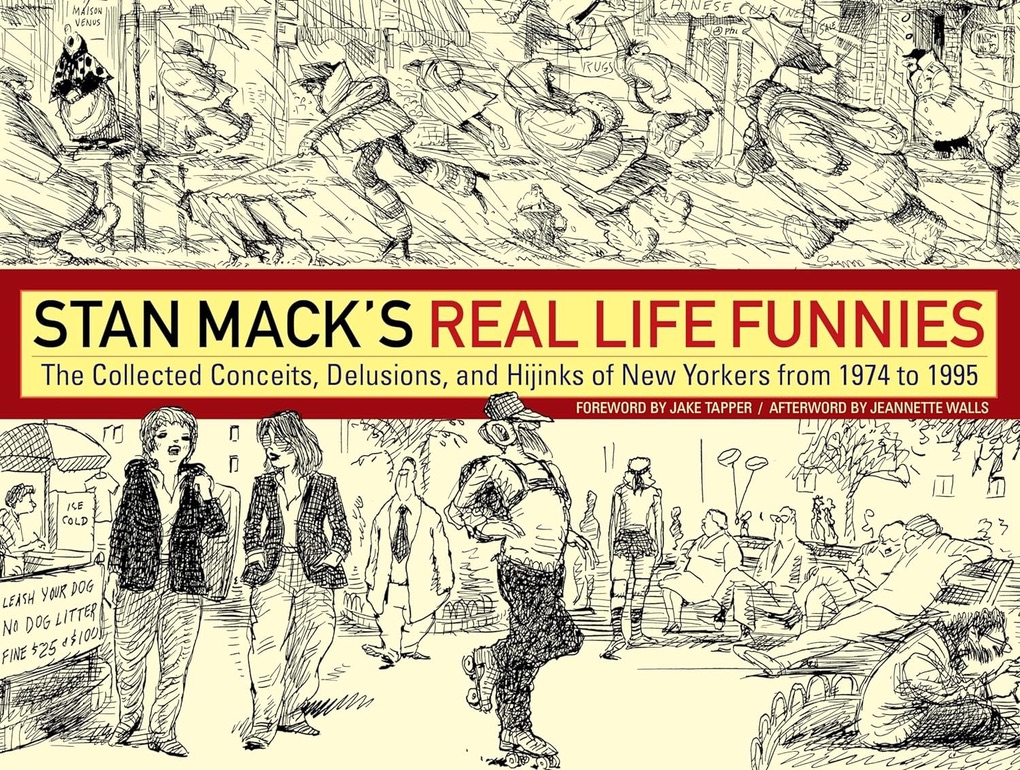
Earlier this summer, I got to chat with visual journalist Stan Mack as he launched the indispensable compilation of his most famous work, Stan Mack’s Real Life Funnies: The Collected Conceits, Delusions, and Hijinks of New Yorkers from 1974 to 1995. The interview is embedded below with a cursory review after that.
Advertising Decency: The Cartoon War on Hate

Hate is an easy sell. In the marketplace of hearts and minds, intolerance, grievance, anger are some of the most compelling product features of any cause or candidate that is new to the political shelves. Likewise, simple, high aspirations tend to market more easily. See “Hope and Change.” Appealing to base instincts or ambition and aspiration is Marketing 101 in America’s cultural economy.
Continue readingBooks That Made Me: A Panels & Prose Journey

Panels and Prose began in September 2019 with a modest post about R.F. Outcault’s mentor in urban urchin cartooning, Michael Angelo Woolf. After a series of shorter posts and book reviews, I started writing in earnest the following March a series of deeper long and short essays (that now number over 150) on the comic strip and American culture. This seems a good moment to reassess what this site is about, where it came from and where headed. I have recast the site’s “About” page to include more about my own journey through comics history and especially the six books that lit my fire as a young teen.
Continue readingMore Holiday ’23 Books for Comics Nerds

In the two months since my last roundup of 2023 books, publishers have unleashed a torrent of books aimed at holiday gift giving. So let’s catch up with capsule takes on the more notable releases in this last quarter.
Continue readingBook Review: From Distressed Damsels to Dauntless Dames

Comic strip history fans should run, not walk, to grab the one indispensable reprint project of this holiday book season, Trina Robbins and Pete Maresca’s Dauntless Dames: High-Heeled Heroes of the Comics (Fantagraphics/Sunday Press, $100). And I don’t mean “indispensable” as a blurb-able critical throwaway, either. The female characters and creators reprinted here from the 1930s and 40s have been “dispensable” in too many histories of the newspaper comic. The central value of this volume is the smart editorial decision Trina and Peter have made here: surfacing strips and artists who have been underserved by the standard anthologies and reprint series. Whether it is Frank Godwin’s pioneering adventuress Connie or Neysa McMein and Alicia Patterson’s Deathless Deer, Bob Oksner and Jerry Albert’s Miss Cairo Jones or Jackie Ormes’ Torchy Brown Heartbeats, the editors have not only featured previously un-reprinted and forgotten material. We get here substantial continuities from each strip that allows a much deeper appreciation for each strip’s character interactions and story arcs than we get from typical anthology samples. You are in the hands of two masters here. Trina has single-handedly championed the history of women comics creators in a number of previous historical and reprint works. And the longtime editor and founder of The Sunday Press, Peter is not only a walking library of comic strip history, but a sensitive curator and restorer. As a book, Dauntless Dames has the same qualities as the heroines it reprints: at once brainy and drop dead gorgeous.
Continue reading Panels & Prose