Gal Gangs, Femdoms and Queen Bees: Matriarchal Mayhem in the 1930s

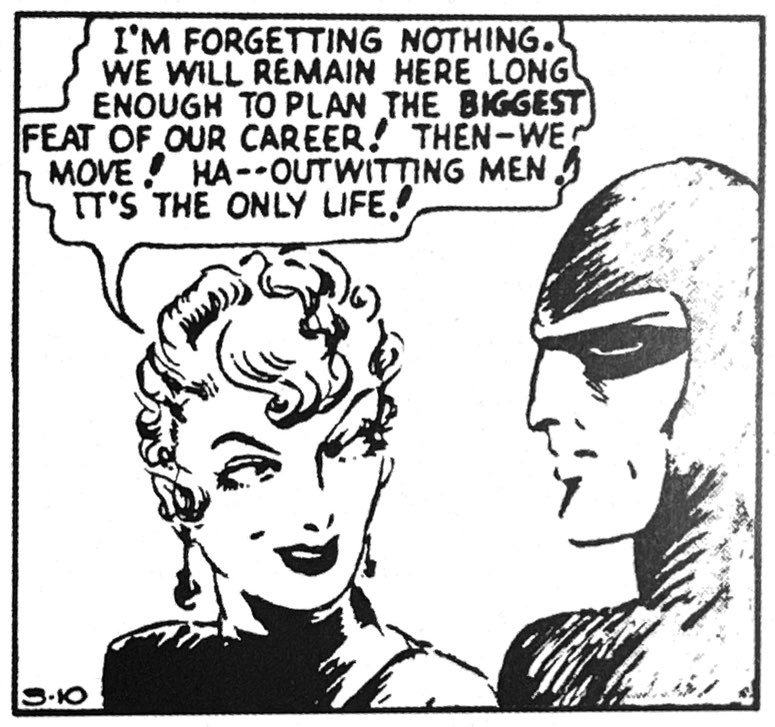
Women-led “Amazon” worlds popped up in a ranges of comic strips during the 1930s and 40s, and they voiced a range of ideas about the prospects for matriarchal rule. In an earlier article we explored otherworldy femtopias in Buck Rogers 25th Century, the Connie strip’s vision of the 30th Century and even in the “Bone Age” of caveman Alley Oop.  More muscular he-men heroes like The Phantom and Tarzan, however, found the prospect of matriarchy a bit more, well, shall we say, threatening?

Continue reading

Get Me to The Church on Time: Decoding the Postwar Cartoon Marriage Boom

“It is a old comical strip trick – pretendin’ th’ hero gotta git married.” It keeps “stupid readers excited,” Li’l Abner claims in 1952. Days later he unwittingly weds Daisy Mae, ending a nearly 20 year tease. But this time it was no “comical strip” trick. In fact, several perennial bachelors of the comics pages fell in a post-WWII rush to the altar. Along with Abner, Prince Valiant, Buz Sawyer, Dick Tracy and Kerry Drake all enjoyed funny page weddings between 1946 and 1957. Comic strip heroes were just following the lead of the real-world heroes returning from WWII. Desperate to make up for lost time and return to normality, over 16 million Americans got hitched in 1946, the year after war ended in Europe and the Pacific. But each of these strips framed the new normal in American life differently. As the best of popular art often does, Vale, Dick, Abner, Buz, Kerry and their mates offered Americans a range of stories, myths really, about what this new normal meant.

Continue reading

Your 2936 Model iPad…Via 1936

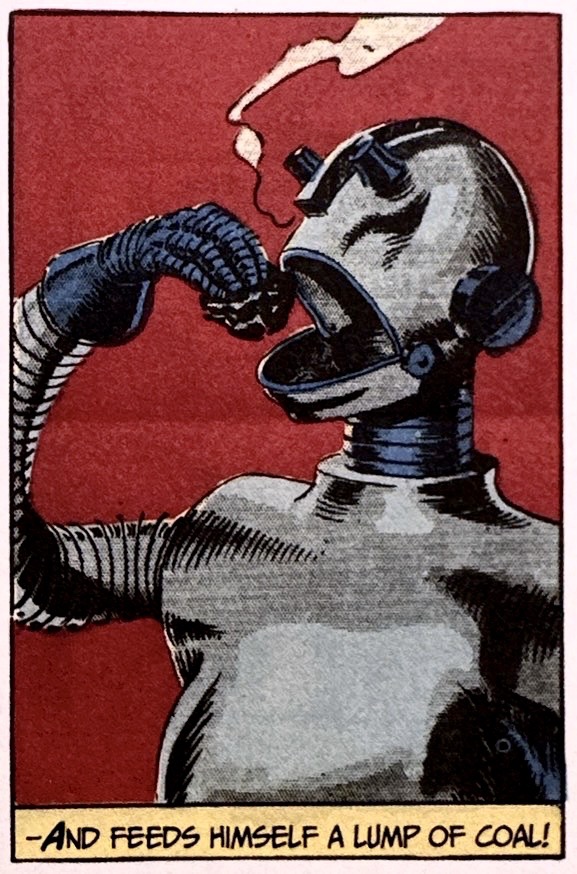
When Frank Godwin sent his adventure comic strip heroine Connie Kurridge a thousand yeas into the future, this amateur engineer had a field day imagining technologies of the next millennium. During the extended story arc, the Connie strip ran a “topper” on the bottom each week called Wonder Land. The content was often hosted by the “Dr. Chrono” character from the main storyline who had invented the time travel machine. the strip served as a kind of explainer series that elaborated on technical details related to that week’s tech of the future. But one week we get a particularly prescient future gadget that resembles the best steampunk visions from Buck Rogers.

Continue reading

Great Moments: Dick Tracy and The Death of the Brow

The hallmark of Chester Gould’s Dick Tracy is its surreal villains. Flattop, Pruneface, Mole, Mumbles, et. al. But Gould wasn’t satisfied expressing inner evil with outward disfigurement. He also loved to torture and kill them in equally grotesque ways during the prolonged hunt and chase sequences that were central to every Dick Tracy storyline. Gould wanted more than justice against evil. He wanted revenge and sometime literal pounds of flesh.

Continue reading

Great Moments: The Rise of Dauntless Durham of the USA

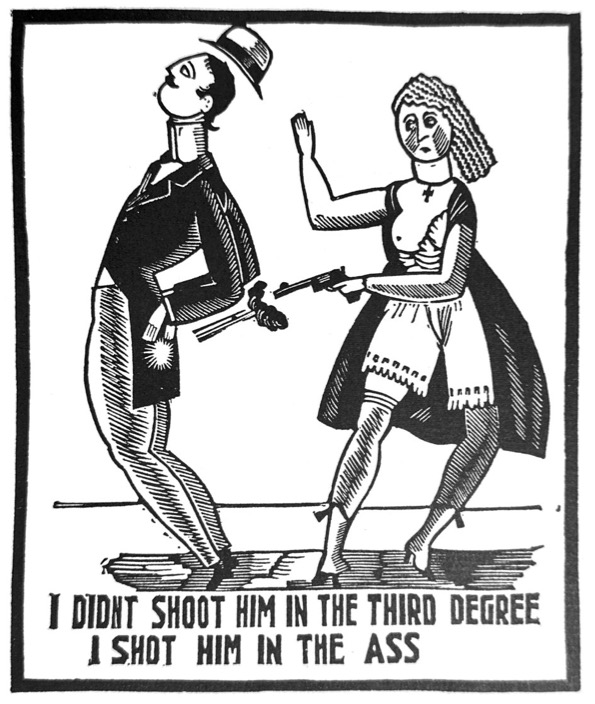
Harry Hershfield’s Dauntless Durham of the U.S.A. only ran for about a year in 1913-14, but it was among the most fully bonkers American comic strips in its imaginative extravagance. Durham was among several sends of the familiar 19th century hero/damsel/villain melodrama. Our damsel is kidnapped relentlessly by the mustachioed, top-hatted Desperate Desmond and rescued in improbable ways from impossible peril.

Continue reading

When Superman Was Woke?

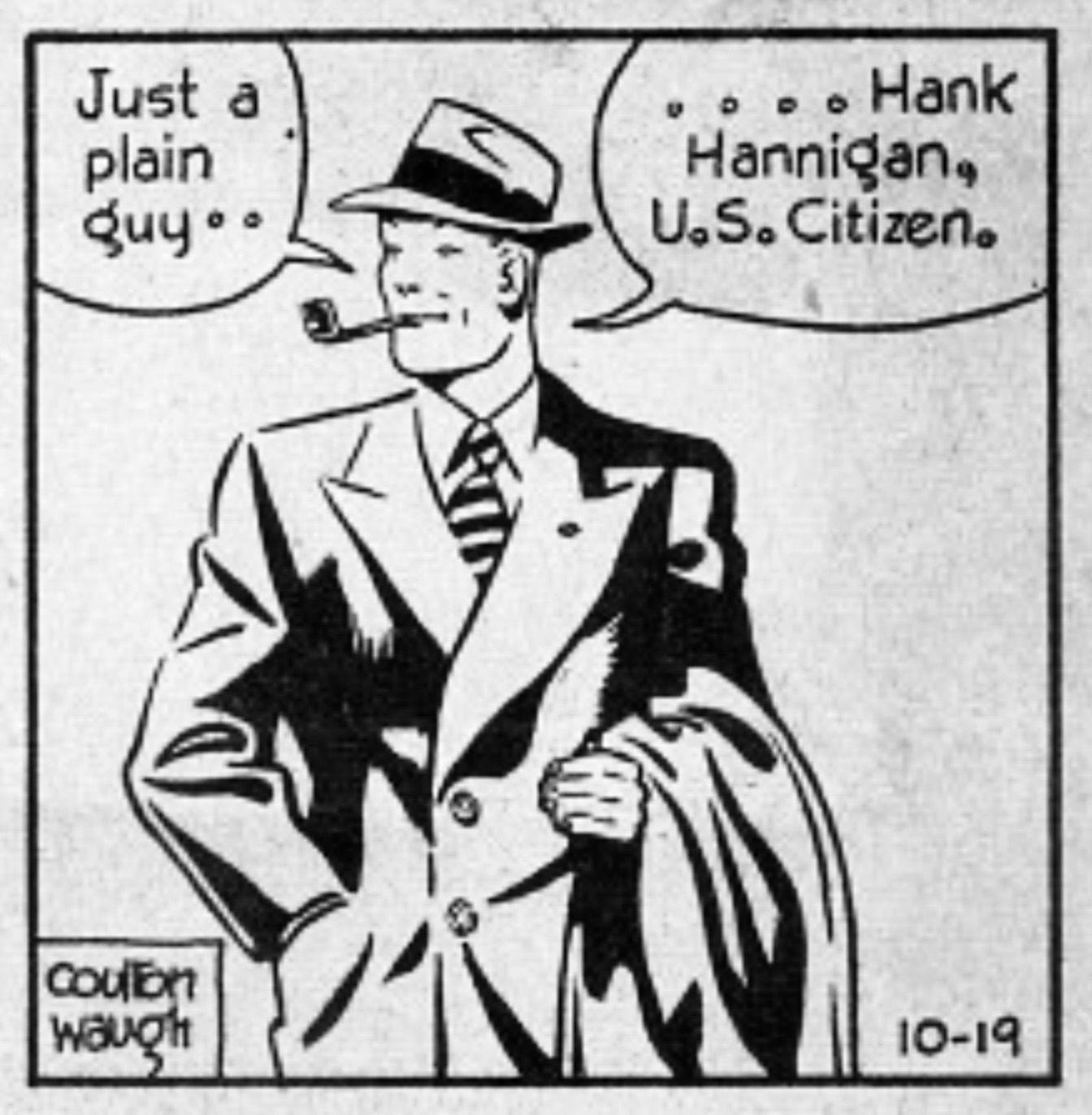
America needed a hero. That is how Superman creators Jerry Siegel and Joe Shuster remembered the late-1930s world in which their modern myth soared. Everyone is familiar with the Clark Kent origin story: orphaned by cosmic circumstance; rocketed to Earth; fostered by the Kents in the american breadbasket; super-powered by our planet’s physics; and taking on his secret identity as the milquetoast reporter. It is that rare mass mediated pop culture fiction that genuinely approaches folk mythology. It is an origin that compels retelling for every generation. Less attention has been paid to his political roots, however. Every comic strip in the adventure genre especially has an identifiable political slant, most obviously in its choices of wrongs to right and the villains to subdue. The famously conservative Chester Gould in Dick Tracy and populist Harold Gray in Little Orphan Annie were the most overt. Less obvious was the implicit imperialism of Milton Caniff’s Terry and the Pirates and most of the adventure pulps, which characterized non-Western cultures as at best quaintly primitive or at worst inherently brutal.

Continue reading

Peak Segar: Plunder Island (1934)

The Plunder Island sequence of Thimble Theatre Sundays that ran from December 1933 to July 1934 was E.C. Segar’s signature epic. It concentrated most of this master’s diverse talents and blended the many genres Thimble Theatre traversed into the strips most impressive run. Fabulism, farce, adventure, sentiment, venality, romance, screwball — all and more are here. And along the way, Segar even fleshes out and distinguishes among his key characters.

Continue reading