Thimble Theatre Before Popeye: E.C. Segar, American Humorist

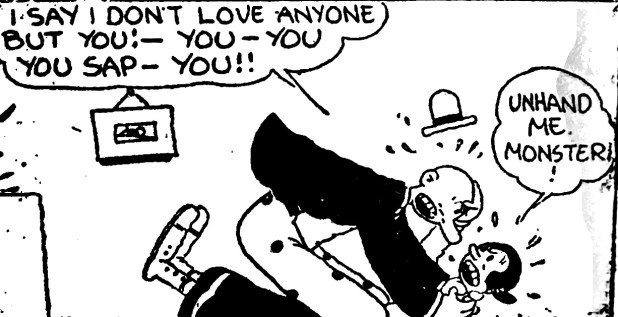
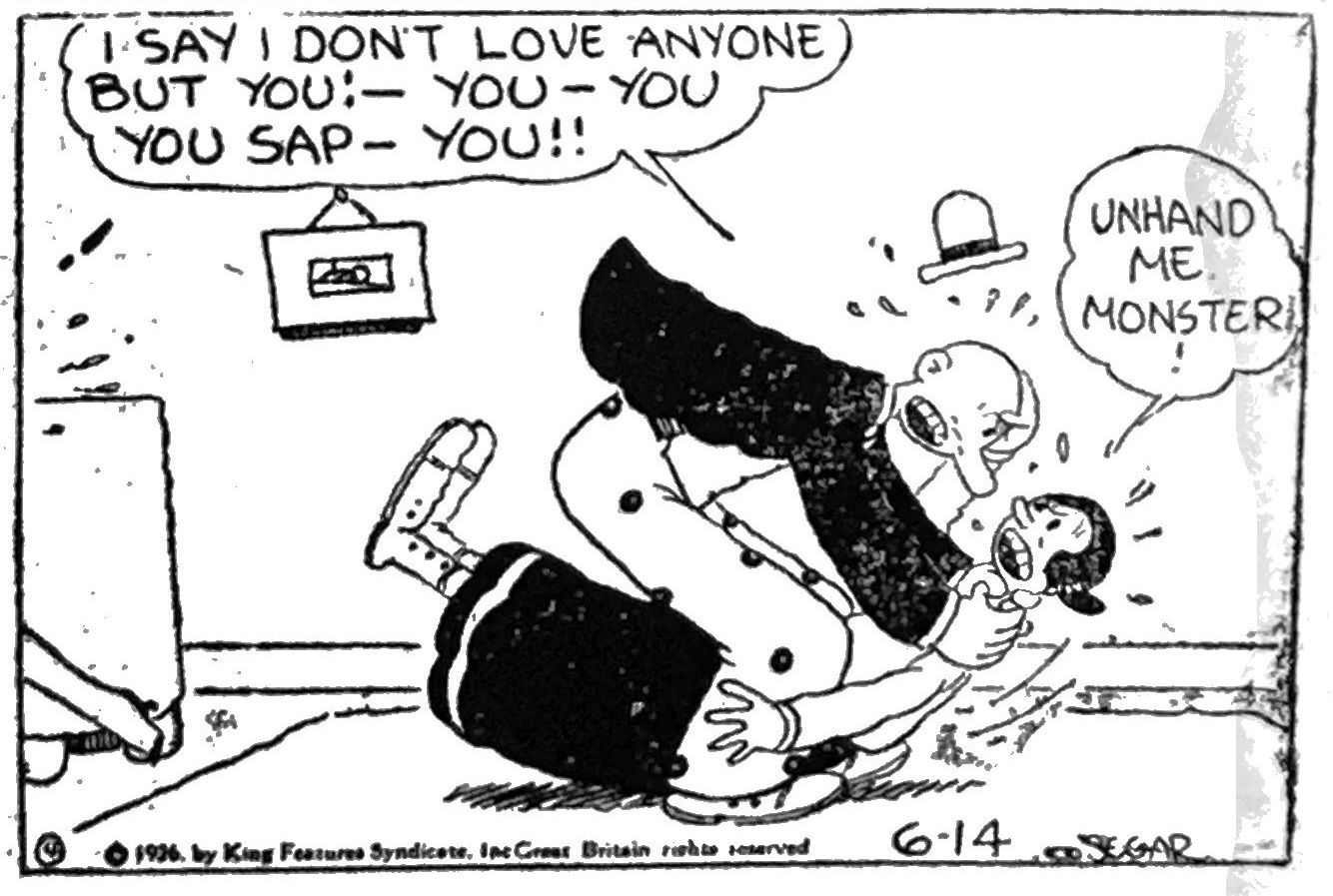
Popeye’s impact on E.C. Segar’s Thimble Theatre in 1929 was so enormous that the previous decade of the strip’s life soon became a footnote to comics history. But, of course, Segar’s legendary storytelling skills in sagas like Plunder Island and the Popeye’s Ark/Spinachova cycle did not spring spontaneously from any newfound talent. He spent the previous decade developing a unique comic voice. Until now, the only deep dive into Pre-Popeye Thimble Theatre came from the beautiful, oversized, pricey collection from Sunday Press that collected select color Sundays across the1920s. But two new reprints of extended daily runs now let us zoom into the maturation of this singular American humorist through extended runs of the dailies. Thimble Theatre, The Complete Dailies, 1919-1920 (Boring Comics) initiates a multi-volume reprint project of all pre-Popeye strips from Library of American Comics veteran Kurtis Findlay.  And Thimble Theatre: “The Saga of Cylinda Oyl” Vol. 1, which covers April 22, 1926-Jan. 19, 1927) starts three-volume coverage of a major story, which comes to us from filmmaker Frank Tovar.

Continue reading

The United States of Snark: Tad Dorgan’s Indoor Sports

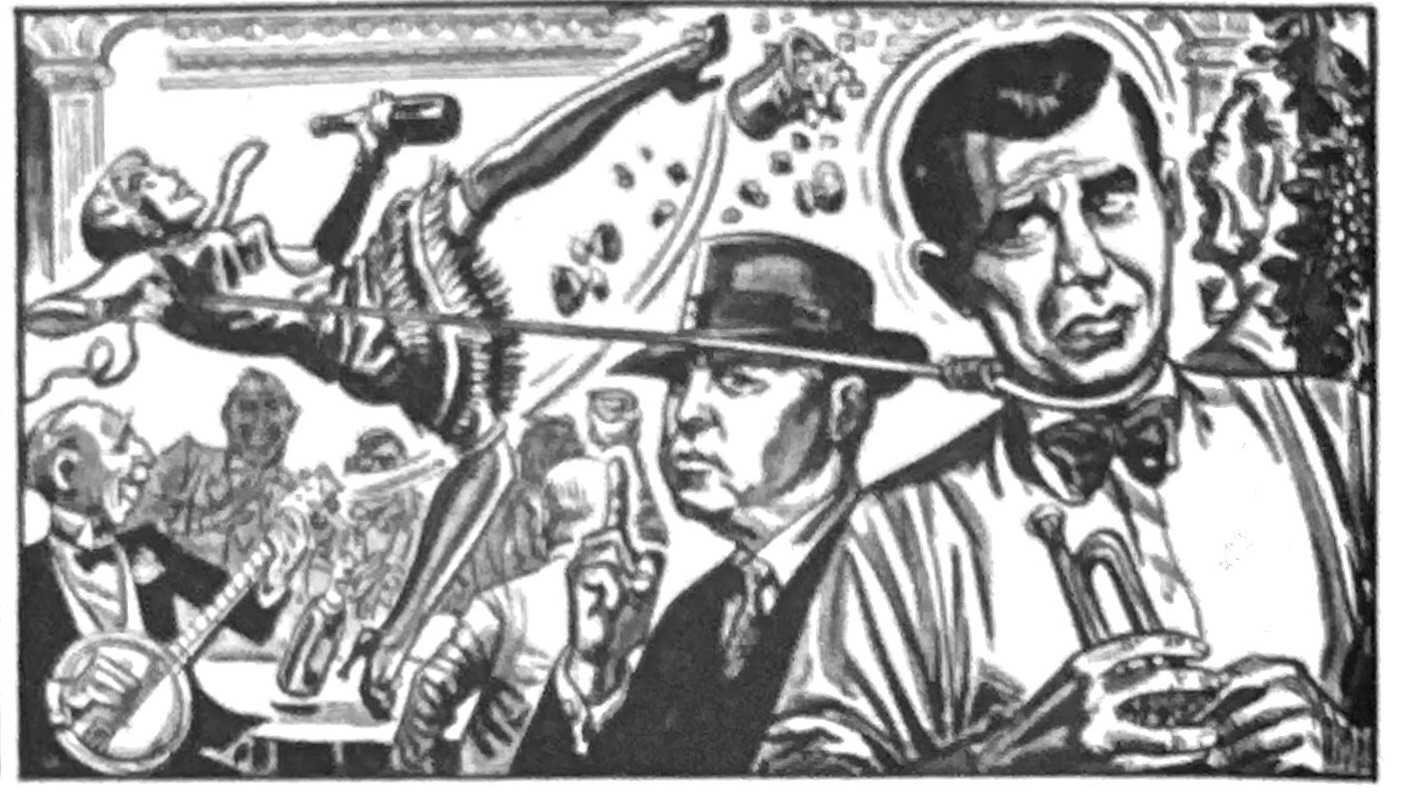
Thomas Aloysius “Tad” Dorgan (1877-1929) was a master of the miniscule moment. His wildly popular Indoor Sports single panel strip (1913-1929) captured, and mercilessly chided, the small stuff: judging the new boyfriend, or the new suit, or the new office boy; impressing the boss by laughing (too hard) at his jokes; saving face when the least experienced poker player wins the big pot; evaluating the new stenographer; a barroom braggart. This was a kind of cartoon social realism that would become familiar in comics pages across the next decades, because Tad pioneered the format. These indoor landscapes typically foregrounded minor pretention with a surrounding “peanut gallery” of onlooking family, office workers, bar customers offering snide asides on the situation.

Continue reading

Deep Cuts: Quick Takes on Our Golden Age of Comic Strip Curiosities

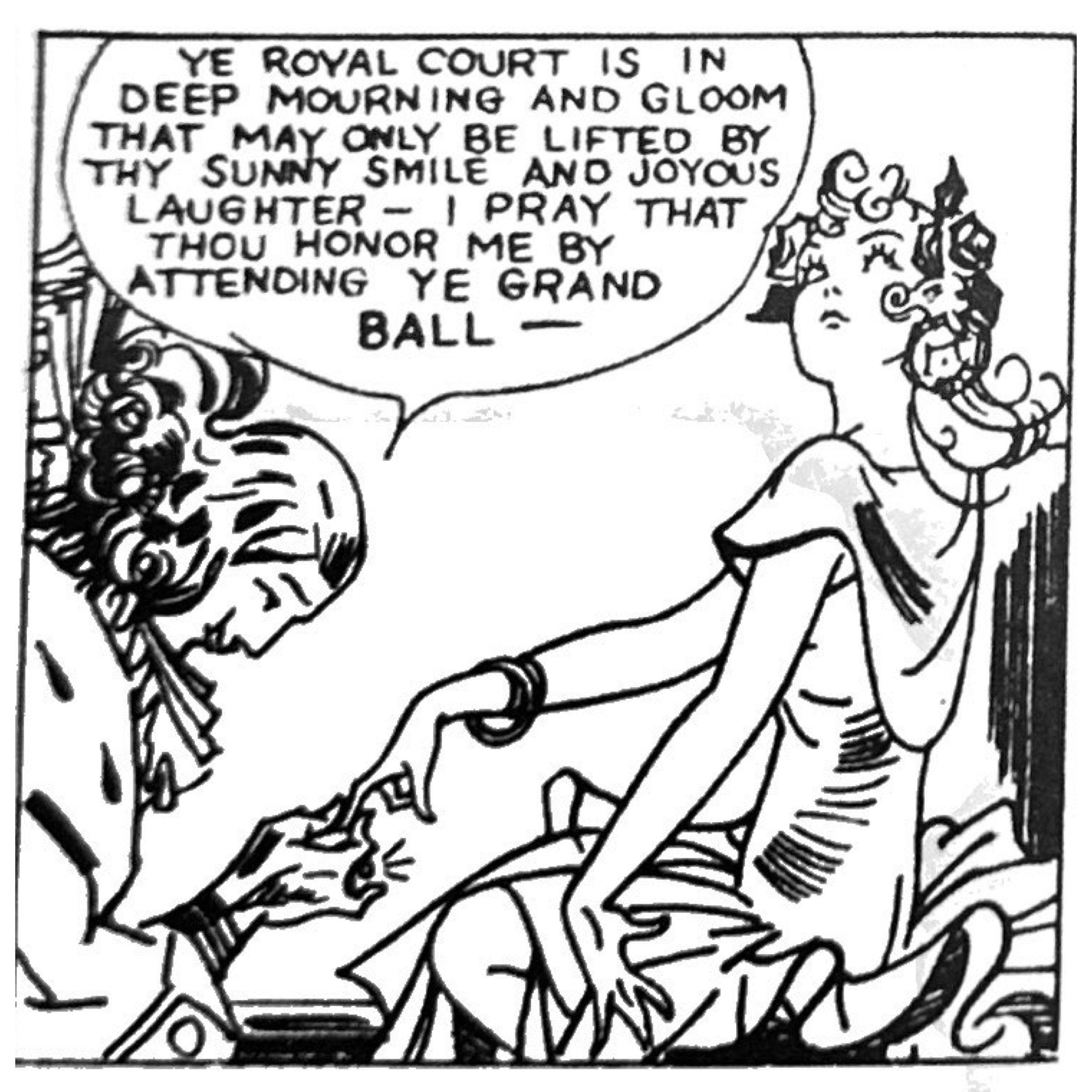
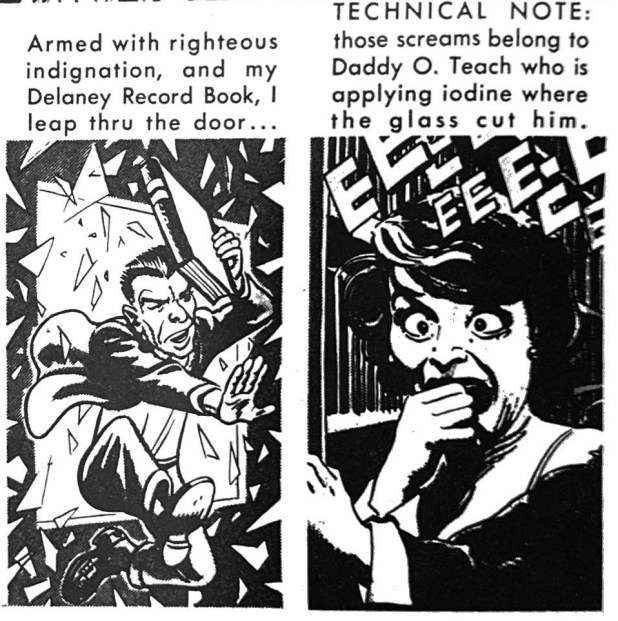
About 10,000 different comic strip series emerged in American newspapers during the medium’s first 75 years, Jerry Robinson estimated in his 1974 history. I guess it all depends on what you count. Holtz’s magisterial 2012 “Encyclopedia” included just over 7,000 entries covering more than a century of strips. Whatever math you use, however, it is clear that a signature feature of the comics medium has been the sheer volume of creative variety. In fact, I would argue that among the competing commercialized mass media of the last century, the comic strip enjoyed a unique range of idiosyncratic, highly personal artistic visions.

Continue reading

“Stop Biting!”: Cairo Jones’ Hard-Boiled Cheesecake

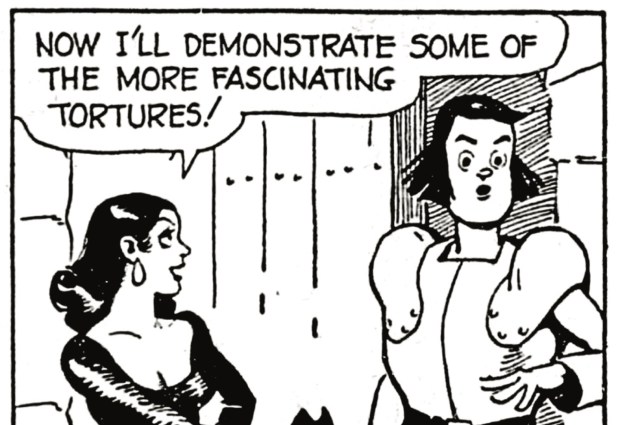
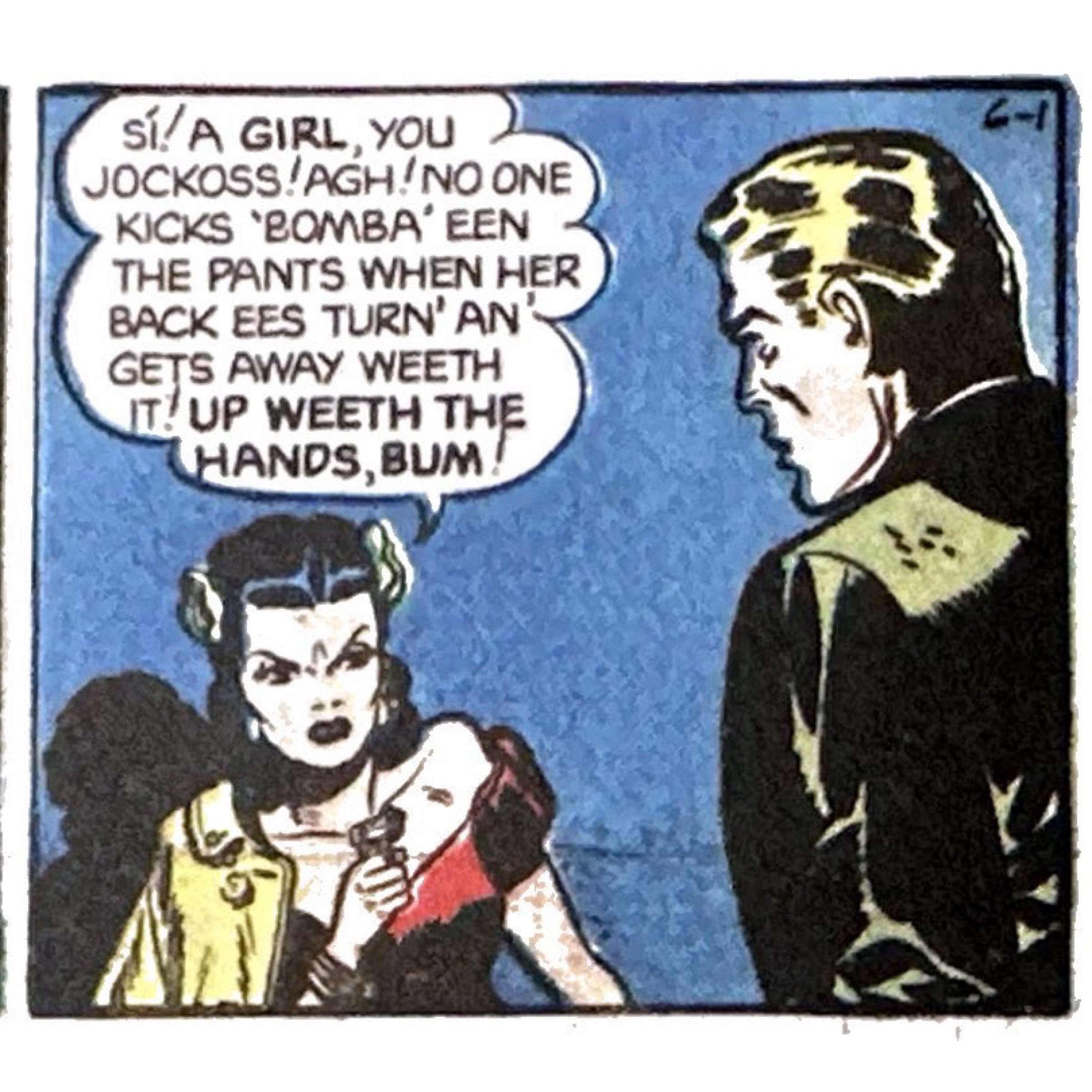
The home front during World War II was a wonderful arena for gender reassignment. As we explored via E. Simms Campbell’s quick-witted and curvaceous “Cuties,” women adopted new roles with so many American men overseas, and this helped shake up, if for a while, a number of longstanding stereotypes across popular culture. Just as women were ready, willing and able to fill vacant jobs from the assembly line to management, they were just as ready to become adventure heroes.

Continue reading

Badly MAD: Snafu and Misreading Kurtzman

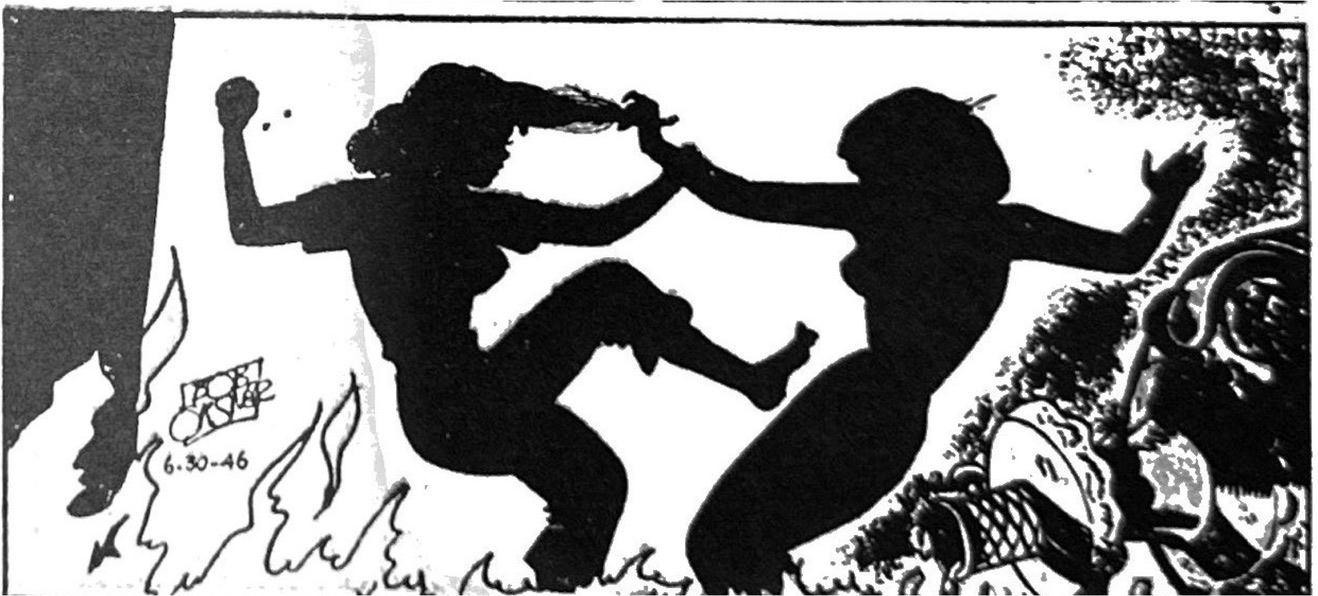
Harvey Kurtzman and Hugh Hefner were the two towering figures of 1950s culture who showed how idiosyncratic personal vision innovate even in an era of corporatized modern mass media. The best evidence of this is the abject failure of other publishers to imitate their success, at least in their first decade. Kurtzman’s MAD and Hef’s Playboy were singular efforts that made the many knock-offs seem like crude and exploitive misunderstandings of what these geniuses had wrought.

Continue reading

Exploring Pre-Code Comfort Comics: Atlas’ Weird Worlds and Bill Everett

Reviewing Atlas Comics Library No. 9: Adventures Into Weird Worlds and Atlas Creator Collection, No. 3: Bill Everett

The Fantagraphics project of reprinting extended runs and top creators from 1950s Atlas comics continues at a breakneck pace. I won’t bother arguing whether such a completist approach to non-EC pre-code comics is worthwhile. Clearly the effort found a hardcore market of fans for exceptionally well restored, presented and contextualized output from the pre-Marvel days of Marvel. Dr. Michael J. Vassallo provides dense intros that both situate the title at hand as well as add to his ongoing history of Atlas. In this case we get the first 10 issues of Adventures Into Weird Worlds (1952), one of the better efforts to cash in on the peaking horror/weird comics craze. Some of the greats of the pre-code genres are here: Russ Heath, Joe Maneely, Bill Everett, George Roussos, and even a Bernie Krigstein effort (albeit underwhelming). While all of these artists clearly are hacking it out here and working generally in second gear, there are joys to be found nevertheless.  

Continue reading

Book Review: Hal Foster’s Tarzan Years – Building A Great White Father


We could easily frame Hal Foster’s 1931-1937 run of Tarzan Sunday comics merely as a pleasant preamble to his magnum opus, Prince Valiant. By his own admission, Foster was a reluctant cartoonist. The successful magazine and commercial artist carried that world’s condescension towards the comic strip. Famously, he quipped in 1984 that being invited to replace Rex Maxon on the Tarzan Sundays was “To be asked to sell my birthright for a mess of pottage.” But the Great Depression had hit advertising and print media hard, so Foster took the life raft. But as TASCHEN’s new and definitive reprint of his Tarzan years shows, Foster was doing more than warming up. Others like Frank Godwin and Nell Brinkley had already started to introduce less cartoony, more illustrative styles to comics pages. But Foster brought into the mix dynamic, realistic figure art, a remarkable attention to color, and an appreciation for spectacle that newspaper Sunday pages hadn’t seen since the earliest years of experimentation by the likes of McCay and Feininger.

Continue reading