
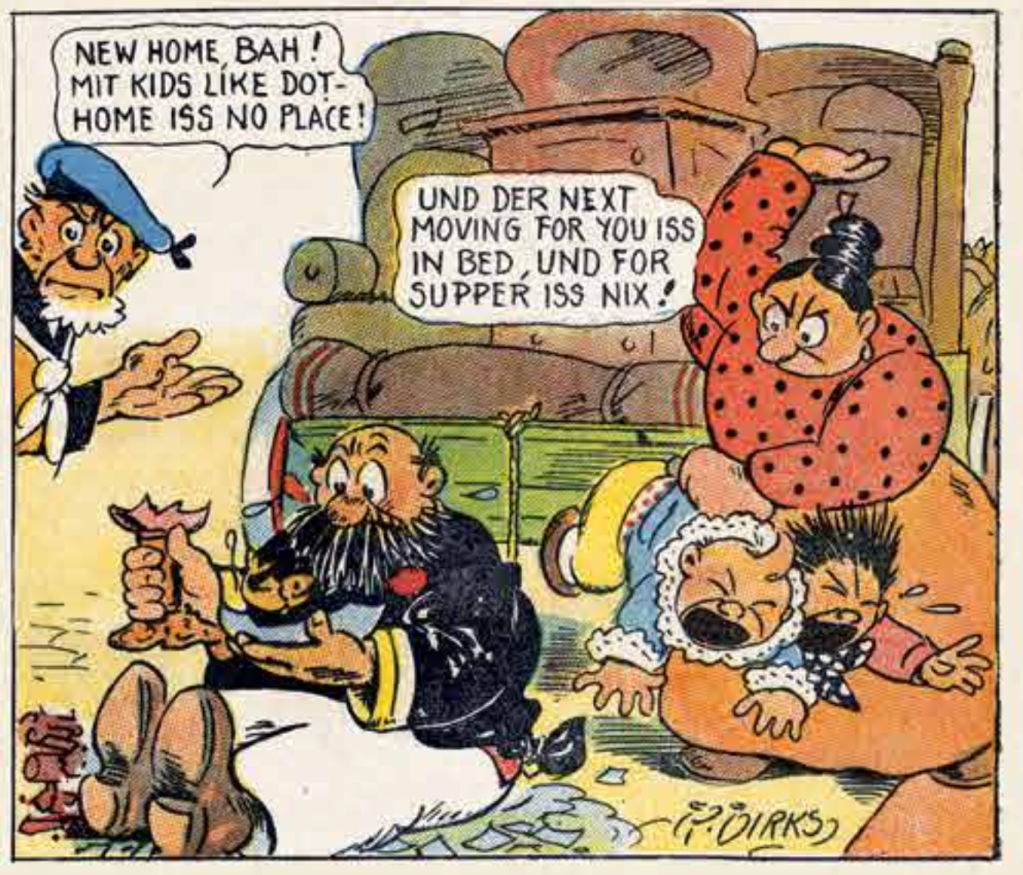
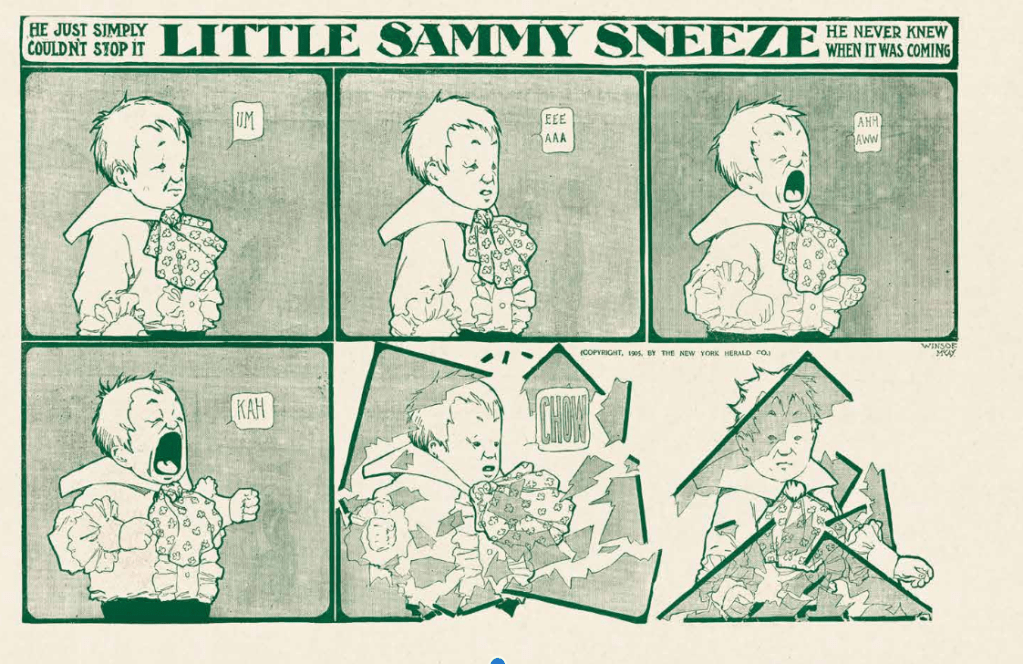
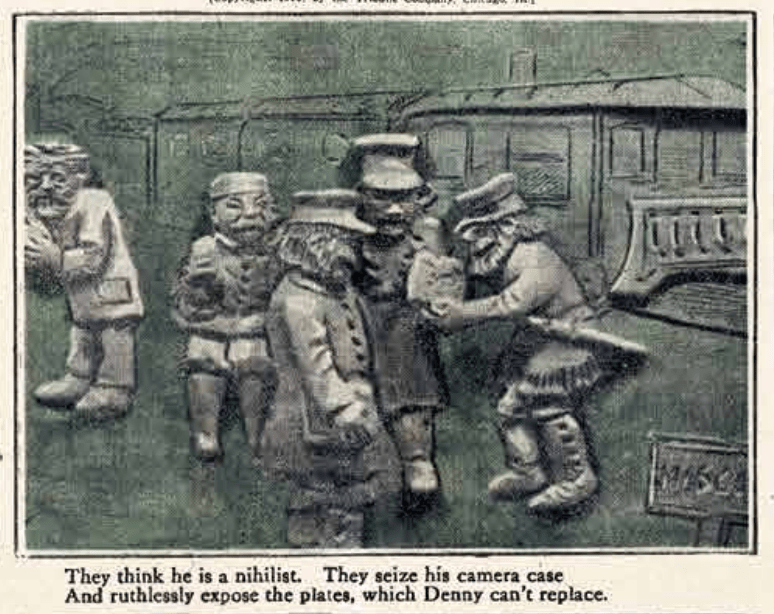
When the massive 21-inch by 17 inch, 152 page slab of early newspaper comic reprints bruised our laps in 2013, Sunday Press’s Society is Nix was a milestone. First of all, we had never seen so many examples from the innovative birthing years of the medium curated so intelligently, restored so beautifully and scaled to the original experience of the first Sunday supplements. Here we got that familiar crumbling mushroom forest in Winsor McCay’s Little Nemo in Slumberland, but now with the tonal nuance and size McCay intended. The Yellow Kid’s Hogan’s Alley was clear and detailed enough to appreciate all of that background business R.F. Outcault helped pioneer. We could best appreciate the sense of motion, and symmetry of Opper’s signature spinning figures in Happy Hooligan and Her Name Was Maude. And James Swinnerton’s often primitive-seeming linework revealed its expressiveness and intentionality when viewed closer up. Taking its title from a proclamation by the Inspector about the unruly Katzenjammers (“Mit dose kids, society iss nix!”), the book captured the creative freedom of a medium that hadn’t settled yet on a form, let alone a business model. Editor/Restorer Peter Maresca was unrivaled both in his eye for the right exemplary strip as well as his sheer skill in reviving the original color and detail from these yellowed, faded paper. For the last. Decade, Society is Nix remained indispensable for any fan or historian of the medium.
Continue readingTag Archives: 1900s
Swipe-Right Follies, Circa 1904
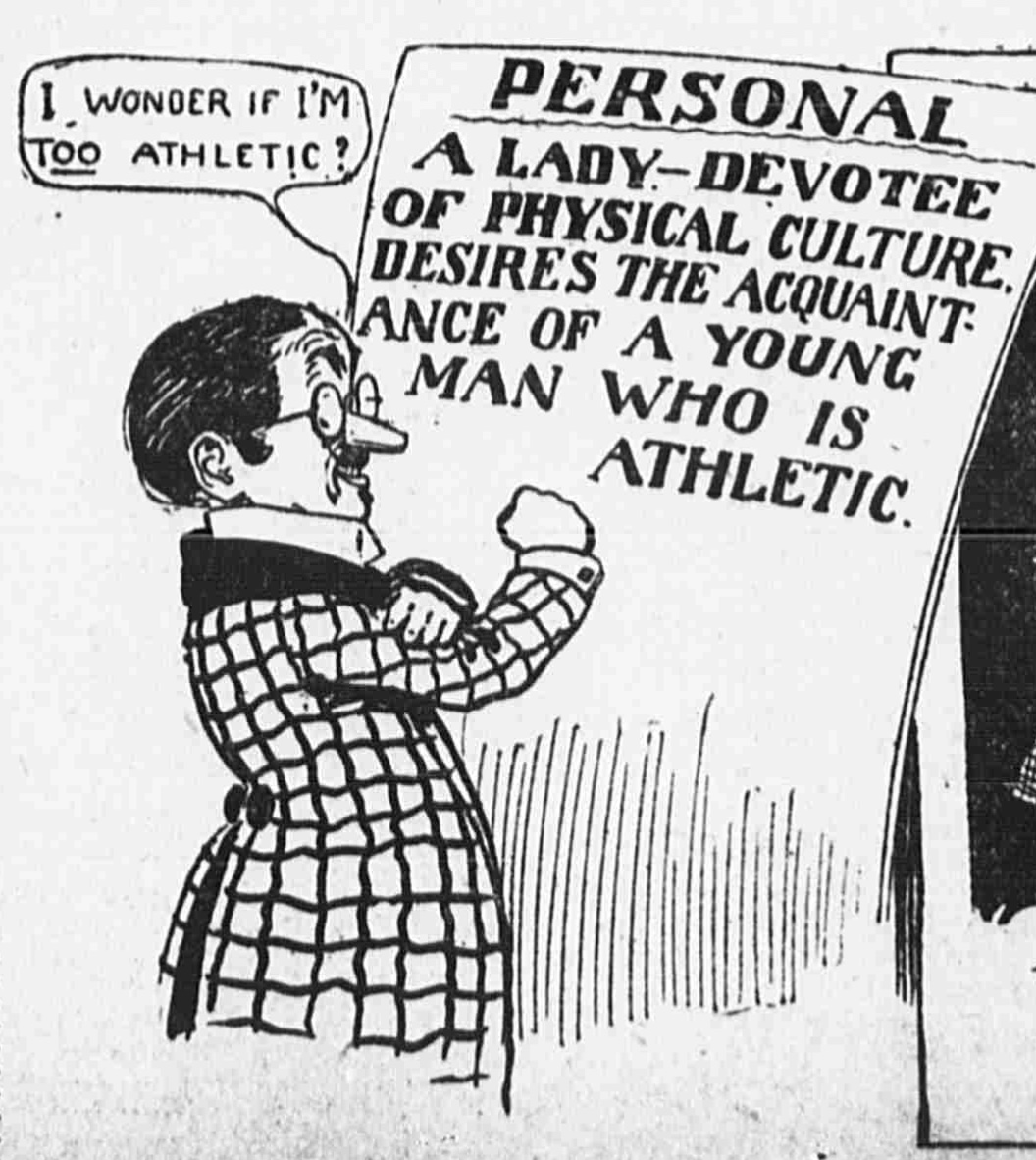
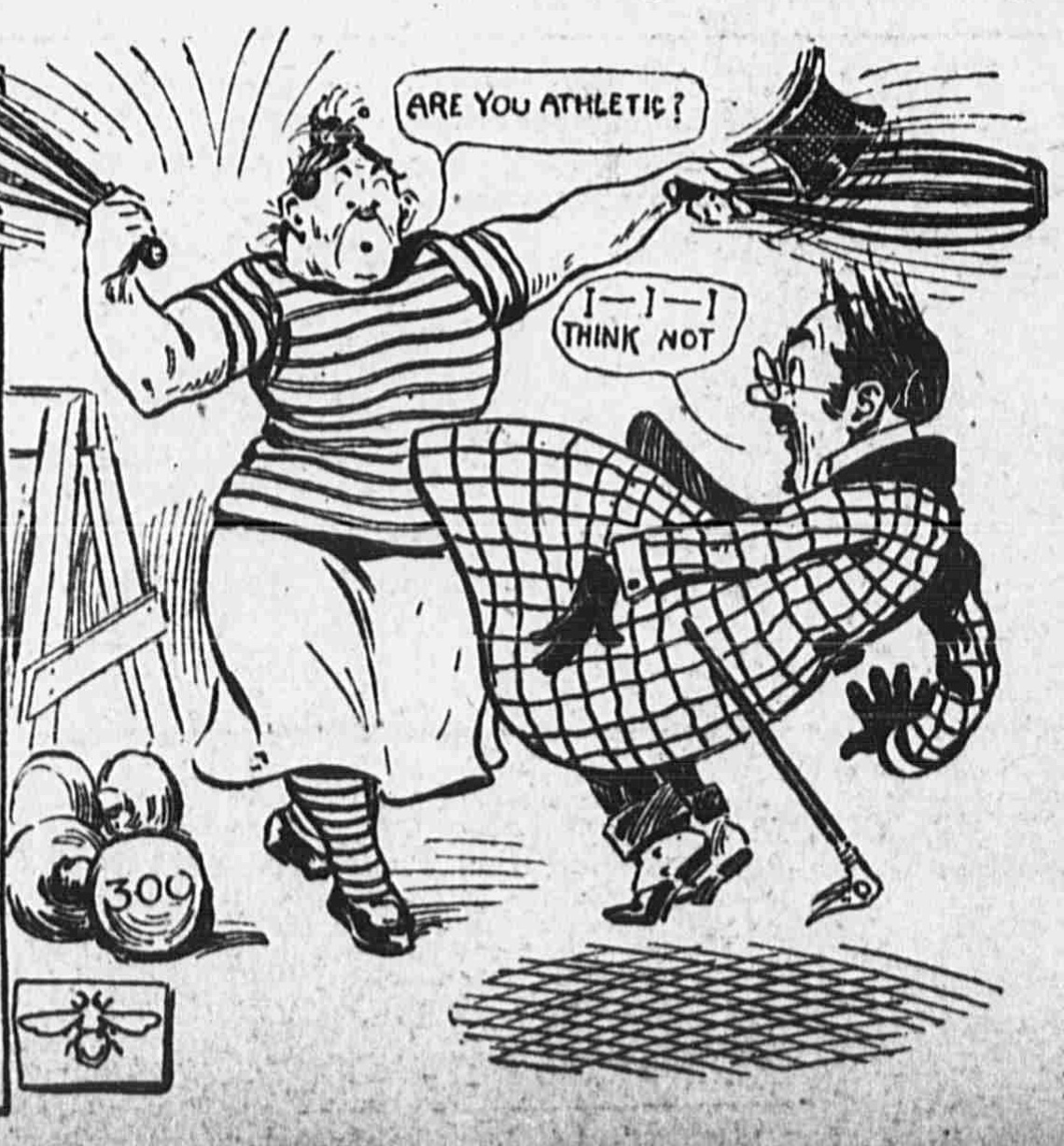
Apparently, getting a date was never easy, and the contemporary swipe-left, swipe-right mobile media is just the latest twist on an old genre – the “personals.” This short-run comics series of 1904, “Romance of the ‘Personal” Column,” in Joseph Pulitzer’s New York World reminds us that Americans were already jaded about the deceptiveness of these early versions of the dating app over a century ago. The strip followed a familiar formula. Our misbegotten suitor finds that the reality of his blind date is frighteningly different from his impression of the ad. Thus, he flees in panic; from a widow’s horde of kids, a muscle-bound athlete, and, in a racist turn that was standard in the day, a “dark brunette” who turns out to be Black. “Romance of the ‘Personal” Column” only ran a handful of times, but it is the kind of early comic strip trifle that surfaces a number of important themes in the cultural history of the first newspaper strips.
Continue readingThe Rapidtoodleum Will Save Us All

In the New York World on April 5 1904, a giant but apparently friendly robotic beast vaulted from an unfinished New York City subway entrance to address some of the city’s most pressing concerns. Daily, and for the next week, this cartoon “Rapidtoodleum” offered rapid transit that solved for a much-delayed subway project, exposed gambling in Harlem, proposed an alternative to overpriced city housing, outpaced a newfangled automobile, and lampooned the florid fashion in women’s hats.
Continue readingBuster Brown: ‘Race Suicide’ v. Family Planning, Circa 1903


Talk of declining fertility and birth rates, even white nationalist mumblings about “race suicide” have become a weird sidebar this election cycle. At the turn of the 20th Century, all of these themes had already been well rehearsed. In 1903, R.F. Outcault’s blockbuster hit Buster Brown alludes to contemporary arguments around changing gender roles, women’s increased autonomy, family planning and, yes, “race suicide.”
Continue readingA Tale of Two Comics: Gibson vs. The Comic Strip
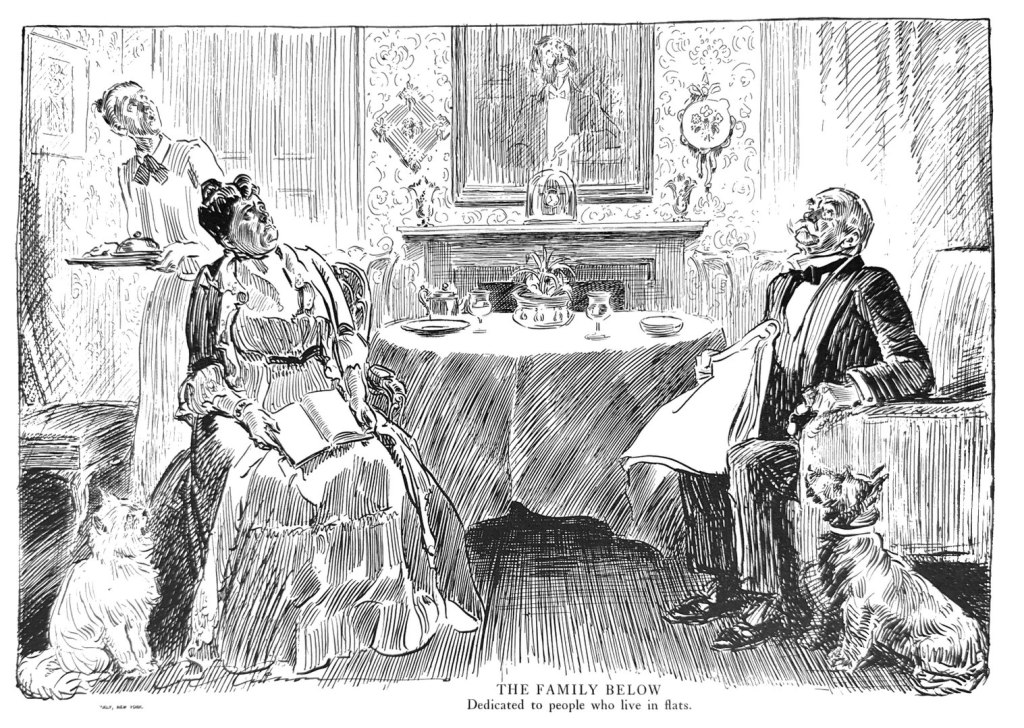

Charles Dana Gibson was the grandmaster of magazine illustration by the time the first wave of Pulitzer and Hearst’s cartoonists disrupted the media universe after 1895. And from the beginning, it was clear that newspaper artists, even those that migrated from the humor weeklies, were stretching both the form and subject matter of caricature beyond the genteel sensibilities of Puck and Life. The line was becoming more elastic, the expressions more animated and emotive, the action more extreme. Magazine humor was witty but remained politely seated in the middle-class parlor. Newspaper humor was raucous and usually situated out of doors, where just about anyone or anything could happen. For their part, magazine editors knew a cultural and economic threat when they saw one. Many magazine columnists and editors denounced Pulitzer and Hearst as vulgarians actively debased the culture with sensationalism. But the comic strip in particular was singled out for celebrating violence and appealing to juvenile sensibilities.
Continue readingMorning Meta: Winsor McCay’s Fabulist Realism

Just a reminder of Winsor McCay’s genius, this wondrous episode from Dream of the Rarebit Fiend. In other hands the simple furling of the panel would be enough of an inspired use of form. But McCay runs with the creative move to play through the possibilities of reimagining the comic strip frame as an object in the story. And as with all of McCay, the aesthetic innovation is laid atop the journalistic awareness of the real turn-of-the-century world. His middle class characters are just a few steps ahead of the debt collector. McCay’s special talent was for anchoring a fabulist imagination in a draughtsman’s respect for physics and a journalist’s awareness of the world changing around him.
Opper’s Antediluvian Ancestors: The Original Flintstones

This 1903 installment of Frederick Burr Opper’s Our Antediluvian Ancestors bears an eerie resemblance to Hanna-Barbera’s 60’s cartoon sit-com The Flintstones. From the Stone Age name play to the pet dinos to the rock-wheeled auto, it almost feels like source material. The anachronistic approach to the ancients took fuller form in Alley Oop in the 19300s and then again in B.C.
Opper was best known of course for the hapless hobo Happy Hooligan strip and the maddeningly polite duo of Alphonse and Gaston. But in this series we see his affection for the small comic details. Dig that crank and belt mechanism for the Antedeluvians’ car. Apparently, brakes had not been invented yet. Catch the blacksmith shoe-ing the mastodon. And of course there is Opper’s mastery of mayhem. Part of Opper’s physical comedy comes in his telegraphing the disaster unfolding yet still surprising us with unexpected twists. He was helping to invent some of the basic grammar of comic strip slapstick as well as the art of comic timing between panels. I think Opper doesn’t get the credit he deserves for refining some of the physics of early cartoon comedy. He represented frenetic action, cause and effect, and the slow motion effect to establish what made the funnies funny.
Find a deeper dive into Opper’s visual poetry in this earlier post.
Our Antediluvian Ancestors started in Hearst papers in 1901 and ran for several years. While not as popular as some of his other longer running work, this series was reprinted at the time.
 Panels & Prose