Nemo’s Consumer Dystopia: The Man Who Owned Mars (1910)

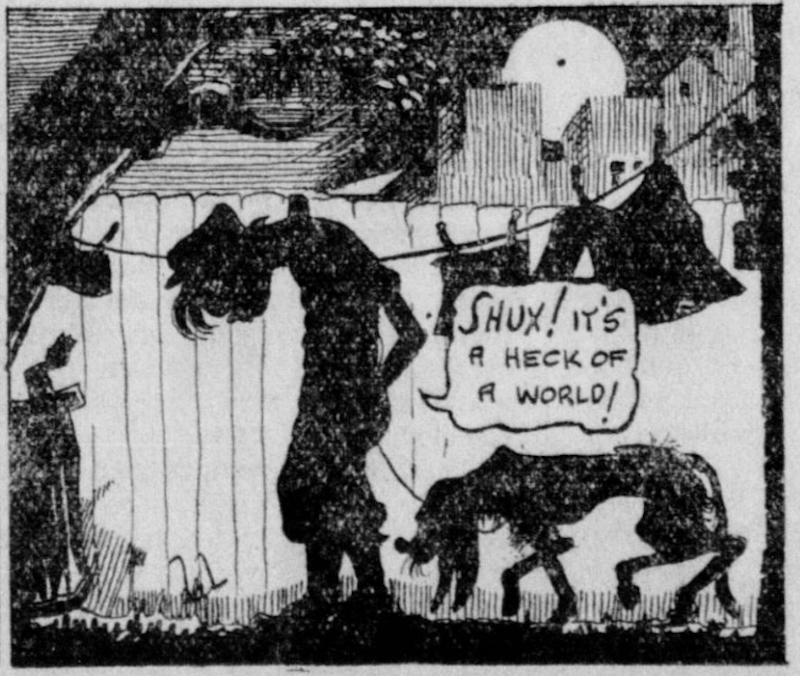
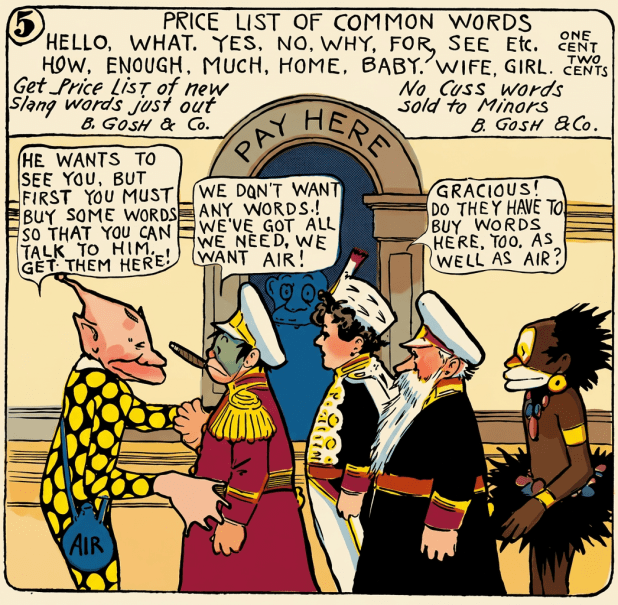
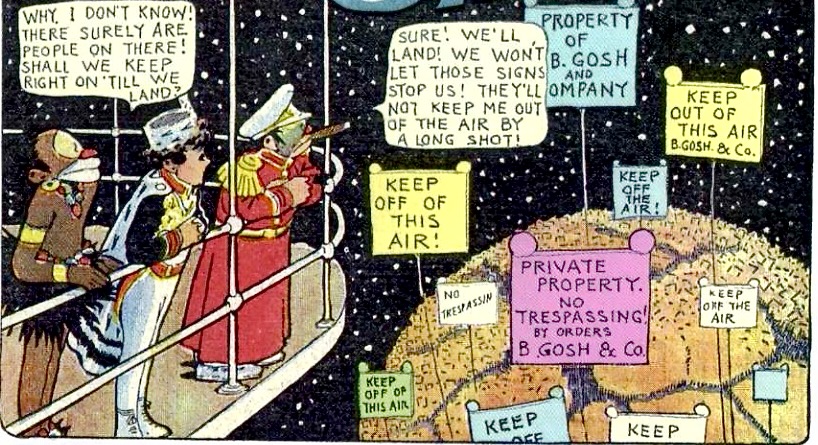
Between April 24 and Aug 23 1910 Winsor McCay sent Little Nemo and his wise-ass sidekick Flip to Mars, making for one of the longest and most politically pointed of the Little Nemo in Slumberland adventures. Mars was a dystopia of cement canyons and urban overgrowth, clots of faceless worker bodies rushing to thankless jobs. The landscape, with endless skyscrapers and spherical flying cars was as technologically wondrous as its lived reality seemed dismal. Mars is overtly Dante-esque. As the archway to the main city declares, “Abandon Hope All Ye Who Try to Enter Here Without the Price.” Unlike the classic Inferno, there is only one main sin driving the despair – greed. Even as the modern age of consumer capitalism was just taking shape, McCay satirized its logical extreme. Everything, from air to words, comes at a cost.

Continue reading
Our Shelves Runneth Over: POD Spews a Gusher of Reprints

Continue reading

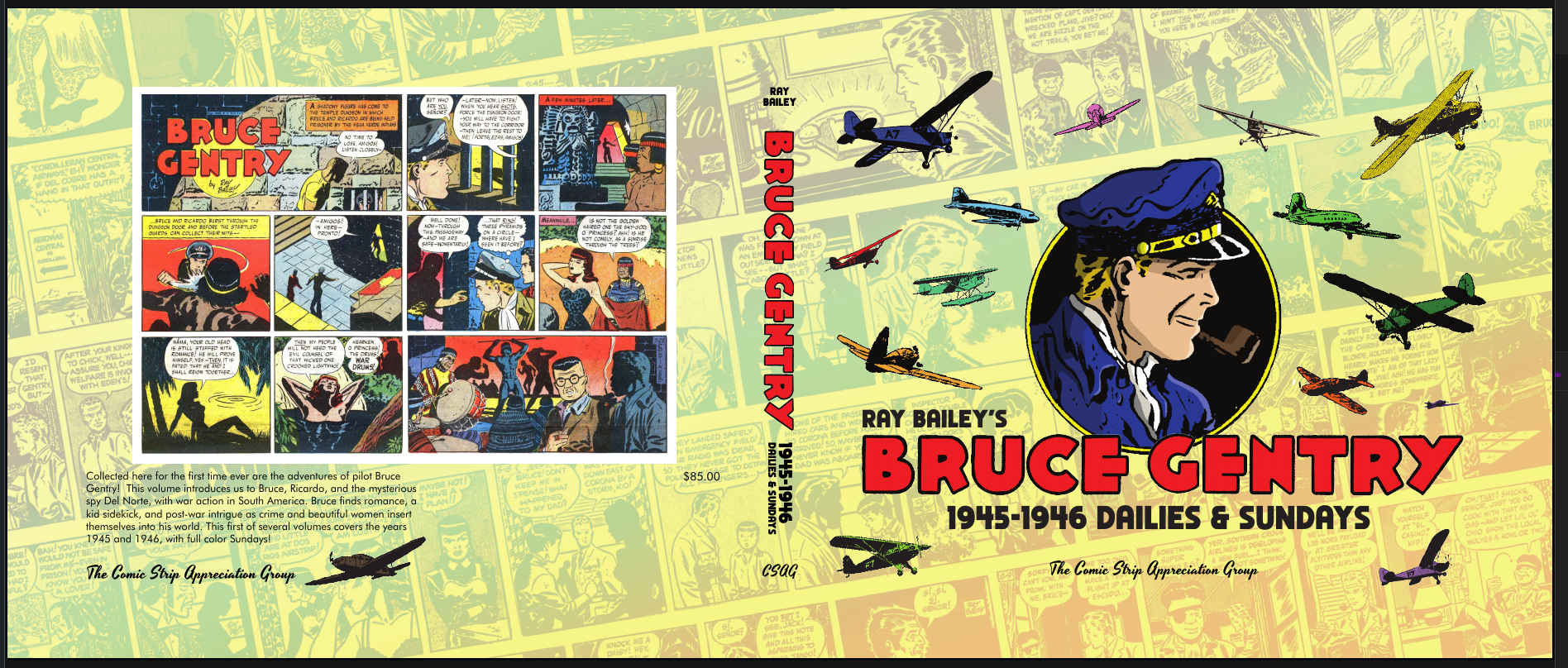
From Oaky Doaks to Bruce Gentry: Behind CSAG’s Reprint Rush

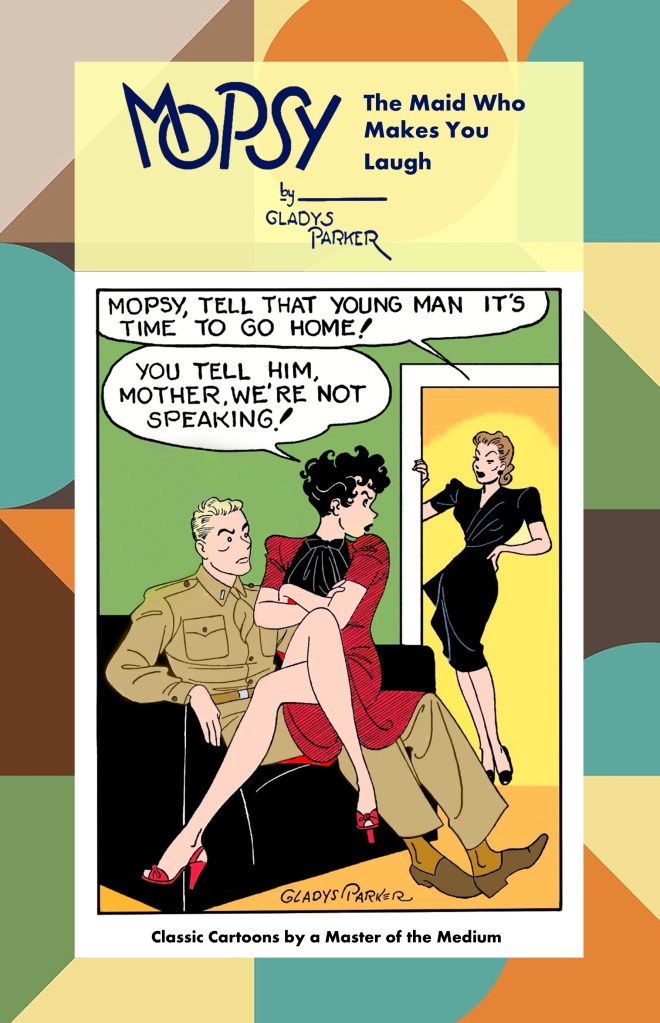
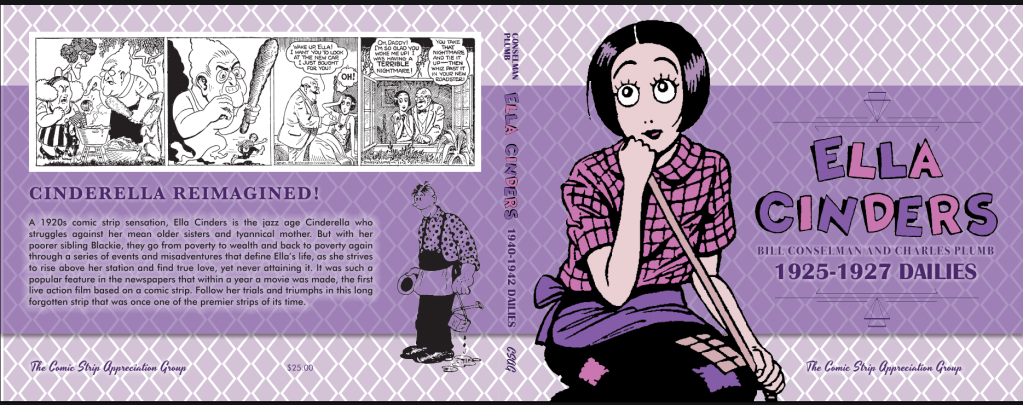
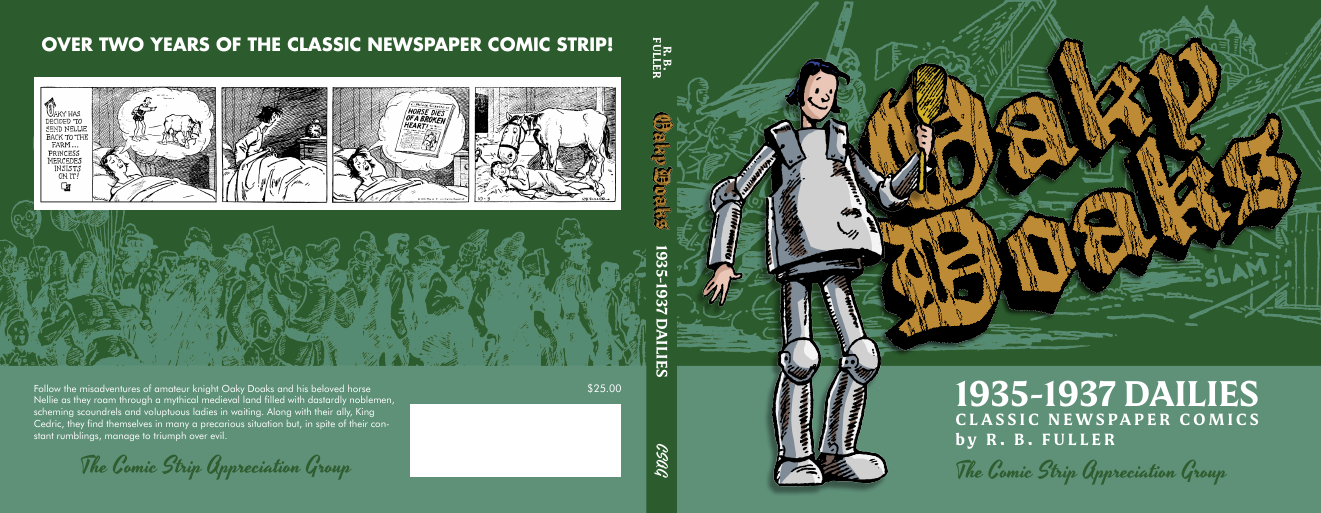
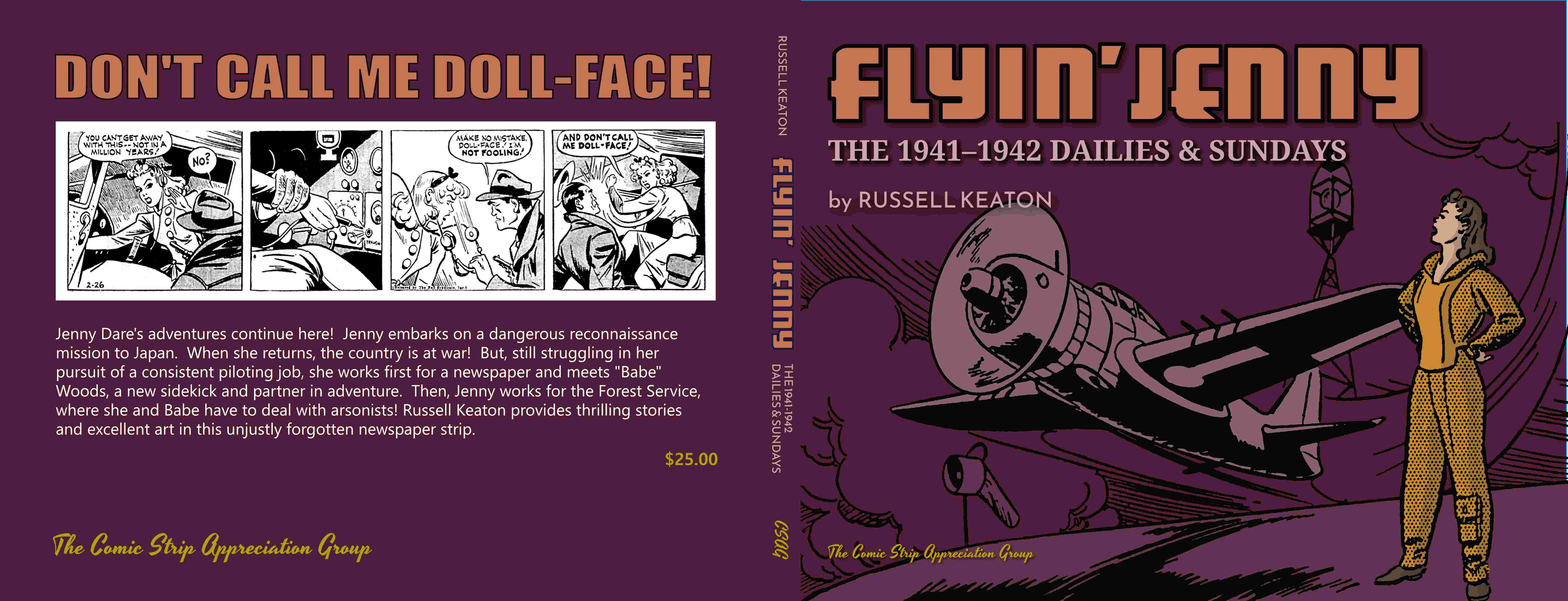
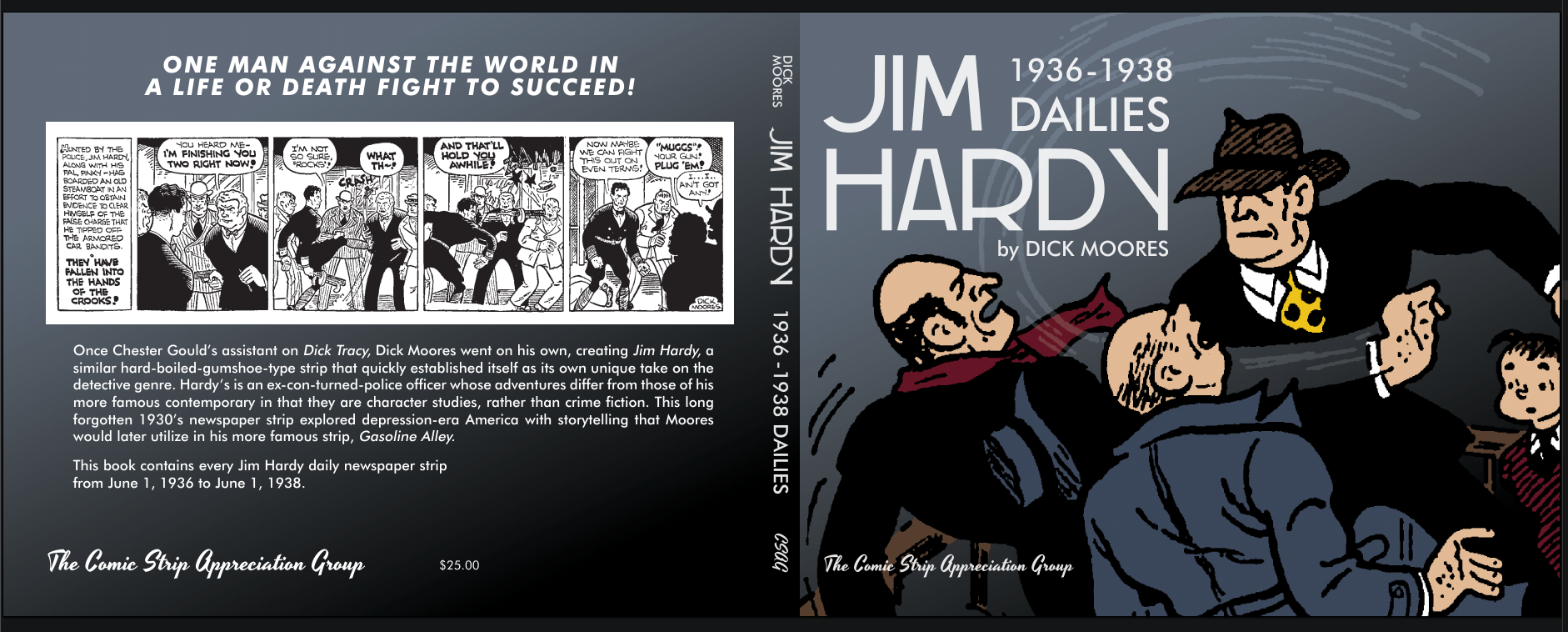
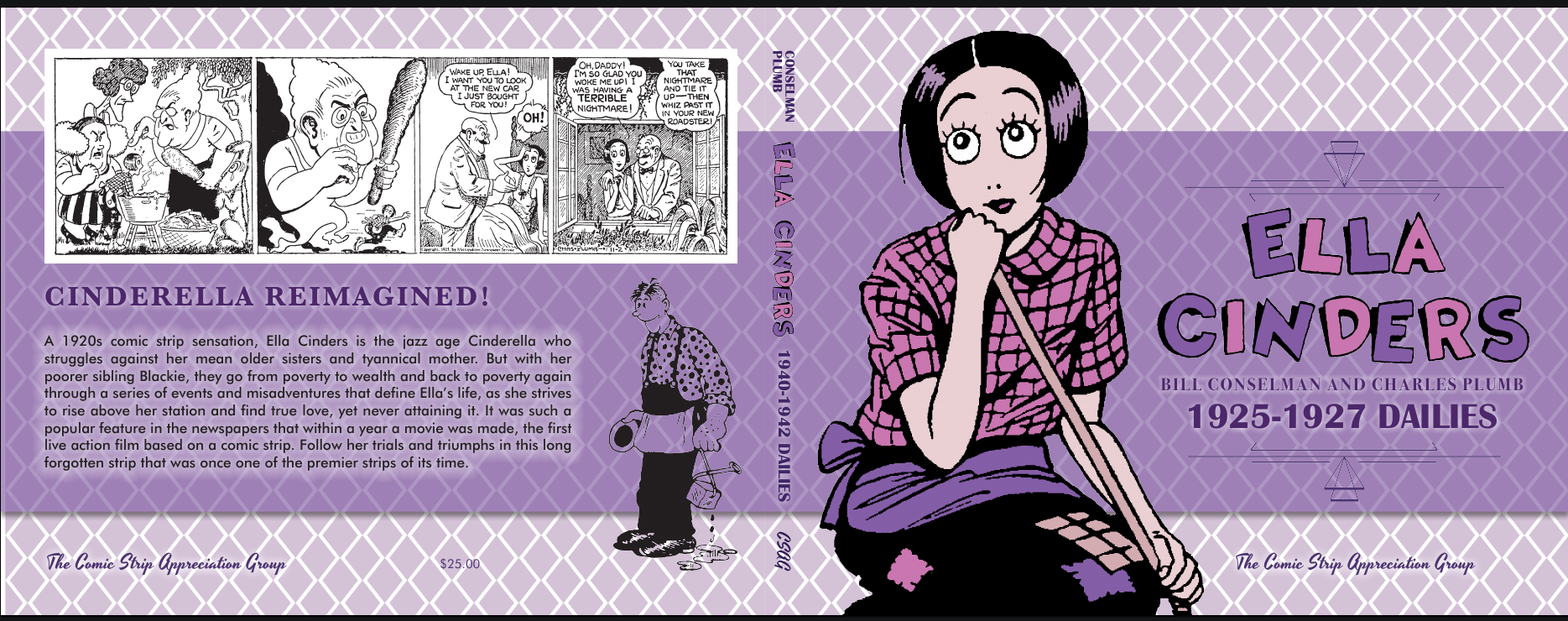
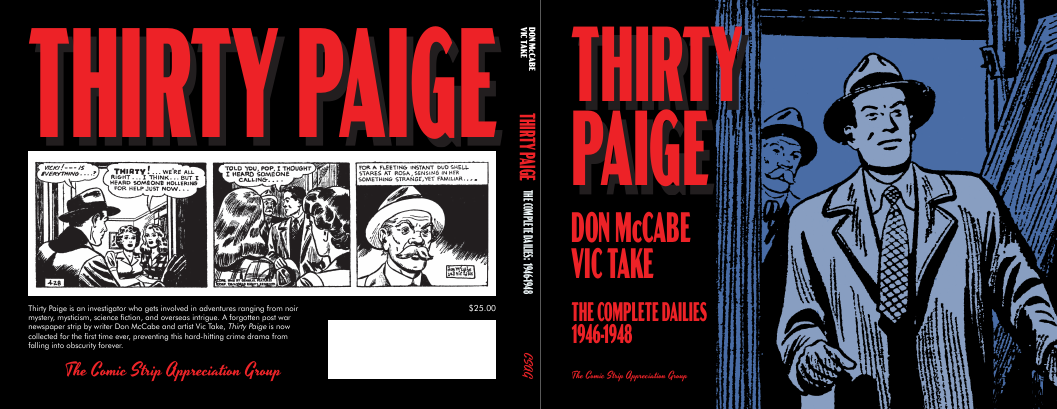
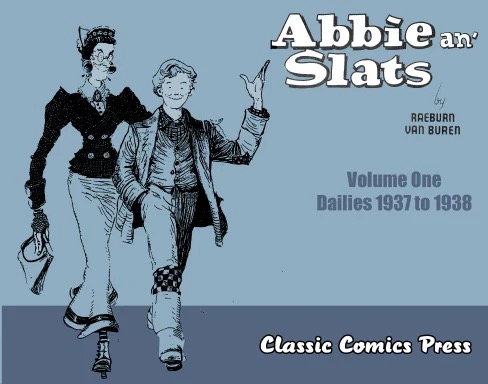
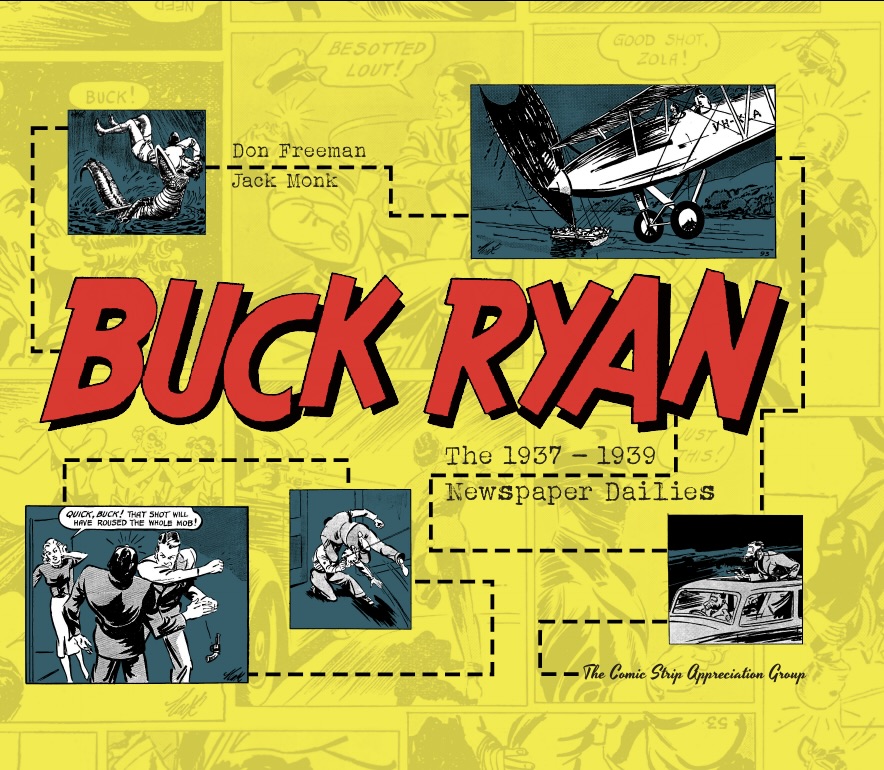
Among several self-publishers in the reprint space, Stefan Wood and his Comic Strip Appreciation Group are far and away the most prolific. His Lulu Bookstore boasts about 25 titles as of this writing. And judging from our conversation with him this week, that library will be growing weekly. Recently retired from the exhibit design team at the National Gallery in Washington D.C., Stefan brings to his comic strip mission a familial and professional background in the arts, digital skills and a penchant for tight deadlines. He keeps himself on a disciplined schedule, and has developed an efficient workflow that produces such a fast-growing library. But as we also discussed, there is also a method for selecting titles for reissue. Stefan is drawn to artists who used this medium to express personal experience, a unique perspective and exceptional artistic style. He is not only resurfacing old strips but also calling attention to an aspect of comics history often missed by standard histories and the familiar canon of “greats” they have established.

Little Lefty: Kid Kommunist

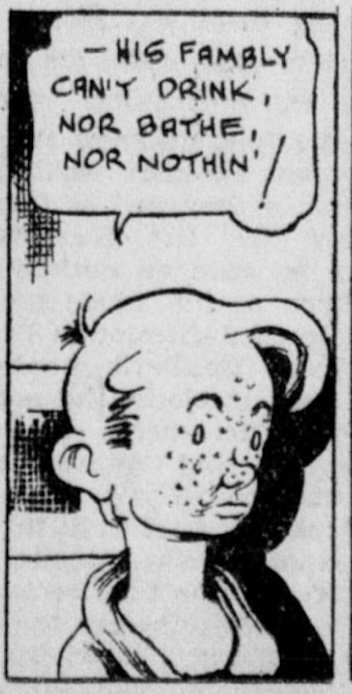
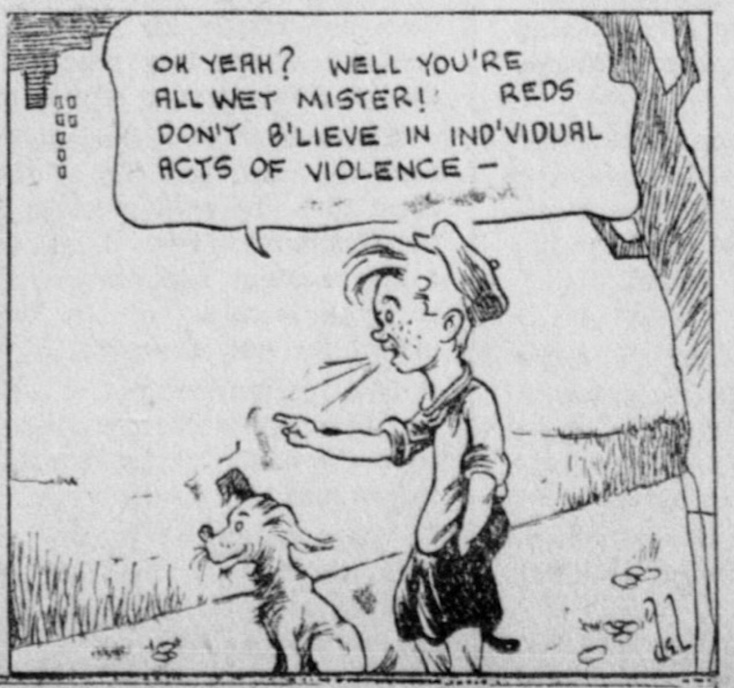
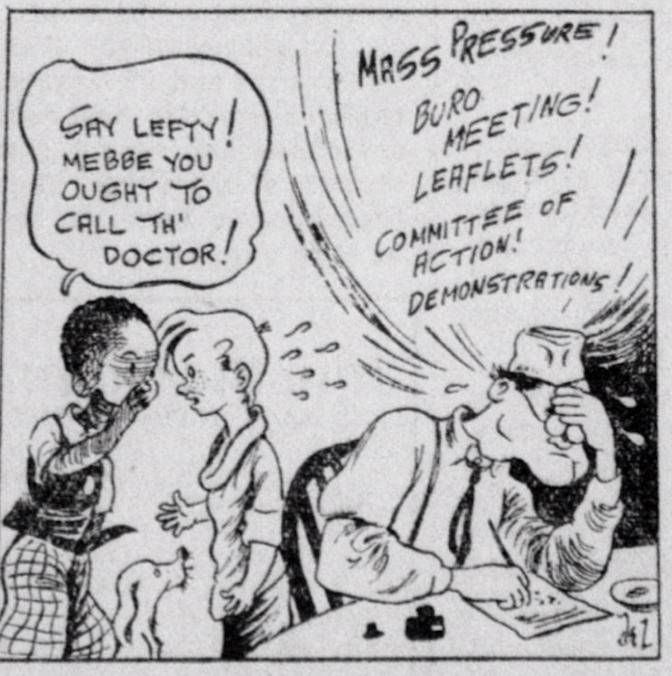
As we found with Coulton Waugh’s lost gem Hank, the radical comic hero Little Lefty is often mentioned in comics history but rarely read. This mainstay of the Daily Worker through much of the 1930s deserves more than a footnote. Like Waugh’s Hank, and the later Pinky Rankin by Dick Briefer, Little Lefty was a genuine and sustained attempt to leverage the conventions of the comics genre towards specific political ends. And it was part of a legacy of leftist cartooning that was already decades old.

Continue reading