A Bigger Barks: Taschen Supersizes the Duck Man

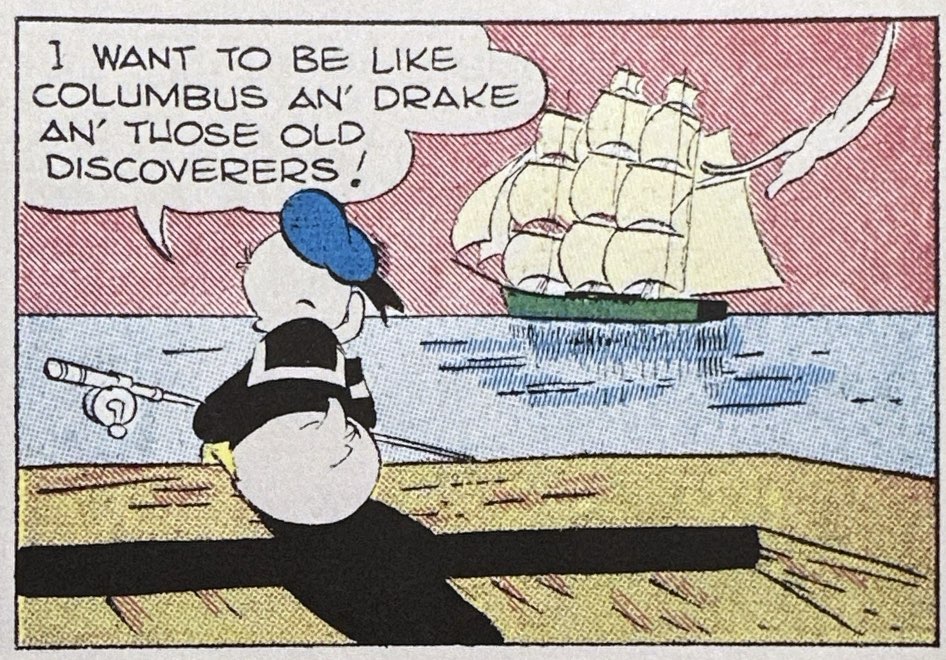
Is a bigger Barks a better Barks? Taschen’s long-awaited Disney Comics Library: Carl Barks’s Donald Duck. Vol. 1. 1942–1950 supersizes the Duck Man, and we are all the richer for it. This is one of their “XXL” volumes, so let’s go to the tape. It weighs in, literally, at 11+ pounds: over 626 11 x 15.5-inch pages that include the longer Donald Duck stories from 15 issues of Western Publishing’s Four-Color series.  up to 1950. These include some of the greatest expressions of Barks’s quick mastery of the comic book format. In “The Old Castle’s Secret” (1948) he uses page structure, atmospherics and pace to create real suspense. His masterpiece of hallucinogenic imagination married to landscape precision surely is “Lost in the Andes” (1949). And his well-tuned sense of character is clear in creating a purely American icon of endearing greed in Uncle Scrooge in “Christmas on Bear Mountain” (1947). Of course we have seen these and many of the other stories in this collection reprinted before. So, to answer my own question, does scaling up Barks give us a better Barks?

Continue reading

Shelf Scan 2024: Taschen’s Ultimate Duck

Kicking off this year’s roundup reviews of notable books for comics history buffs, let’s start with the annual Taschen doorstop.

Continue reading

Not-So-Silly Symphonies: Disney Meets the Depression

Disney’s Silly Symphonies comic strip of the 1930s would not be my go-to place for veiled references to weapons of mass destruction, hobo philosophy, trench warfare or impoverished ghettoes. Much to my surprise, the first year of this brand extension of the studio’s hit animated short series included all of those dark themes and more.

Continue reading

Gottfredson’s Mickey: The Art and Science of Action

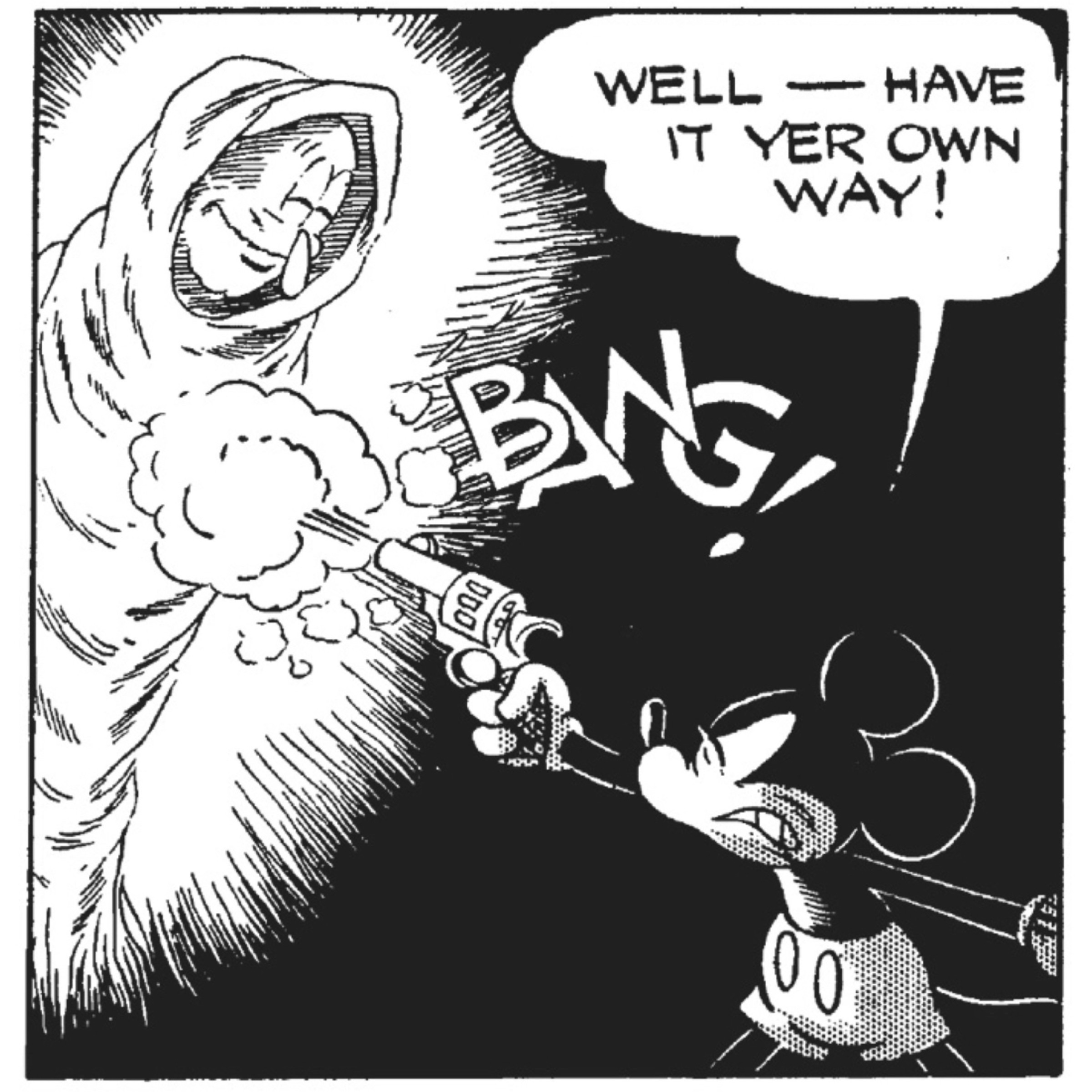
Before becoming the anodyne logo of Disney’s saccharine-soaked family image during the post-WWII era, Disney’s Mickey Mouse had some heroic chops. Make no mistake, Mickey was never even remotely “edgy” let alone hard-boiled in the style of some other 30s pulp protagonists. But he was imagined by Disney in the original animated shorts and then by Floyd Gottfredson in the daily comic strips, as a spunky, resourceful adventurer. In the 1930s, Mickey was thrust into a number of roles and across all of the pop culture genres: sky jockey, detective, western outlaw hunter, ghost-hunter, even sci-fi adventurer. As tame as Mickey’s 30s adventures may seem, the Disney corporation in its most controlling moments in the past has tried to disappear come of the earliest imagery of their corporate logo packing a gun or interacting with some cringe-worth but commonplace racial stereotyping of the era.

Continue reading