Scoundrels, Cons and Dupes: 20 Favorite Comic Strip Villains – Part 4

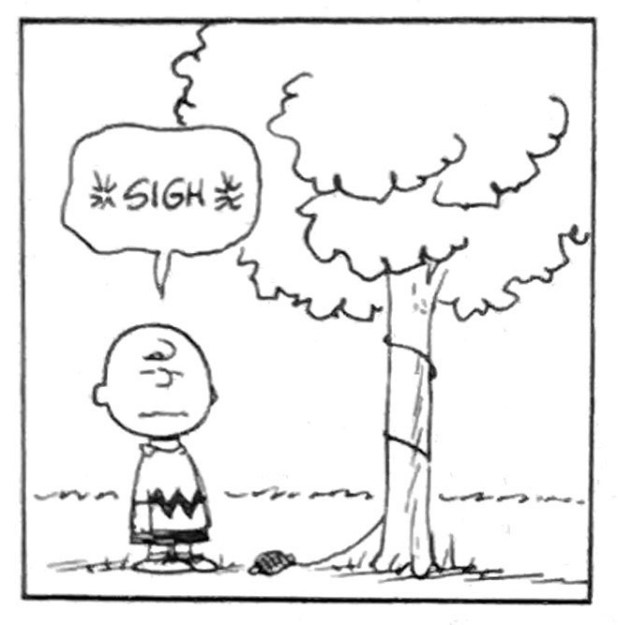
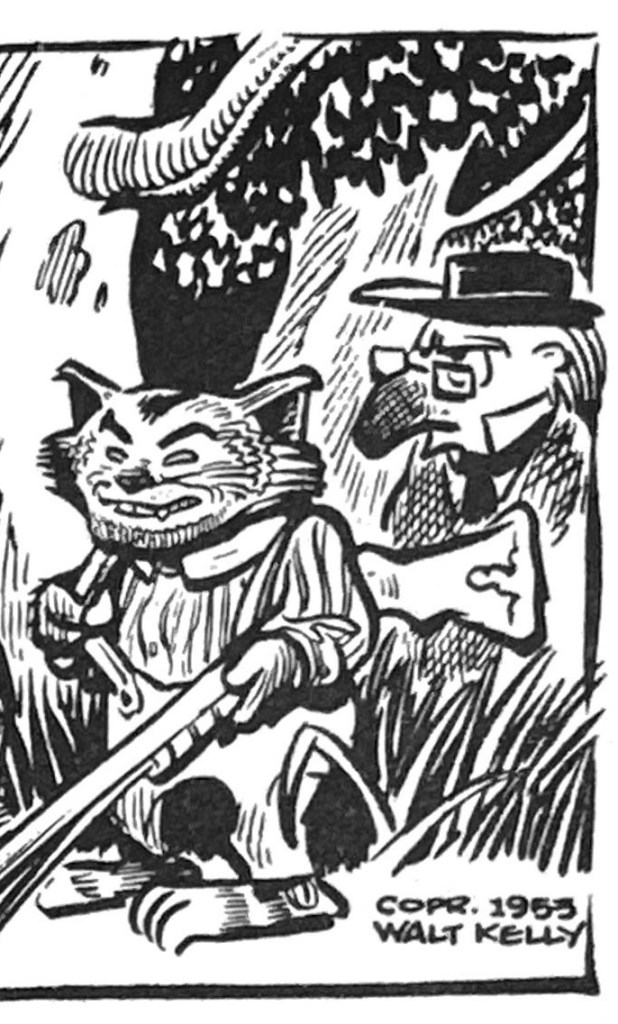
We round out our survey of comic strip baddies steeped in post-WWII American culture. As are our choices for standout villains. The funny papers followed popular culture into new Cold War mythologies around both heroism and its counterparts. Main currents of a rapidly changing social, economic, and political environment are imprinted unmistakably on all of these villains.

For the first 15 members of our rogues’ gallery, click into Part 1, Part 2, and Part 3. And once again, credit also goes to the the comics hibbyists of Facebook who contributed many ideas that made this review of villainy broader.

Continue reading

A Bigger Barks: Taschen Supersizes the Duck Man

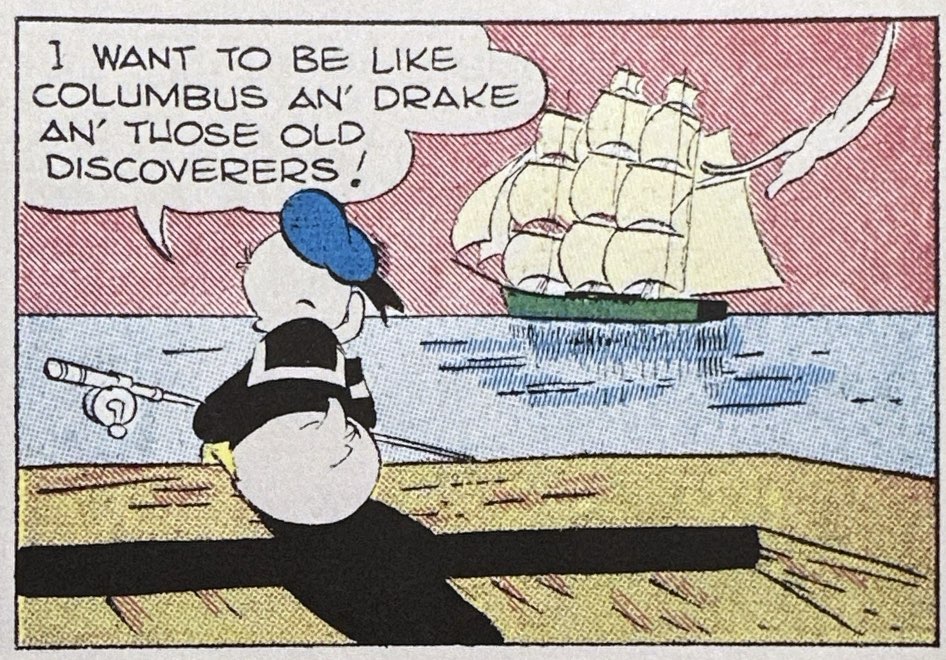
Is a bigger Barks a better Barks? Taschen’s long-awaited Disney Comics Library: Carl Barks’s Donald Duck. Vol. 1. 1942–1950 supersizes the Duck Man, and we are all the richer for it. This is one of their “XXL” volumes, so let’s go to the tape. It weighs in, literally, at 11+ pounds: over 626 11 x 15.5-inch pages that include the longer Donald Duck stories from 15 issues of Western Publishing’s Four-Color series.  up to 1950. These include some of the greatest expressions of Barks’s quick mastery of the comic book format. In “The Old Castle’s Secret” (1948) he uses page structure, atmospherics and pace to create real suspense. His masterpiece of hallucinogenic imagination married to landscape precision surely is “Lost in the Andes” (1949). And his well-tuned sense of character is clear in creating a purely American icon of endearing greed in Uncle Scrooge in “Christmas on Bear Mountain” (1947). Of course we have seen these and many of the other stories in this collection reprinted before. So, to answer my own question, does scaling up Barks give us a better Barks?

Continue reading

The Year in Pre-Code Comic Book Reprints, 2025

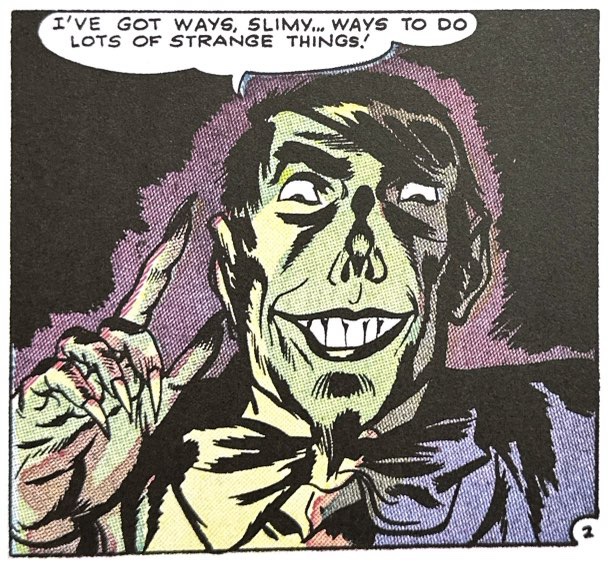
I am an EC chauvinist. I should cop to this before rounding up the notable pre-code comic book reprints from the last year. For decades now I have been devouring the many crime, horror, sci-fi, and romance comics that were part of the glut of adult titles after WWII, in part because they represented the unrealized potential of the comics format in post-war America. This was a real pop culture moment. War veterans ate a steady diet of comic books “over there” and seemed primed to follow the medium into more nuanced and adult storylines in the 40s and 50s. Likewise overseas, Japanese manga and Franco-Belgian bandes dessinées were on a similar path towards the popular, if not literary, mainstream. But in the U.S. that evolution was derailed and slammed into reverse by anti-comics crusades and the industry’s own “Comics Code Authority” in 1954. Self-censorship effectively arrested the medium in pre-adolescence, focused the industry on anodyne morality tales and pubescent fantasies of super-human prowess for at least a couple of decades.

Continue reading