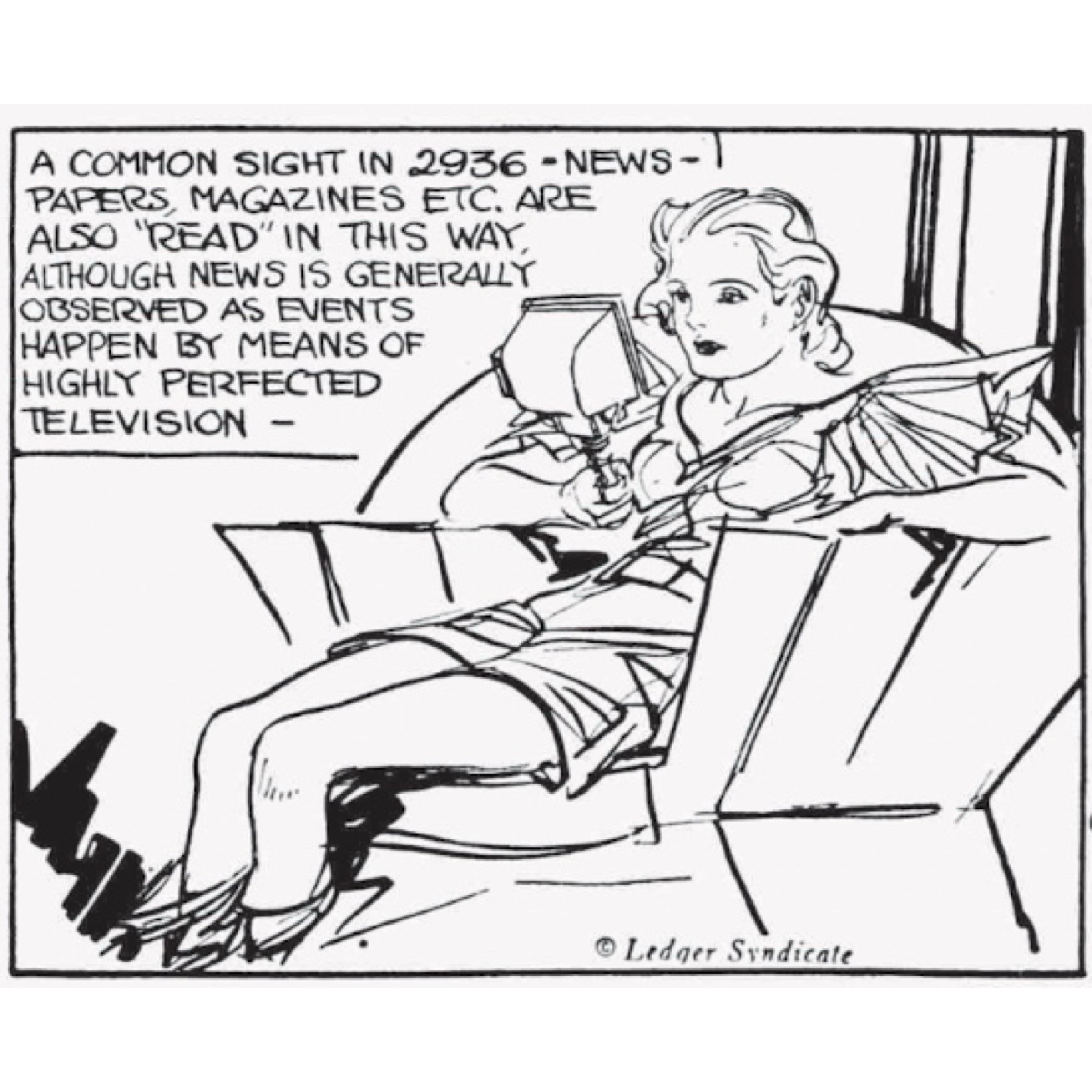
When Frank Godwin sent his adventure comic strip heroine Connie Kurridge a thousand yeas into the future, this amateur engineer had a field day imagining technologies of the next millennium. During the extended story arc, the Connie strip ran a “topper” on the bottom each week called Wonder Land. The content was often hosted by the “Dr. Chrono” character from the main storyline who had invented the time travel machine. the strip served as a kind of explainer series that elaborated on technical details related to that week’s tech of the future. But one week we get a particularly prescient future gadget that resembles the best steampunk visions from Buck Rogers.
“A hundred yard jump! And a girl soldier, too! Say, sister, need help?
The first thing Buck Rogers sees when he wakes from his 500 year slumber is a flying bare-legged woman…with a gun. That Jan. 7, 1929 strip launched American newspaper comics into a new age of heroic continuity strips, which historians have dubbed “The Adventurous Decade.”1 And across Buck, Flash (Gordon), Dick (Tracy), Pat (Ryan), the Prince (Valiant) and of course Tarzan, this decade in the newspaper back pages became famous for a pulpy hyper-masculinity that culminated in the rise of the superhero in the late 30s. And yet, as Buck’s premiere strip suggests, it would also be one of the weirdest stretches in the depiction of powerful women in popular culture. This would play out especially in adventure comics’ curious fixation with putting women in charge during the Depression years. Amazon tribes, criminal gal gangs, and futuristic matriarchies peppered adventure strips. We are all familiar with the creation of Wonder Woman in 1941 and her origin on the ladies-only Paradise Island.2 But this trope started in comics more than a decade earlier, first with Buck but then resurfacing in The Phantom, Tarzan, Alley Oop, and Frank Godwin’s Connie. Fantasizing about matriarchal societies within the adventure genre was not just a clever escapist plot device. Each of these Amazon worlds imagined different alternative societies where women called the shots and shaped the culture. Taken as a while, this pop culture trope suggested a deep ambivalence about the changing roles and independence of women. Putting women in charge was a kind of gender lab that played with ideas of feminine power under the stress of both Depression and modernization.
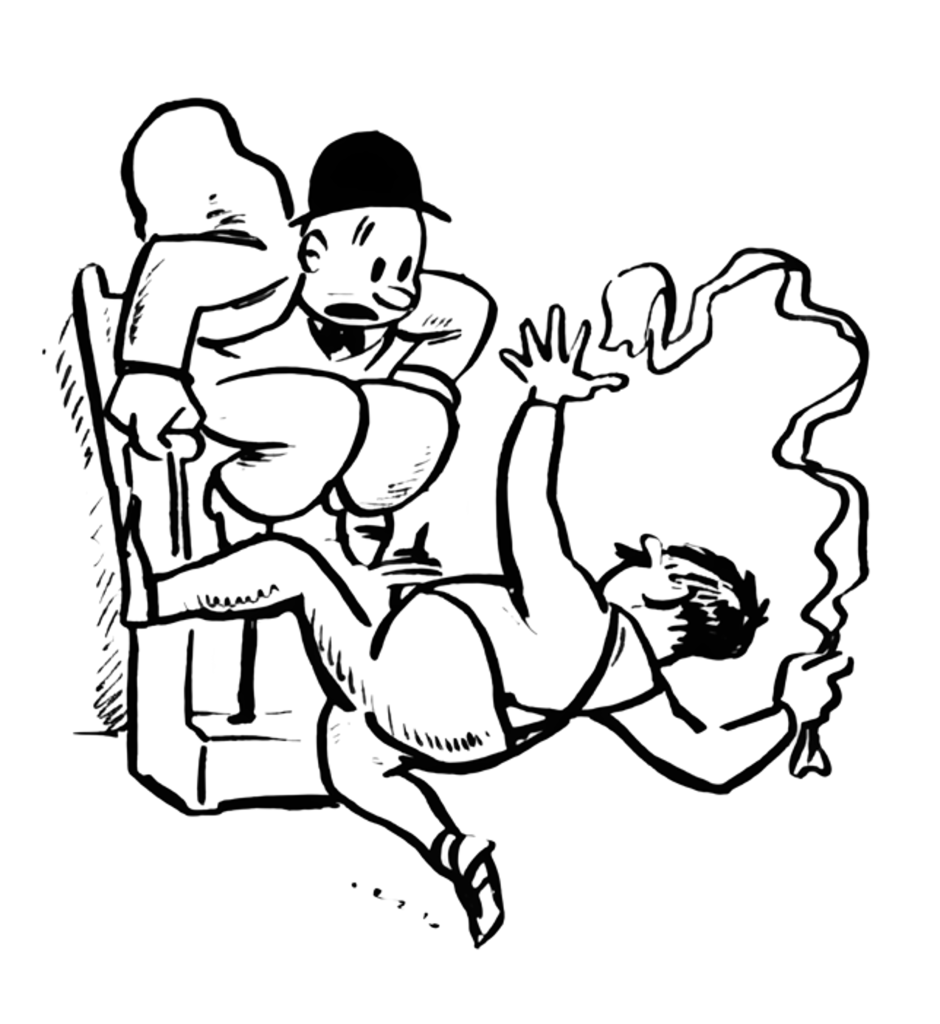
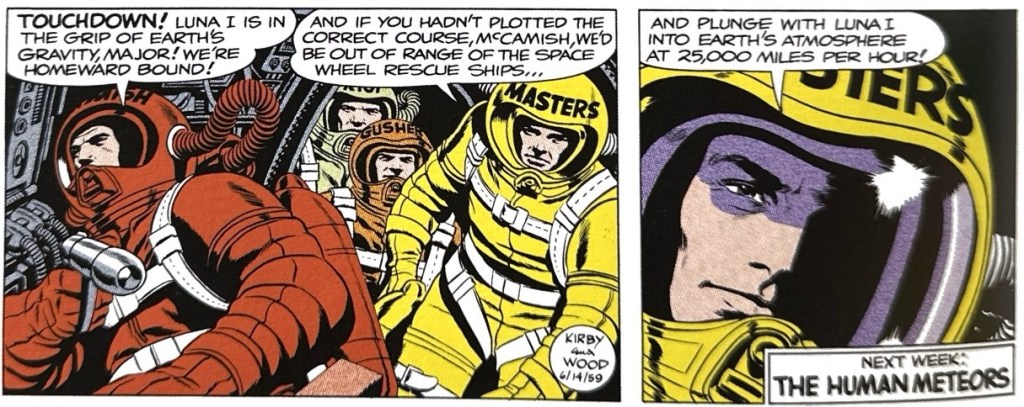
We have already reviewed some of the major 2025 comic reprint releases from major publishers: the reissue of Sunday Press’s Society is Nix, the anniversary celebrations of Peanuts, Hagar and Beetle Bailey as well as Cathy, and the resurfacing if Rea Irvin’s The Smythes. But this year saw a number of self-publishers bring back everything from Sky Masters of the Space Patrol to Milt Gross. I wanted to devote one round-up that highlights these laudable efforts and the often-obscure treasures they have unearthed.
Across five decades of adulthood, every woman I have ever known was familiar, often intimately, with Cathy Guisewite’s Cathy (1976-2010). Our heroine’s struggles with new and old gender roles, the pressures of fashion and body messaging, diet trends, new tech, workplace culture…and MOM, always MOM, found their way into more diaries, onto more refrigerators and clipped into mother/daughter exchanges than any comic of its day. Tis a pity that so many of us male comics readers passed it over as “not for us” or simply unfunny. Spending a couple of days immersed in the new and most welcome 4-volume Cathy 50th Anniversary Collection ($225, Andrews McMeel) makes clear that Cathy was among the most insightful, witty and intelligent strips we had about the experience of post-counter-culture America. And I could have avoided a lot of stupid missteps with the women in my life if I had paid even glancing attention to Guisewite’s wisdom.
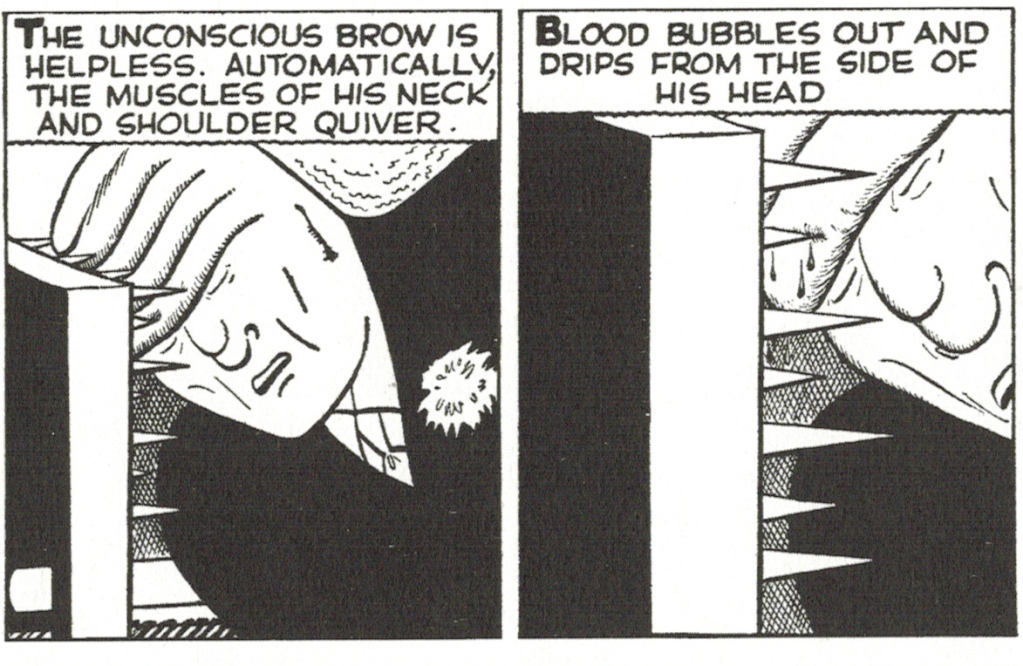
The hallmark of Chester Gould’s Dick Tracy is its surreal villains. Flattop, Pruneface, Mole, Mumbles, et. al. But Gould wasn’t satisfied expressing inner evil with outward disfigurement. He also loved to torture and kill them in equally grotesque ways during the prolonged hunt and chase sequences that were central to every Dick Tracy storyline. Gould wanted more than justice against evil. He wanted revenge and sometime literal pounds of flesh.
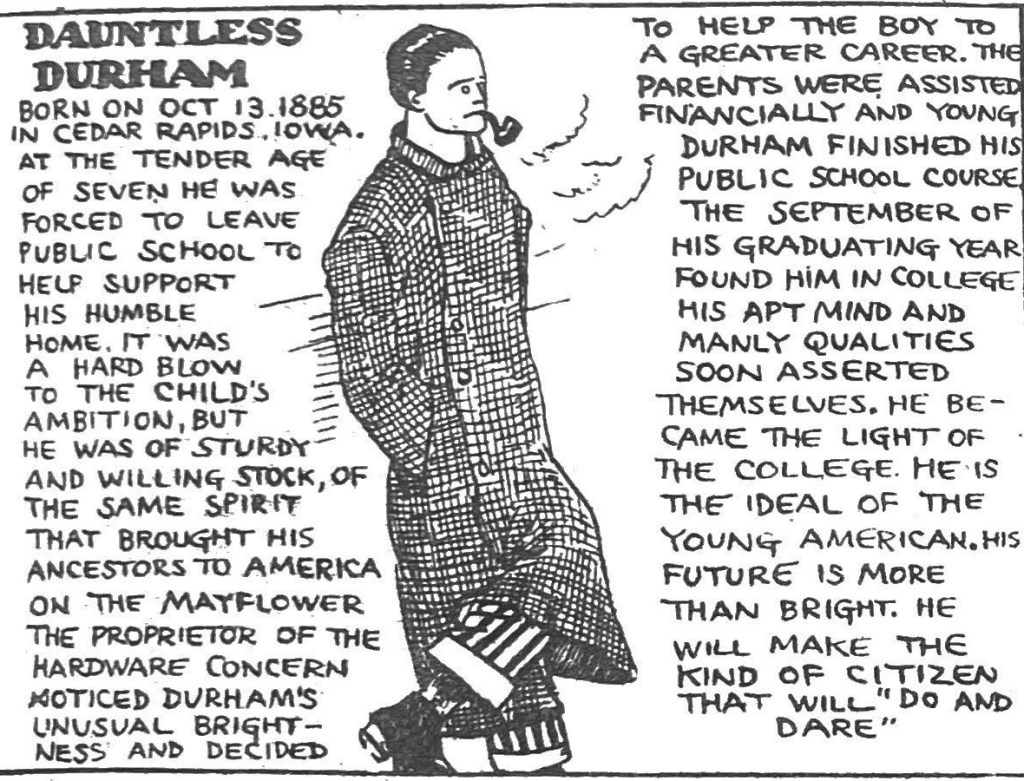
Harry Hershfield’s Dauntless Durham of the U.S.A. only ran for about a year in 1913-14, but it was among the most fully bonkers American comic strips in its imaginative extravagance. Durham was among several sends of the familiar 19th century hero/damsel/villain melodrama. Our damsel is kidnapped relentlessly by the mustachioed, top-hatted Desperate Desmond and rescued in improbable ways from impossible peril.
Before Thanksgiving and the shopping season overcomes us, let’s make sure we start our annual Panels & Prose quick takes on recent books for comic strip fans. The pile of new releases is high and teetering, so let’s break this down into several posts this week and next. Today, we handle the celebratory and anniversary collections involving Peanuts, Hagar, Beetle Baley. For a hands-on look at these books, look for the video “Quick Flip” at the end.





 Panels & Prose