Cool and Calculating: 20 Favorite Comic Strip Villains – Part 3

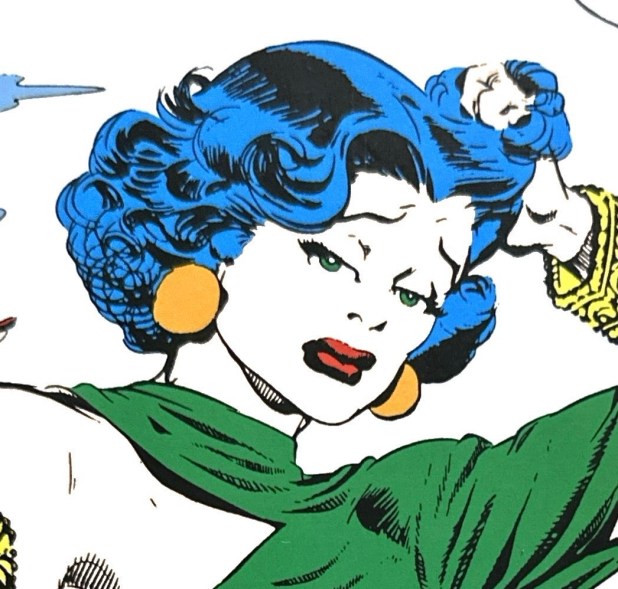
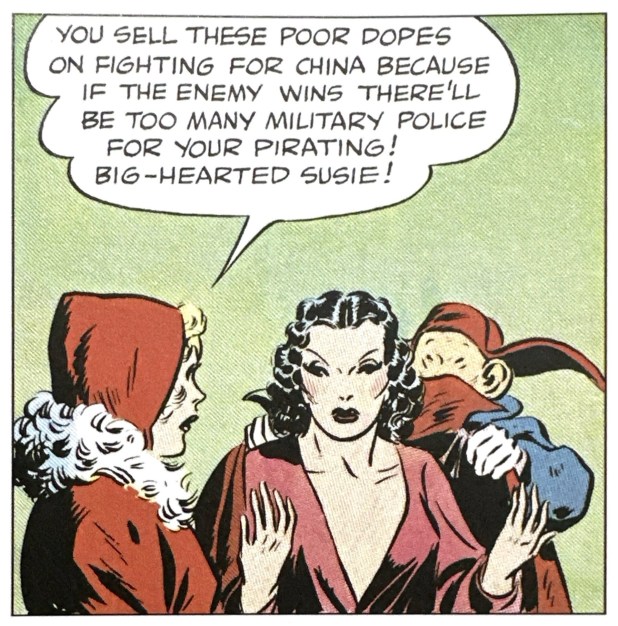
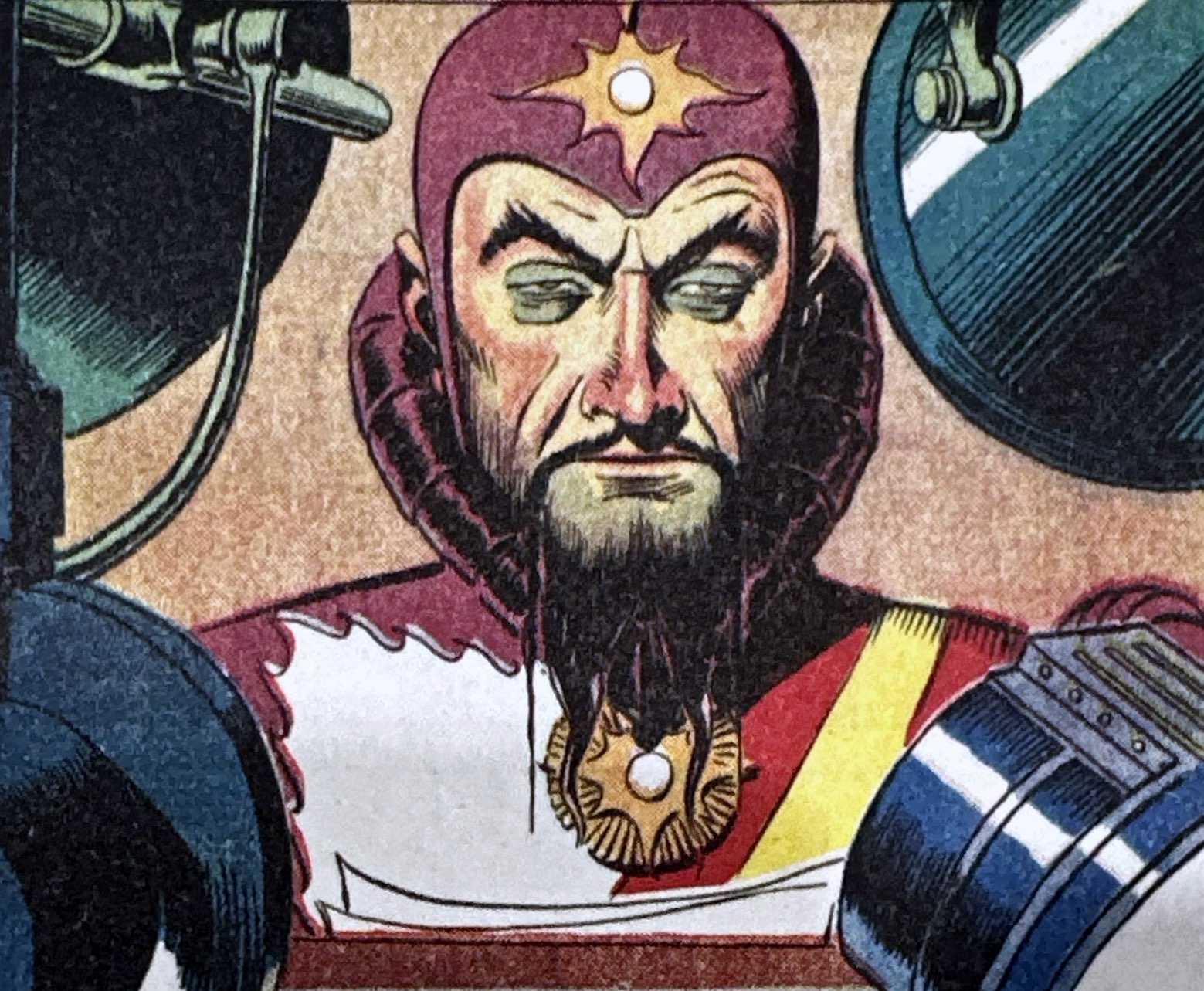
As the 1930s progressed, comic strip adventuring matured its visions of villainy. And the times were changing, as world war was becoming a reality rather than a distant rumble. As we saw in Part 1 and Part 2 of our favorite comic strip badasses, the thuggish, petty, and naturally mean antangonists of the 20s and early 30s (Bull Dawson, Sea Hag, etc.) had given way to the world-eating maniacs like Ming and The Cobra. By the late 30s, villainy becomes a bit more real and local – often focused on espionage or just personal greed. And the characters are evolving as well, more conniving and cerebral, less tied to gangsterism and power-madness than to cool demeanors and low-key malevolence. Evil was no longer wearing crowns, medieval cloaks or mustaches. They were well-dressed and brainy – the villain next door.

Continue reading
World-Class Malice: 20 Favorite Comic Strip Villains – Part 2

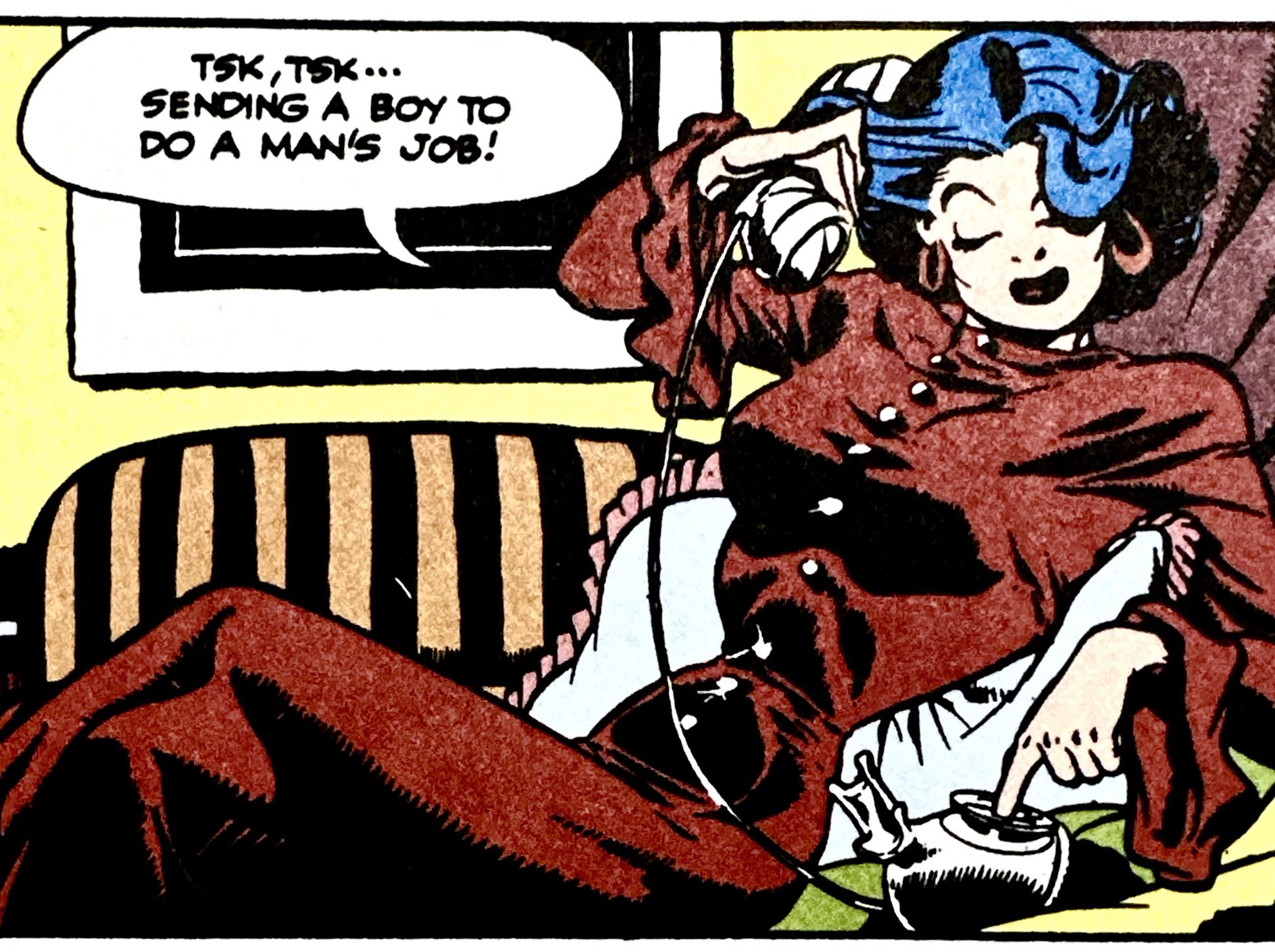
As we move more deeply into the 1930s and the peak years of comic strip adventure, some of the most recognizable and enduring cartoon fiends emerge. The villainy enlarges to suggest global criminal conspiracies and political power as it also becomes more sadistic. Newspaper comics are edging towards the outsized heroes and super-villains that formed the foundation of the comic books to come. [For the first installment of our valley of villains, refer to Part 1.

Continue reading

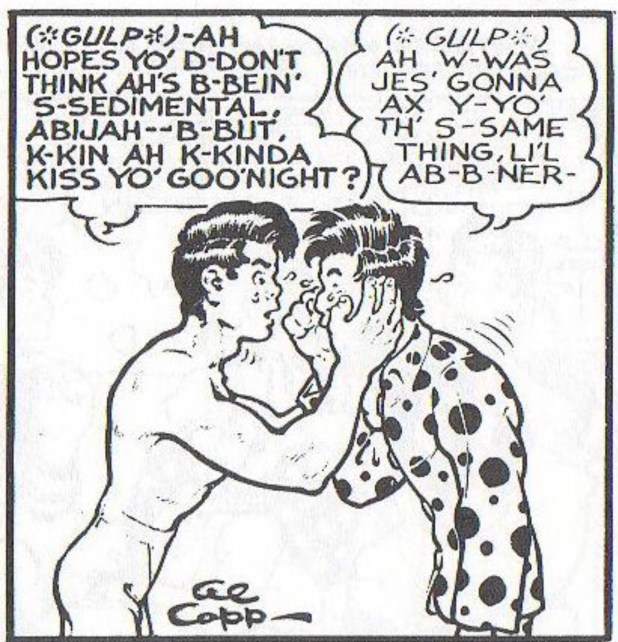
The ‘Sedimental’ Al Capp

You don’t expect a bro-mantic episode from Al Capp. Conventional wisdom in cartoon history characterizes the creator of Li’l Abner as a sharp-tongued and often reactionary crank at best and a mean sexual predator at worst. At Li’l Abner’s creative peak in the 1940s and 50s, he poked mercilessly at celebrities and politicians from every angle. His quick wit, and willingness to aim it at all comers, made him perfect for radio and TV talk shows, where he quickly became one of the most visible, familiar comic strip artists of his generation. While generally a populist defender of underdogs in his work and thought, Capp was repulsed by student activism in the 1970s. He did a contentious speaking tour of campuses in the late 60s and 70s, delighting in mocking and arguing with student rebels. The schtick was immortalized on film in 1969 when Capp dismissively argued with John Lennon and Yoko One during their Montreal Bed-In for Peace. And Capp is best (or worst) remembered these days as a serial sexual predator. Actresses Goldie Hawn and Grace Kelly and activist Jean Kilbourne wrote of Capp’s unwelcome, aggressive advances, and he pled guilty to sexual misconduct because of exposing himself to co-eds during his college speaking tour.

Quite a piece of work, eh?

Continue reading