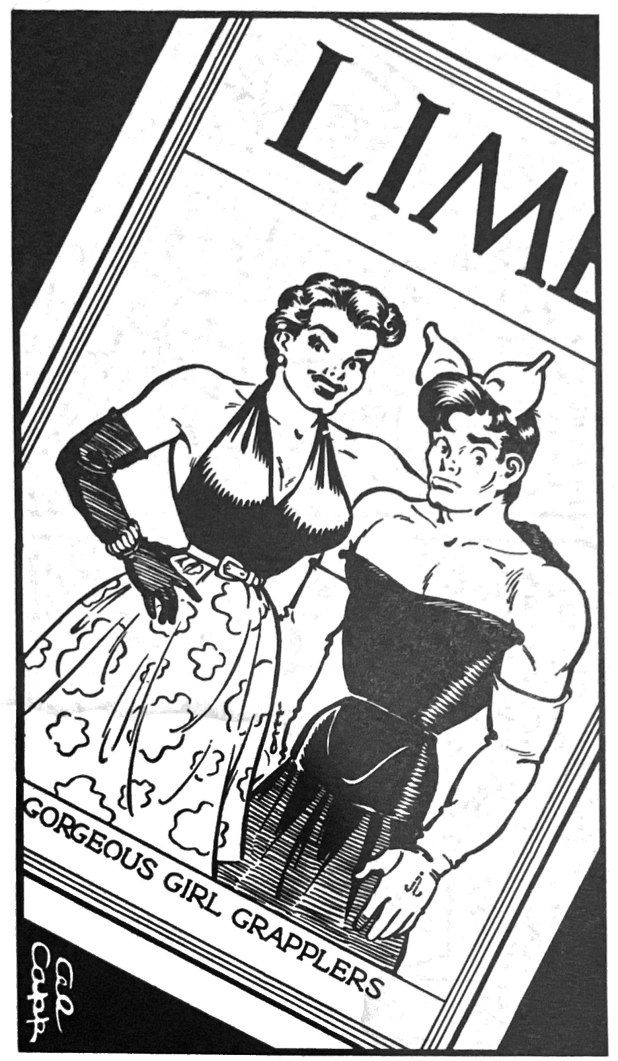
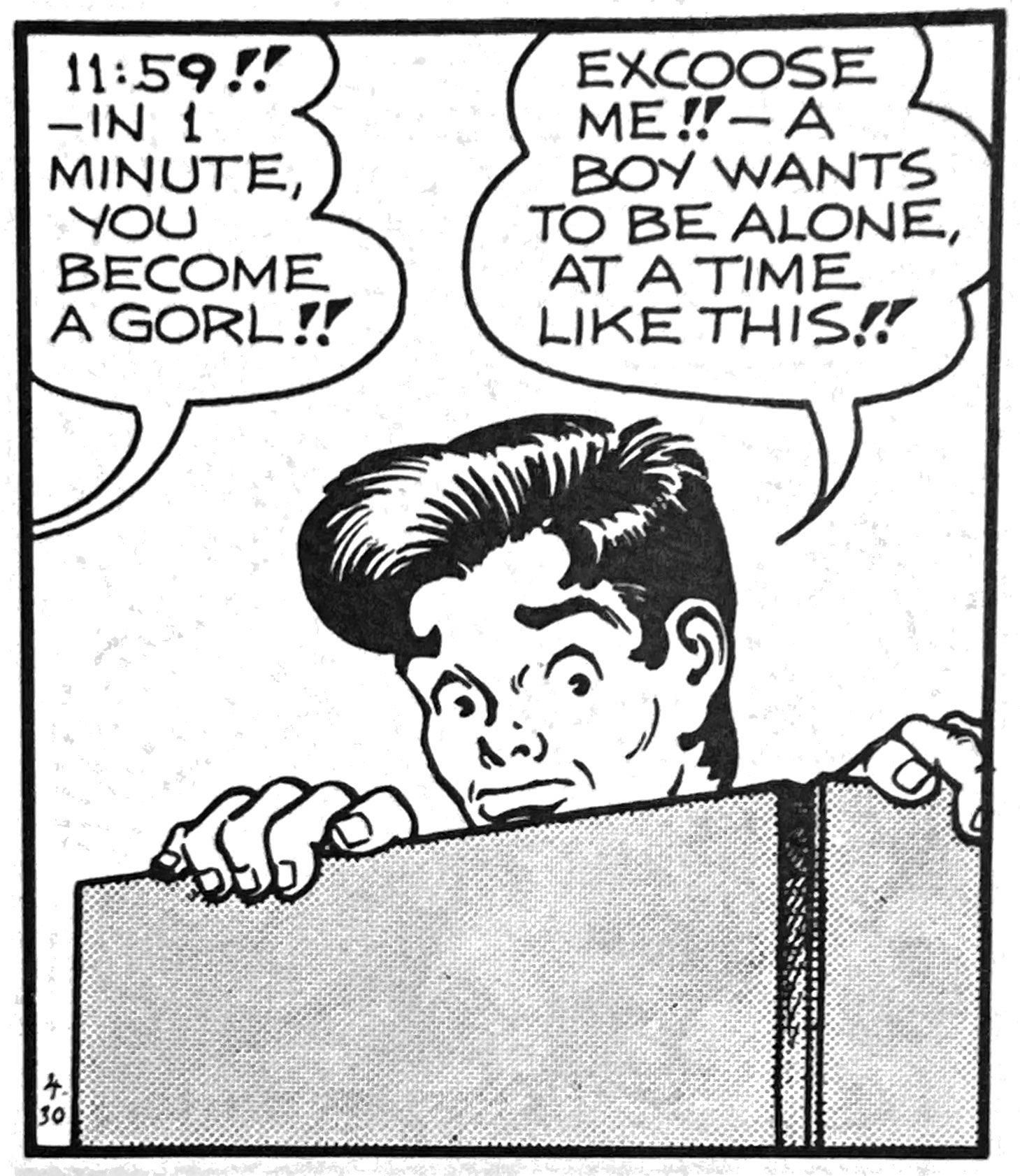
Alert the gender police! Recruit the culture warriors. Al Capp’s Li’l Abner strip was bending gender norms more than 70 years ago. In fact, this 1953 story arc weirdly foreshadowed current skirmishes over cross-dressing, drag performance, legal gender reassignment and even “men” playing in women’s sports.
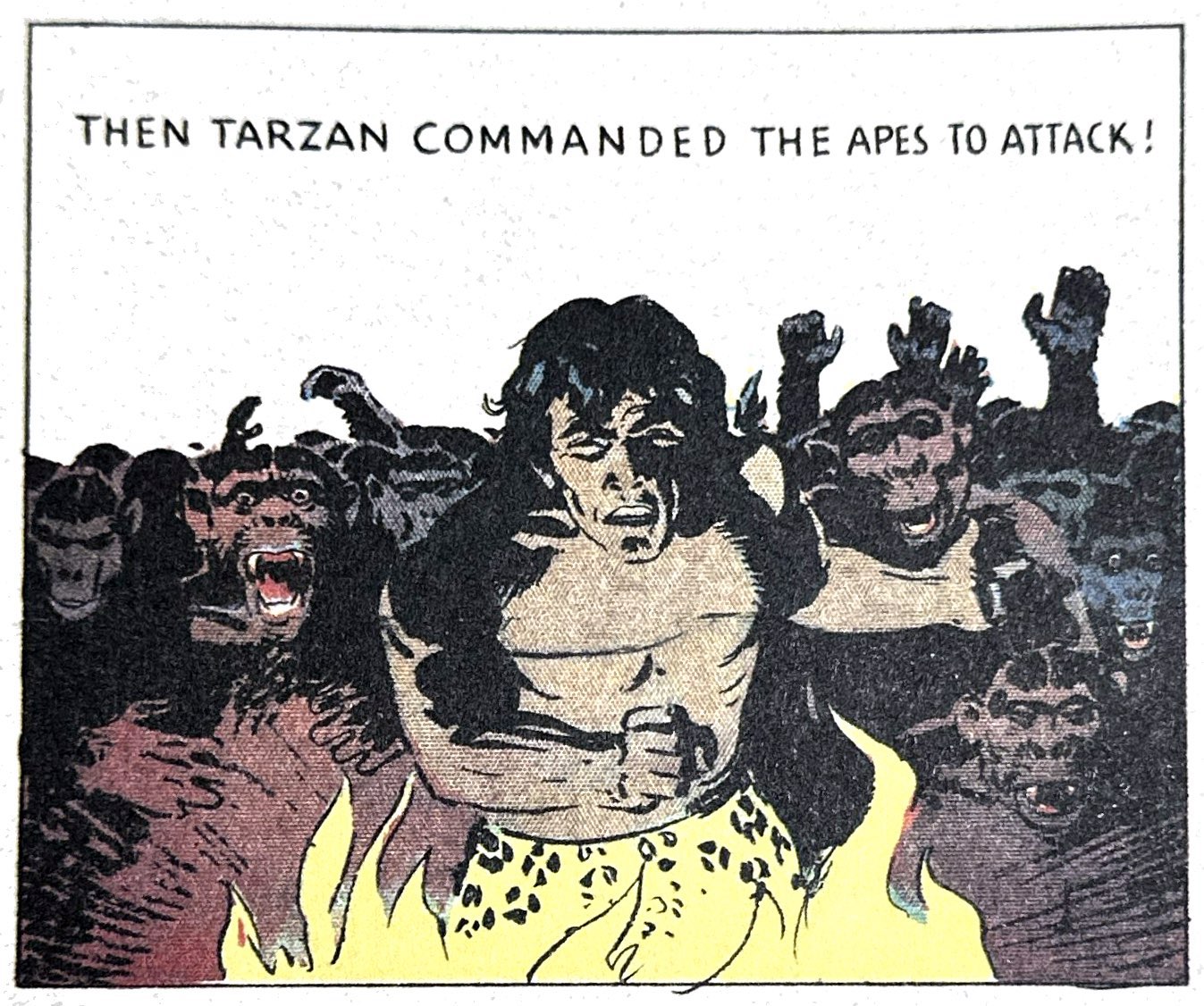
We could easily frame Hal Foster’s 1931-1937 run of Tarzan Sunday comics merely as a pleasant preamble to his magnum opus, Prince Valiant. By his own admission, Foster was a reluctant cartoonist. The successful magazine and commercial artist carried that world’s condescension towards the comic strip. Famously, he quipped in 1984 that being invited to replace Rex Maxon on the Tarzan Sundays was “To be asked to sell my birthright for a mess of pottage.” But the Great Depression had hit advertising and print media hard, so Foster took the life raft. But as TASCHEN’s new and definitive reprint of his Tarzan years shows, Foster was doing more than warming up. Others like Frank Godwin and Nell Brinkley had already started to introduce less cartoony, more illustrative styles to comics pages. But Foster brought into the mix dynamic, realistic figure art, a remarkable attention to color, and an appreciation for spectacle that newspaper Sunday pages hadn’t seen since the earliest years of experimentation by the likes of McCay and Feininger.
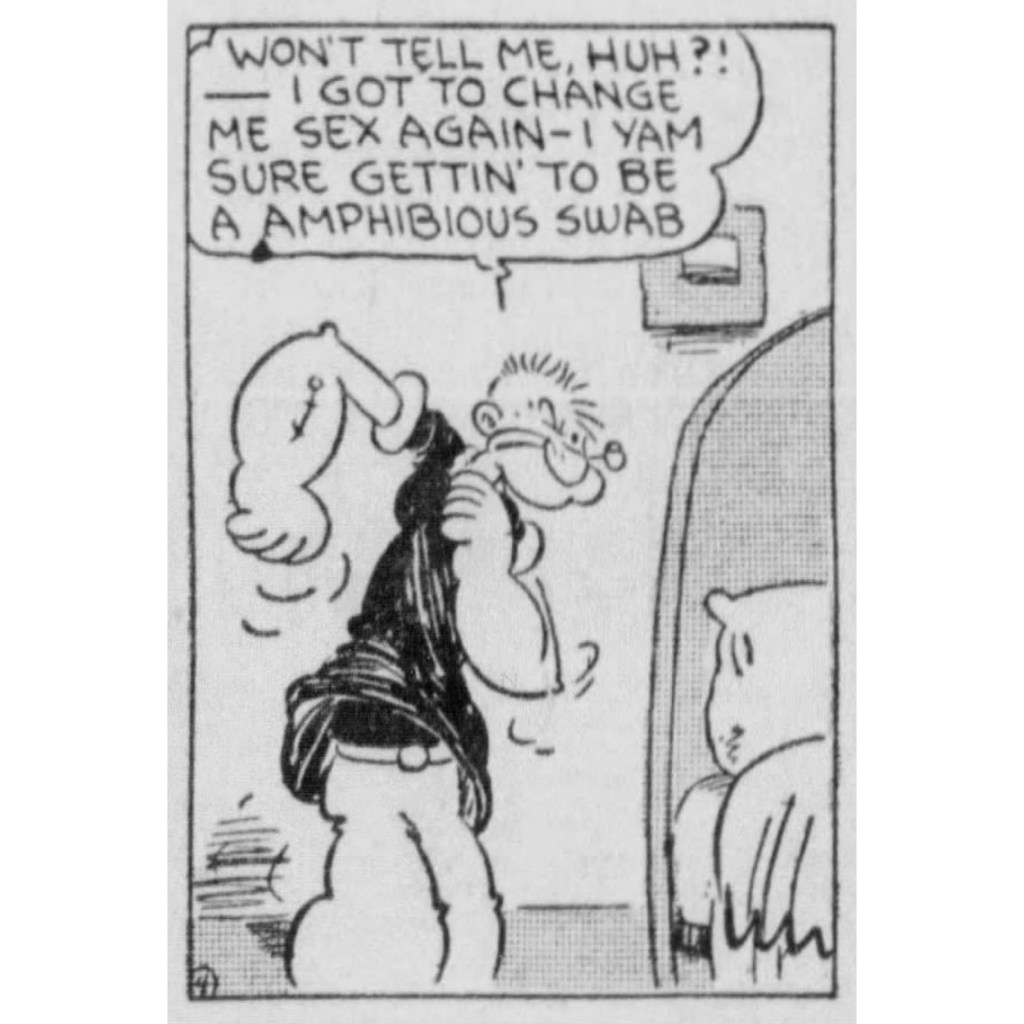
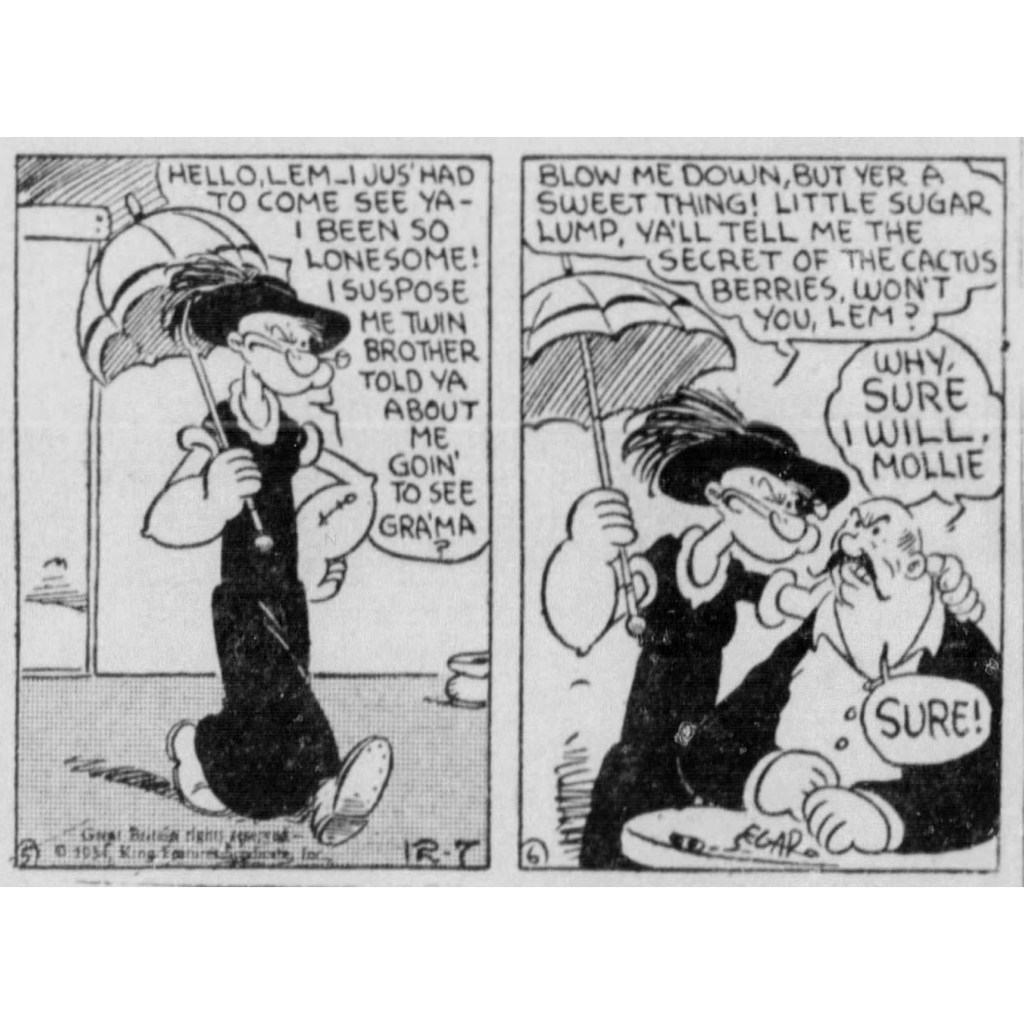
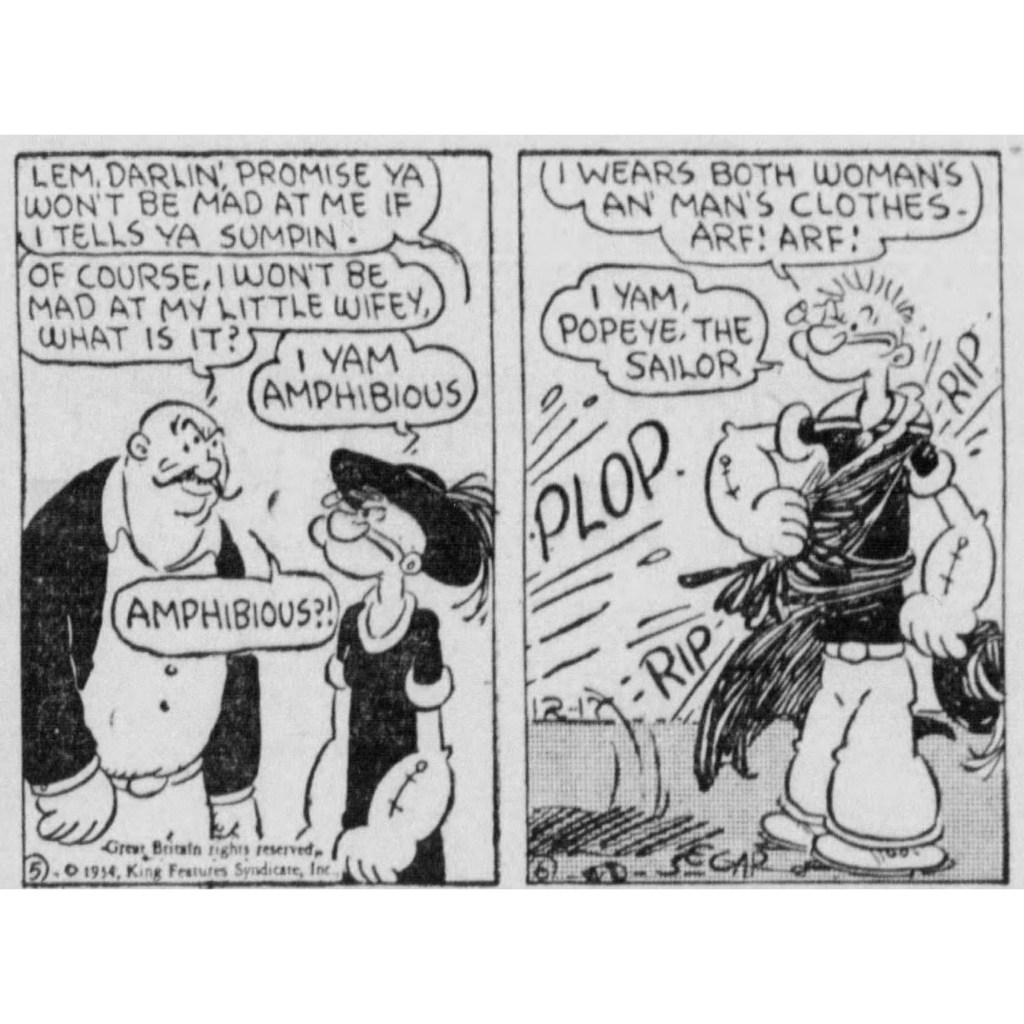
Weekly Weird. Cross-dress Tuesday with Popeye. In a lengthy 1930s story arc by Segar, the “amphibious” sailor infiltrates a criminal hideout by passing as Mollie.
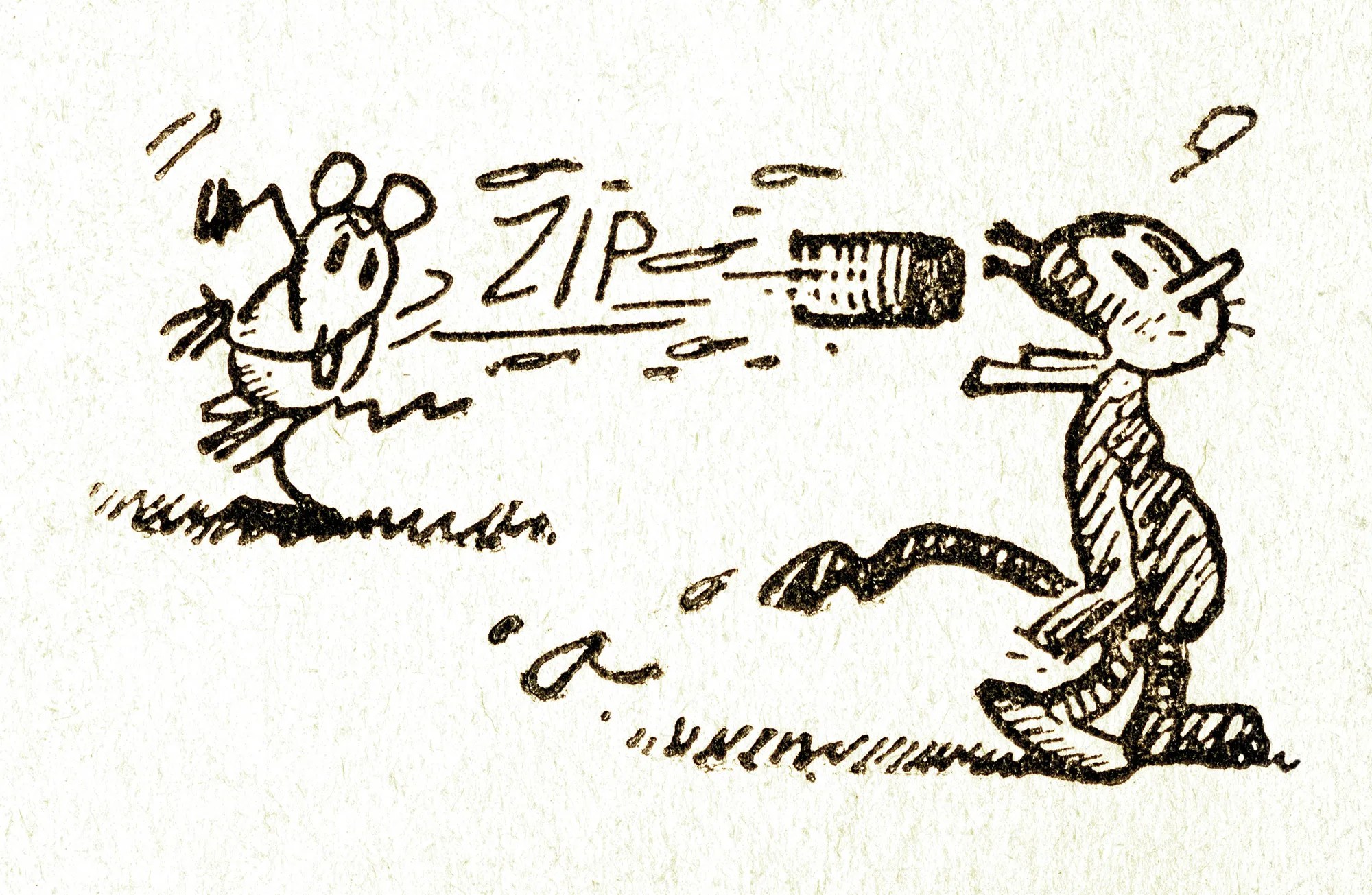
Fantagraphics celebrates its 50th anniversary this year and continues its mission to preserve and promote the comic arts. We spoke at length to the company’s longtime editorial fixture, From Popeye to Pogo, Krazy Kat to Charlie Brown, few companies have been such prolific archivists of the comic strip tradition. Anniversaries are a good time to check in. And so we visited with VP/Associate Publisher Eric Reynolds to explore preserving comics history and preview of the delicious releases they have planned for this milestone year.
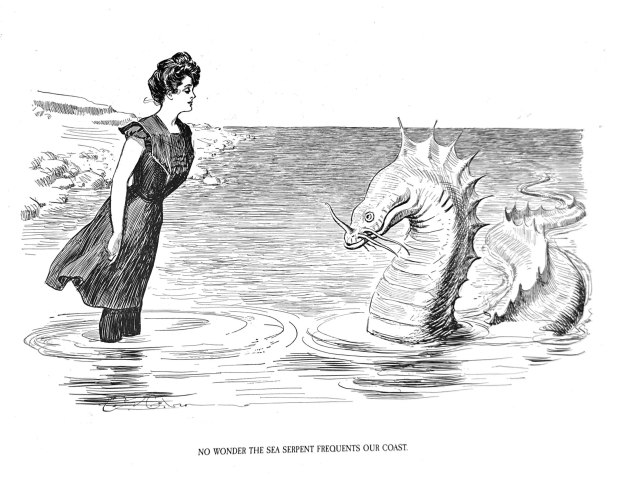
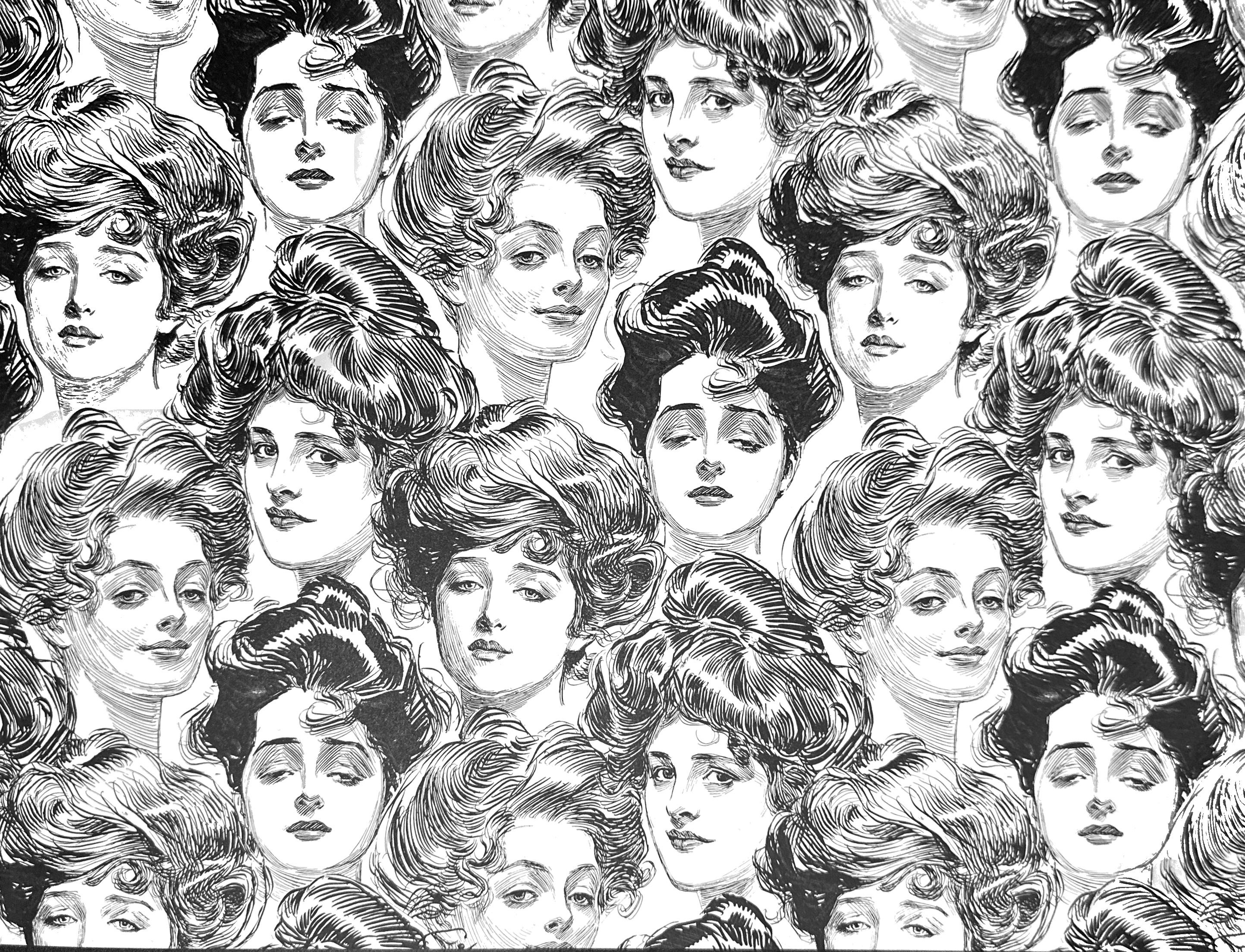
This is a good time for modern comic strip fans to recall Charles Dana Gibson’s role in late Victorian American culture. The most famous illustrator of his day had a calming, languid line and upscale focus that contrasted sharply with everything the early newspaper comic strip represented. Just as a tsunami of recent comic strip reprints celebrate the raucousness of 20th Century cartooning, Gibson’s epoch-defining artistry reminds us of what the “vulgar” new medium was disrupting. It also suggests why the scions of civility found the Sunday supplements so offensive and magazine illustrators like Gibson so engaging.
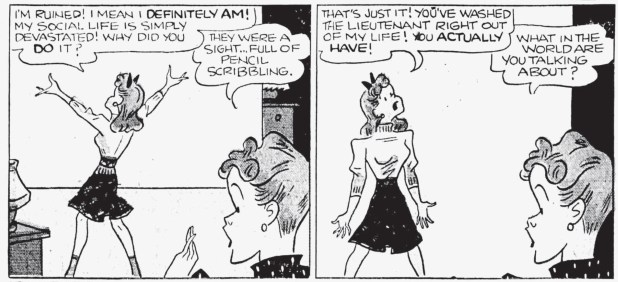
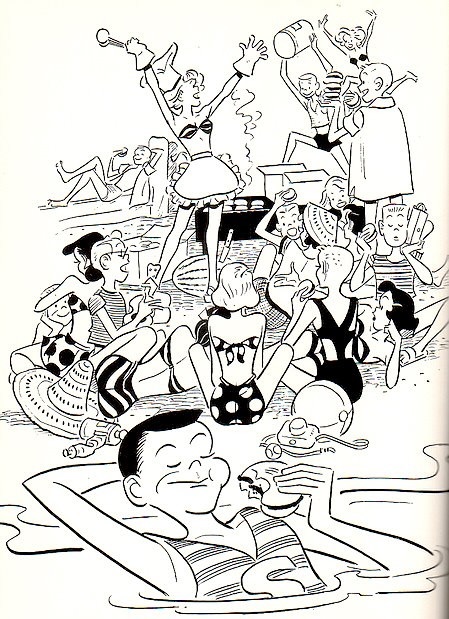
Like all American mass media of the last century, demographics and market forces provide the frame within which trends in comic strip content lived. Harry Haenigsen’s Penny launched in 1943 directly out of the intersection of two new social realities – gal power and the “invention of the teenager.” It is not surprising, then, that Haenigsen took an almost sociological approach to portraying two things he certainly was not – young nor a girl. Like any good cartoon anthropologist, he decided to go native. The Oct. 6 1946 Philadelphia Inquirer reports how the New Hope artist researched Penny by eavesdropping on soda shop conversations and even hosting cookouts for the local high schoolers.