


Even taking a superficial glance across Russ Manning’s introduction of Star Wars to newspaper comics and Al Williamson’s subsequent pick up of the series is a contrast in different talents. Manning, heralded for his years on the Tarzan beat, was self-conscious of how the strip had to translate the film epic into the language of strips. He launched the series deliberately with the familiar movie characters, if only so they could ease the audience into his new stories and creations. In what is literally a handoff of villainy, his “Blackhole” acts as Lord Vader’s evil extension. But Manning crafts Blackhole visually as a newspaper strip presence, a silhouette in half tone, using shape and gradients, fading in and out, to define this malevolent force. Likewise, Lucas’ Vader was graphically a screen villain. He is defined by moving reflections of light on dark glossy surfaces, the elemental stuff of film.
Williamson’s lifetime in otherworldly comics and strips also comes through when he takes the helm after Manning’’s withdrawal. Al Williamson, who had some of the most striking sci-fi and fantasy art in pre-code comics brought that aesthetic into the strip. The photo-realistic cosmos, swathes of shadows across close-up, emotive faces, could have been cut from the pages of Weird Science, with Wally Wood inking.


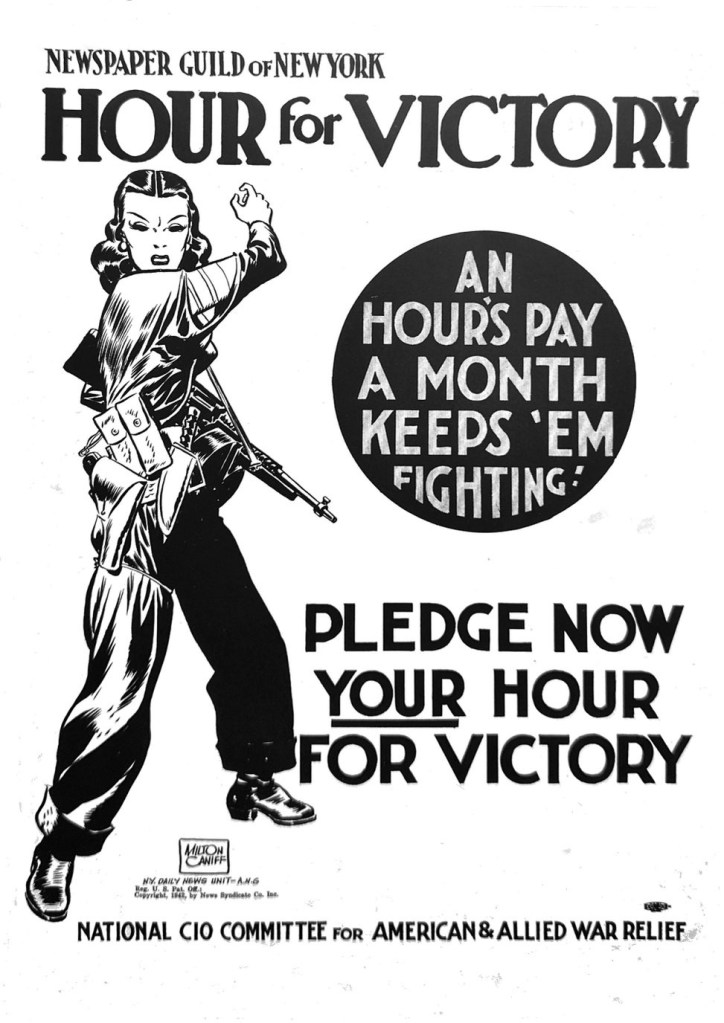
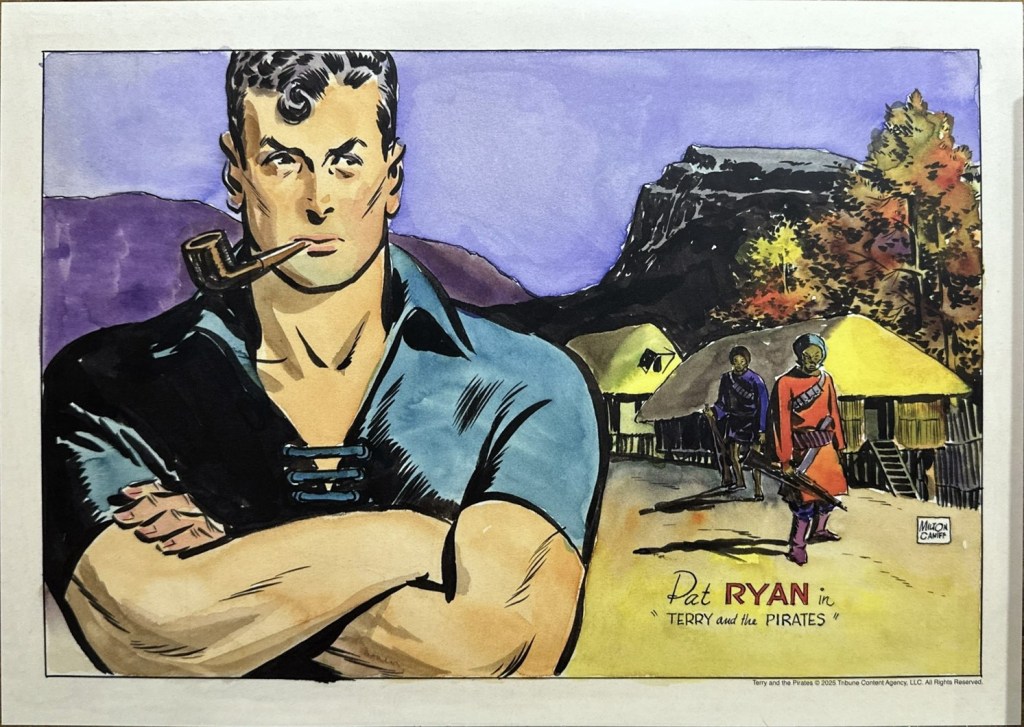
One of the intrinsic appeals of the comic strip medium, I suspect, is the enduring power of craft in an age of mechanical reproduction and collaborative media. Consider the deep ironies of the modern comic strip. It was distributed by the most read mass produced media -of the last century. The reporting voice, photography, and advertising too, were industrialized, usually homogenized, event anonymized. The comic strip was one of the only non-collaborative mass media of the modern age. Assistances and syndicate editors notwithstanding, the visual voice of Capp, Schulz, McManus, Caniff et. Al. , the idiosyncratic personal vision of individual strips, was unmistakeable.


 Panels & Prose