
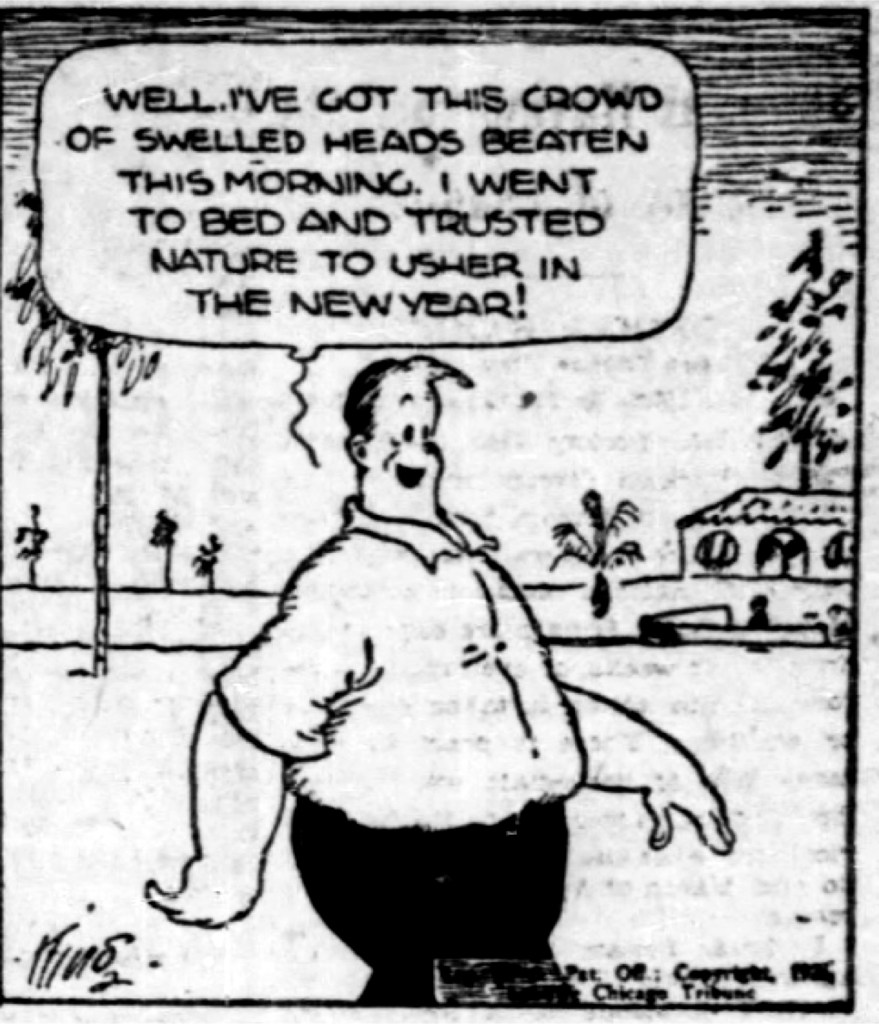

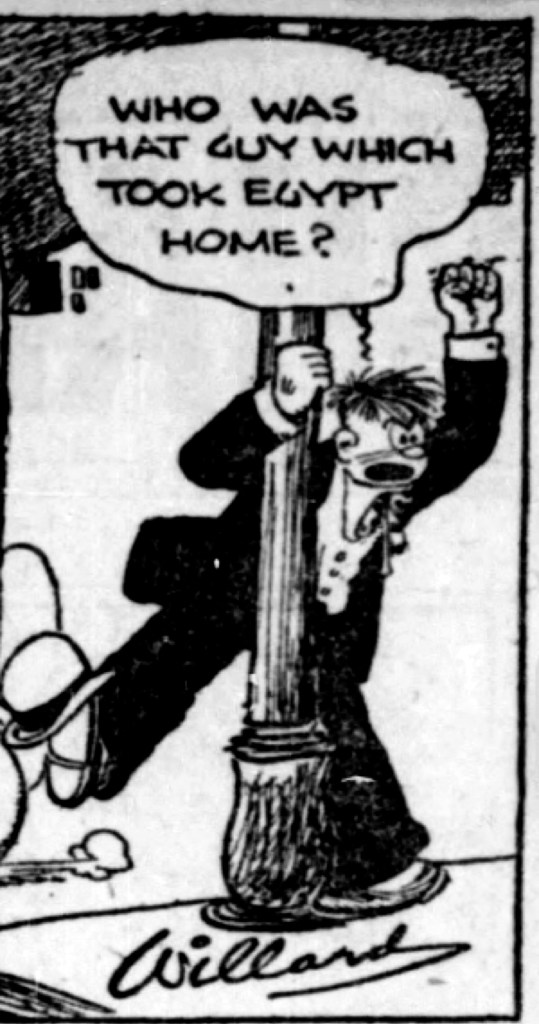

New Year’s Day in Chicago 1926 felt like peak 1920s. The common tropes of the “Jazz Age” congealed on the front page of Tribune: “Gay, Wet New Year’s: 11 Shot – Prosperous U.S, Forecast by 1925 Success” barked the headline. Front page stories reported that the manufacturing and consumption were driving demand-side growth to new levels. Meanwhile, casual gunplay celebrating New Year’s Eve resulted in one dead child and multiple woundings. And at the height of Prohibition, citizens and journalists openly mocked officials trying to enforce alcohol bans in the local nightclubs. According to The Trib, two barely guised Prohibition agents were assigned to each club, while revelers succeeded in hiding their hooch throughout the night. One club crowd had had enough and chased the agents out the door. The cops refused to intervene, claiming that they wanted to remain “neutral.”
Continue readingMonthly Archives: December 2025
Historic Christmas Comics: A Holiday Journey
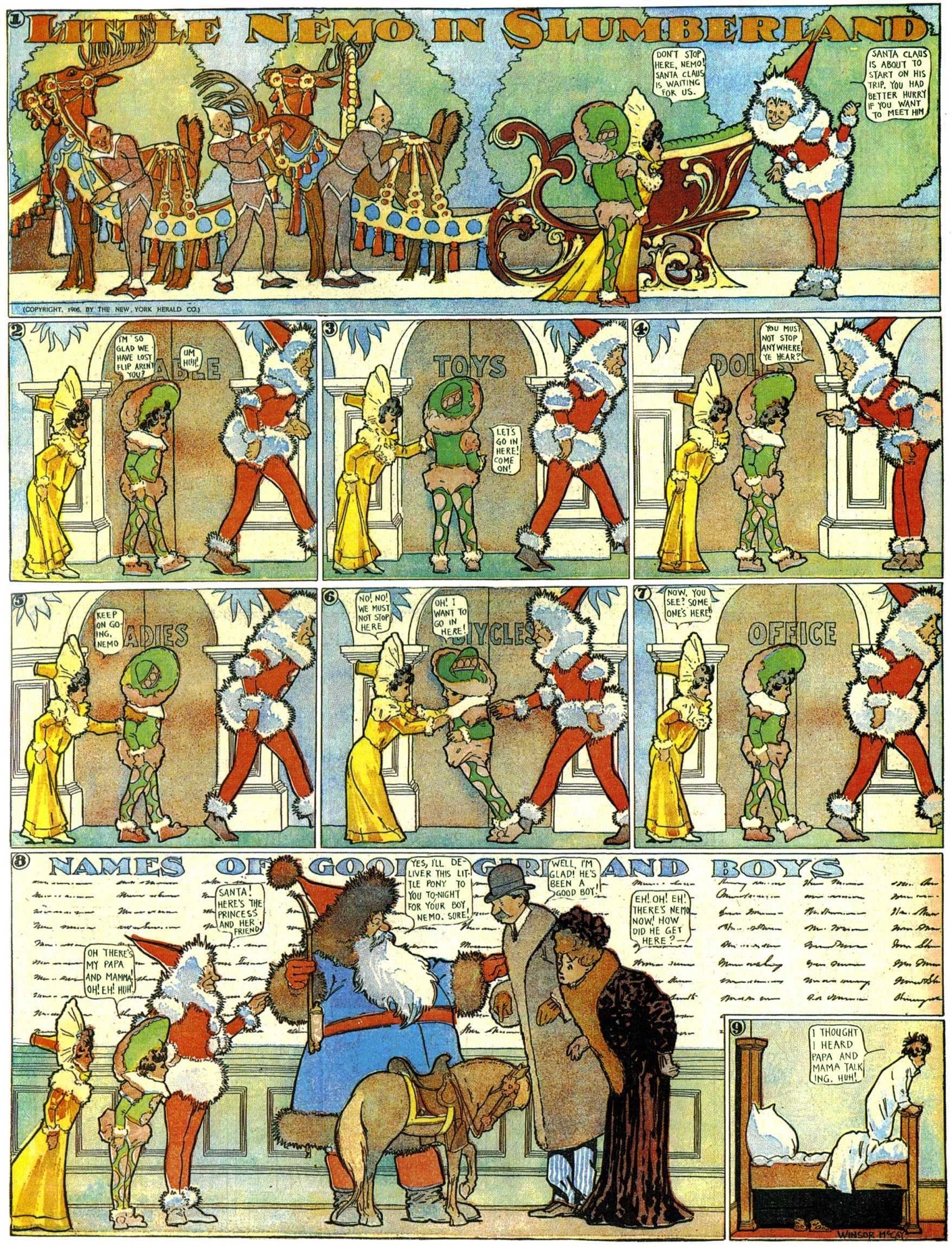
The grand tradition of the Christmas-themed comic episode started pretty much with the modern comic strip itself. Topicality was baked into the newspaper format. But as recurring characters and extended storylines developed, artists found a range of creative ways to integrate holiday greetings with their strips. Today, let’s dance across some noteworthy, even historic, Christmas funnies. Winsor McCay’s Little Nemo in Slumberland often referenced an upcoming holiday. In 1906, Nemo dreams up a pony as his own present.
Continue readingA Merry Dick Tracy Christmas
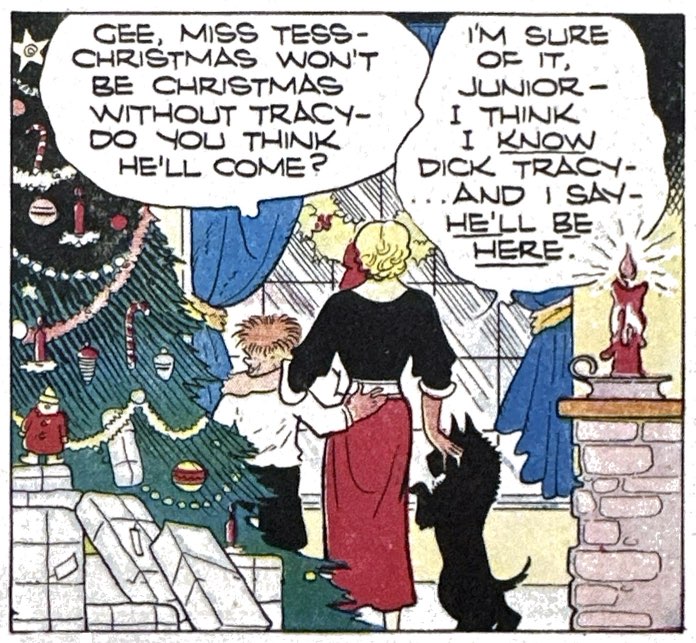
Christmas always had a special place on the comic strip page. Many artists creatively wove Yuletide celebrations into their storyline or just broke the fourth wall for a day to send holiday messages directly to readers. Over the next few days we will recall some of the most creative examples. But let’s start with one of the heartiest celebrants of the holidays, Dick Tracy, and trace how he and Chester Gould treated the holiday.
Continue readingShelf Scan 2025: That Modern Look
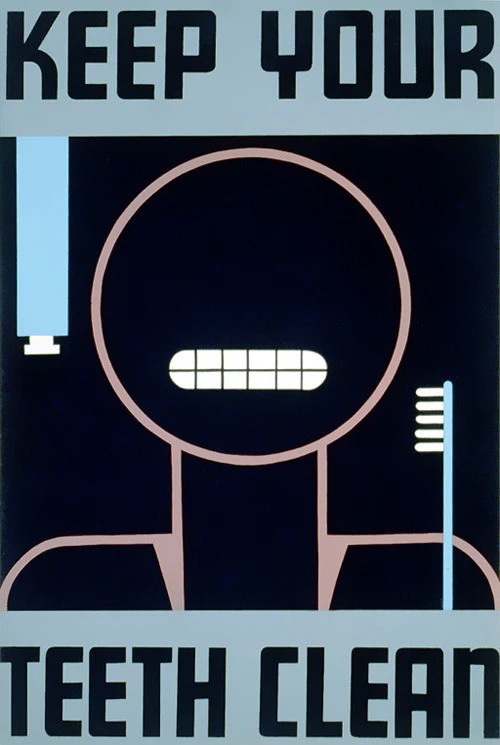

Two of my favorite books this year were not about comics specifically but about the larger visual culture in which comics emerged during the first half of the American 20th Century. Christopher Long’s overview of commercial graphic ideas, Modern Americanness: The New Graphic Design in the United States 1890–1940 takes us from the poster art craze of the 1890s to the streamlining motif that flourished in late 1930s graphic storytelling. And Ennis Carter’s Posters for the People: Art of the WPA reproduces nearly 500 of the best posters from the New Deal-funded Federal Art Project of the 1930s. Between the two books we peer into a comics-adjacent history of commercial art and how it was incorporating design ideas that expressed the experience of modernity and absorbed some of the artistic concepts of formal modernist art. Although neither book mentions cartooning per se, their subjects are engaged in the same cultural project as cartoonists – to find visual languages that capture and often assuage the dislocations of modern change.
Continue readingGal Gangs, Femdoms and Queen Bees: Matriarchal Mayhem in the 1930s
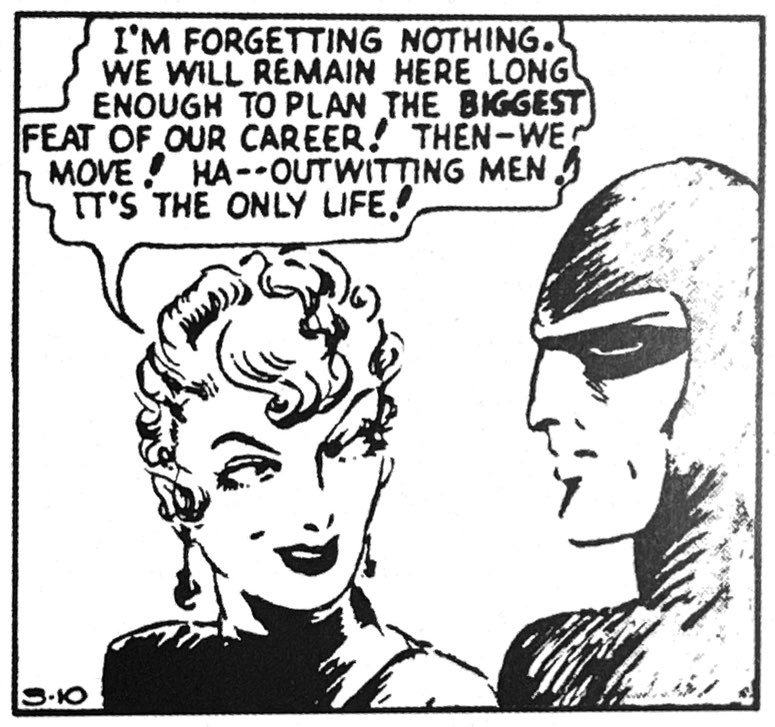
Women-led “Amazon” worlds popped up in a ranges of comic strips during the 1930s and 40s, and they voiced a range of ideas about the prospects for matriarchal rule. In an earlier article we explored otherworldy femtopias in Buck Rogers 25th Century, the Connie strip’s vision of the 30th Century and even in the “Bone Age” of caveman Alley Oop. More muscular he-men heroes like The Phantom and Tarzan, however, found the prospect of matriarchy a bit more, well, shall we say, threatening?
Continue readingComics at Scale: Checking In With Peter Maresca at Sunday Press Books
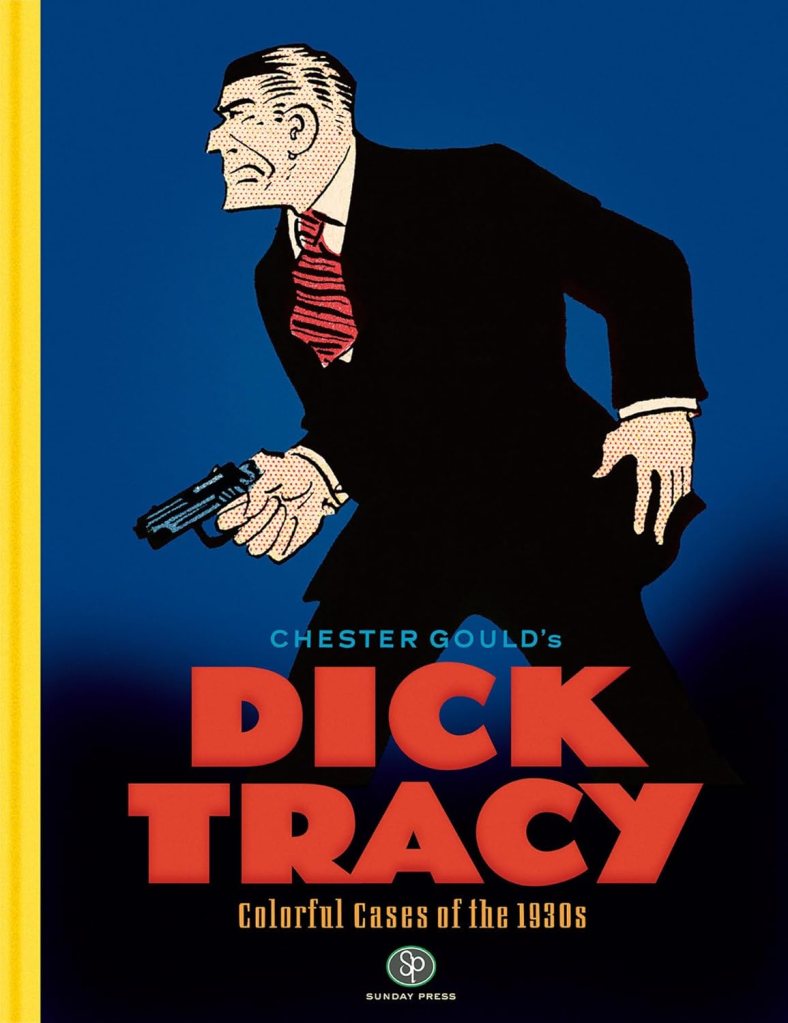
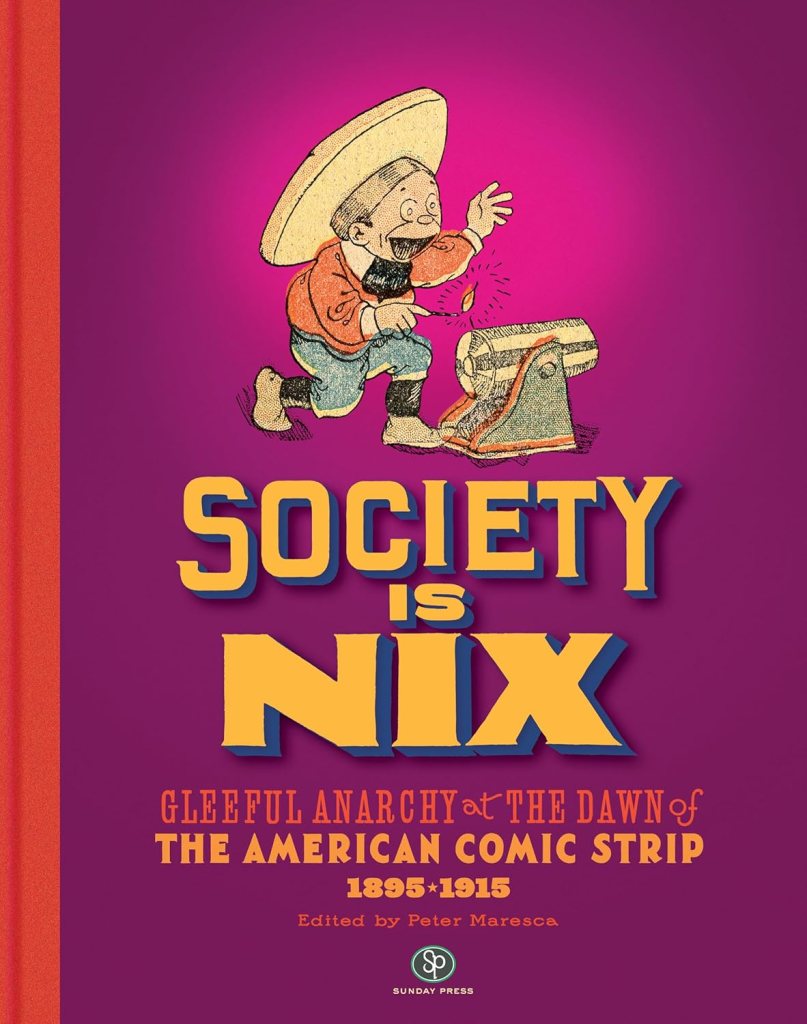
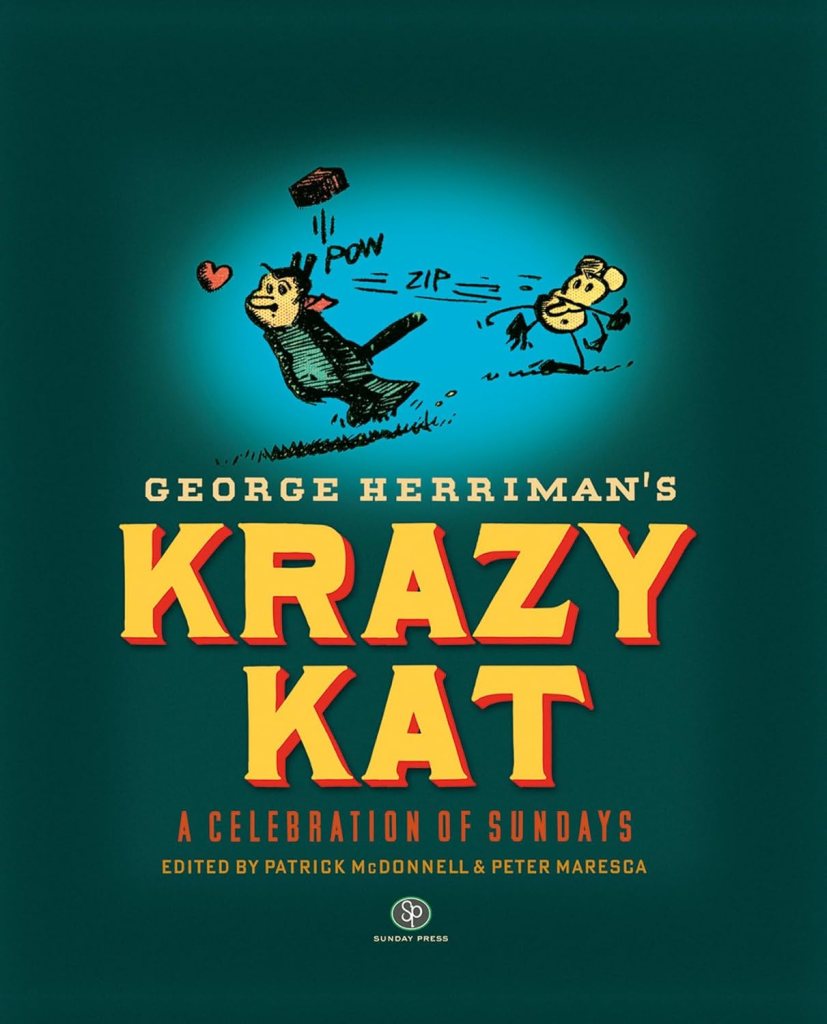
In our ongoing series of interviews with publishers who are keeping comics history alive, we go oversized this week. Since it started publishing reprints of classic newspaper comics 20 years ago with Little Nemo, Sunday Press reimagined what a reprint could be. These massively oversized books try to immerse us in the original scale and rich color of the earliest Sunday pages. Sunday Press has applied its format to Krazy Kat, Dick Tracy, Milt Gross, Gasoline Alley, among others. Peter Maresca is founder of Sunday Press Books. We spent an hour with Peter recently recalling his background in comics and tech, the origins of Sunday Press Books with the Little Nemo project, and his thoughts on keeping comics history relevant for a new generation of readers and creators.
Continue readingGet Me to The Church on Time: Decoding the Postwar Cartoon Marriage Boom
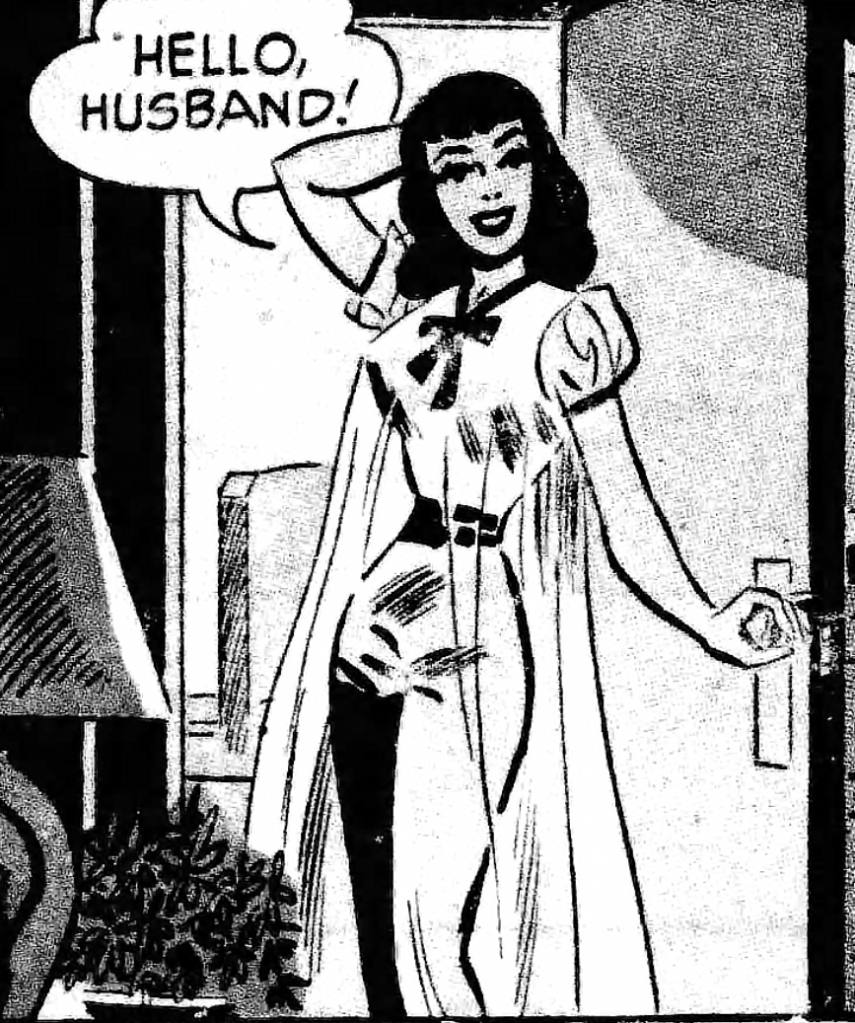
“It is a old comical strip trick – pretendin’ th’ hero gotta git married.” It keeps “stupid readers excited,” Li’l Abner claims in 1952. Days later he unwittingly weds Daisy Mae, ending a nearly 20 year tease. But this time it was no “comical strip” trick. In fact, several perennial bachelors of the comics pages fell in a post-WWII rush to the altar. Along with Abner, Prince Valiant, Buz Sawyer, Dick Tracy and Kerry Drake all enjoyed funny page weddings between 1946 and 1957. Comic strip heroes were just following the lead of the real-world heroes returning from WWII. Desperate to make up for lost time and return to normality, over 16 million Americans got hitched in 1946, the year after war ended in Europe and the Pacific. But each of these strips framed the new normal in American life differently. As the best of popular art often does, Vale, Dick, Abner, Buz, Kerry and their mates offered Americans a range of stories, myths really, about what this new normal meant.
Continue reading Panels & Prose