Nemo’s Consumer Dystopia: The Man Who Owned Mars (1910)

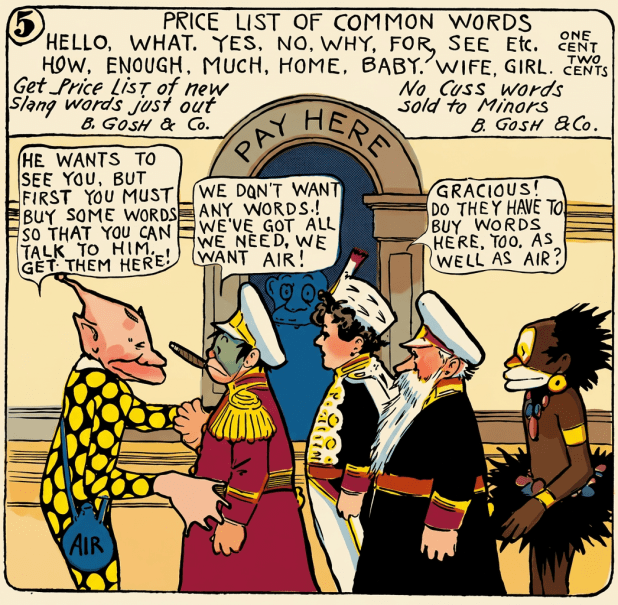
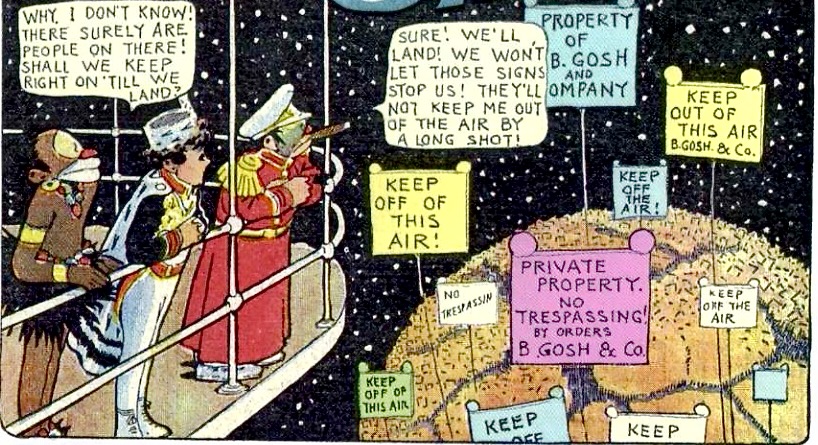
Between April 24 and Aug 23 1910 Winsor McCay sent Little Nemo and his wise-ass sidekick Flip to Mars, making for one of the longest and most politically pointed of the Little Nemo in Slumberland adventures. Mars was a dystopia of cement canyons and urban overgrowth, clots of faceless worker bodies rushing to thankless jobs. The landscape, with endless skyscrapers and spherical flying cars was as technologically wondrous as its lived reality seemed dismal. Mars is overtly Dante-esque. As the archway to the main city declares, “Abandon Hope All Ye Who Try to Enter Here Without the Price.” Unlike the classic Inferno, there is only one main sin driving the despair – greed. Even as the modern age of consumer capitalism was just taking shape, McCay satirized its logical extreme. Everything, from air to words, comes at a cost.

Continue reading
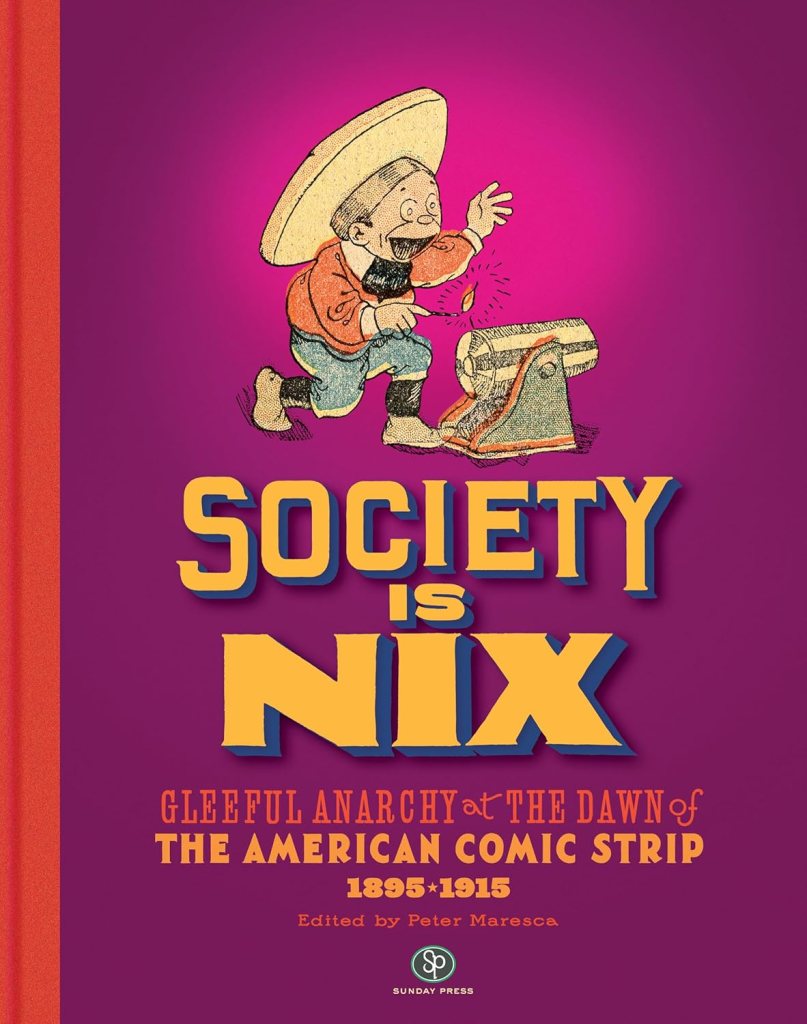
Comics at Scale: Checking In With Peter Maresca at Sunday Press Books

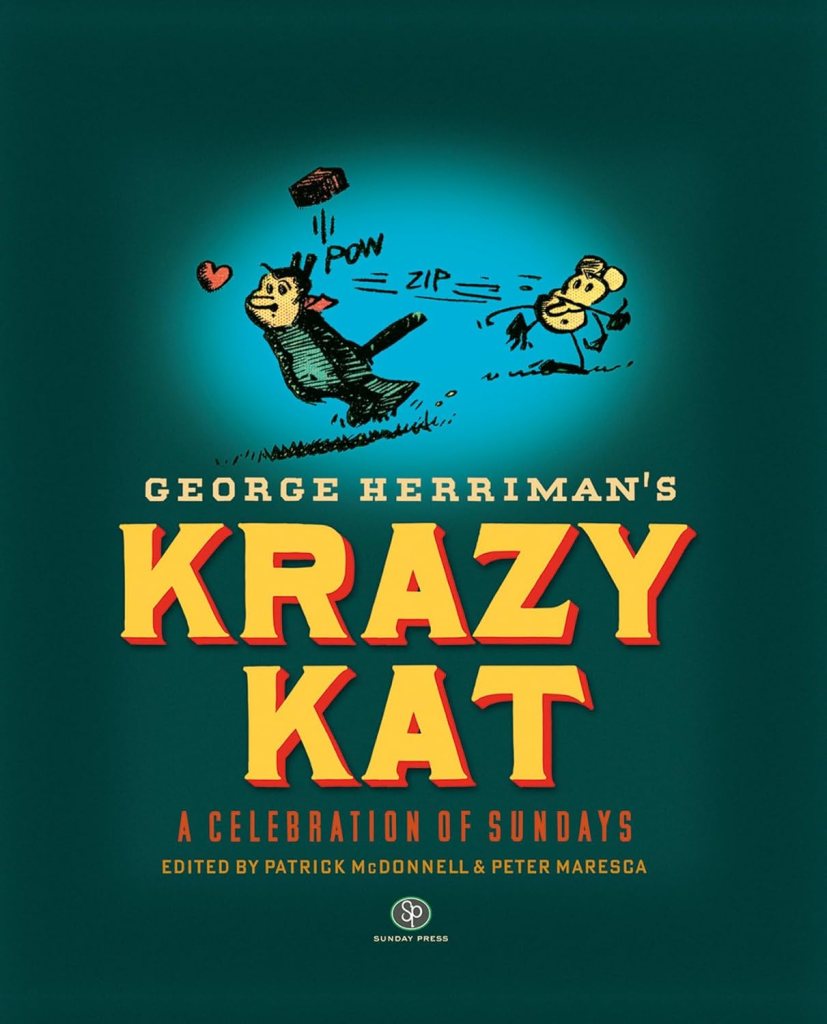
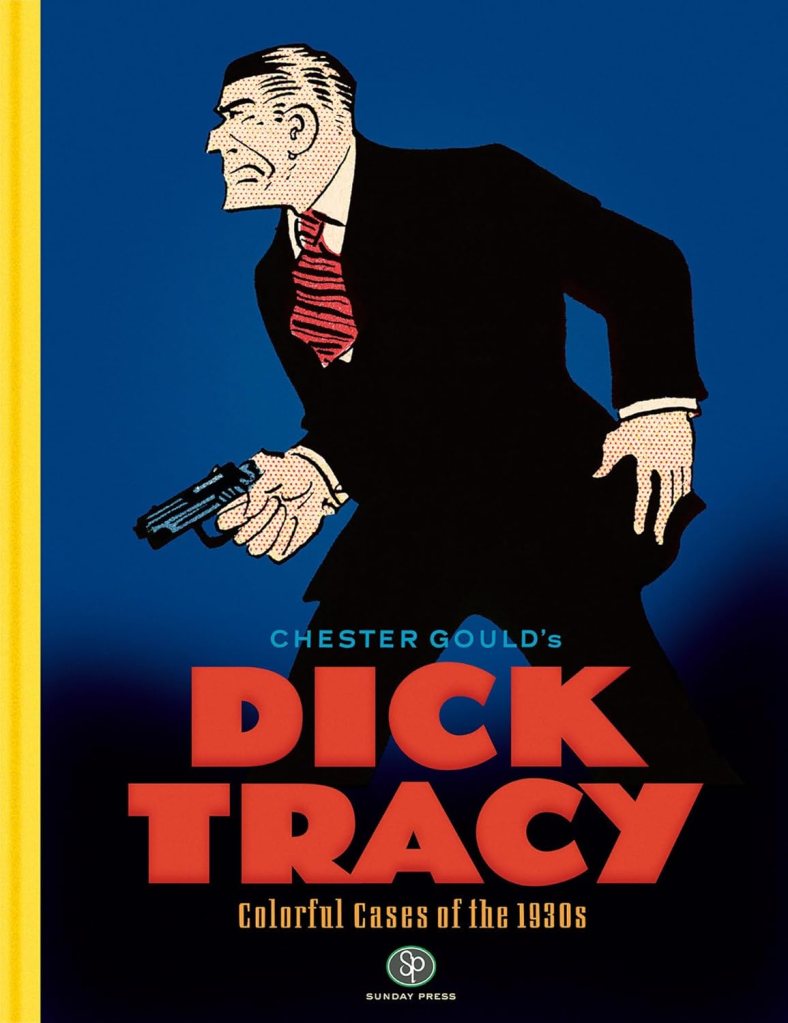
In our ongoing series of interviews with publishers who are keeping comics history alive, we go oversized this week. Since it started publishing reprints of classic newspaper comics 20 years ago with Little Nemo, Sunday Press reimagined what a reprint could be. These massively oversized books try to immerse us in the original scale and rich color of the earliest Sunday pages. Sunday Press has applied its format to Krazy Kat, Dick Tracy, Milt Gross, Gasoline Alley, among others. Peter Maresca is founder of Sunday Press Books. We spent an hour with Peter recently recalling his background in comics and tech, the origins of Sunday Press Books with the Little Nemo project, and his thoughts on keeping comics history relevant for a new generation of readers and creators.

Continue reading