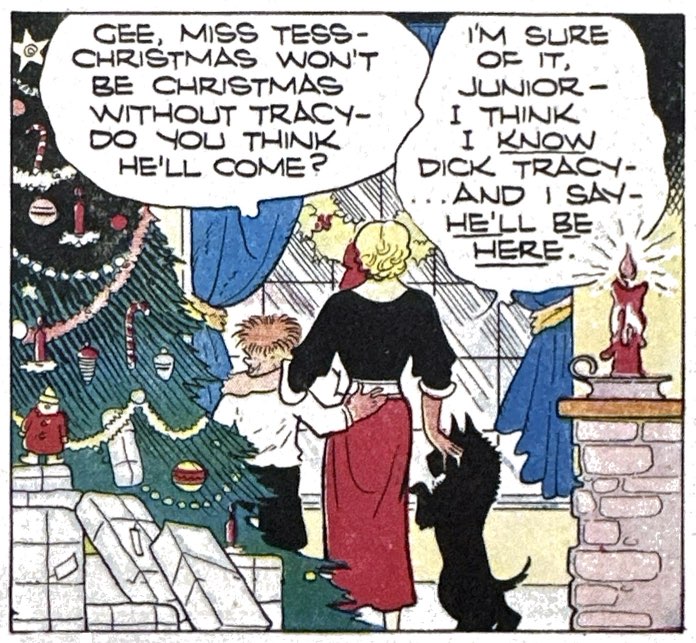
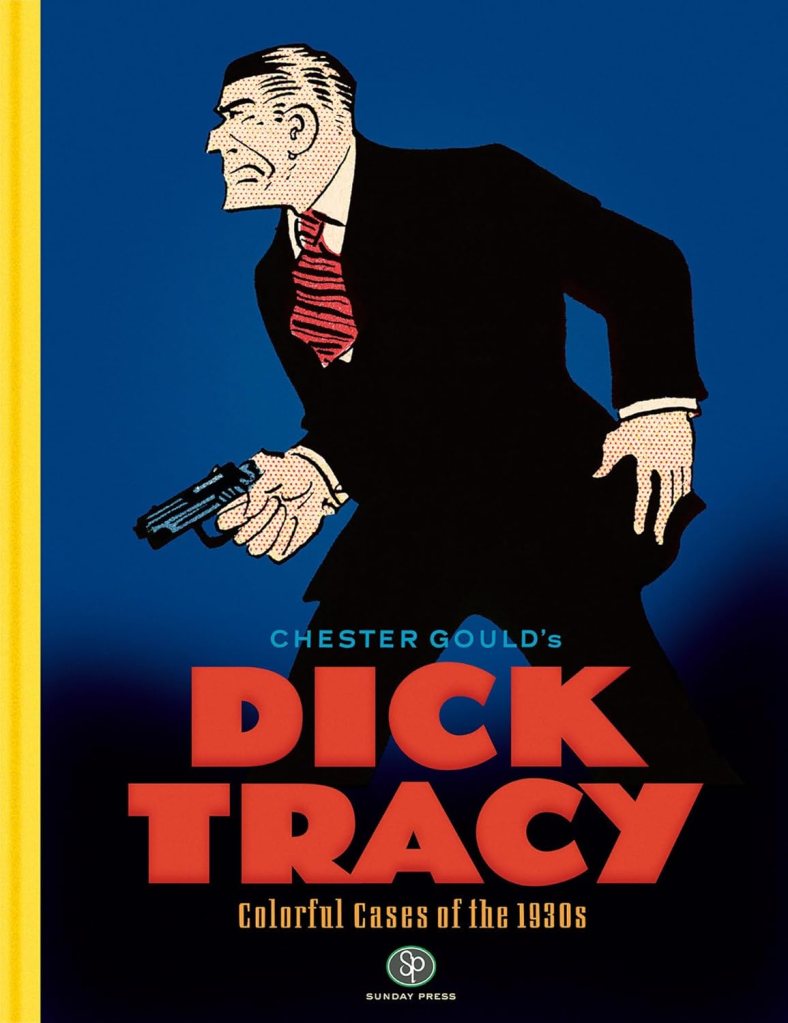
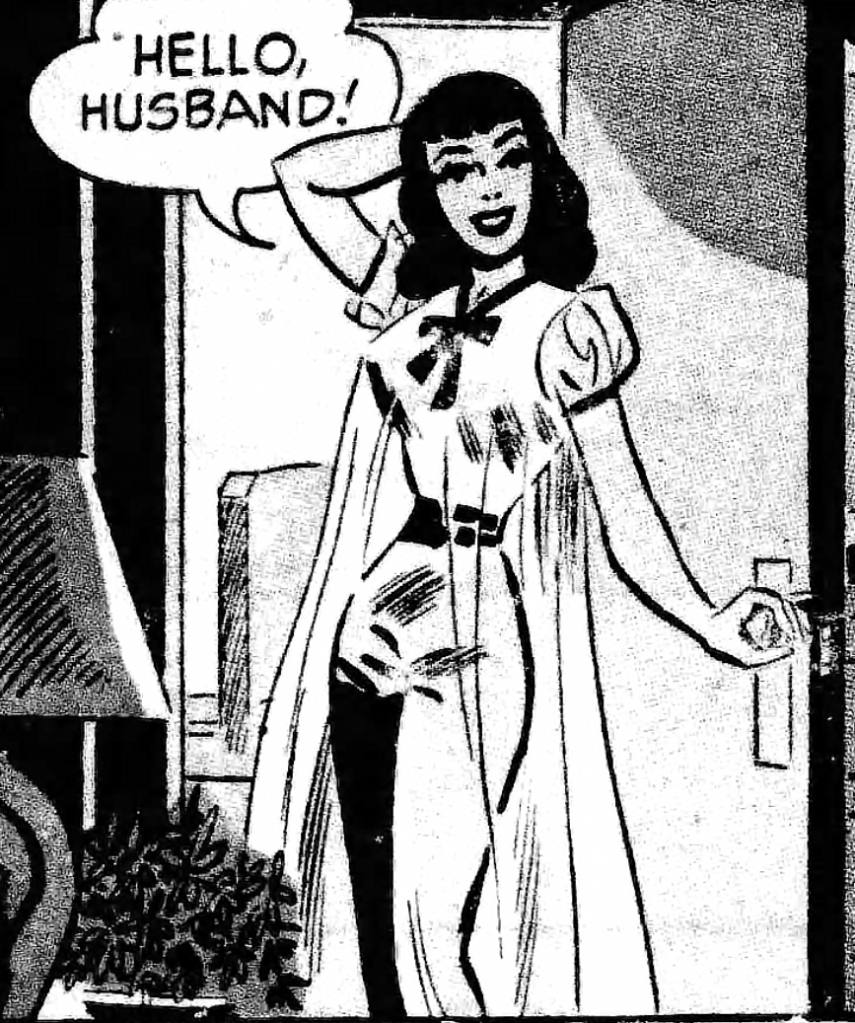
“It is a old comical strip trick – pretendin’ th’ hero gotta git married.” It keeps “stupid readers excited,” Li’l Abner claims in 1952. Days later he unwittingly weds Daisy Mae, ending a nearly 20 year tease. But this time it was no “comical strip” trick. In fact, several perennial bachelors of the comics pages fell in a post-WWII rush to the altar. Along with Abner, Prince Valiant, Buz Sawyer, Dick Tracy and Kerry Drake all enjoyed funny page weddings between 1946 and 1957. Comic strip heroes were just following the lead of the real-world heroes returning from WWII. Desperate to make up for lost time and return to normality, over 16 million Americans got hitched in 1946, the year after war ended in Europe and the Pacific. But each of these strips framed the new normal in American life differently. As the best of popular art often does, Vale, Dick, Abner, Buz, Kerry and their mates offered Americans a range of stories, myths really, about what this new normal meant.
Continue reading →


 Panels & Prose