Mad Science: The Original Tech Bros of 1933


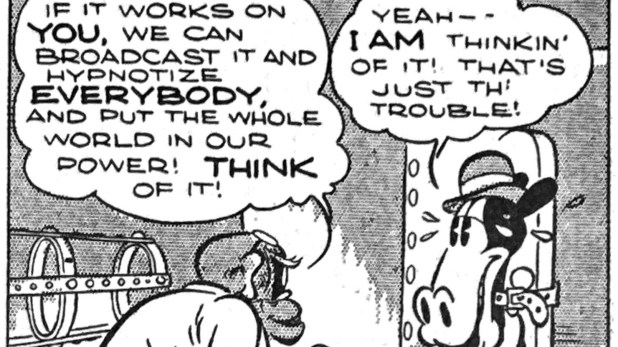
Getting nervous about the prospect of an AI oligarchy, a kind of anti-democratic sensibility that the Tech Bros finally say out loud? That they see in their own machines the prospects of a “post-human” future where rational engineers like themselves finally get the respect, authority and control they think they deserve? That compassion, democracy, maybe humanity itself are only for the weak willed? That this could be a better world if only pesky governments and, you know, people, would just leave them alone?


Welcome back to 1933. 

Continue reading

Cool and Calculating: 20 Favorite Comic Strip Villains – Part 3

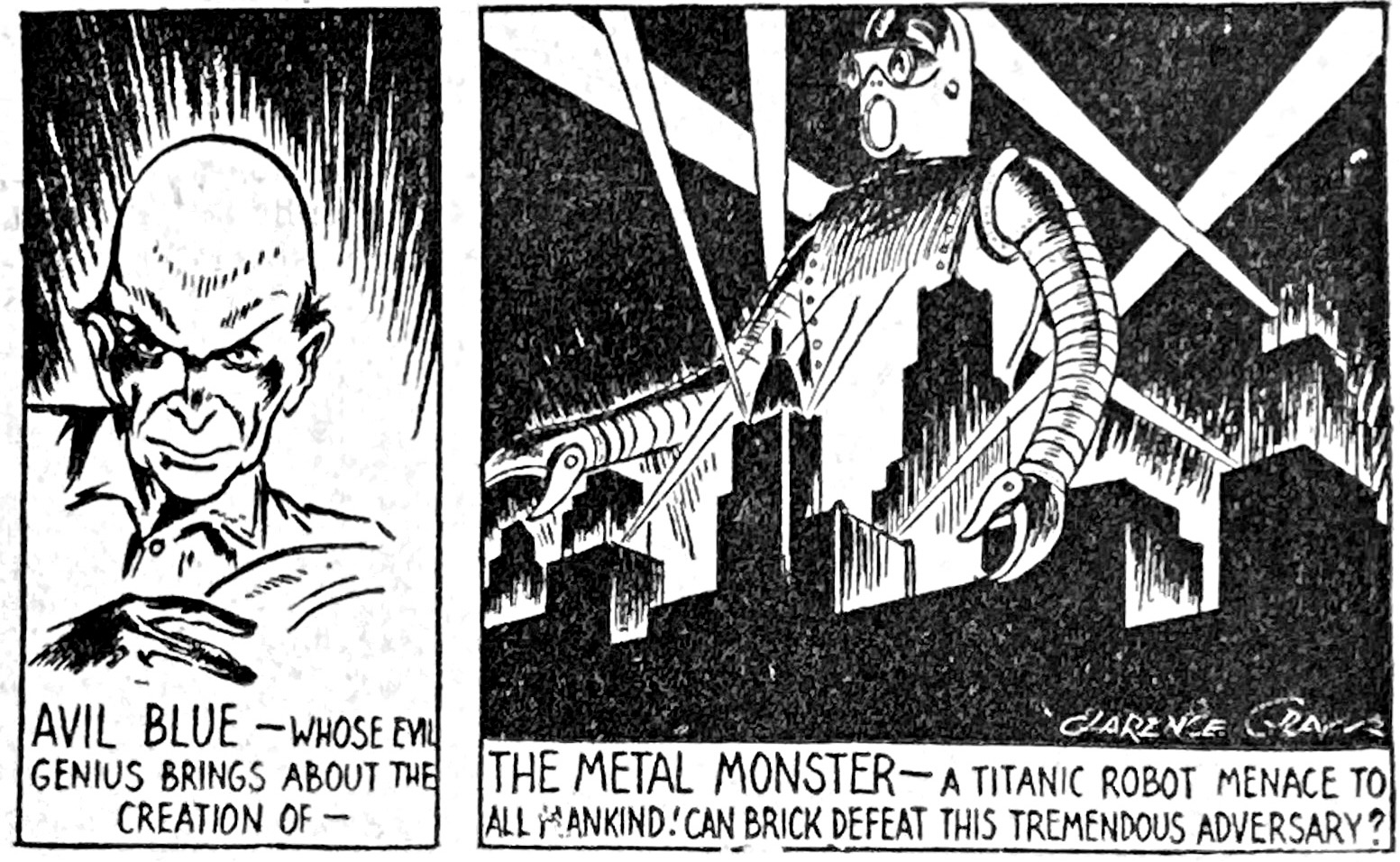
As the 1930s progressed, comic strip adventuring matured its visions of villainy. And the times were changing, as world war was becoming a reality rather than a distant rumble. As we saw in Part 1 and Part 2 of our favorite comic strip badasses, the thuggish, petty, and naturally mean antangonists of the 20s and early 30s (Bull Dawson, Sea Hag, etc.) had given way to the world-eating maniacs like Ming and The Cobra. By the late 30s, villainy becomes a bit more real and local – often focused on espionage or just personal greed. And the characters are evolving as well, more conniving and cerebral, less tied to gangsterism and power-madness than to cool demeanors and low-key malevolence. Evil was no longer wearing crowns, medieval cloaks or mustaches. They were well-dressed and brainy – the villain next door.

Continue reading

The Year in Pre-Code Comic Book Reprints, 2025

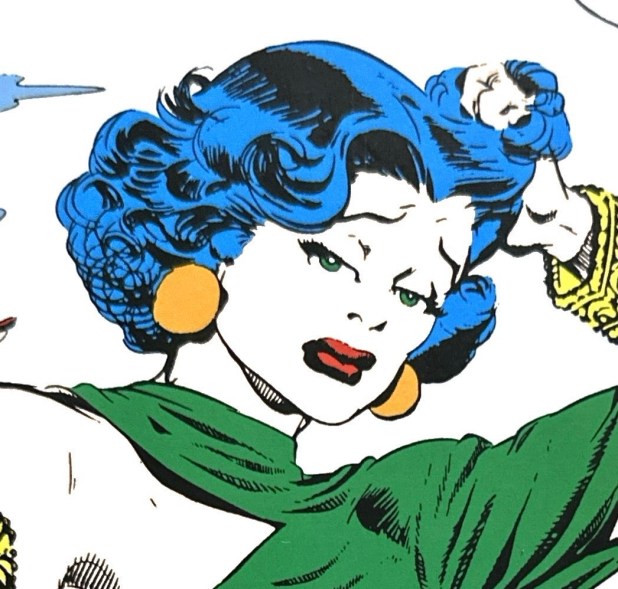
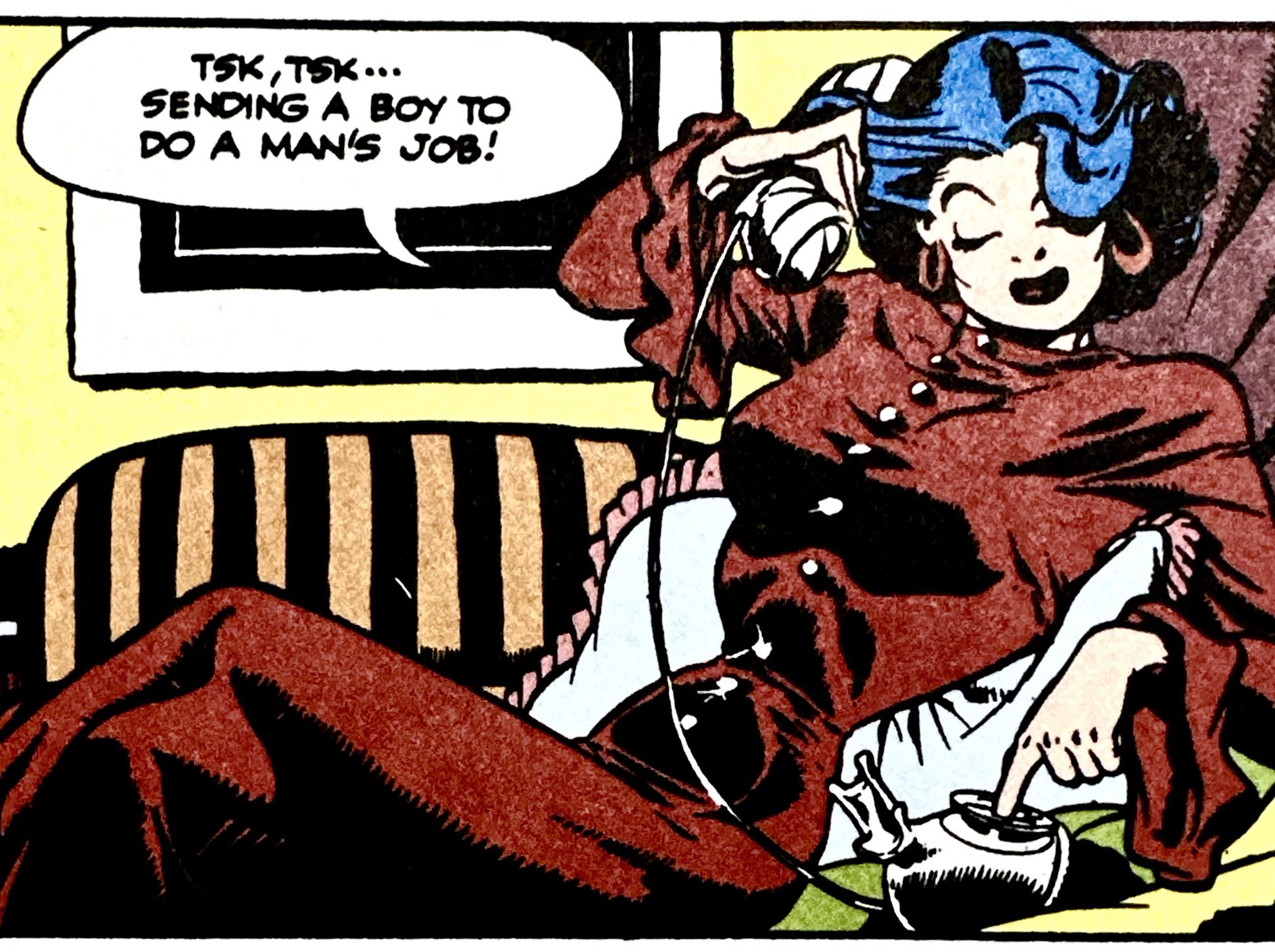
I am an EC chauvinist. I should cop to this before rounding up the notable pre-code comic book reprints from the last year. For decades now I have been devouring the many crime, horror, sci-fi, and romance comics that were part of the glut of adult titles after WWII, in part because they represented the unrealized potential of the comics format in post-war America. This was a real pop culture moment. War veterans ate a steady diet of comic books “over there” and seemed primed to follow the medium into more nuanced and adult storylines in the 40s and 50s. Likewise overseas, Japanese manga and Franco-Belgian bandes dessinées were on a similar path towards the popular, if not literary, mainstream. But in the U.S. that evolution was derailed and slammed into reverse by anti-comics crusades and the industry’s own “Comics Code Authority” in 1954. Self-censorship effectively arrested the medium in pre-adolescence, focused the industry on anodyne morality tales and pubescent fantasies of super-human prowess for at least a couple of decades.

Continue reading