
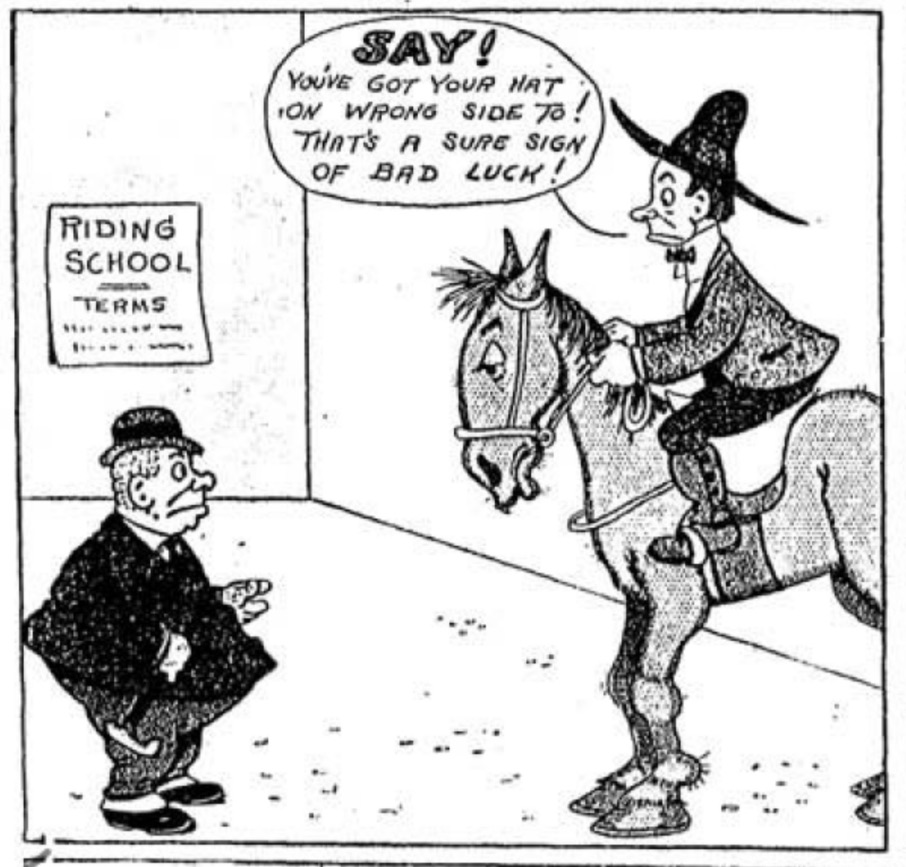
Early newspaper cartoonists had a fixation on fixations. From the relentless politeness of Alphonse and Gaston to the ravenous Hungry Henrietta to Mr. Jack’s apparent sex addiction, the comedy of dysfunction was central to the first decade of the medium. Rooted in caricature, and visual shorthand, cartooning has always been dominated by social typing of one kind or another. Racial stereotyping was rife, of course, in the first decade of strips especially. But they joined prankish kids, hapless husbands, befuddled cops, prissy socialites, country hayseeds, and wacky inventors in a kind of repertory cast of the comics pages in these years. But sometime after 1900, many cartoonists zoomed into specific characteristics, obsessions, and idiosyncratic tics to define a strip.
In 1903 alone, we see Jimmy Swinnerton’s relentlessly horny Mr. Jack appear as well as George Herriman’s short runs like Mrs. Waitaminnit, The Woman Who Is Always Late and Little Tommy Tattles. There was the rude Sassy Sue and Superstitious Smith. By the next year the trend for tics and traits hit a wave of “Misters”: Absent-Minded and Forgetit, B.Z. Boddy and Tardy, among others. Over the next couple of years, what we might call the adjectival protagonists have their moment. Fitzboomski The Anarchist, Hungry Henrietta, Superstitious Sam, Little Sammy Sneeze, to name just a few that remain familiar. But we also had Lazy Lew – He Yawns, along with Yawning Yellerby, Mister Pest – Book Agent, the hoarder Miss Rummage, the procrastinating Put-Off Pete, the rhymer Jingling Johnson, the never-on-time Almost Family, the oblivious Lucy and Sophie Say Goodbye, The Hurry-Up New Yorker, and Sam and His Laugh.
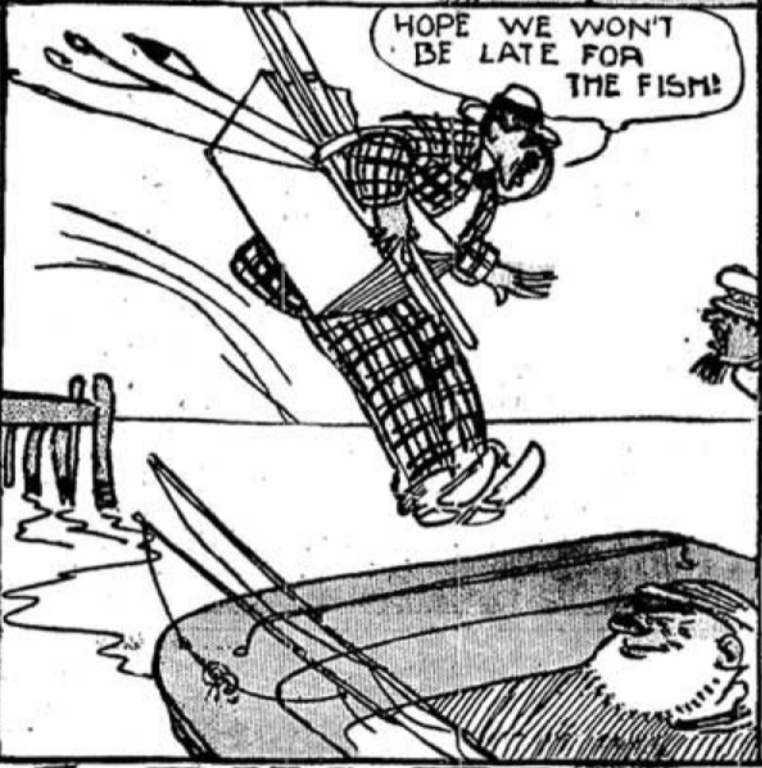
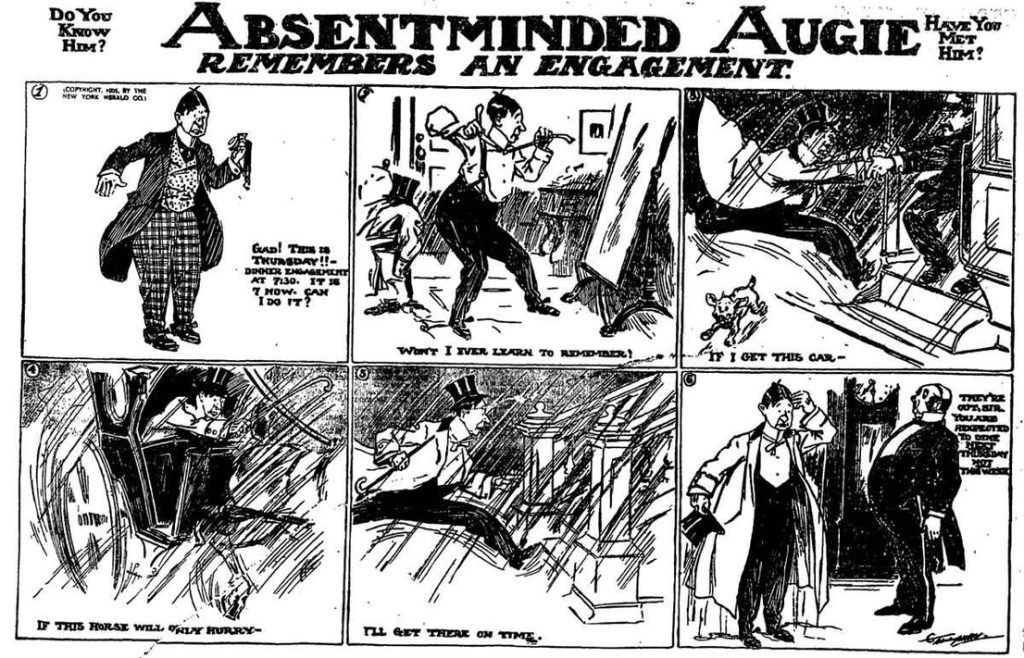
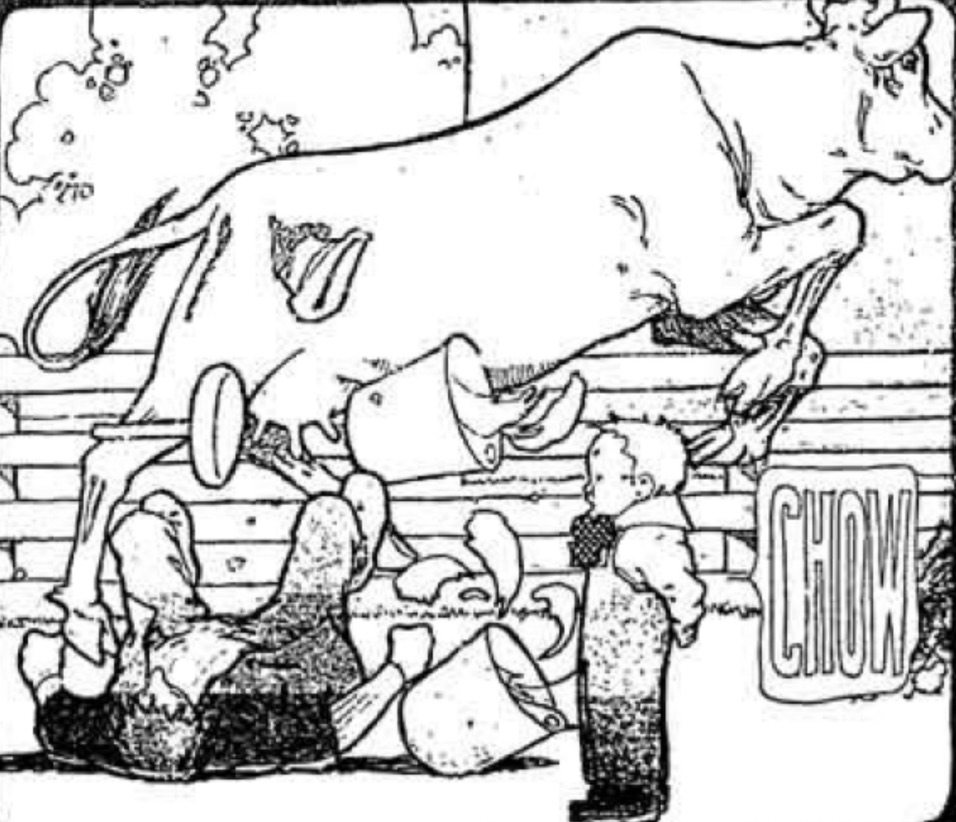
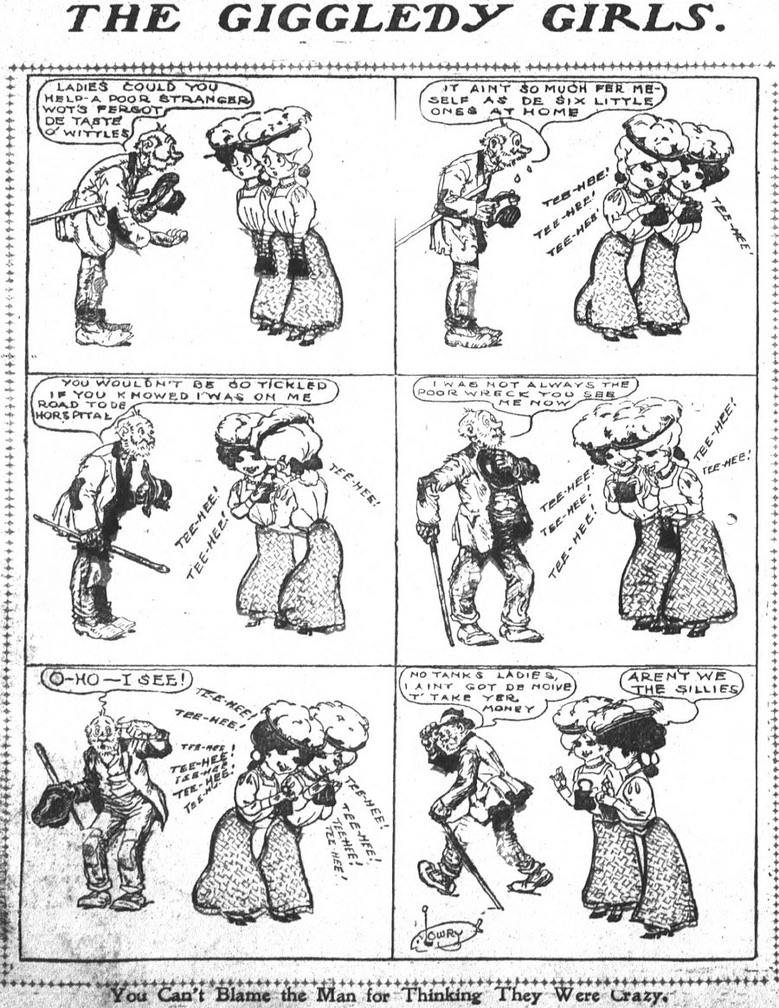
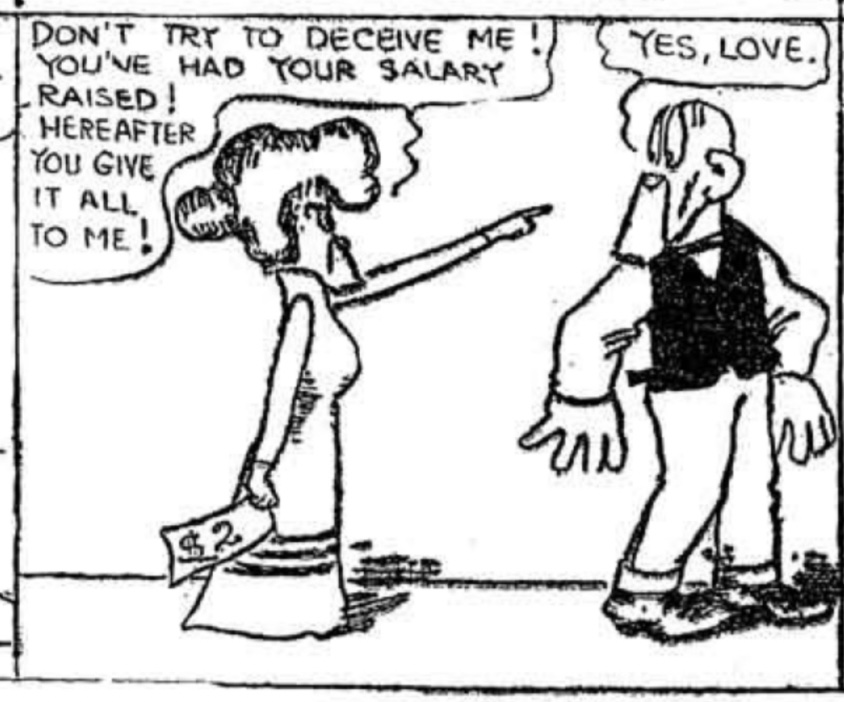
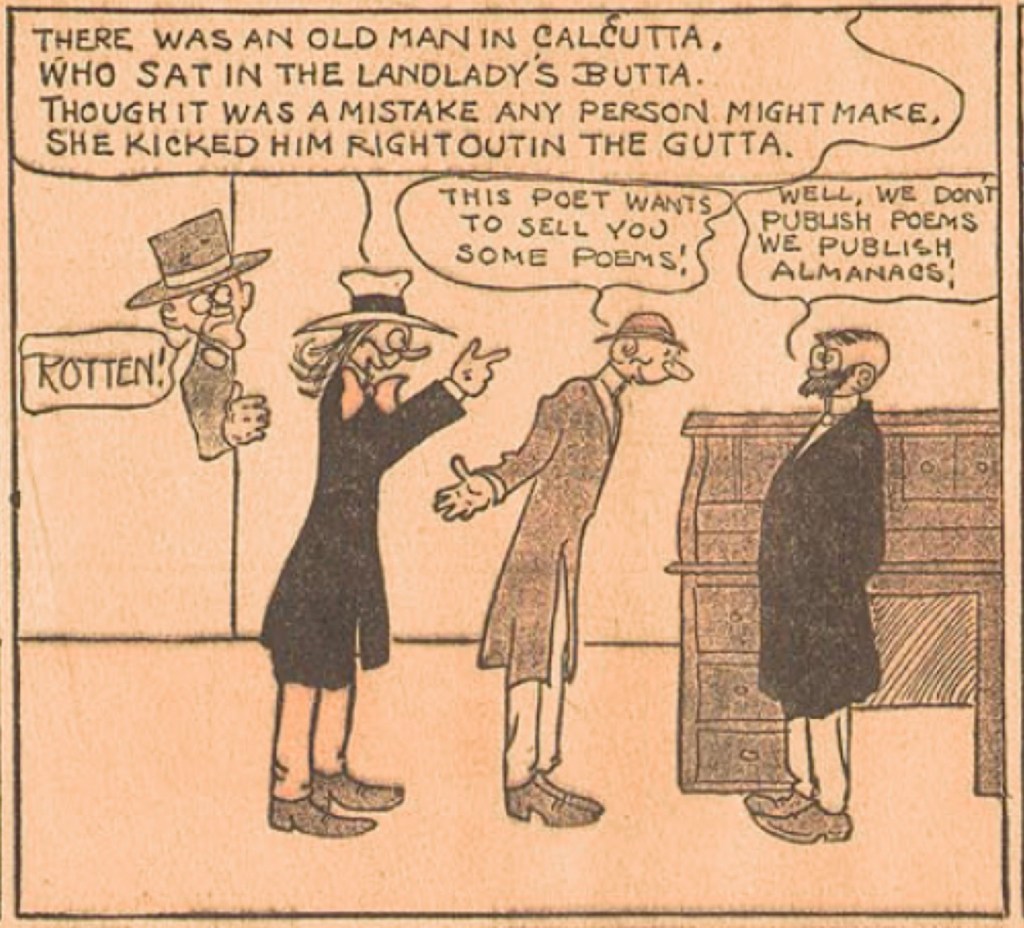
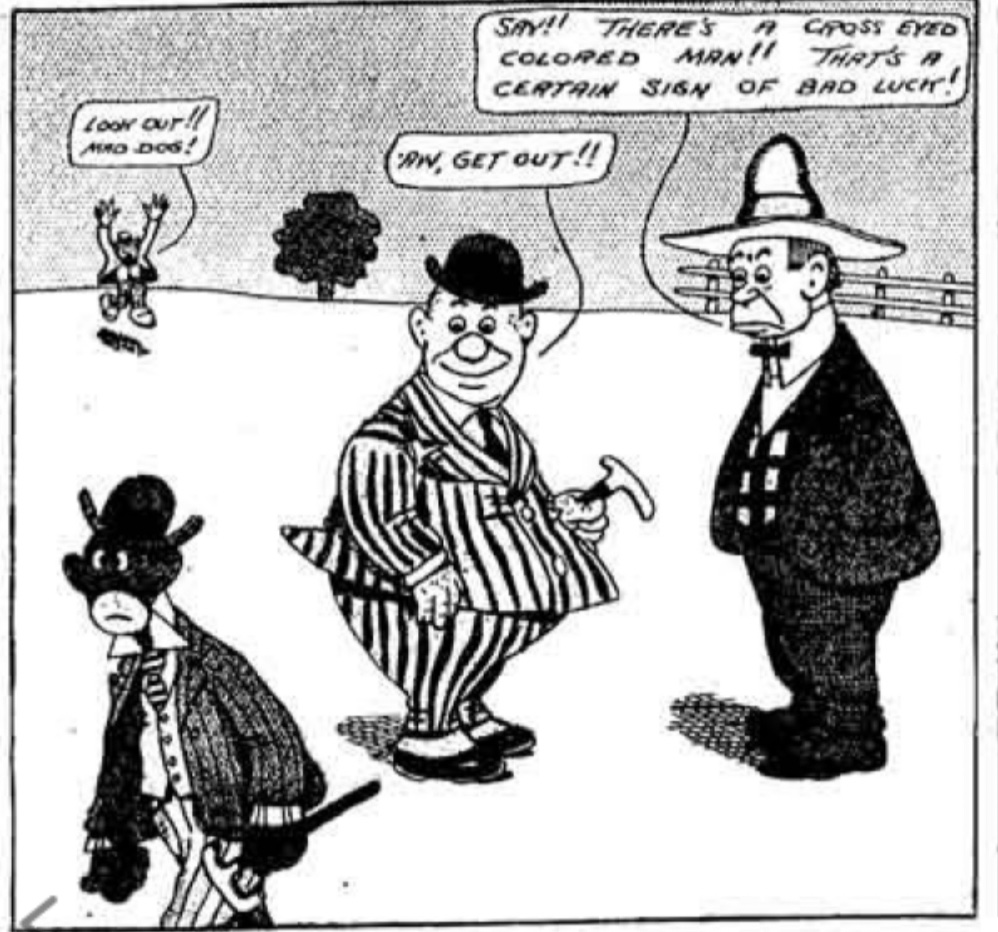
Starting in1904, Gus Mager constructed a gallery of idiosyncratic “Monks”: Groucho, Coldfeeto, Henpecko, Braggo, Nervo, Rhymo, which eventually became a community in the many mysteries of Sherlocko the Monk. And as if in answer to all of these quirky, often irritating figures, we get the most enduring cartoon with serious anger issues, Everett True, who thrashes any type or trait that triggers him.
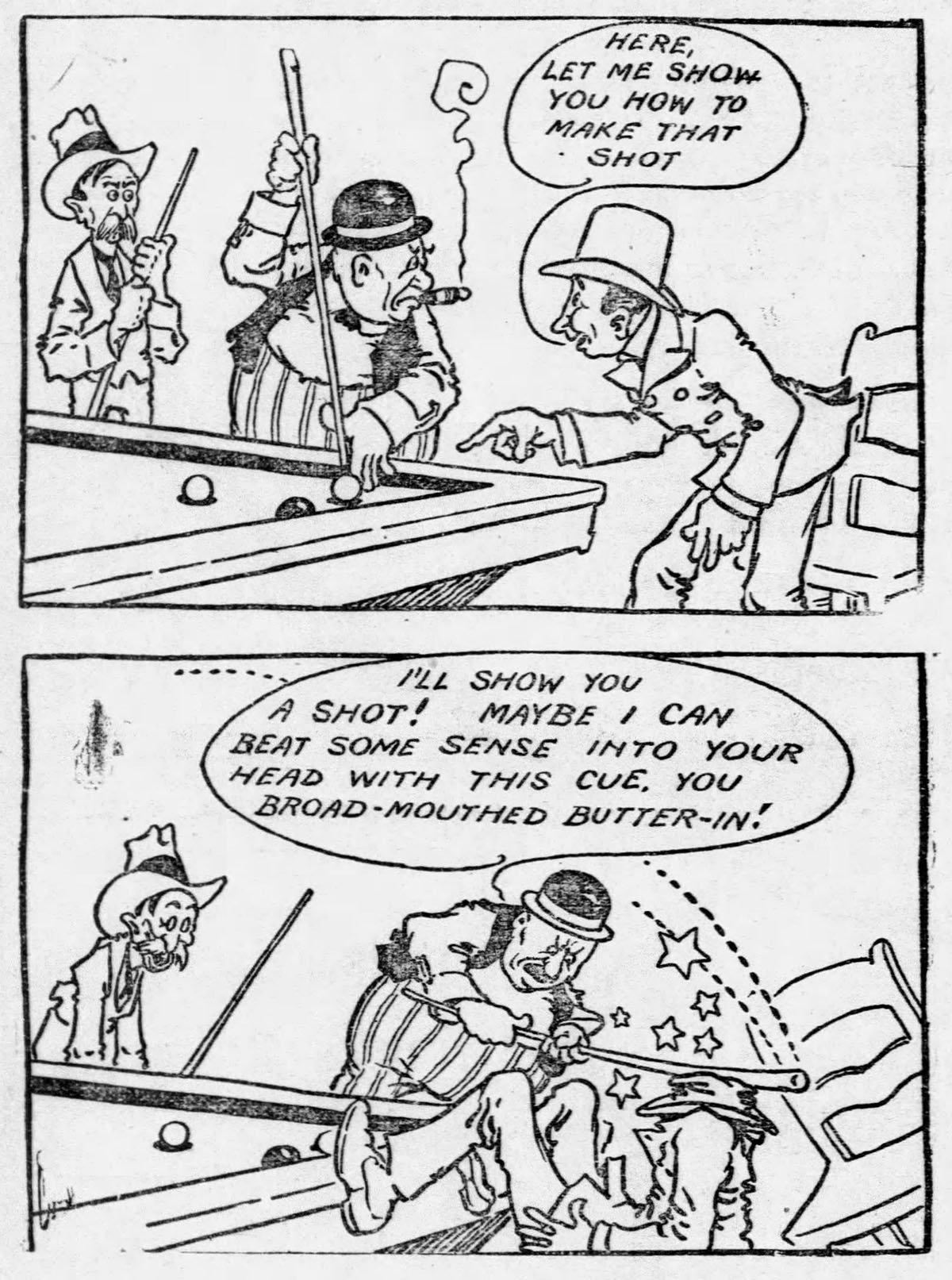
The comedy from most of these cartoon obsessives usually is comeuppance at the hands of the obsessive’s own behavior.
Probably not unrelated were the frequent references to lunacy in early comics. “The New York Evening Journal’s Private Insane Asylum” was an occasional series of observational cartoons that ran on and off between 1898 and 1904, started by by R.F. Outcault and picked up by Jimmy Swinnerton. Multiple cartoonists during the first decade played with a similar gag scenario: an inmate escapes the asylum only to find the world too crazy for him. Rube Goldberg’s Lunatics I have Met ran between 1907 and 1915. And of course in 1908 we meet Mutt’s eventual sidekick Jeff as a delusional inmate.
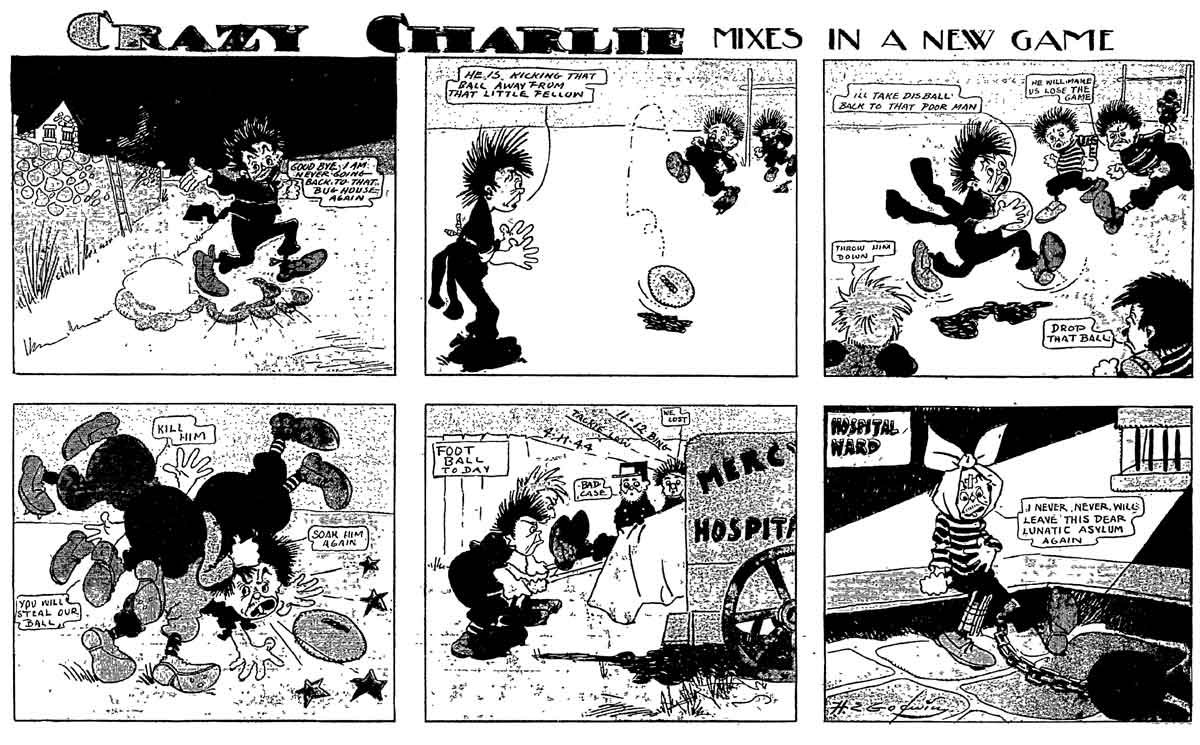
This preoccupation with types, whether obsessive, social or ethnic, was neither coincidental nor just a natural extension of cartooning’s roots in caricature. It was part of a larger role that comics seemed to play mapping out the experiences of the new city environment. It is fair to say that many of these artists were practicing a kind of vernacular psychology, a comic attempt to chart out a rapidly changing social terrain. Ever more Americans, especially those in the centers of early comics creation like New York, Chicago and San Francisco, were suddenly living in a world of strangers. The population shift from rural to urban in in the last decades of the 19th Century was tectonic. In fact, a great number of the pioneering cartoonists like R.F. Outcault, F.B. Opper, Winsor McCay, William F. Marriner, A.D. Condo, Frank King, Jimmy Swinnerton, themselves migrated from smaller burgs or mid-western culture to the big city and must have experienced this dislocation. The comic strip’s native ability to exaggerate expressions and bodies were well suited to mapping out and making sense of the strangers, unfamiliar behaviors, let alone the many languages of the city.
Other historians of cartooning and art have noted aspects of this trope. Paul Tumey recounts that, “At some point in the mid-1900s American newspaper comics shifted from parodies of broad types such as tramps, cops and little boys to strips built around more specific traits and behaviors, leaning towards obsessions and neuroses.”1 Rebecca Zurier, the academic chronicler of the Ash Can School of painters, many of whom were cartoonists, argues, “Cartoons that assembled a series of urban vignettes, for example, taught readers to collect their own observations, repeating the activity of both journalists and amateur photographers who compiled albums of urban snapshots.”2
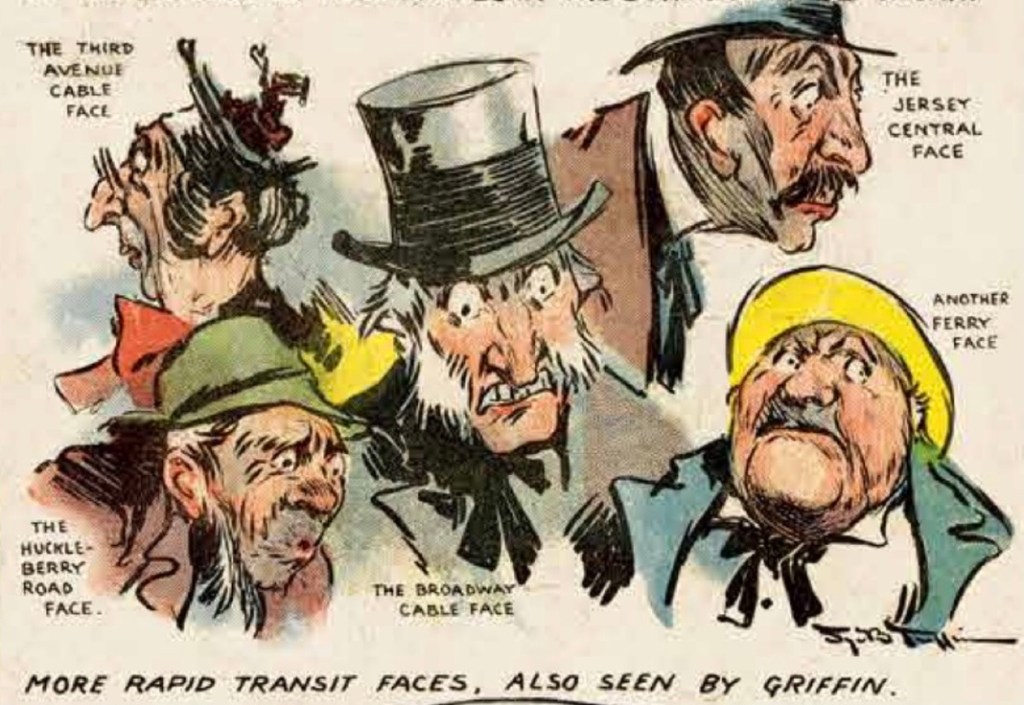
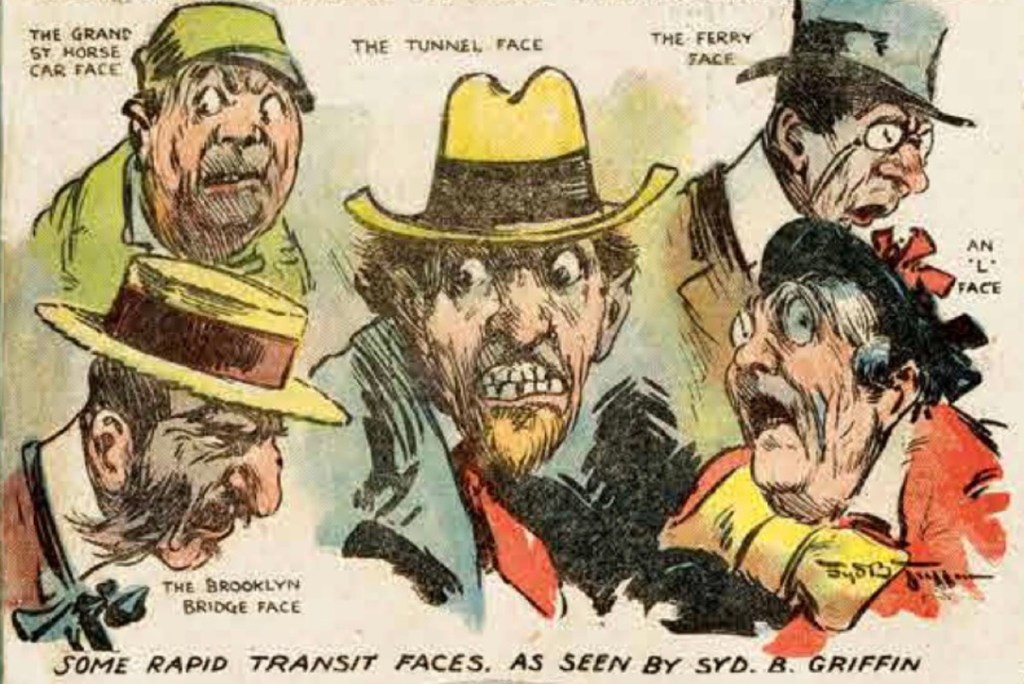
For some cartoonists, cataloging the human types in the city became its own topic. In a cartoon send-up of a new commuter tunnel opening, Syd Griffith created a gallery of likely faces and personalities one would likely meet on this new, democratic mode of mass transit.
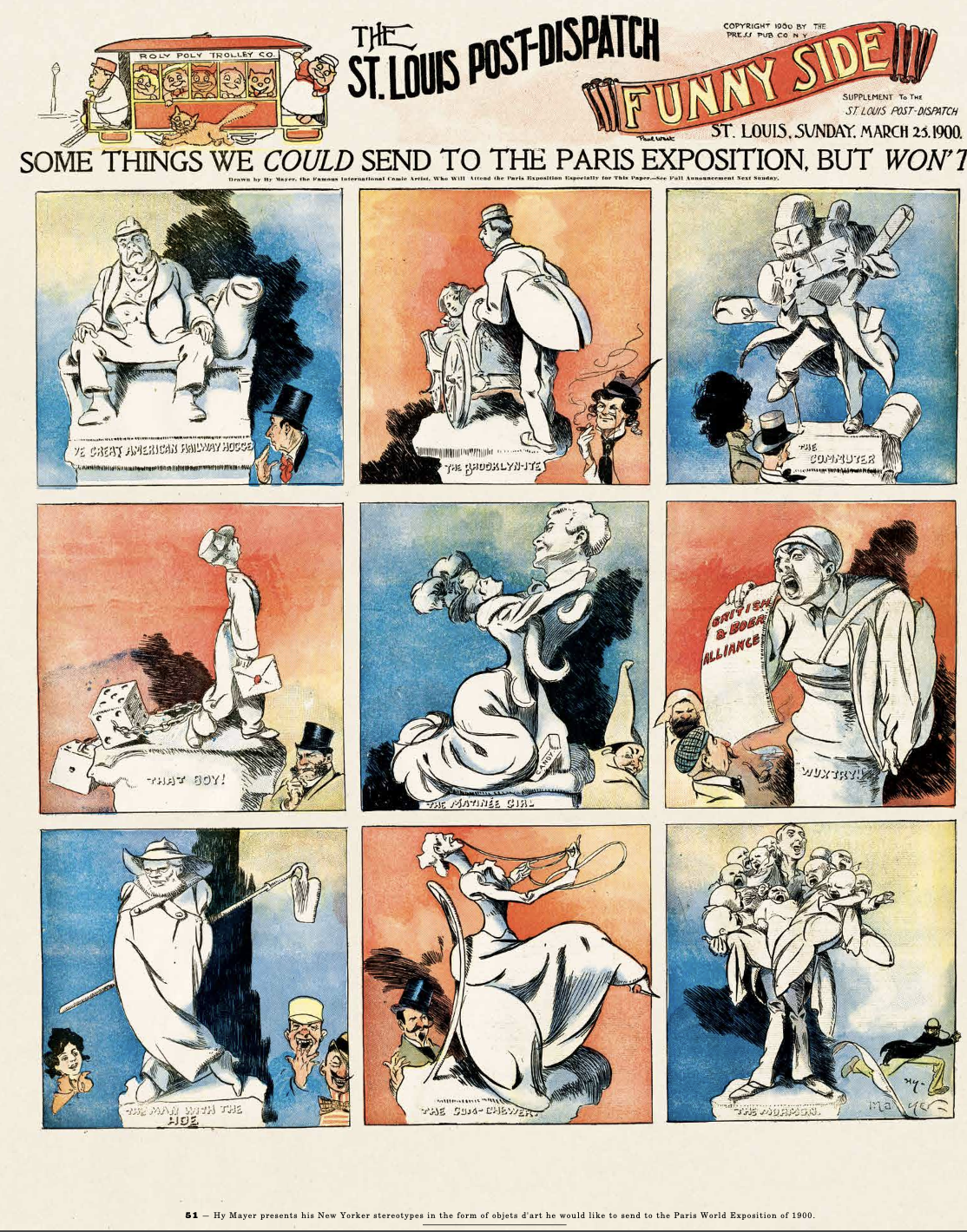
Hy Mayer’s 1900 “Some Things We Could Send to the Paris Exposition, But Won’t” offers statues of New York types that are framed as both familiar and amusing in their typicality. There is also something reflexive about these images of social types – recognizing that in a modern mass society, clustering and self-categorizing is something we do to ourselves.
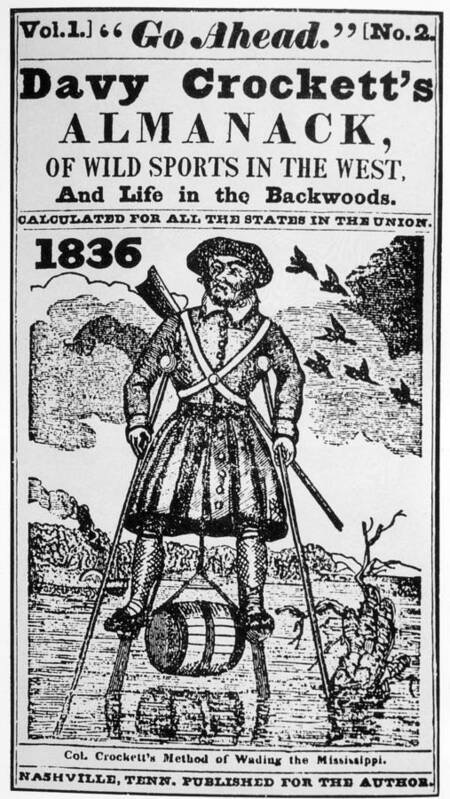
Of course, categorization by class, ethnicity, dialect, dress, demeanor was nothing new in caricature generally and in American humor especially. One of the features of 19th Century American humor were its emblematic regional characters: the Yankee peddler, the Southwestern “rip roarer,” the frontier roughneck, etc. The folk humor found in pamphlets like Crockett’s Almanack, countless joke books, and oral tall tales were shaped by the sheer diversity and vastness of an expanding frontier nation. Widely circulated stories that were thick in regional dialect and personae helped maintain a sense of unity and familiarity. But as those traditions moved into the city and informed the new arts of serialized cartooning, we can see a shift in emphasis, if not in purpose. In addition to mapping out a rich urban frontier of social, neighborhood, job, class and ethnic groups, the turn is inward, towards the psychological, the behavioral.
Which is to say we are seeing a modern culture, even at the most popular level, starting to rethink the nature of selfhood in more psychological and sociological ways. The early comics obsession with character types was a way of making internal qualities visible. And this may well have been central to the medium’s special appeal. The still-new Sunday Supplements were of course, funny and transgressive, accessible to young and old, native and emgree. The colorful spectacle was as intrinsically entertaining as fireworks. But on a deeper level the new medium was speaking to widespread anxieties about rapid change, new environments and peoples, a shared sense of dislocation and disorientation. The tropes of early cartooning, around provocative, offbeat, even obsessive selves navigating this changing landscape a way of seeing and managing that experience.
Discover more from Panels & Prose
Subscribe to get the latest posts sent to your email.


Pingback: Zeitgeist Funnies: The Paranoid Style…Of 1898 – Panels & Prose