
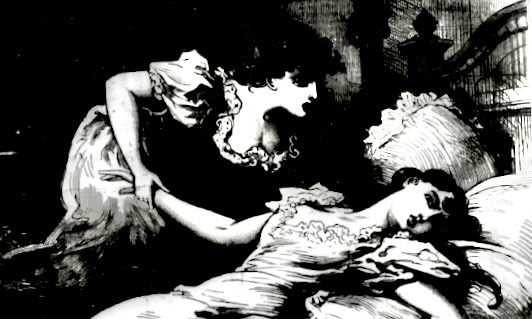
It was a kind of Victorian soft porn. For over a century, The National Police Gazette was ubiquitous at men’s clubs, barber shops, saloons, general store backrooms. The Gazette was the 19th Century forerunner of modern men’s magazines, the supermarket tabloids of my generation, and the viral news memes of today. It was also part of the changing visual culture of the late 19th Century that seeded the ground for the flowering of newspaper cartooning to come.
Founded in 1845, The National Police Gazette had a touch of knavish fakery baked into the title. It was anything but an official publication of any government or police organization. In fact, the weekly collected lurid and curious stories of crime from around the country designed to titillate its male audience under the veil of reportage. From the beginning, it included bits of woodcut imagery, but its role in American visual culture really exploded after 1878, when new owner Richard K. Fox initiated his style of “live journalism,” which illustrated crimes of violence and passion at the peak moment of action.
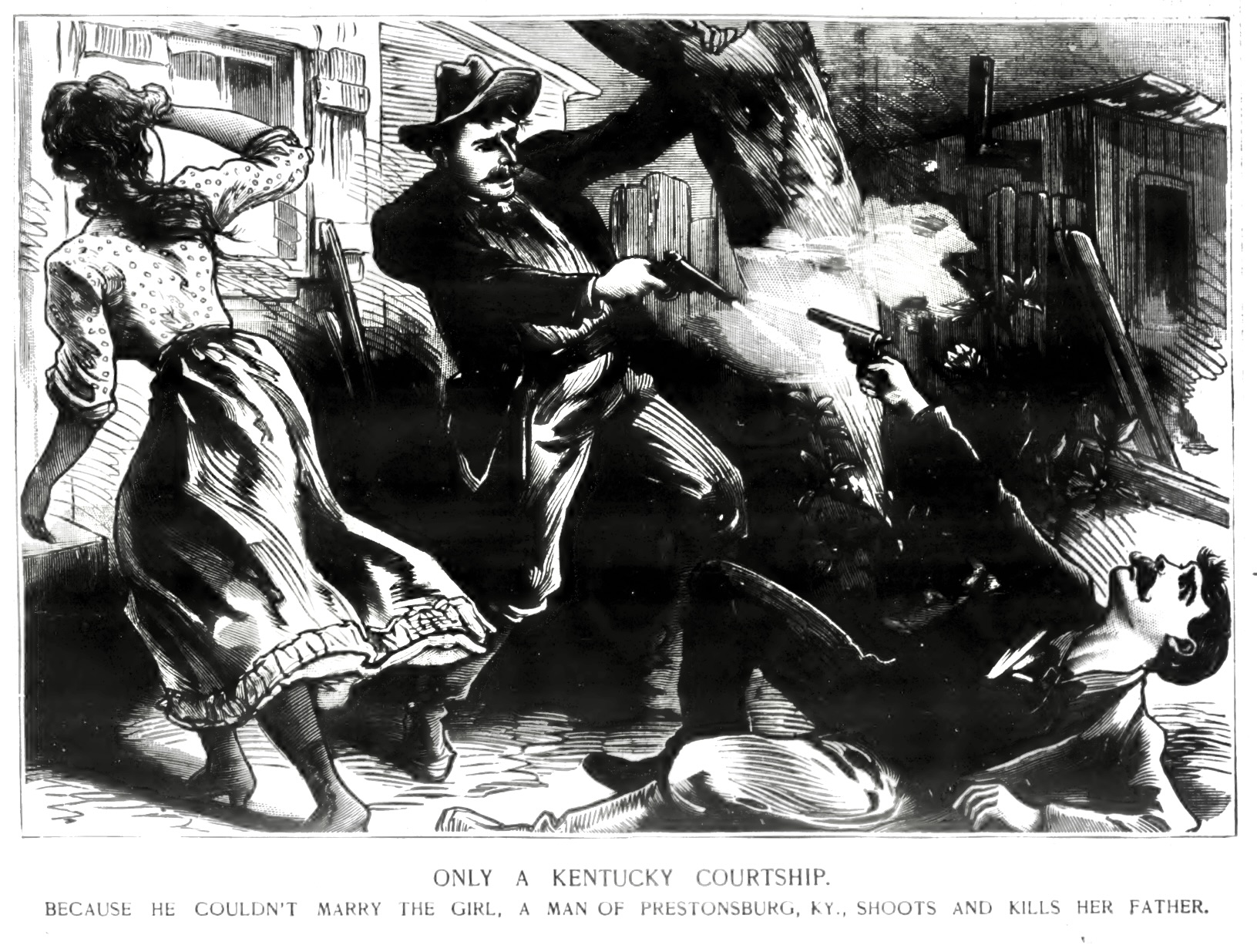
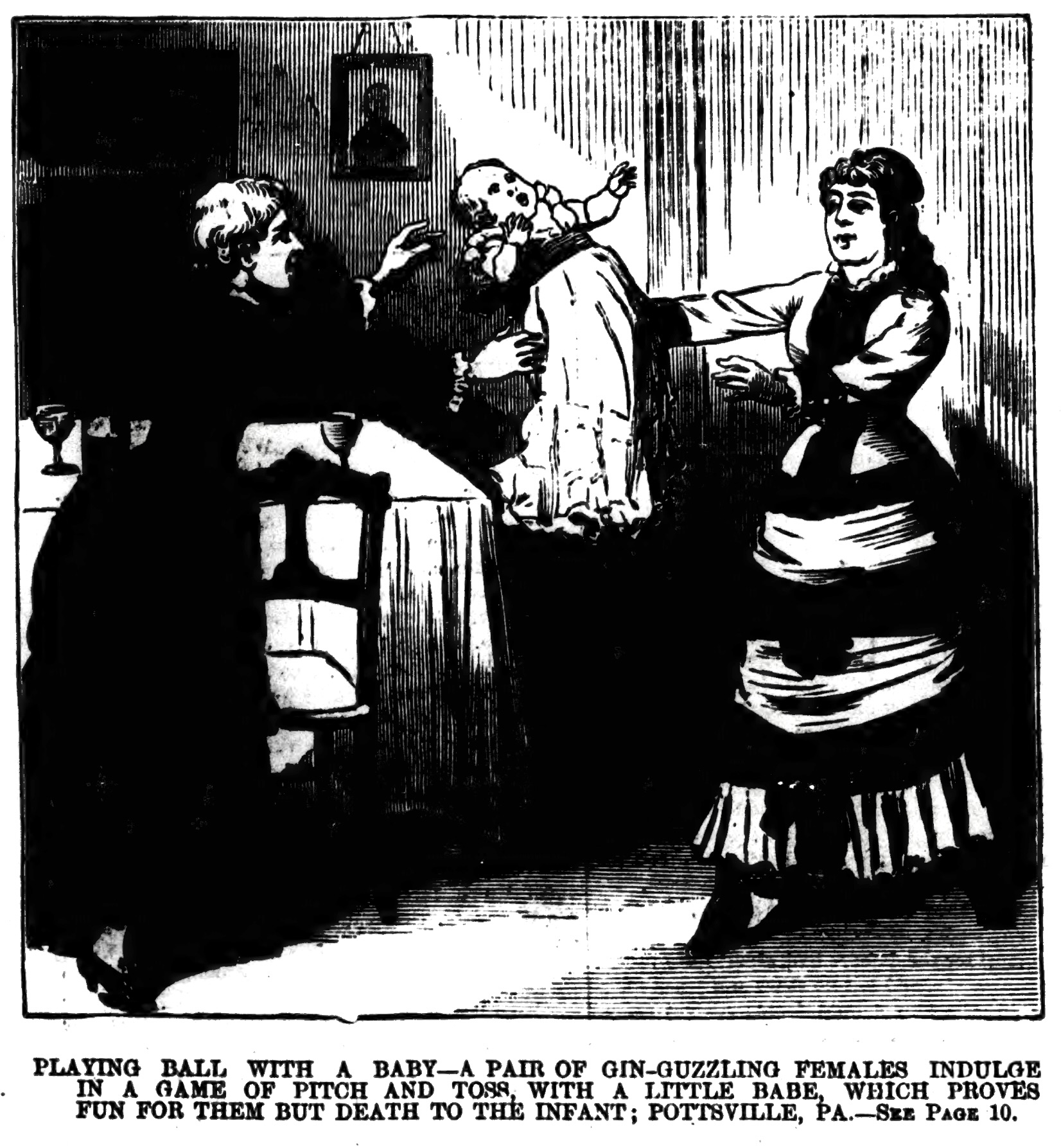
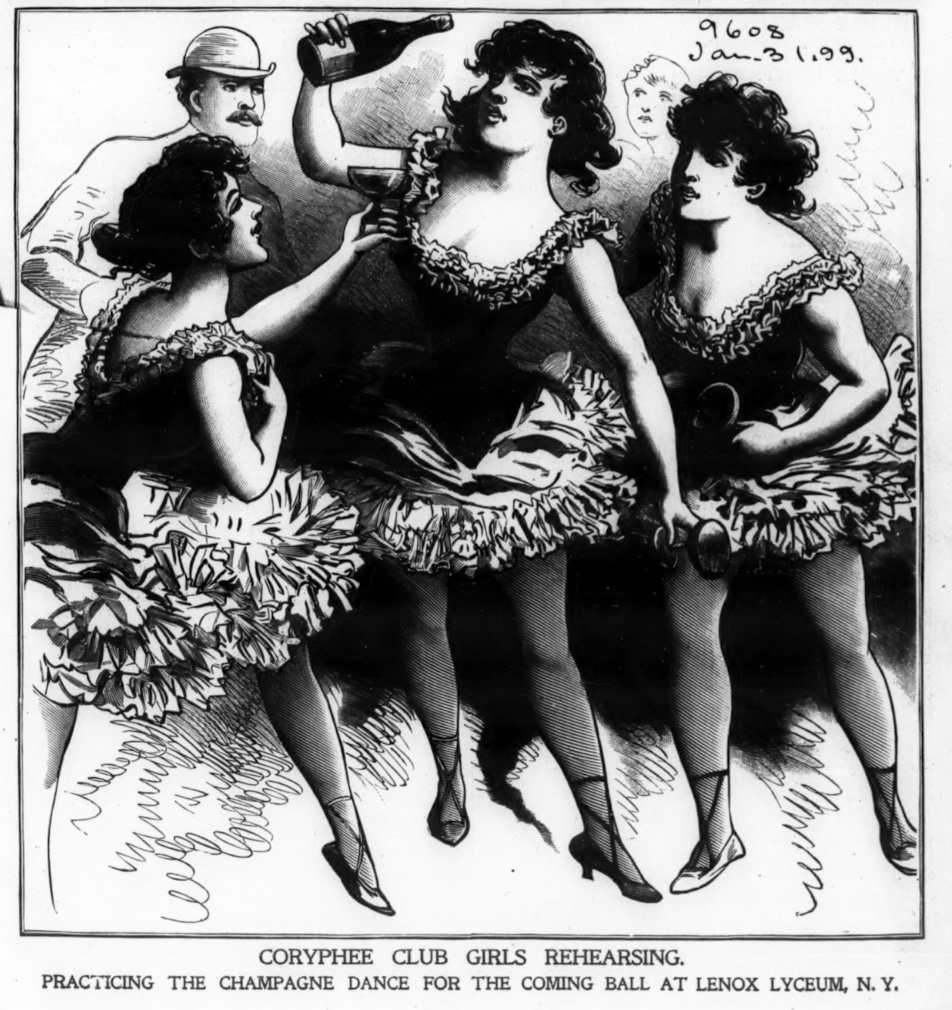
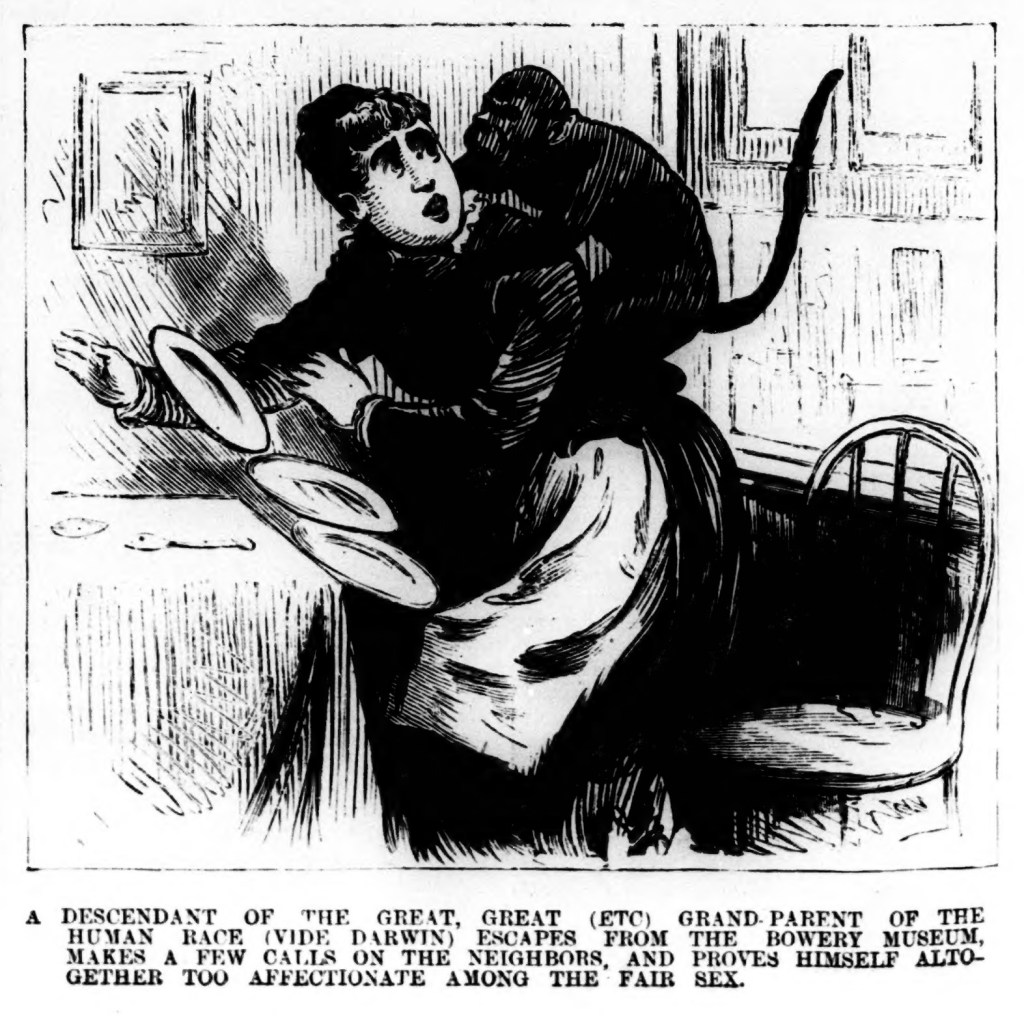
The artists were anonymous, and they followed a house style. The famously provocative cover art was followed by spot illustrations throughout its 16 pages and a centerspread of images all of which referenced lengthy text pieces. But the rich image captioning provided readers enough of a graphic synopsis of the tale to make the mag easily scanned. There was a special emphasis put on crimes involving women, and nothing better to these editors than girl-on-girl violence. Ladies behaving badly – with mania, with jealousy, with despair, with neglect towards their children – became the common tropes. Playing Ball With A Baby,” a crazed schoolteacher assaulting her male colleague, a chimp attacks a lady from the window of her New York walk-up, or a suicidal woman carefully outlined by the drape fo her lingerie, many, many vaudevillian showgirls in scandalous “tights” – were standard fare throughout the Gazette in the 1890s.
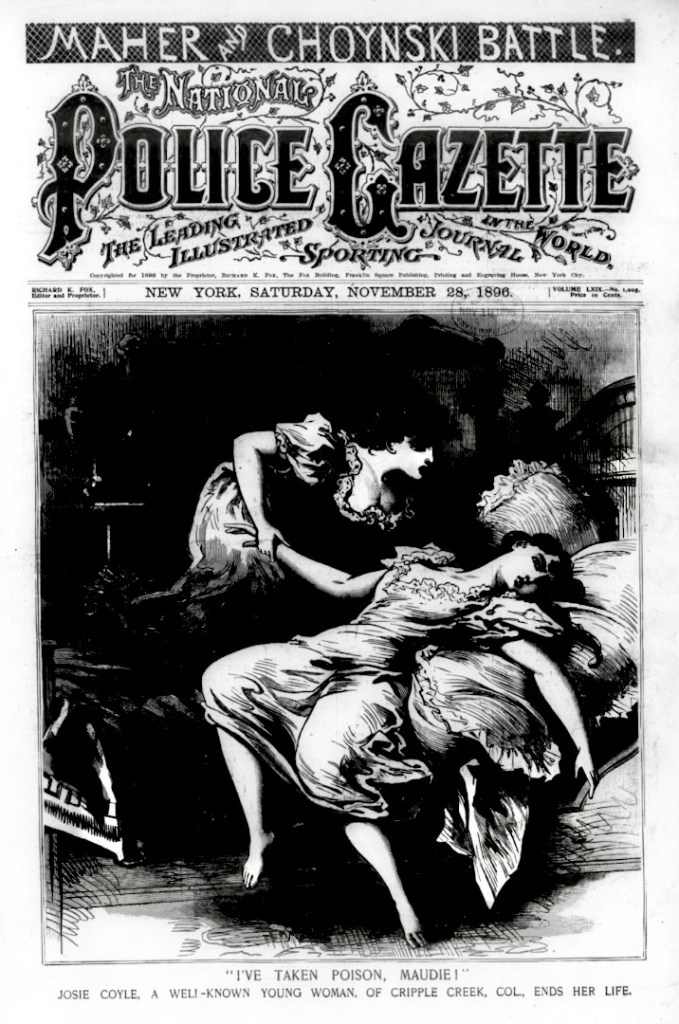
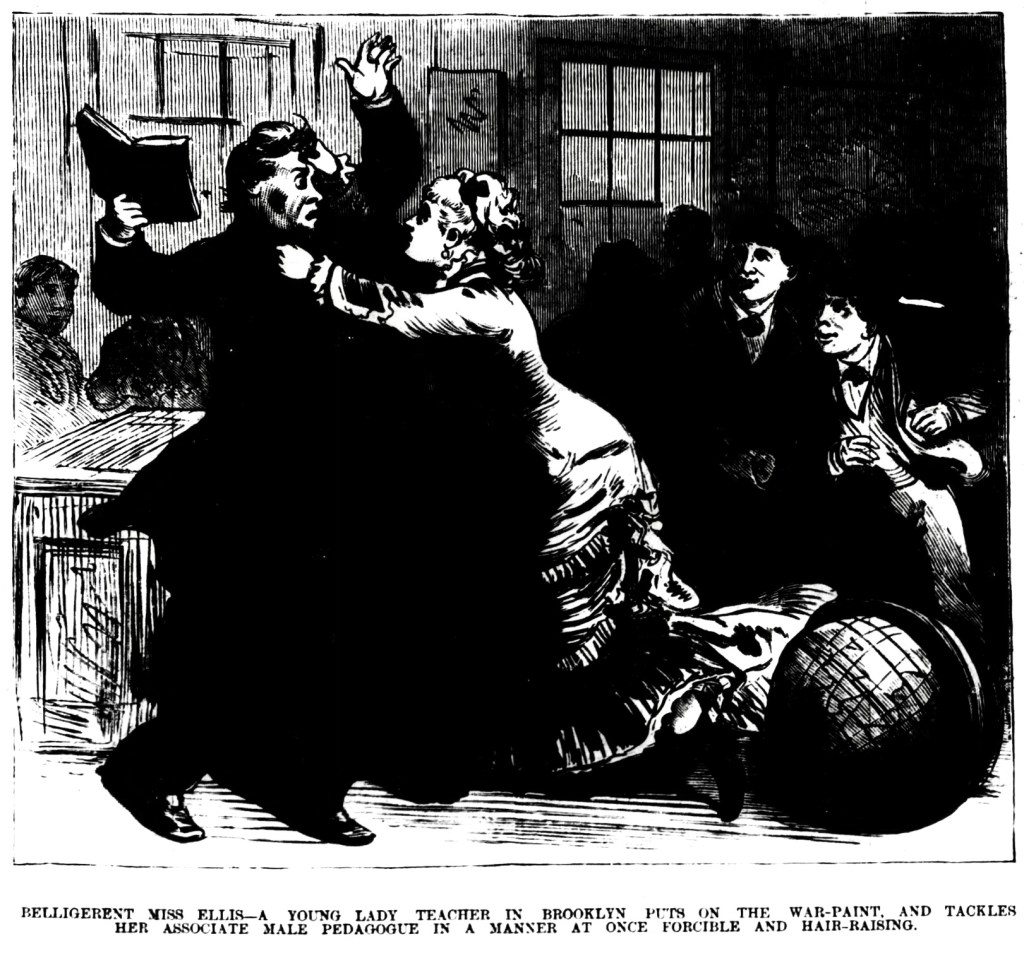
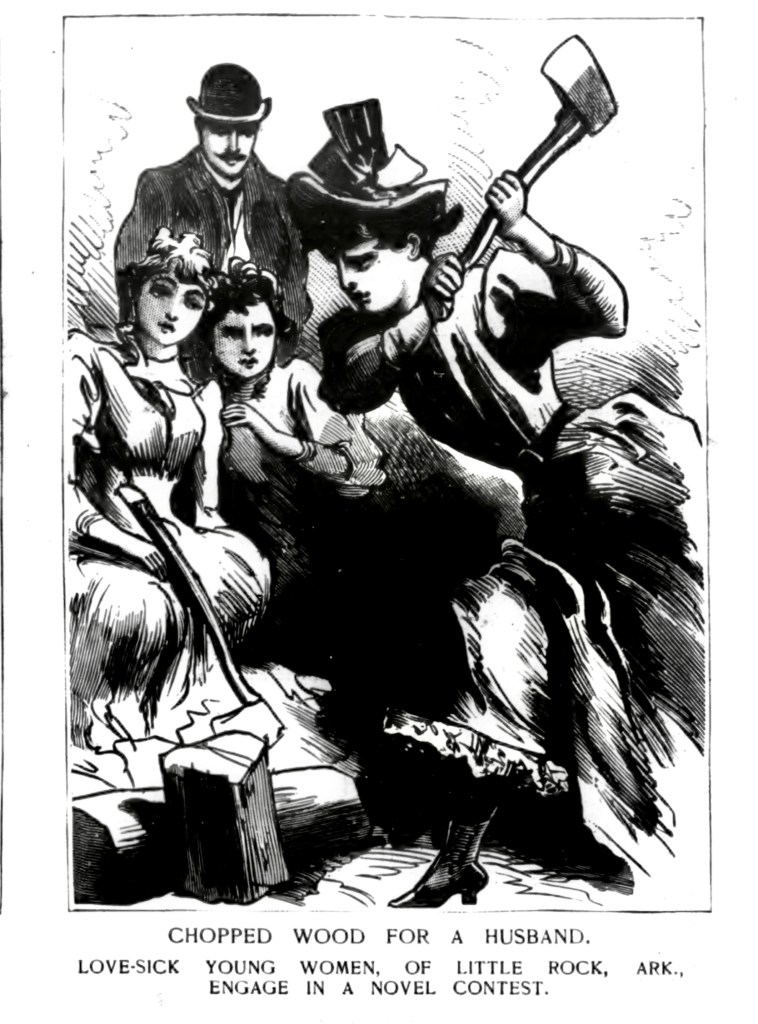
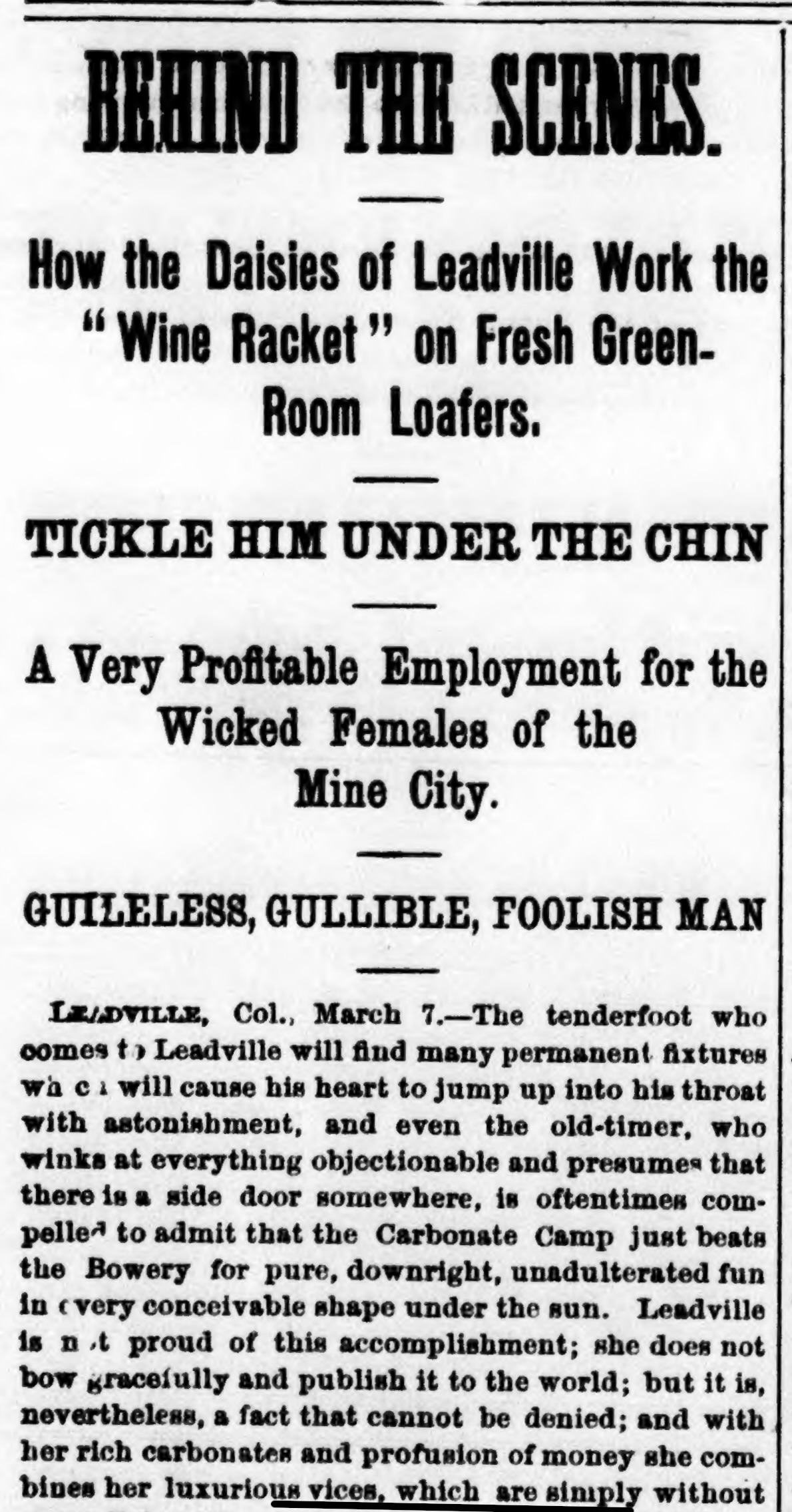
And the Gazette’s tone was more comic than tragic. The weekly’s editorial voice was often wry and mocking about the sheer outrageousness of human affairs. Male victims of feminine scheming were hapless goofs.
But it was in depicting dynamic action, the height of passion and violence, that the Gazette stood out. Print technologies were evolving rapidly in the late 19th Century, bringing more and richer drawings to a host of larger circulation pop culture. Illustrated reporting in newspapers, humor magazines like Puck, dime novels of every genre, theatrical poster art, widely distributed Currier & Ives lithographs, even a postcard craze – reproduced images everywhere. But among them, nothing matched The National Police Gazette in depicting action, passion, and the comely calves of ladies.
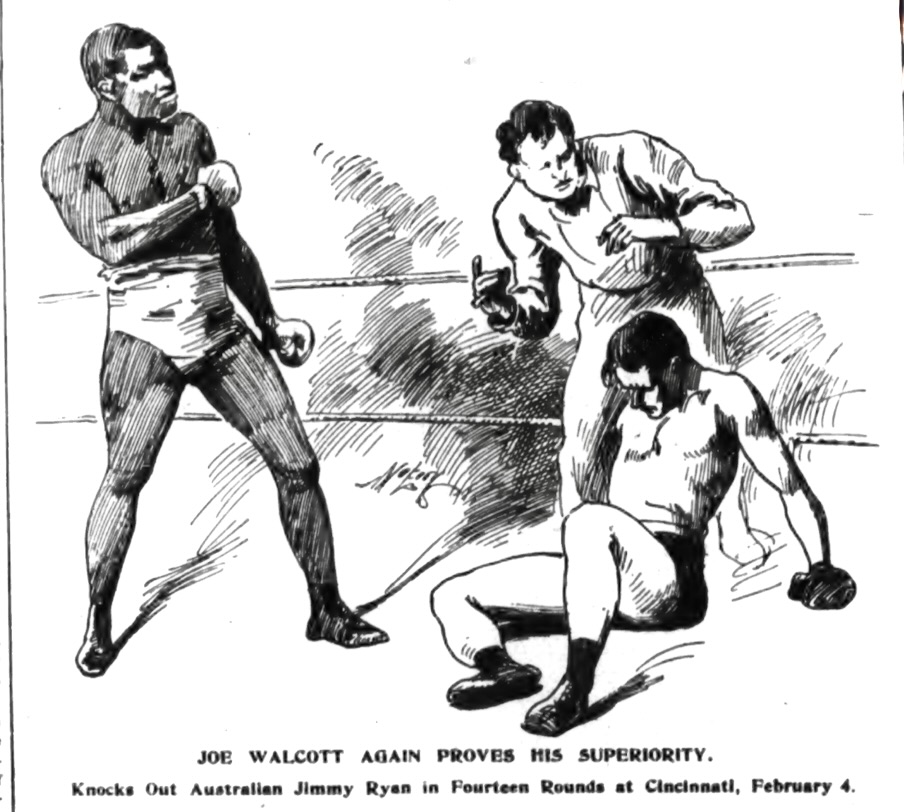
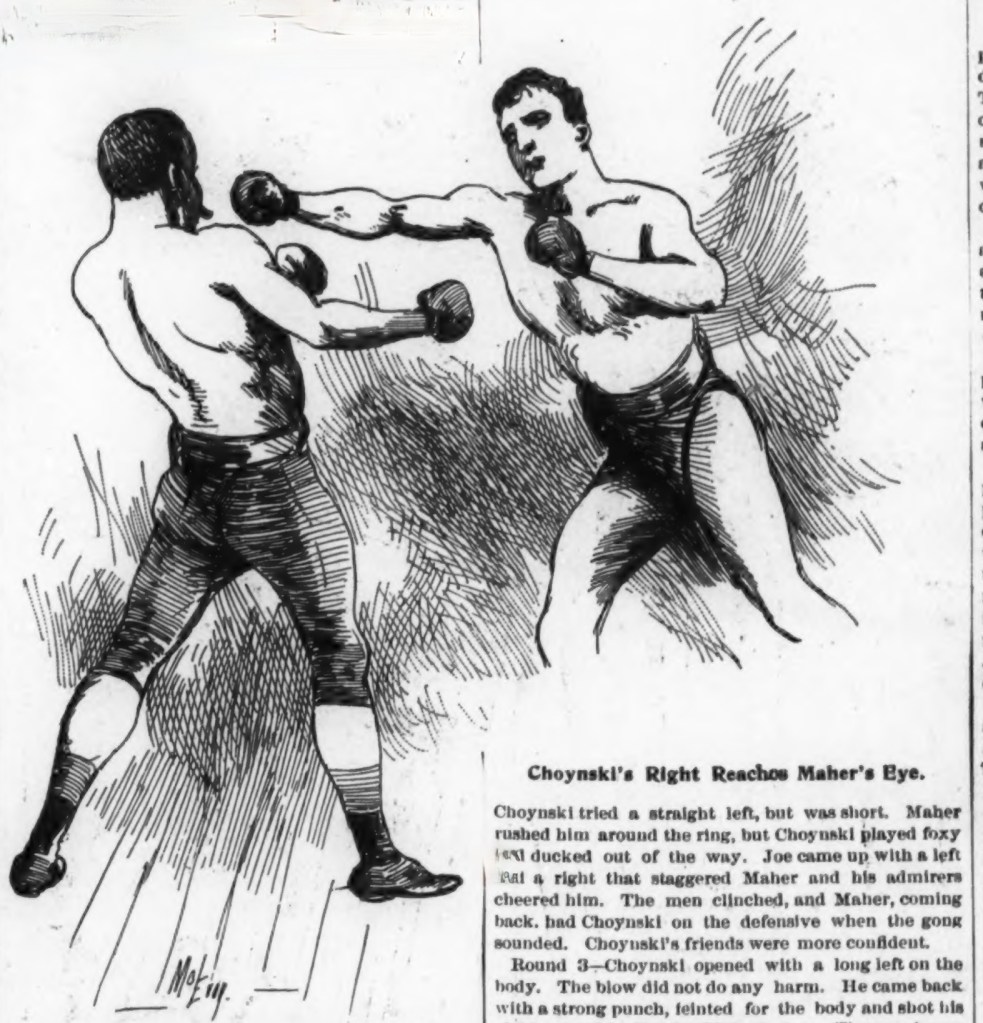
As well, the Gazette was a champion of early sports illustrations. Publisher Fox became a major player in the rise of boxing in late 19th Century America, and he covered private club fights with much the same visual emphasis on the height of action and physiques. Two key elements of later newspaper cartooning – emotional outbursts and dynamic depictions of physical violence – were rehearsed in these pages. By the height of the Gilded Age, the Gazette circulation had mushroomed to hundreds of thousands, especially as major sport events approached. While rarely mentioned in media history, this scandalous, backroom mainstay often outsold and outreached the most popular magazine of the era, Harpers’ Weekly.
All of the visual disciplines exercised in the Gazette – dynamic motion, surfaced passions, violence, the human physique, extreme emotional moments – become building blocks of early comic strip art. They were not entirely new. The pioneering European cartoonists being reprinted here, and the early slapstick cartoons of small humor magazines of the 1850s, had already experimented with sequential action and frantic characters. But later publications like the Gazette were addressing massive new audiences. And it is not coincidental that both the Gazette and early comics suffered the contempt of social reformers and respectable middle class scions. While never actually banned, the weekly suffered regular suppression campaigns from the likes of Anthony Comstock and his censorious minions. The anti-comics crusades that erupted after 1904 focused specifically on protecting children from the prankish anti-authoritarianism and “vulgar” violence of the Sunday Supplements. But like the anti-Gazette efforts, these critics shared a common unease with the increasing explicitness of media generally.
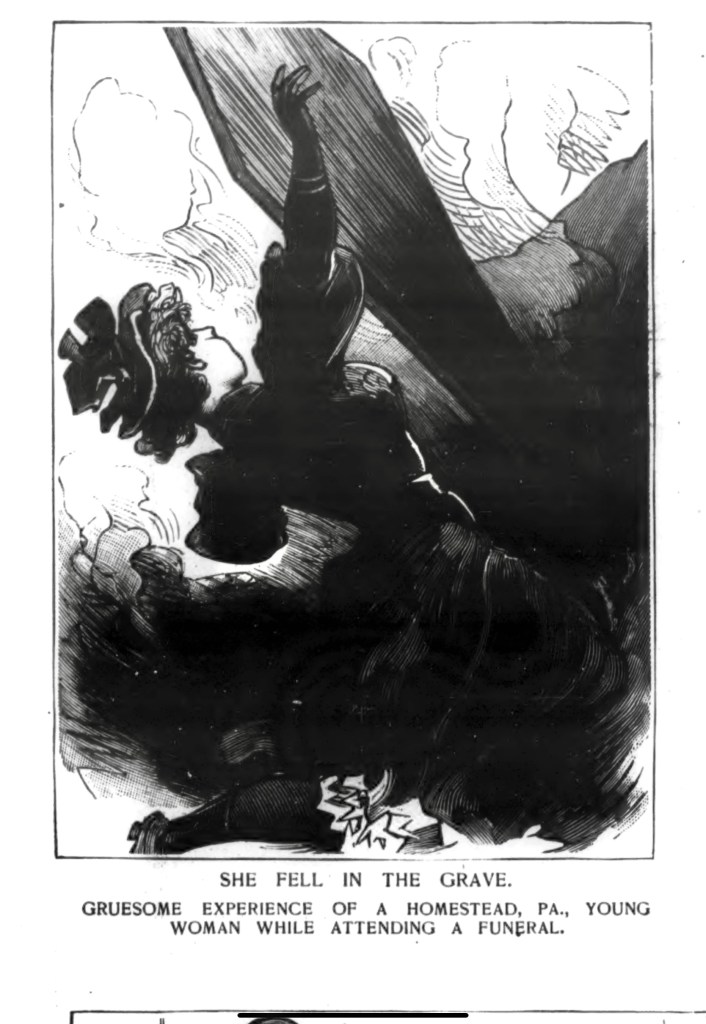
The explosion of imagery in the late 19th Century also represented a new emphasis on sensational storytelling that focused on human passions, violence, titillation, the allure of disorderly conduct. These qualities had always been a part of American folk culture, to be sure. But now it was being visualized in wildly popular entertainments and driven by mass market forces. Thomas Nast’s Gilded Age caricatures of public figures helped establish in the culture this idea that a person’s inner qualities could be represented on the surface in creative ways. Other visual media, like humor magazine cartoons, dime novel covers, and the extreme images of the Gazette, wove these elements of caricature into storytelling focused on the irrational parts of ourselves and their expression in antic, violent ways. The threat to genteel, educated rationalists was clear, especially to the many public critics of many of these disruptive media. Even more importantly, these prissy champions against vulgarity probably sensed a deeper tectonic shift towards more emotional, psychological, irrational notions of human nature generally. Psychology and sociology would soon provide formal, intellectual, theoretical shape to these shifts to a modern world view. But the popular culture was already expressing this changing idea of the self well in advance.
Seen in this larger context, the early newspaper comic strip can be understood as coalescing and amplifying cultural trends around imagery, sensationalism, theatrical violence, facial and physical expressiveness, and even changing ideas of selfhood itself. It goes a long way in explaining why cartooning resonated so quickly and deeply with fin-de-siecle Americans. The comics registered and reshaped a deeper sense of change in ways that were entertaining, reassuring but also profoundly meaningful.
Discover more from Panels & Prose
Subscribe to get the latest posts sent to your email.

