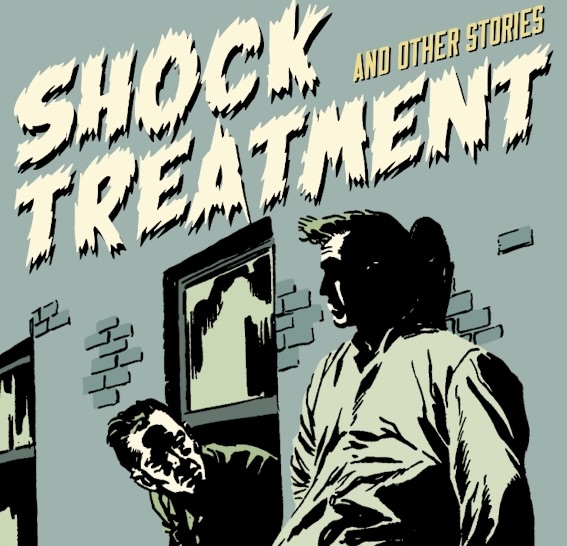
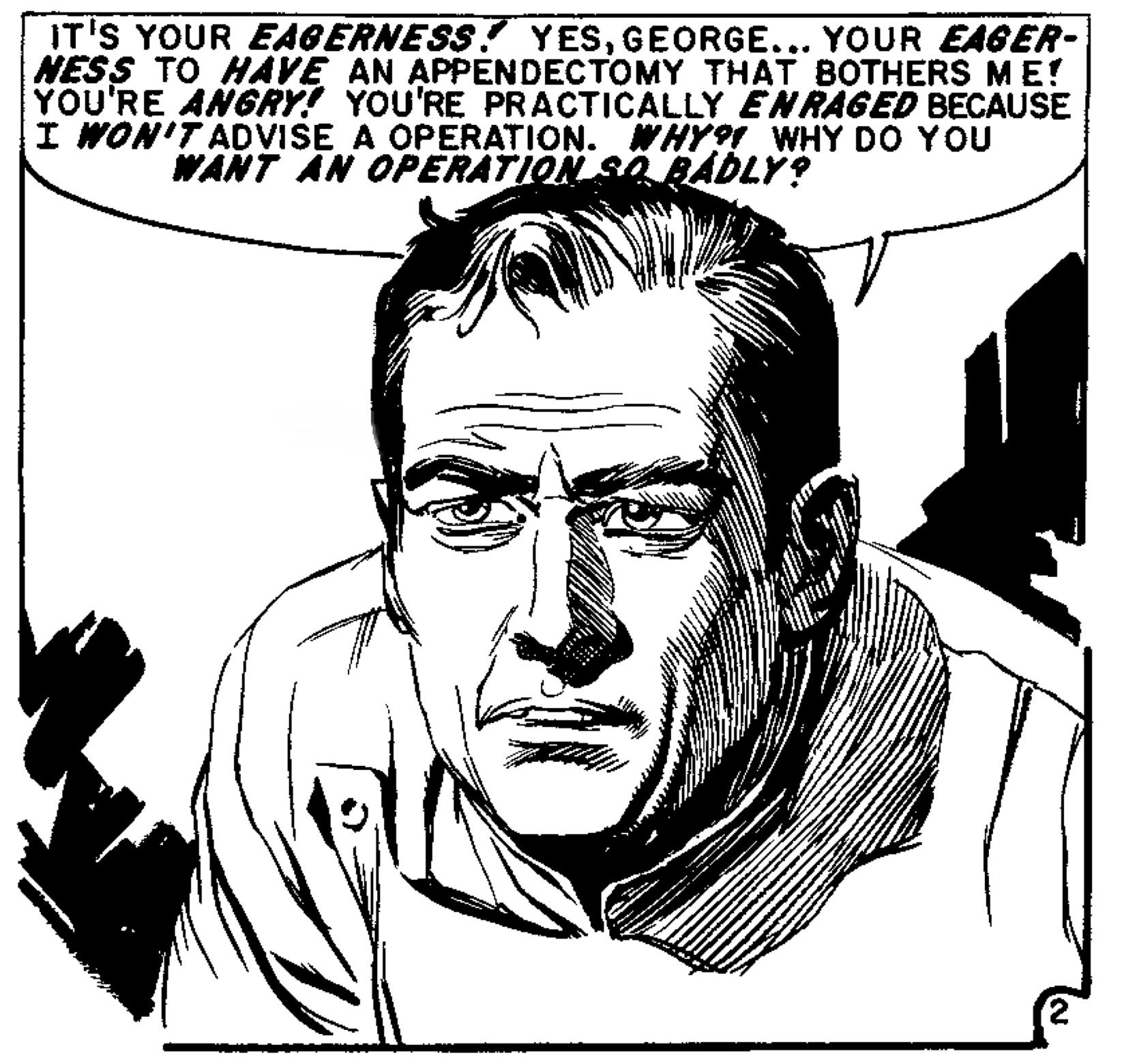
Unlike many previous reprints of EC Comics, Fantagraphics organized its “Artists’ Library” not by title but generally by artist. Better still, a black and white format highlights beautifully the line and ink work by legends like Jack Davis, Wally Wood, Graham Ingels, Johnny Craig, etc. And it shows these masters rendering some of the most suspenseful, violent, ghastly and otherworldly material across a range of stories so lurid and weird they attracted censorious government scrutiny. In other words, the Artists’ Library showcases the best cartoonists at the height of their powers and working on content that editor Al Feldstein deliberately matched to each one’s specific strengths. The project has been magnificent, especially in showing Davis, Wood, Kurtzman, Craig, Kamen and others evolve over time and respond to different material. It has been a thoughtfully designed series that makes even aficionados of EC think differently about what is in my mind the greatest run of comic book art ever. But the 40th volume in the Library, Shock Treatment, is unusual in many respects.
Continue reading