Royal Fetish: Screwball Monarchy in 30s Cartooning

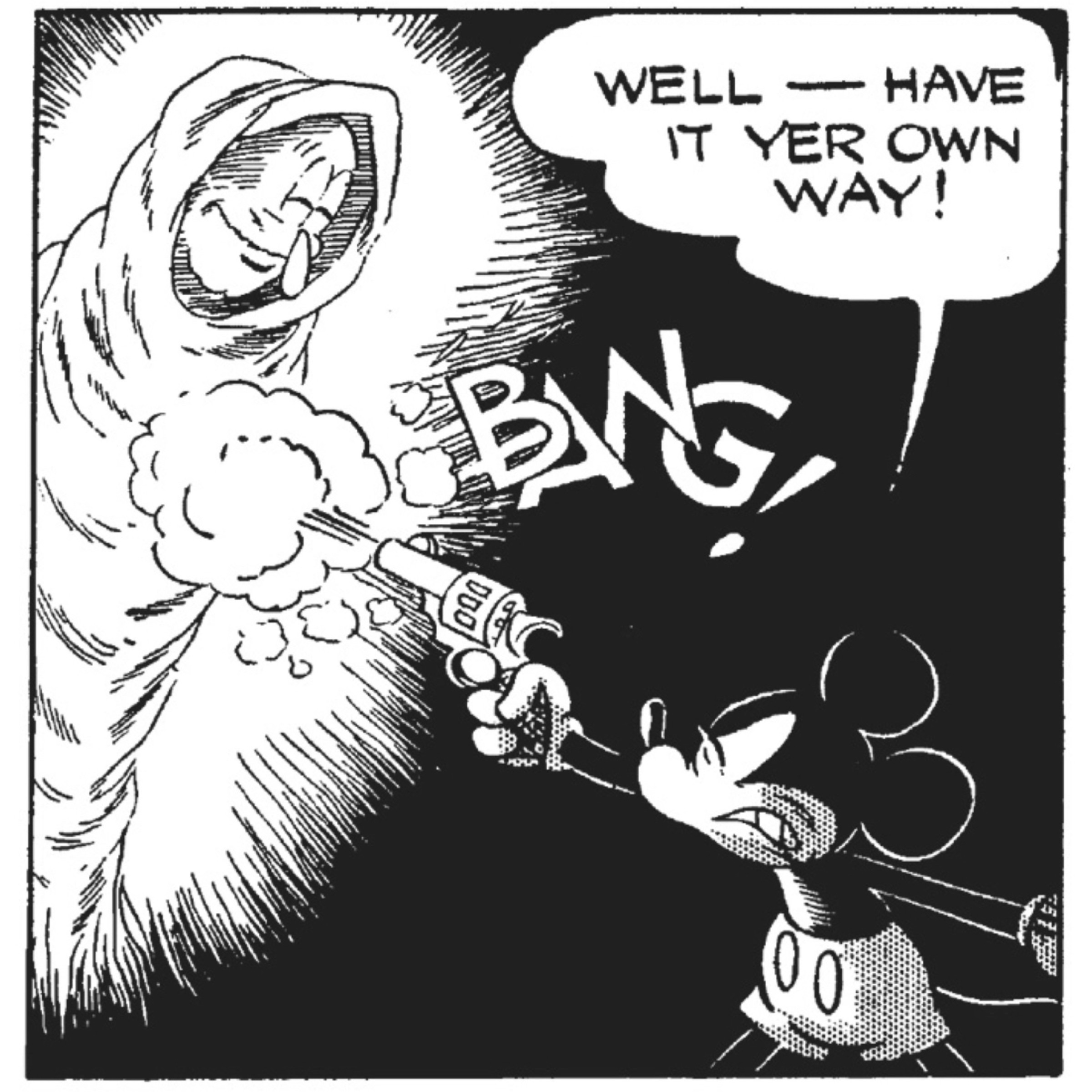
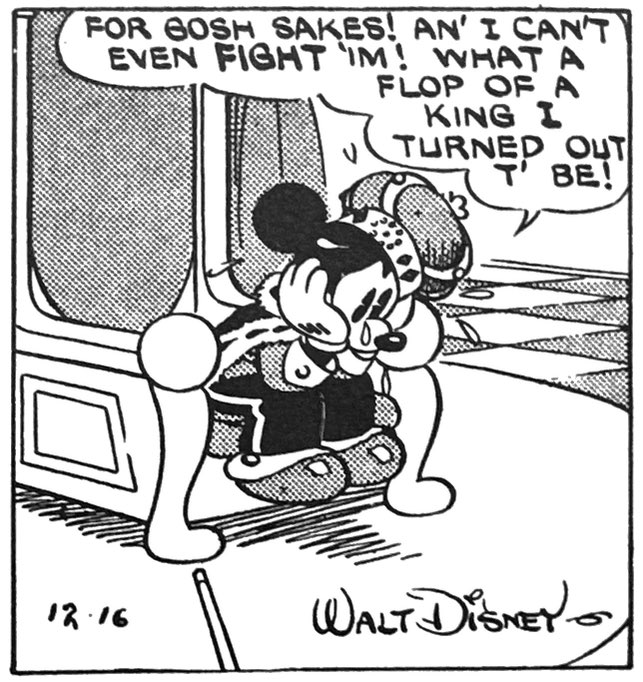
American popular culture took a number of odd turns in response to the trauma of the Great Depression in the 1930s. A fascination with pre-modern civilization, lost ancient worlds, aboriginal tribalism was one of the most pronounced that fueled comic strip fantasy. From Tarzan and Jungle Jim, to The Phantom, Prince Valiant and even Terry and the Pirates, Wash Tubbs and Captain Easy and Flash Gordon, the connection is obvious. At a time when most contemporary institutions were failing, Americans were understandably fixated on pre-modern, anti-modern, prehistoric and fable-like alternative worlds. One of the oddest subsets to this pop anti-modernism was the motif of fantasy monarchy, especially as a setting for comedy and satire.

Continue reading
Red Ryder: Fred Harman’s Scenic Route

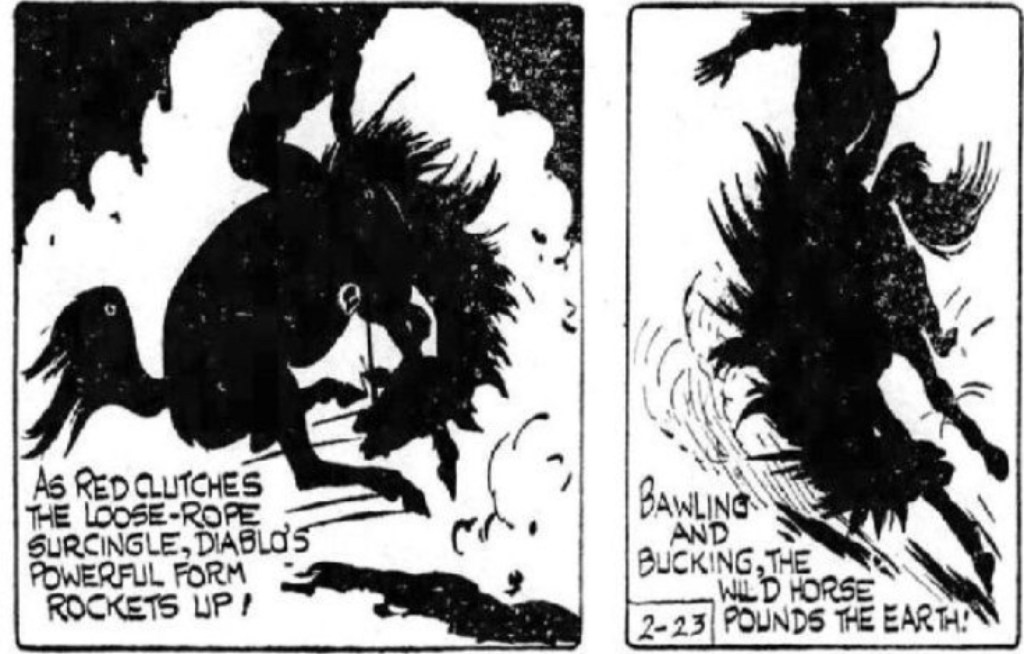
One of the longest-lived and popular Western series of the last century, Red Ryder (1938-1965) is barely remembered today…mostly for good reason. Unlike richer, historically-informed efforts like Warren Tufts’ masterful Casey Ruggles and Lance, Red Ryder was closer to Western genre boilerplate, The titular hero is a red-headed journeyman cowpoke who finds and resolves trouble wherever he roams. His woefully typecast sidekick “Little Beaver” was an orphaned Native American boy who provided identification for kid readers, a sounding board for the solitary and stoic Red, and comic relief of a distinctly stereotyped sort. In truth the strip made little effort to delve into character let alone suspense or high adventure.

Continue reading

Caniff’s Art of the Recap Striptease

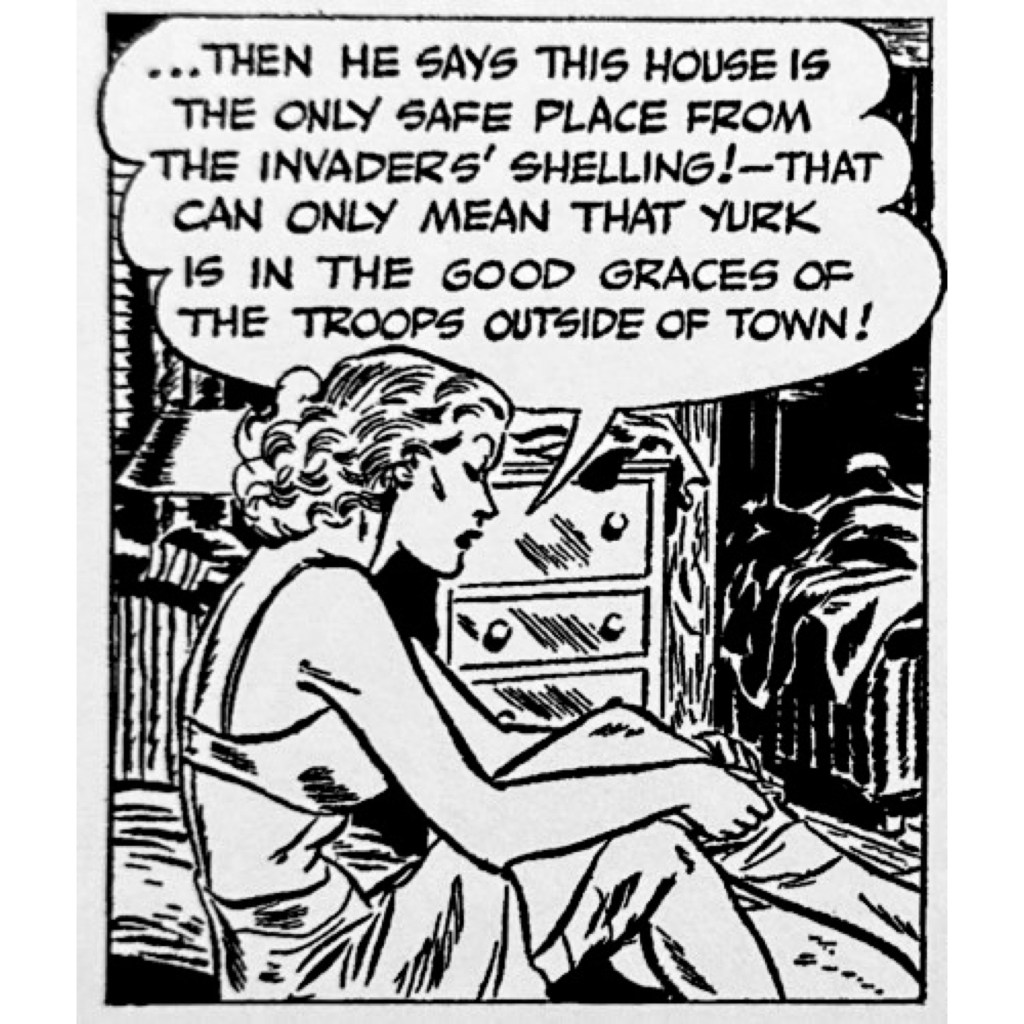
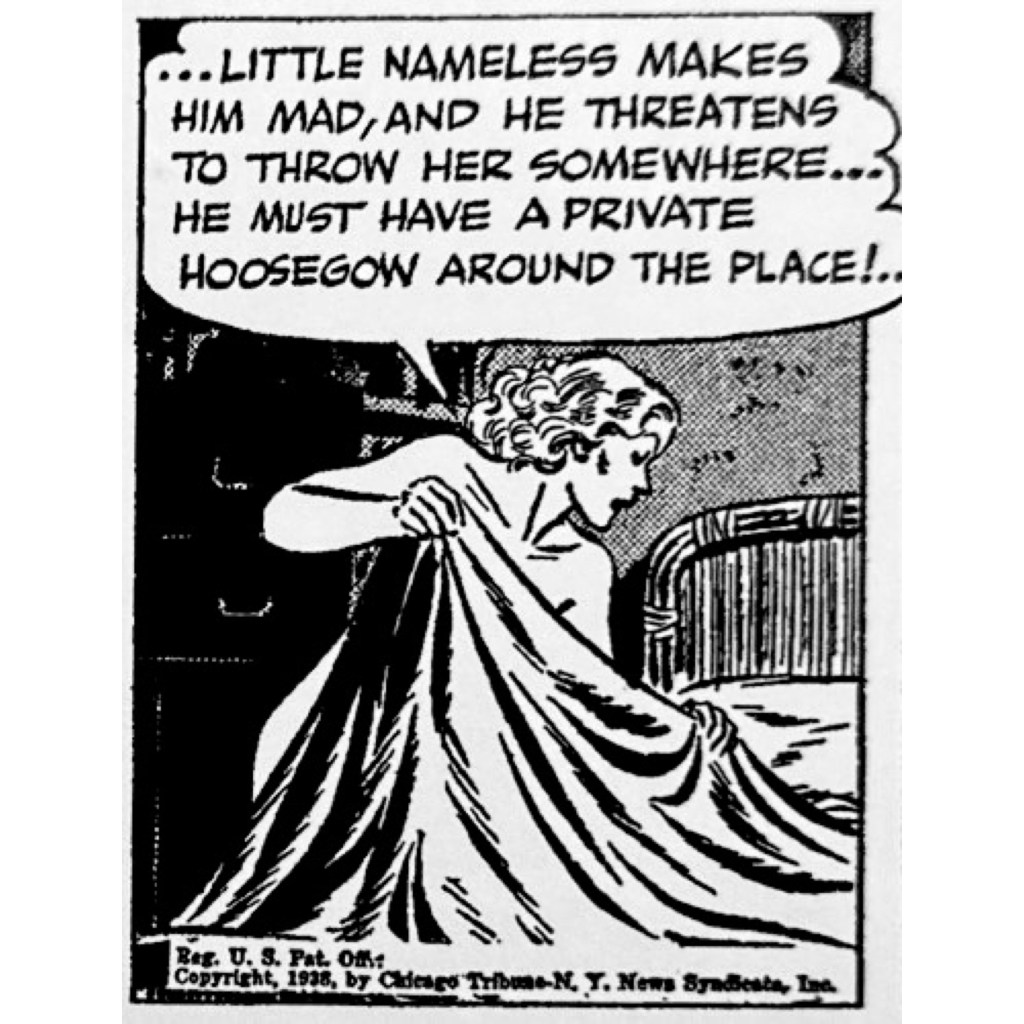
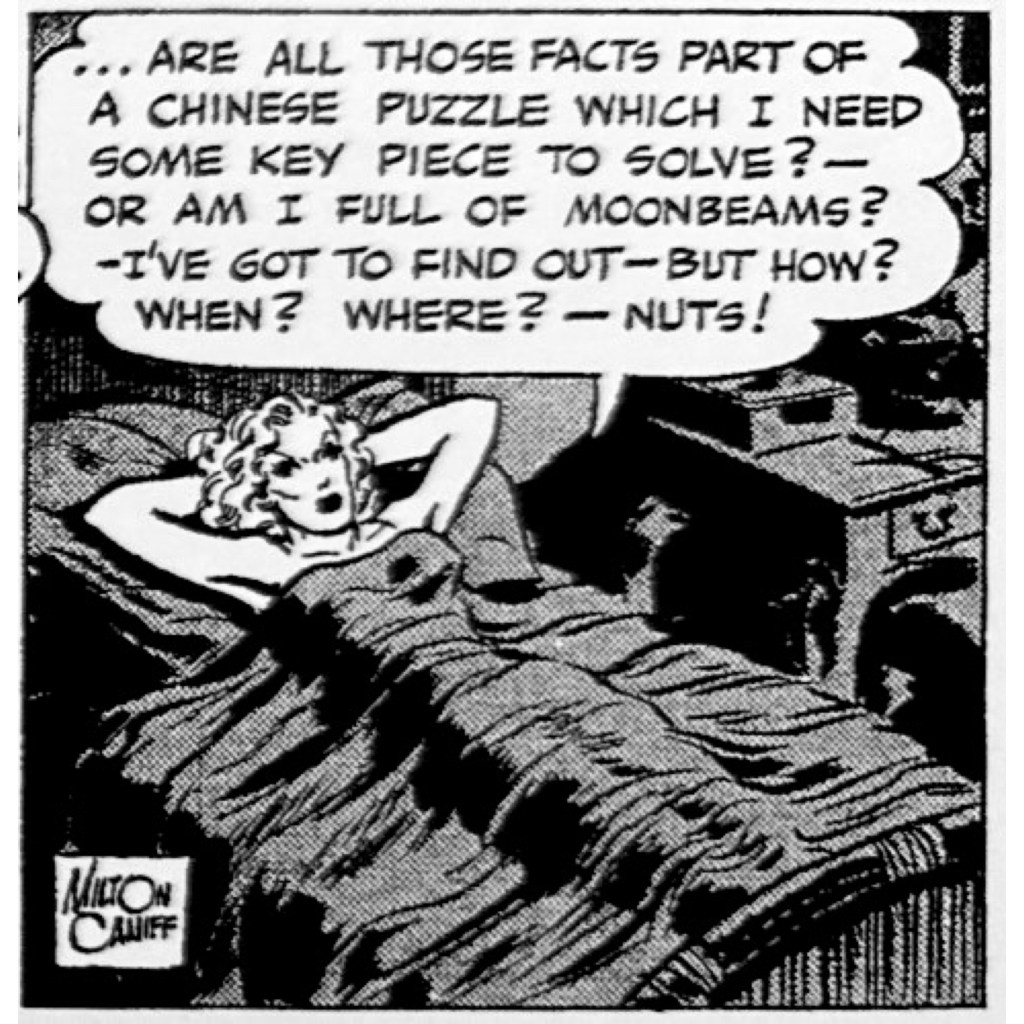
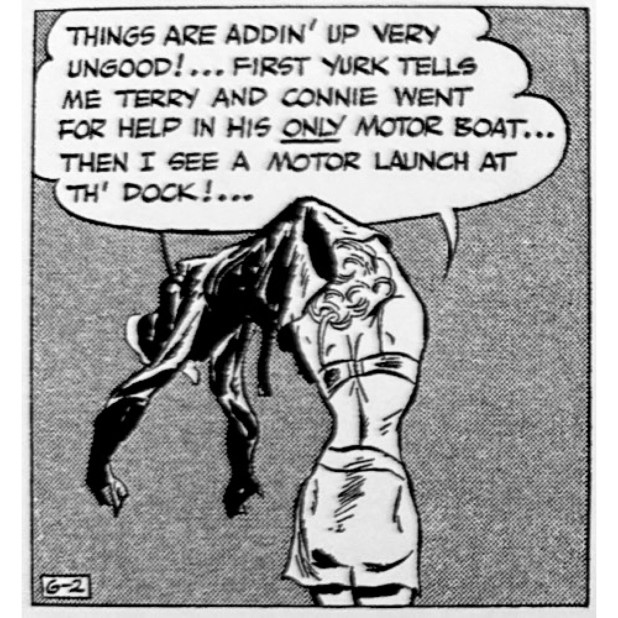
It was something of a sport among many comic strip artists of the last century to find ways of slipping bits of light erotica into the back pages of the otherwise buttoned-down, conservative newspaper medium. Publishers, especially of smaller town papers, were famously prudish and strict about keeping their content family-friendly. But comic artists and syndicate editors were always well aware of that adult readers appreciated a flash of flesh with a wink and a nod. From the ubiquitous Gibson Girls of the the 1900s to the curvy and well-delineated flapper daughters and office gals of 20s strips to the imperiled damsels and femmes fatale of 30s adventure, cartoonists understood they were wedging adult cheesecake into a “kids’ medium. Milton Caniff understood better than anyone the potential here for serving the needs of a daily adventure strip while also pushing the boundaries of the conservative editorial propriety of national syndication.

Continue reading

Red Barry: Time for Your Close-Up

With a striking visual energy, speech and violence that was unlike anything else on the page, Will Gould ‘s (1911-1984) short-lived Red Barry (1934-38) jumped out of the Depression-era comics page. It was intended to mimic the success of crime comic powerhouse Dick Tracy. But the two unrelated Goulds, Tracy’s Chester and Barry’s Will, couldn’t have been more unalike in temperament and values. And so their visions of gangesterism, crime and heroism took wildly different paths. Red Barry was uniquely exciting among rival crime comics of the day, and even to the contemporary eye, it feels fresh. Everything vibrated with action and intrigue in the strip – from the  modernist, machine age sharp edges to every person and thing in the panel to bolded words in speech balloons, to the massive, stylized shadows its characters cast on nearby walls. The strip blended cartoonish visual abstraction with realistic violence and plot lines that deliberately mimicked current news stories. In comparing it to Dick Tracy, Red Barry exemplifies how deeply and varied the personal visions and personalities of artists could inform a range of perspectives on society despite the institutional constrains of this mass medium. 

Continue reading

The Banality of Villainy: Syd Hoff Eats the Rich

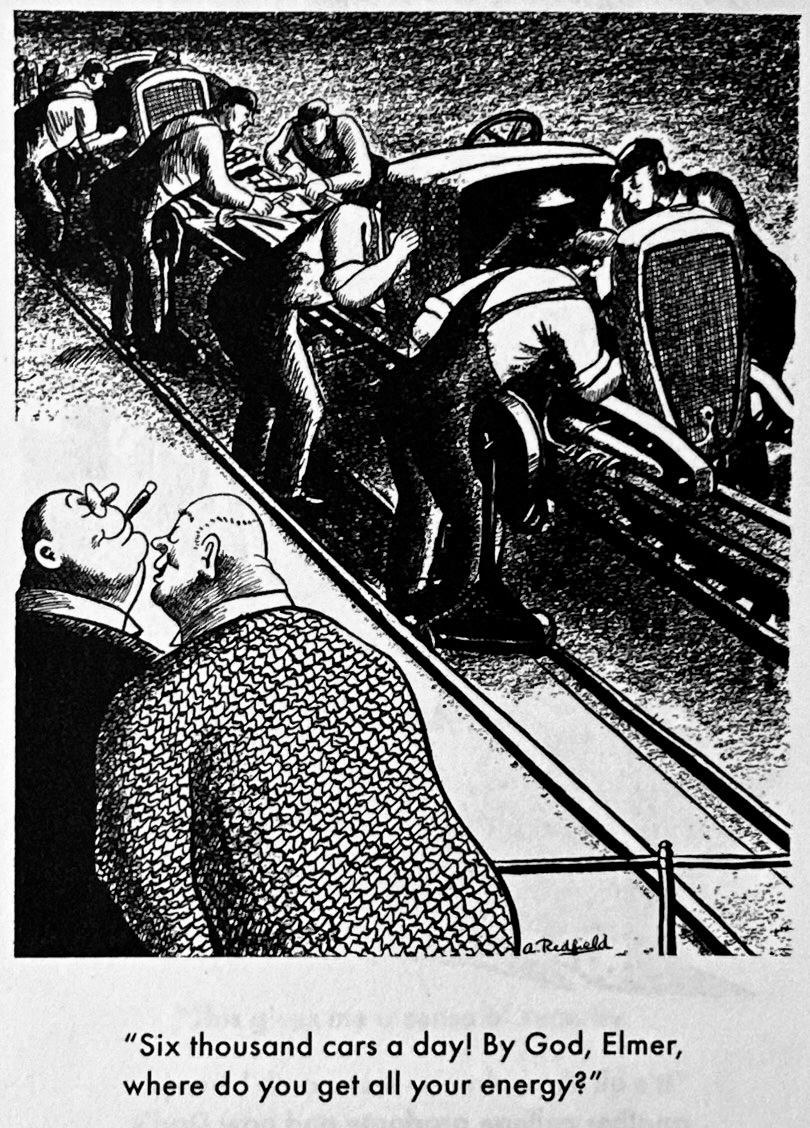
Caricature, when done well, is the art of clarification through exaggeration. Which is not the same thing as simplification. The best caricaturists exaggerate, enhance, underscore and highlight some physical or character attributes that express a deeper insight about its subject. Thomas Nast’s iconic Boss Tweed was not just obese with graft. He was gelatinous, overwhelmed and almost inert from his own power and greed. It was a portentous portrait. It argued visually the seeds of Tweed’s own destruction, an appetite for power that was overcoming his own control and better judgment. It did what caricature does best by attaching ideas and arguments to figures in ways that reach beyond simple journalistic proof or language. And because political and social caricature almost always personifies issues, it tends to explain social problems as aspects of human imperfection.

Continue reading

Flashing Flash: Or, A Paper Doll That I Can Call My Own

Paper dolls and cut-out toy models are centuries-old, but the format was a natural fit for the modern newspaper comic from its beginnings. We tend to identify the comic strip paper doll with “women’s strips” from the great fashionistas, Jackie “Torchy” Ormes or Gladys “Mopsy” Parker. But in 1934, Alex Raymond’s Flash Gordon got into the act with a series that ran in every Sunday from August 18 to December 16. While Raymond focused mainly on Dale Arden as well as the various princesses and other female characters the still-young strip had amassed by then, he covers most of the cast, from Zarkov in a tuxedo to Ming the Merciless’ collection of flamboyant collars.

Continue reading

Gottfredson’s Mickey: The Art and Science of Action

Before becoming the anodyne logo of Disney’s saccharine-soaked family image during the post-WWII era, Disney’s Mickey Mouse had some heroic chops. Make no mistake, Mickey was never even remotely “edgy” let alone hard-boiled in the style of some other 30s pulp protagonists. But he was imagined by Disney in the original animated shorts and then by Floyd Gottfredson in the daily comic strips, as a spunky, resourceful adventurer. In the 1930s, Mickey was thrust into a number of roles and across all of the pop culture genres: sky jockey, detective, western outlaw hunter, ghost-hunter, even sci-fi adventurer. As tame as Mickey’s 30s adventures may seem, the Disney corporation in its most controlling moments in the past has tried to disappear come of the earliest imagery of their corporate logo packing a gun or interacting with some cringe-worth but commonplace racial stereotyping of the era.

Continue reading