
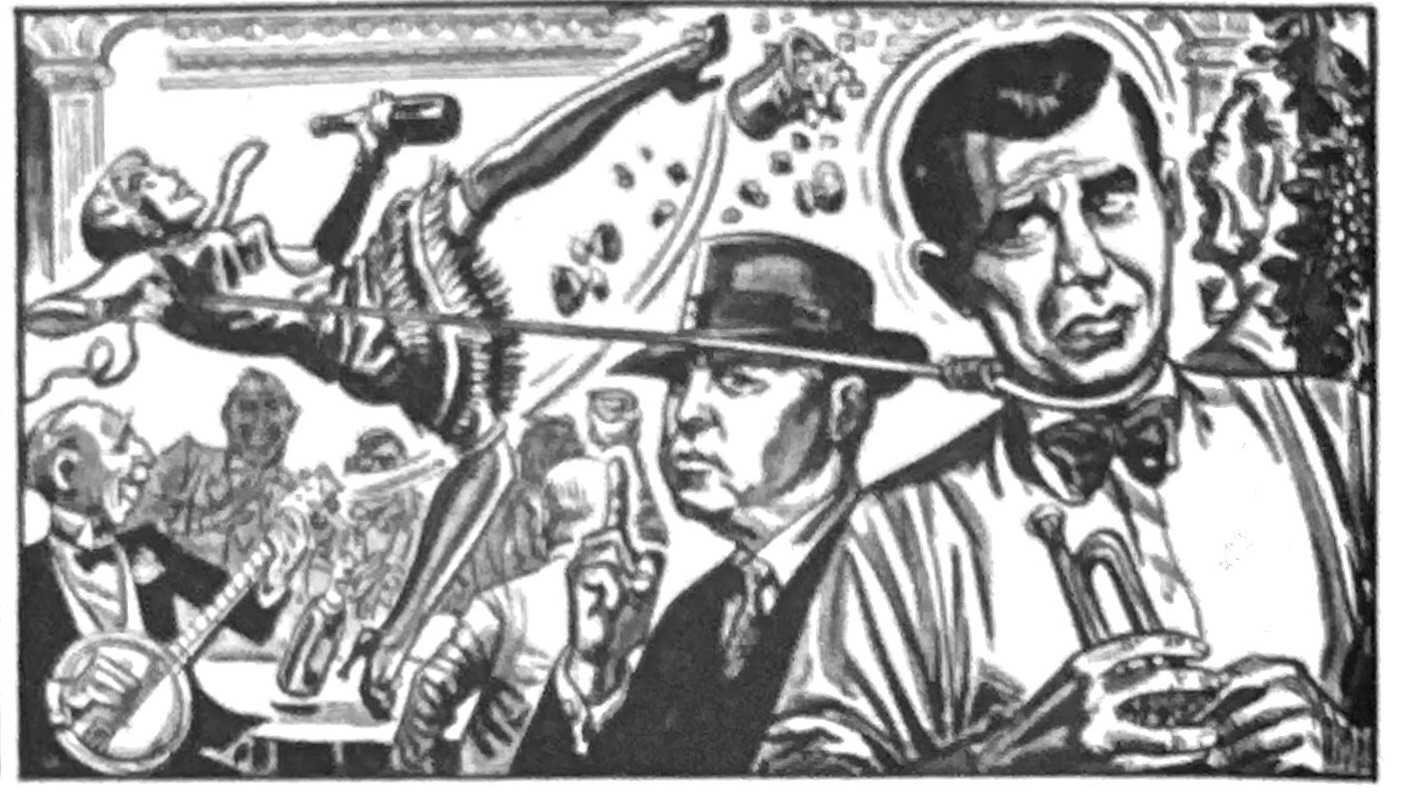
Harvey Kurtzman and Hugh Hefner were the two towering figures of 1950s culture who showed how idiosyncratic personal vision innovate even in an era of corporatized modern mass media. The best evidence of this is the abject failure of other publishers to imitate their success, at least in their first decade. Kurtzman’s MAD and Hef’s Playboy were singular efforts that made the many knock-offs seem like crude and exploitive misunderstandings of what these geniuses had wrought.
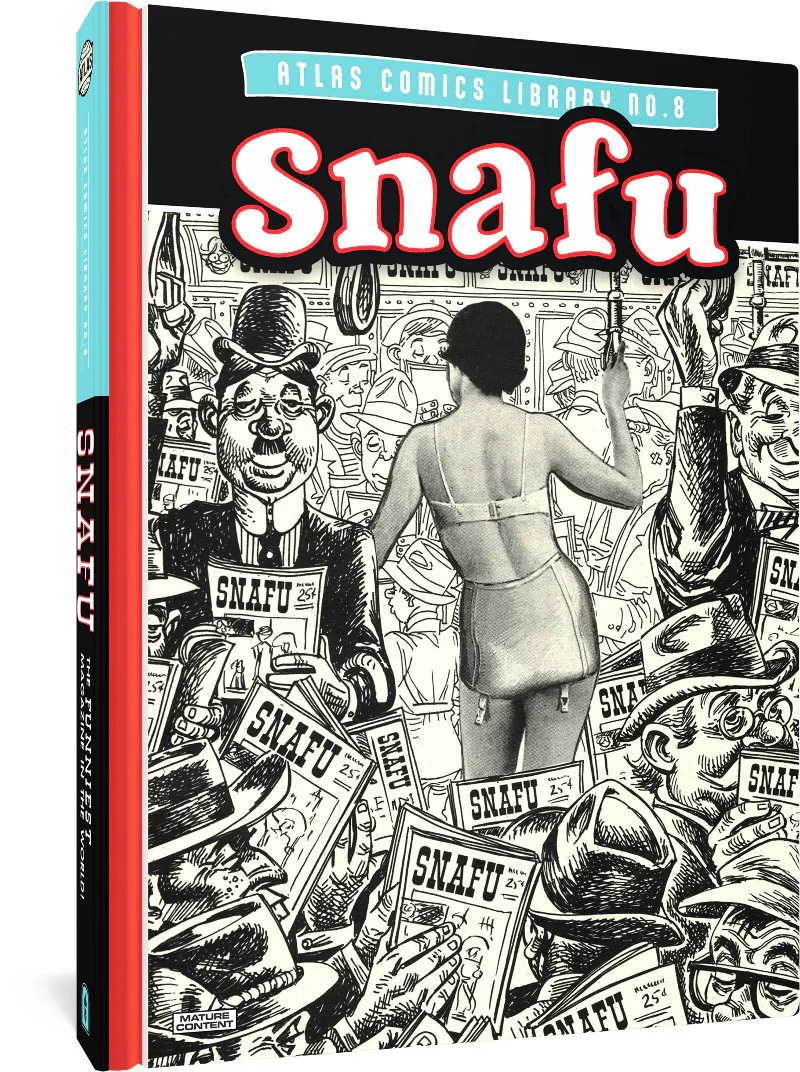
Our wise Timely/Atlas chronicler Dr. Michael J. Vassalo understood this well in crafting Volume 8 of Fantagraphics’ relentless Atlas Comics Library. The three issues of the forgettable MAD knockoff Snafu (1955-56) left him a lot of room to fill. But fill it he does, often with ancillary work that easily outstripped Snafu itself. In the 1940s, Kurtzman himself wrote and drew tons of pages for Timely/Atlas books, including 150 legendary “Hey Look” one-page fillers that remain some of the smartest cartooning of that decade. Before moving onto William Gaines and EC, Kurtzman drew a range if good and bad comic book series for publisher Martin Godman like Pig Tales and Rusty. In his intro, Vassalo reproduces a welcome sampling of these Kurtzman pages, as well as sample covers from the publisher’s other Mad wannabes like Crazy, Riot and Wild.
And as much as MAD was a revelation in its time, media satire did not burst fully formed from Harvey’s head. He was inspired by the many college humor magazines of the inter-war years and particularly by the now forgotten blockbuster satire magazine of the Depression, Ballyhoo (1931). Edited by Norman Anthony, that magazine pioneered many of the formats MAD adopted: the ad parody, goofily captioned news photos, fictional magazine mascot, and sustained satires of other media. In fact, like MAD, Ballyhoo inspired a magazine rack of knock-offs like Slapstick, Hooey and Tickle-Me-Too. But media satire was already in the air as the inanities of modern mass media were hard to ignore. Spike Jones and His City Slickers had been lampooning popular songs on radio since 1937. And Al Capp’s Fearless Fosdick (1941) goof on Dick Tracy taught Kurtzman the effectiveness of cartoon mimicry.
Kurtzman should be credited with fully understanding his predecessors’ techniques and evolving them into a new formula. His imitators, however, by and large dropped the mantel of American satire rather than developed it.
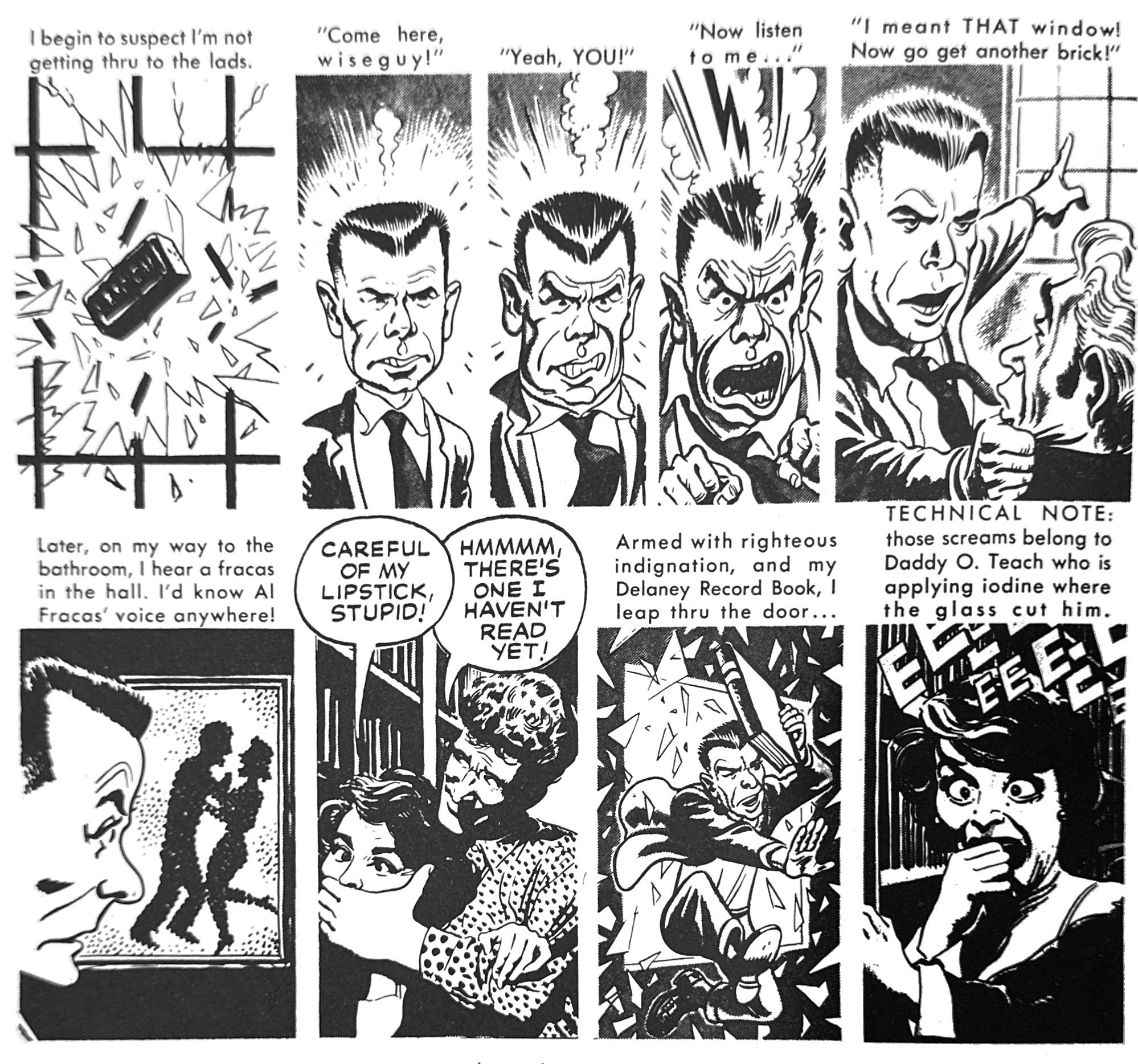
As for the three issues of Snafu itself, well, let’s just say that the art by Joe Maneely (mostly), Russ Heath and John Severin far outstrips the writing. The title of a serviceable send-up of the film “Blackboard Jungle,” “Blackboard Forest” belies the satiric IQ at work here. Heath delivers some very good renderings of stars like Glenn Ford and young delinquent Vic Morrow in a clever noirish style. Alas they have little to say or do that is even vaguely funny.
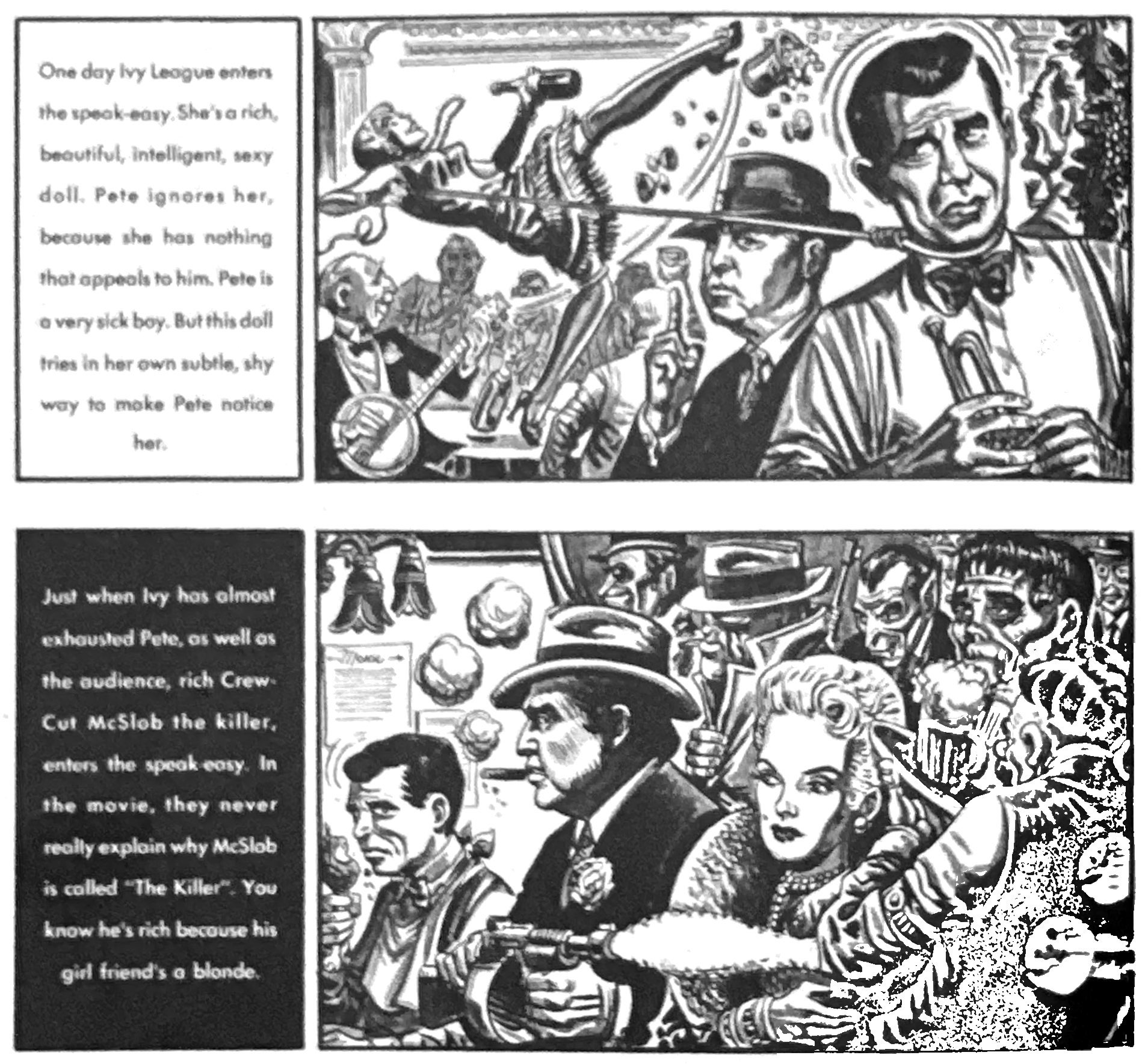
Likewise Howie Post’s take on medical dramas (“Drugnet”) becomes an incoherent grab bag of bad gags. In issue #2 Maneely seems to trip into something interesting with a comic take on the seedy noir genre, “Pete Kelsey’s Booze.” The story is incoherent but Maneely achieves a surreal grace in his use of oversized heads, engaging antic compositions and a woodcut style.
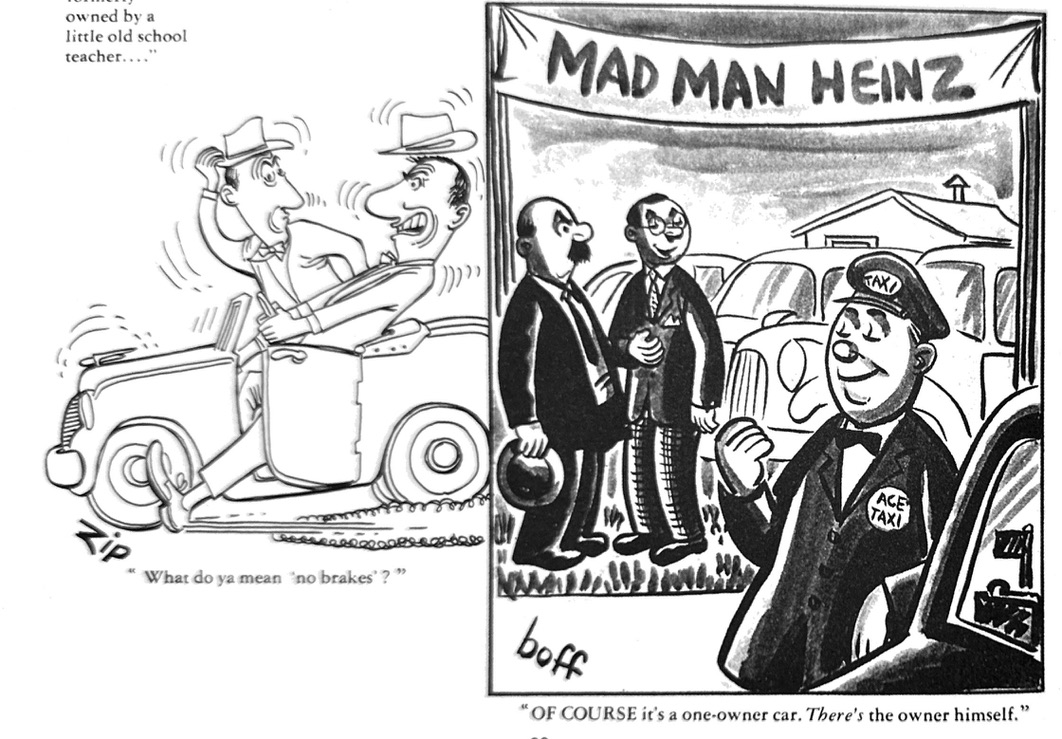
There are moments of inspiration, however. Maneely’s look at the auto industry and American suburbia in separate issues are really nudges at effete magazine single panel cartoonists. He mimics the art and humor style of VIP, Syd Hoff, Charles Addams and Otto Soglow with real skill and insight. It is less a satire of cars and suburbia than it is of The New Yorker’s wry take on them.
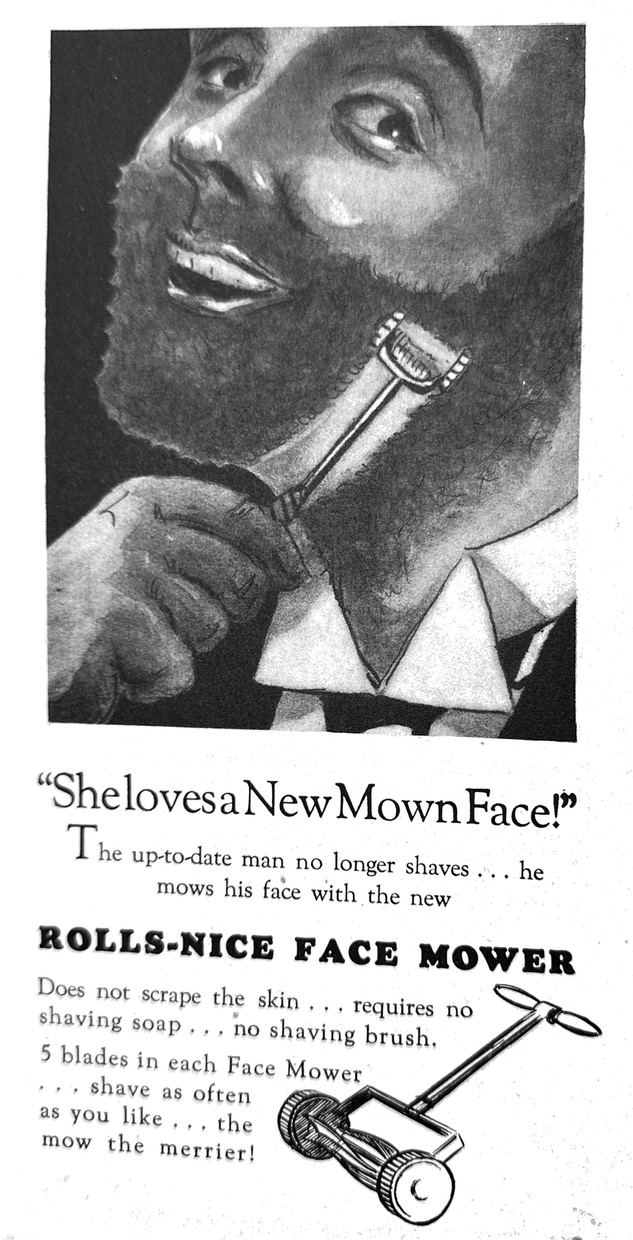
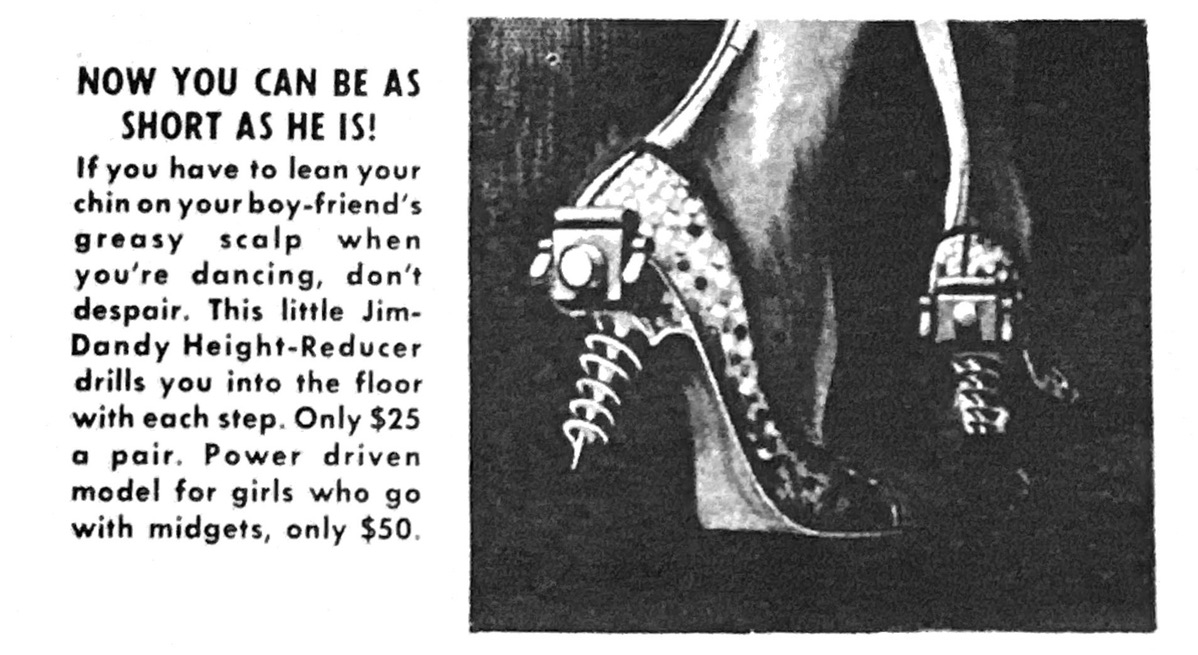
John Severin’s “How To Be A Fashion Model” is a thoughtful poke at the emaciated models and their unglamorous but judgmental readers. And Severin’s multiple imitations of typical back-of-book magazine shopping ads can be clever. For women who are taller than their men, we have a high heel that drills them deeper into the floor. Cute. And his version of “Emily Toast’s Etiquette Page” is mildly amusing and foreshadows Severin’s future as the tireless illustrator of MAD’s most sustained competitor, Cracked.
The problem with bad MAD mimicry is that it misses how much Kurtzman’s persistent point of view, aesthetic coherence and morality drove everything about his satire. He had a point to make…about the lies of modern mass media…about human imperfection and selfishness…about the stupidity of social institutions. These serious concerns animated and disciplined most of the zaniness during his stewardship of MAD and in some measure afterwards. He didn’t just goof on Mickey Rodent, Superduperman and Howdy Dooit. He understood and upended their core silliness, sometimes so effectively that it was hard to look seriously again at the original sources. None of the childish goofiness of Snafu’s supposed satires like Maneely’s “Davy Crickit” (Snafu #1) ever land a glove on “Walt Doozey Production.” I can’t even figure out what point about the character or show these disconnected panels are trying to make. Along with most of the MAD imitators, Snafu thought it could do with Kurtzman what the industry did so successfully with other comic book genres like horror, crime and romance. They tried to boil the formulas down to a set of easy conventions. And they could get by on this exploitive market strategy elsewhere because good artists often turned bad stories into captivating experiences…or just good campiness. But humor is different. Without perspective or conviction, jokiness like this feels like a parody of observational humor, or like grade schoolers trying too hard at class clownery. Severin and Maneely completists will get the most from this volume in the Atlas reprint shelf. Those interested in laughing, or even the history of American humor, have better places to go.
There are genuine laughs and insight to be found among some MAD mimics, and much of this has been reprinted previously. Ger Apeldoorn and Craig Yoe’s Behaving Madly offers the best outline of MAD knock-offs and a fine curation of their best pieces. Likewise, John Benson’s recently reissued “Sincerest Form of Parody” is a fantastic sampler of the best from each major publisher. And if you are looking that actually approaches Kurtzman’s creative consistency of style and perspective, the three 1954 issues of Get Lost by comics veterans Ross Andru and Mike Esposito (Hermes Press) is well worth finding. Distribution hiccups and a failed lawsuit by William Gaines helped derail that series. But unlike most of the MAD knockoffs, this was a labor of love by this team that had consistent style and humor and very thoughtful art.
And an argument can be made that the American 1950s only had room or regard for one major satire. After all, even Kurtzman struggled to compete with his own brainchild. Unevenly brilliant as they could be, his later Trump, Humbug and Help! efforts never approached his former market success. The generation raised on MAD seemed to understand it best and become worthy standard-bearers of that spirit. We see Kurtzman reinvented in underground comics in the 60s, National Lampoon in the 70s and of course Saturday Night Live.
Discover more from Panels & Prose
Subscribe to get the latest posts sent to your email.

