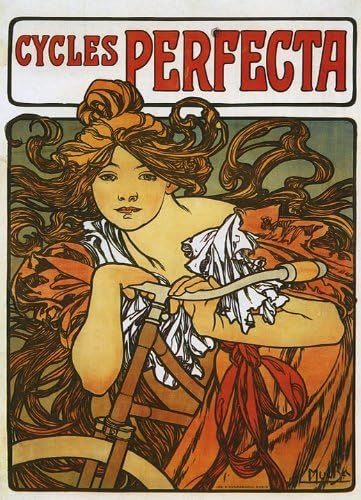
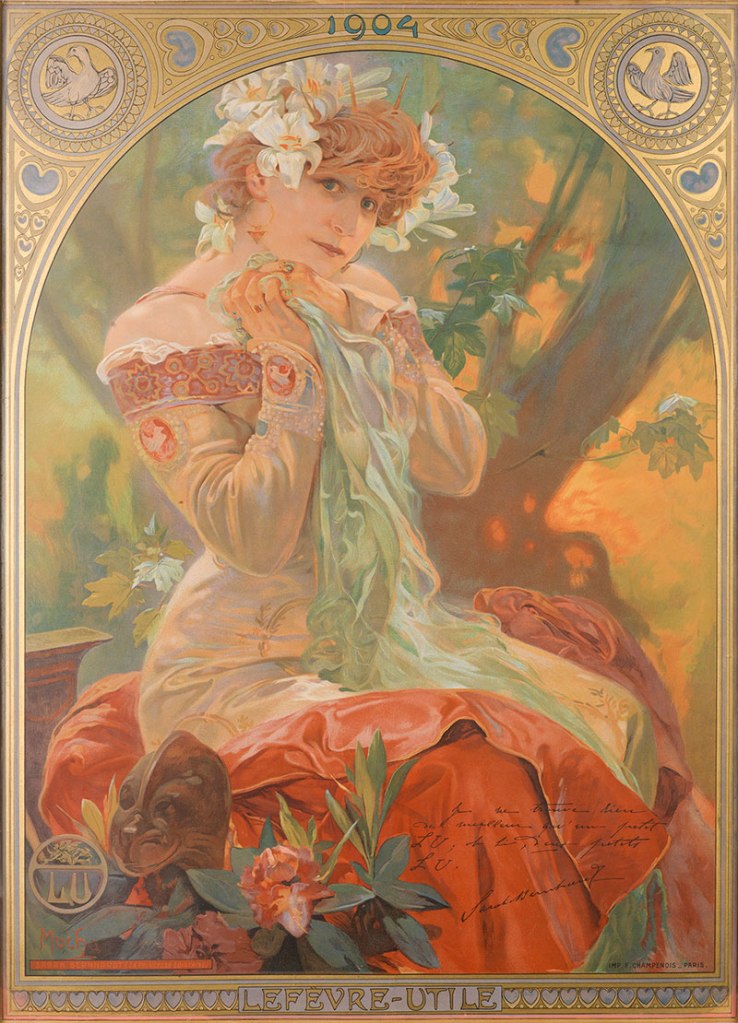
This is a perfect time for a Mucha revival, I think. Advertising creative is exploring new depths of cultural irrelevance. Marketing seems to have become an unimaginative haven for data scientists and bureaucratic functionaries. And company efforts to align themselves with social progress and “meaningful branding” are now in full, cowardly retreat. And so, reviving both the art and thought of perhaps the greatest advertising illustrator of all time, Alphonse Mucha is not only welcome but necessary.
Continue readingTag Archives: art
Popeye Has Pappy Issues: Segar’s Screwball Psychology
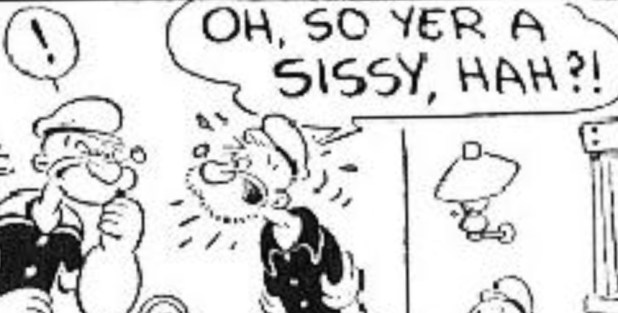
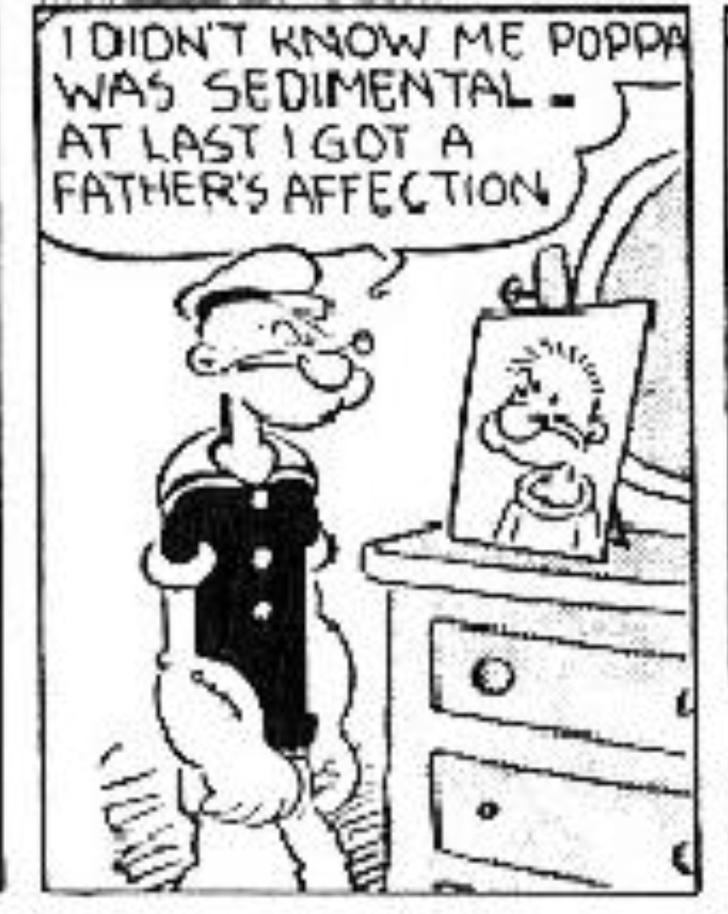
Do we really want to psychoanalyze Popeye? Sure, his anger management is pretty clear. His tendency to resolve all disagreements with a sock in the jaw is often considered a feature, not a bug. But why not leave this Depression-era icon as is? E.C. Segar perhaps unwittingly created a hero for his times. He straddled the conflicting impulses that occupied so much of 30s popular culture, a rage at the machine and a hunger for an organic folk renewal. He was part Hollywood gangster, part Tom Joad, the angry moralist who had had enough. But in the fateful story arc of 1936, when “orphink” Popeye catches up with the father that abandoned him, Poopdeck Pappy, Segar himself puts father and son on the couch. “But ain’t ya jus’a little glad to see yer son?” asks our hero? “NAW!” Poopdeck replies. Trauma, resentment, guilt, projection, repression, masculine insecurity – they all surface along the way. Segar creates a kind of vernacular psychology to unpack Popeye’s Pappy issues. And like much of what made this strip great, Segar manages to be at once screwball and serious.
Continue reading