The Democratic Genius of Clare Briggs

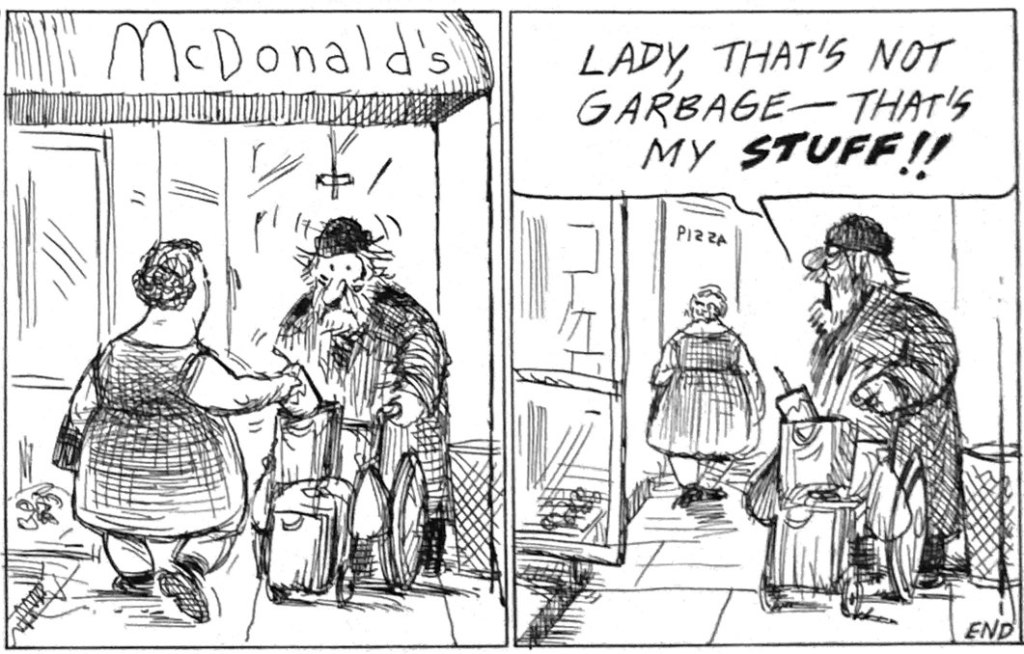
The great Clare Briggs (1875-1930) continues to impress me as perhaps the most under-appreciated figure in American comics history. He was by no means a distinctive stylist or draftsman of the sort that helps us better remember fellow greats like McCay, McManus, Herriman, Sterrett, King or Gould. But in the staggering range of cartoon series he conceived (When a Feller Needs a Friend, The Days of Real Sport, Mr. and Mrs., Real Folks at Home, Movie of a Man, Wonder What _____ Thinks About, among others) he demonstrated a range of human empathy, attention to emotional detail, and a social/class sensitivity that seems to me unmatched by any other American comic artist. Briggs was among the highest paid cartoonists of the 1920s, and widely known and beloved by audiences who were shocked at his premature death at aged 55 in 1930. His loss to the field was so deeply felt that his publisher issued a multi-volume memorial retrospective of his greatest work shortly after his death.

Continue reading →

Shelf Scan 2024: Can’t-Miss Comic Book Reprints

We go a little off the reservation this time to embrace a few pre-code comic book reprints and underground favorites that have come back into print this year. Classics from Joe Sacco and Richard Corben resurfaced this year to garner new audiences, and Fantagraphics’ ambitious schedule of Atlas Comics reprints took off. And we get to watch the mayor of Duckburg discover his adventurous side.

Continue reading →

Shelf Scan 2024: Taschen’s Ultimate Duck

Kicking off this year’s roundup reviews of notable books for comics history buffs, let’s start with the annual Taschen doorstop.

Continue reading →

Rockwell Kent: Accidental Cartoonist

Paul Bunyan

Rockwell Kent (1882-1971) was not a cartoonist in any typical sense of the genre. He was insanely prolific across all media and seemed oblivious to formal silos that bother art critics and scholars. He worked in book and magazine illustration, painting, greeting cards and postage stamps, bookplates, murals, and, yes, comics (under the playful pseudonym, “William Hogarth, Jr.” for Vanity Fair). He was a working artist who liked to turn a buck, as entrepreneurial as he was genre agnostic. Which is to say that he was an artist in the American grain.

Continue reading →

Buster Brown: ‘Race Suicide’ v. Family Planning, Circa 1903

Talk of declining fertility and birth rates, even white nationalist mumblings about “race suicide” have become a weird sidebar this election cycle. At the turn of the 20th Century, all of these themes had already been well rehearsed. In 1903, R.F. Outcault’s blockbuster hit Buster Brown alludes to contemporary arguments around changing gender roles, women’s increased autonomy, family planning and, yes, “race suicide.”

Continue reading →

I Hear America Talking: Stan Mack’s Real Life

Earlier this summer, I got to chat with visual journalist Stan Mack as he launched the indispensable compilation of his most famous work, Stan Mack’s Real Life Funnies: The Collected Conceits, Delusions, and Hijinks of New Yorkers from 1974 to 1995. The interview is embedded below with a cursory review after that.

Continue reading →

Advertising Decency: The Cartoon War on Hate

Hate is an easy sell. In the marketplace of hearts and minds, intolerance, grievance, anger are some of the most compelling product features of any cause or candidate that is new to the political shelves. Likewise, simple, high aspirations tend to market more easily. See “Hope and Change.” Appealing to base instincts or ambition and aspiration is Marketing 101 in America’s cultural economy.

Continue reading →