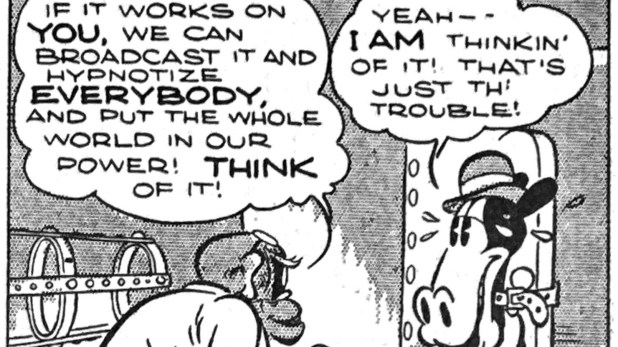
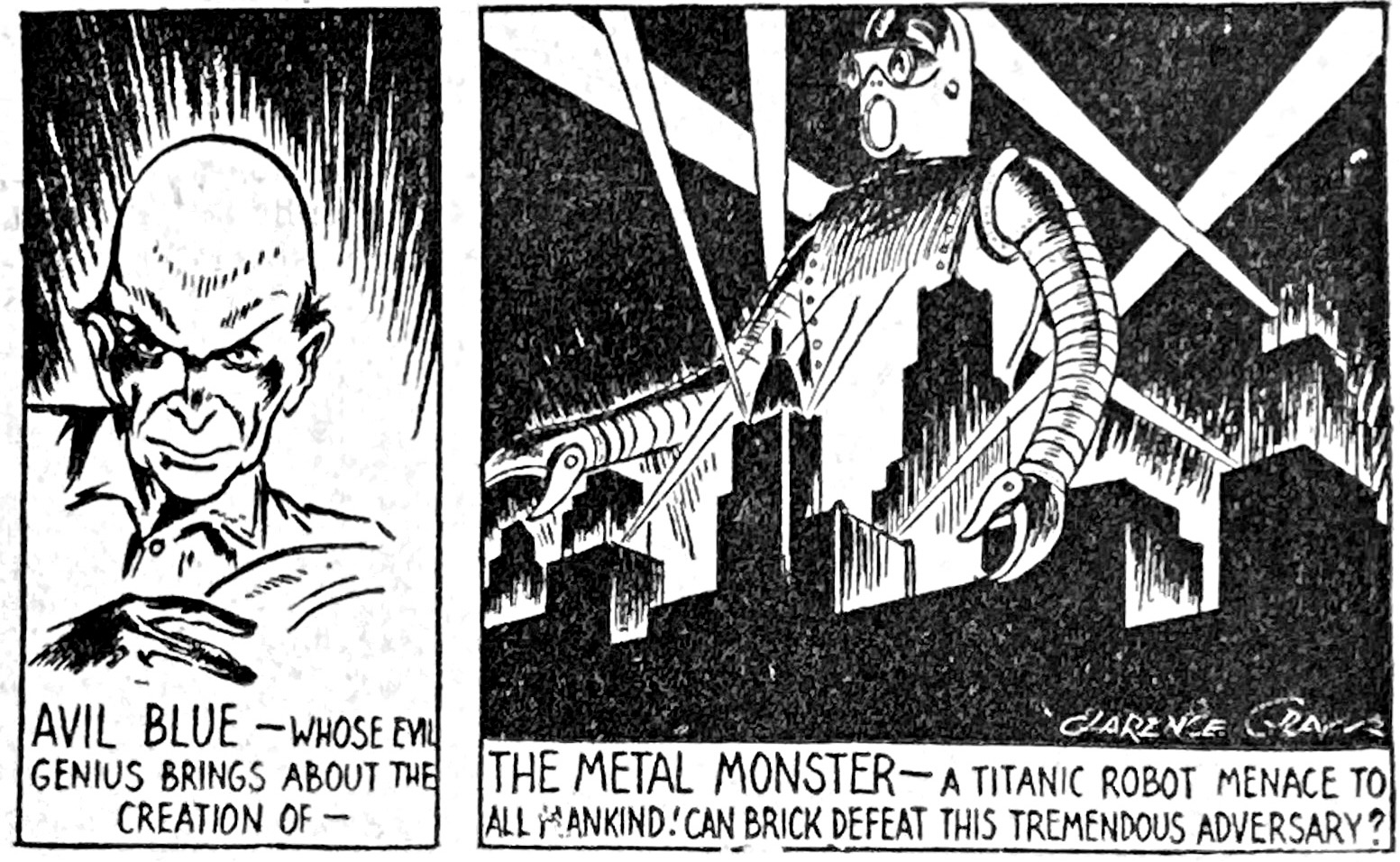
Getting nervous about the prospect of an AI oligarchy, a kind of anti-democratic sensibility that the Tech Bros finally say out loud? That they see in their own machines the prospects of a “post-human” future where rational engineers like themselves finally get the respect, authority and control they think they deserve? That compassion, democracy, maybe humanity itself are only for the weak willed? That this could be a better world if only pesky governments and, you know, people, would just leave them alone?
The EC science fiction titles hold a special place in American pop culture. The books that ran from 1950 to 1955 (Weird Science, Weird Fantasy, Weird Science-Fantasy) were indispensable waystations for the still-niche genre of science-based speculative fiction. I would argue they were the crucible in which pop sci-fi as we have known it was forged. These comics not only popularized some of the foundational tropes of the genre. But EC’s stable of premiere artists then visualized many of these themes in ways that were far more sophisticated than the typically awful B- and C-level production values Hollywood applied to the sci-fi genre. Even though these comics were among the least popular of the EC titles, they likely were legitimating sci-fi in more young readers’ minds than any pulp mag or film c-lister could. And at the same time, artists like Wally Wood, Al Feldstein, Joe Orlando, Harvey Kurtzman and Jack Kamen were inventing a visual language for sci-fi themes: post-apocalyptic vistas, space travel, the romance of a starship launch, bug-eyed and fish-faced aliens. Their influence on the subsequent conceits of sci-fi fiction, art and film, as well as their look, is undeniable. From Forbidden Planet (1956) to 2001: A Space Odyssey (1968), Star Trek (1966), Star Wars (1977) and beyond, these comics were the first rough sketches of what our fantasies of the future would become.