Fantagraphics at 50: Associate Publisher Eric Reynolds on Keeping Classic Comics Alive

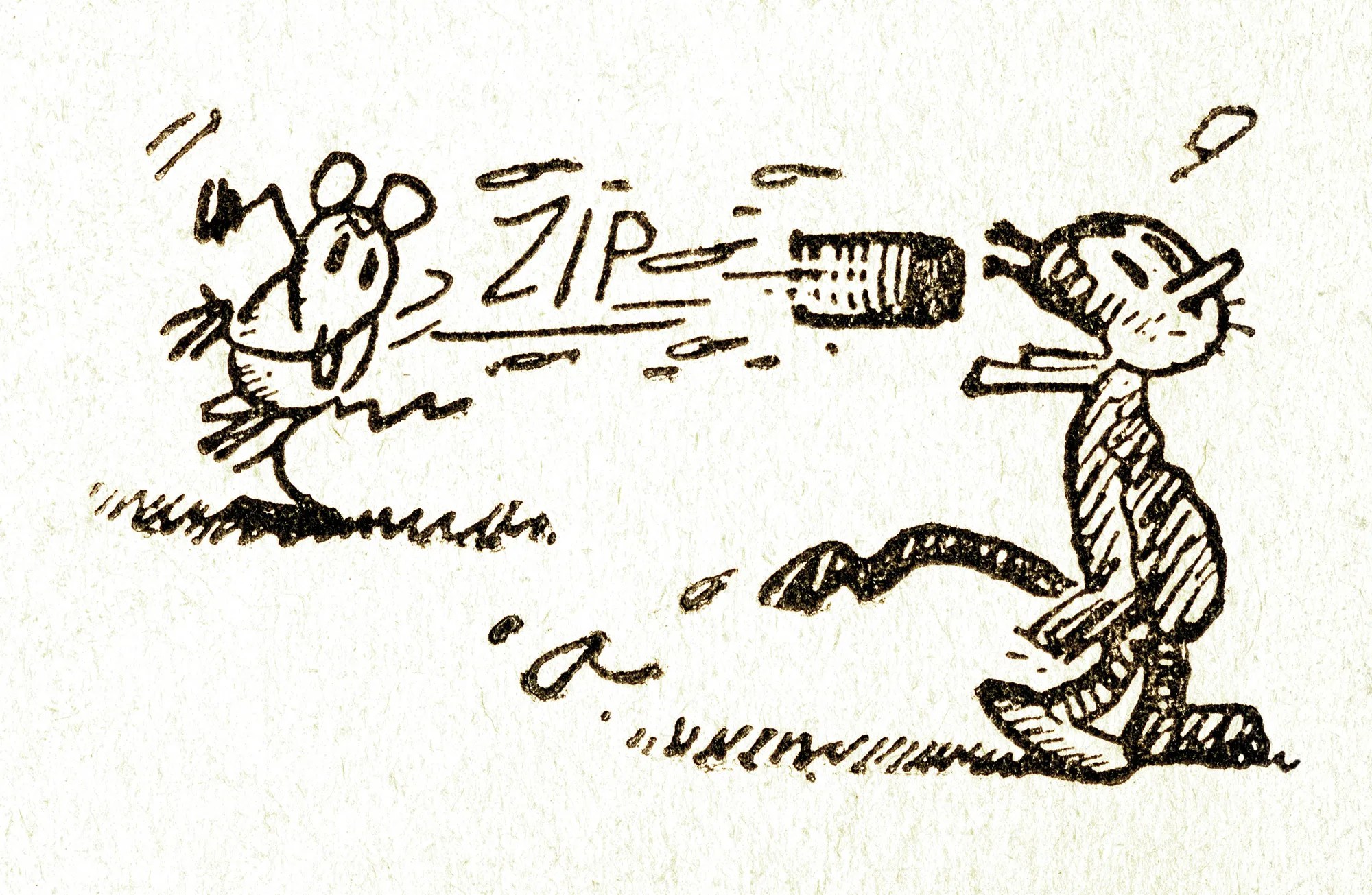
Fantagraphics celebrates its 50th anniversary this year and continues its mission to preserve and promote the comic arts. We spoke at length to the company’s longtime editorial fixture, From Popeye to Pogo, Krazy Kat to Charlie Brown, few companies have been such prolific archivists of the comic strip tradition. Anniversaries are a good time to check in. And so we visited with VP/Associate Publisher Eric Reynolds to explore preserving comics history and preview of the delicious releases they have planned for this milestone year.

Continue reading

Making Charles Dana Gibson Sexy Again

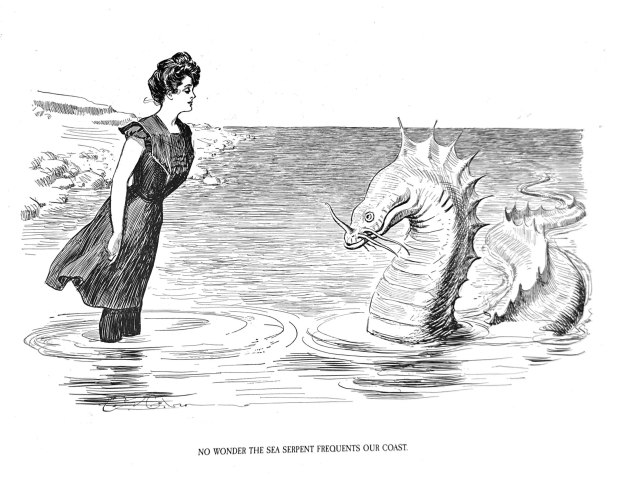
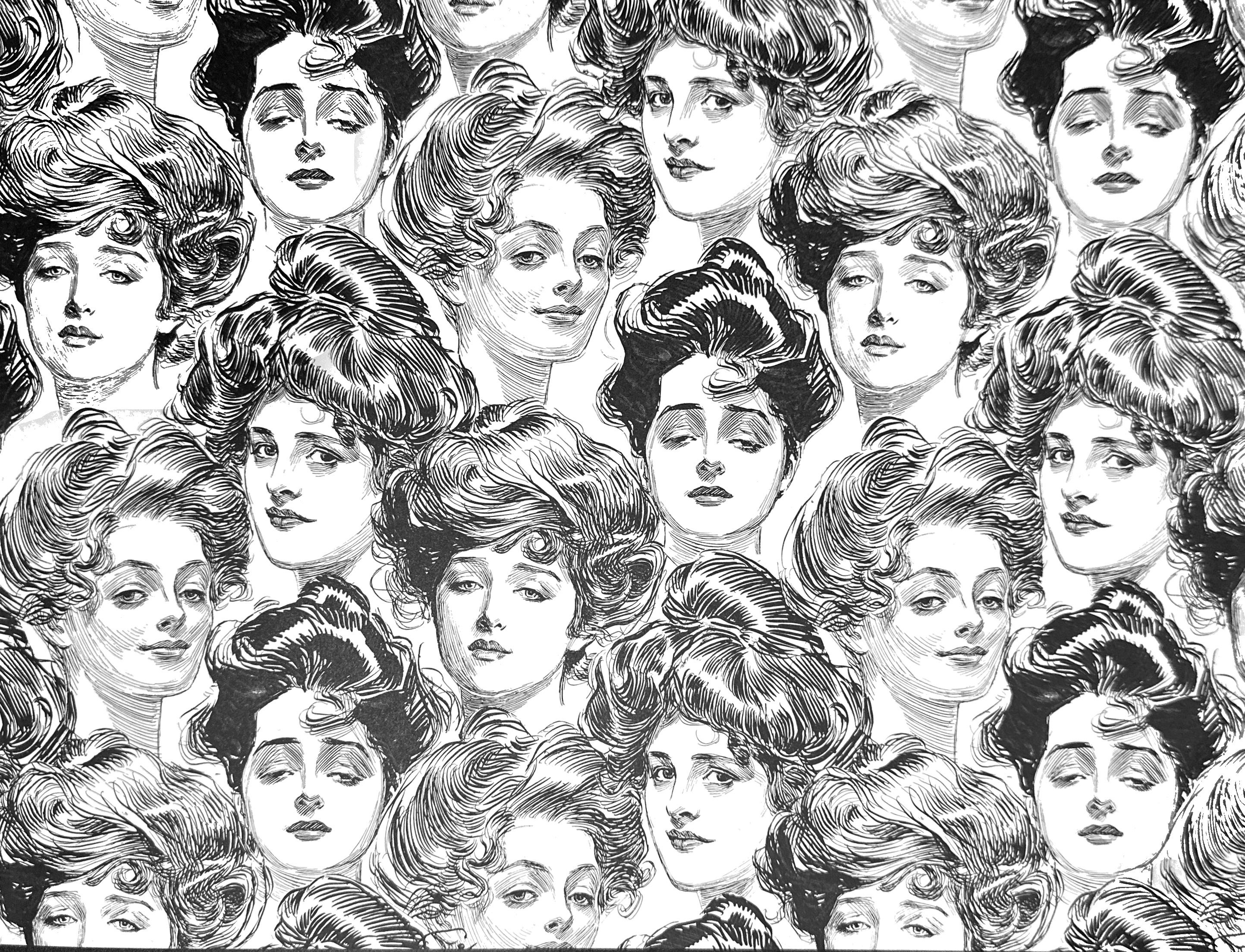
This is a good time for modern comic strip fans to recall Charles Dana Gibson’s role in late Victorian American culture. The most famous illustrator of his day had a calming, languid line and upscale focus that contrasted sharply with everything the early newspaper comic strip represented. Just as a tsunami of recent comic strip reprints celebrate the raucousness of 20th Century cartooning, Gibson’s epoch-defining artistry reminds us of what the “vulgar” new medium was disrupting. It also suggests why the scions of civility found the Sunday supplements so offensive and magazine illustrators like Gibson so engaging.

Continue reading

Our Shelves Runneth Over: POD Spews a Gusher of Reprints

Continue reading

From Oaky Doaks to Bruce Gentry: Behind CSAG’s Reprint Rush

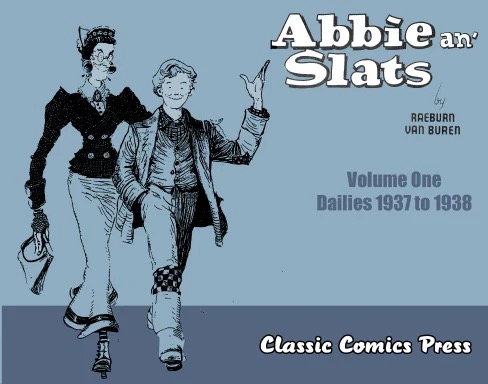
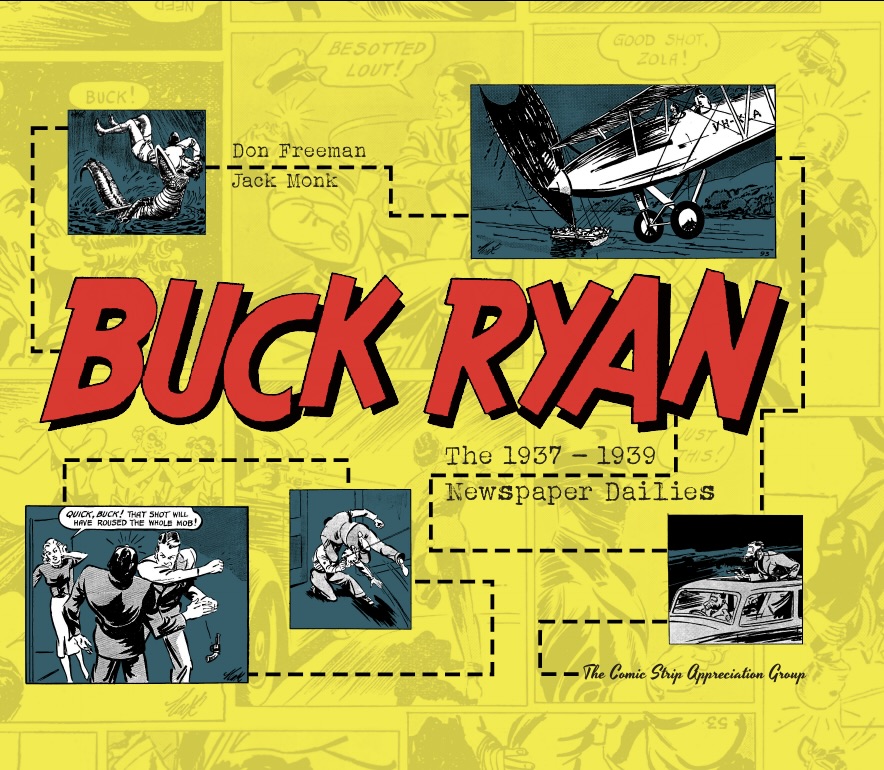
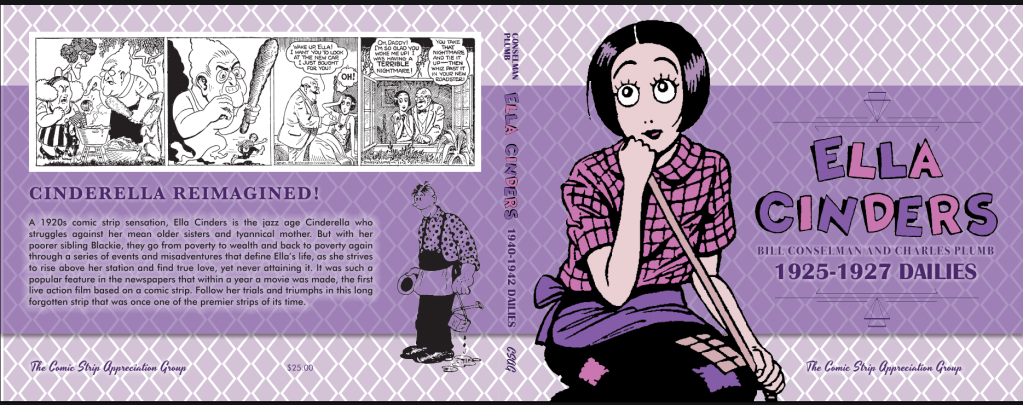
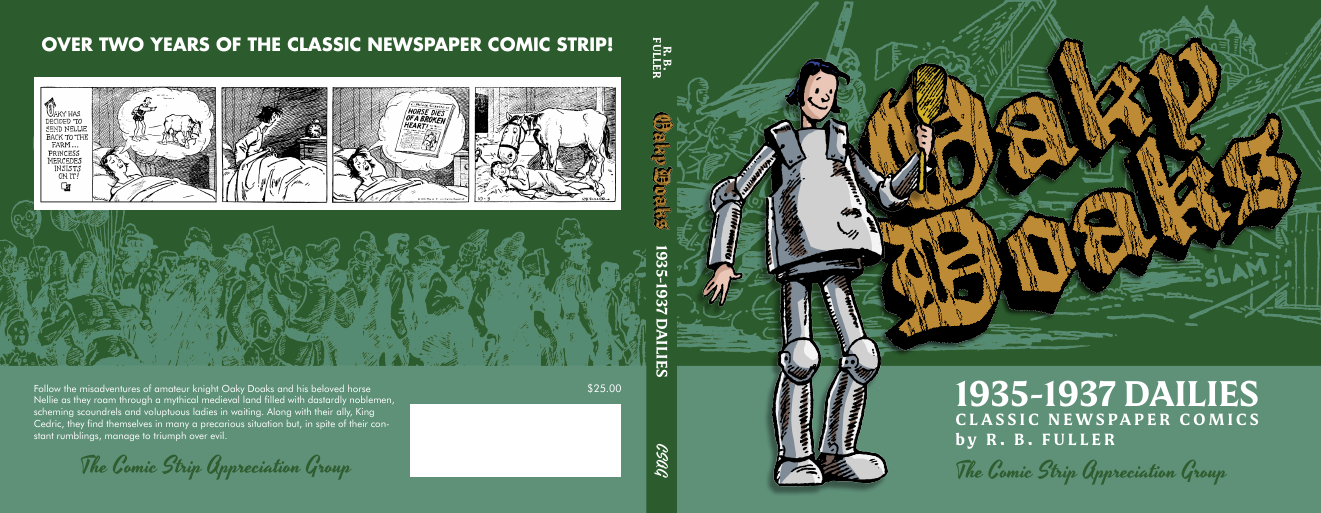
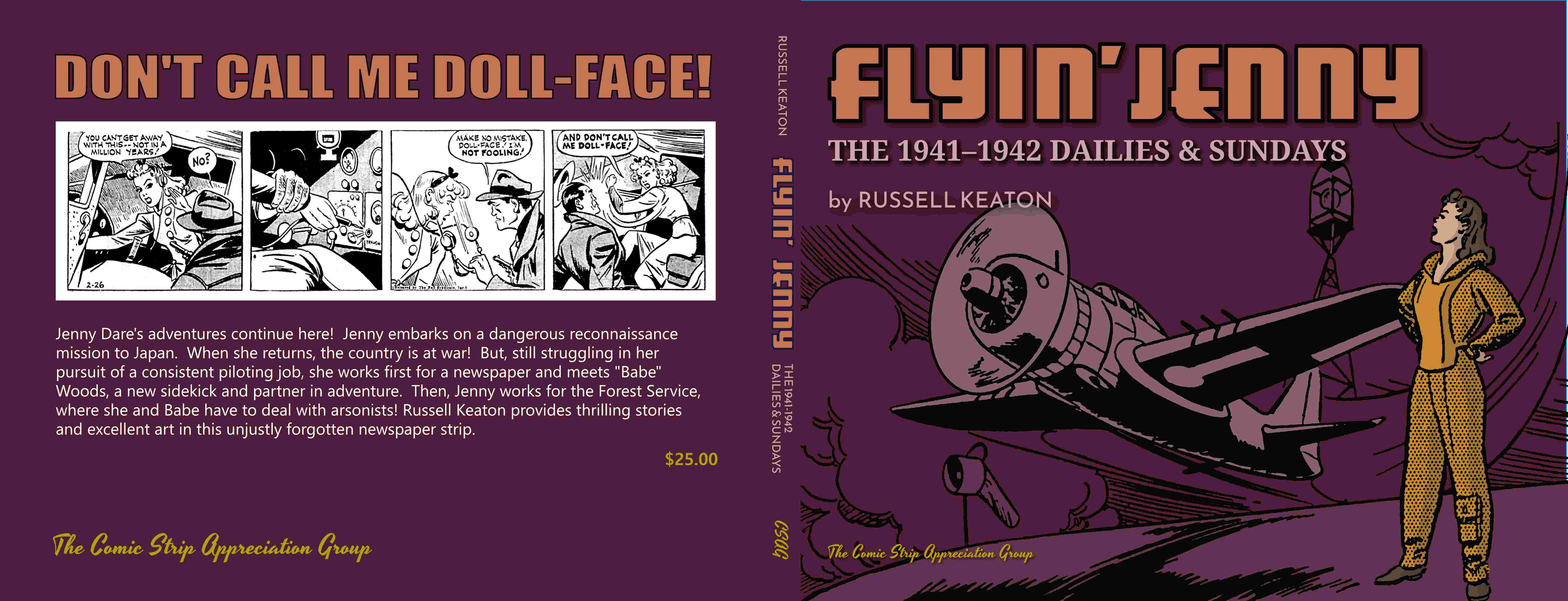
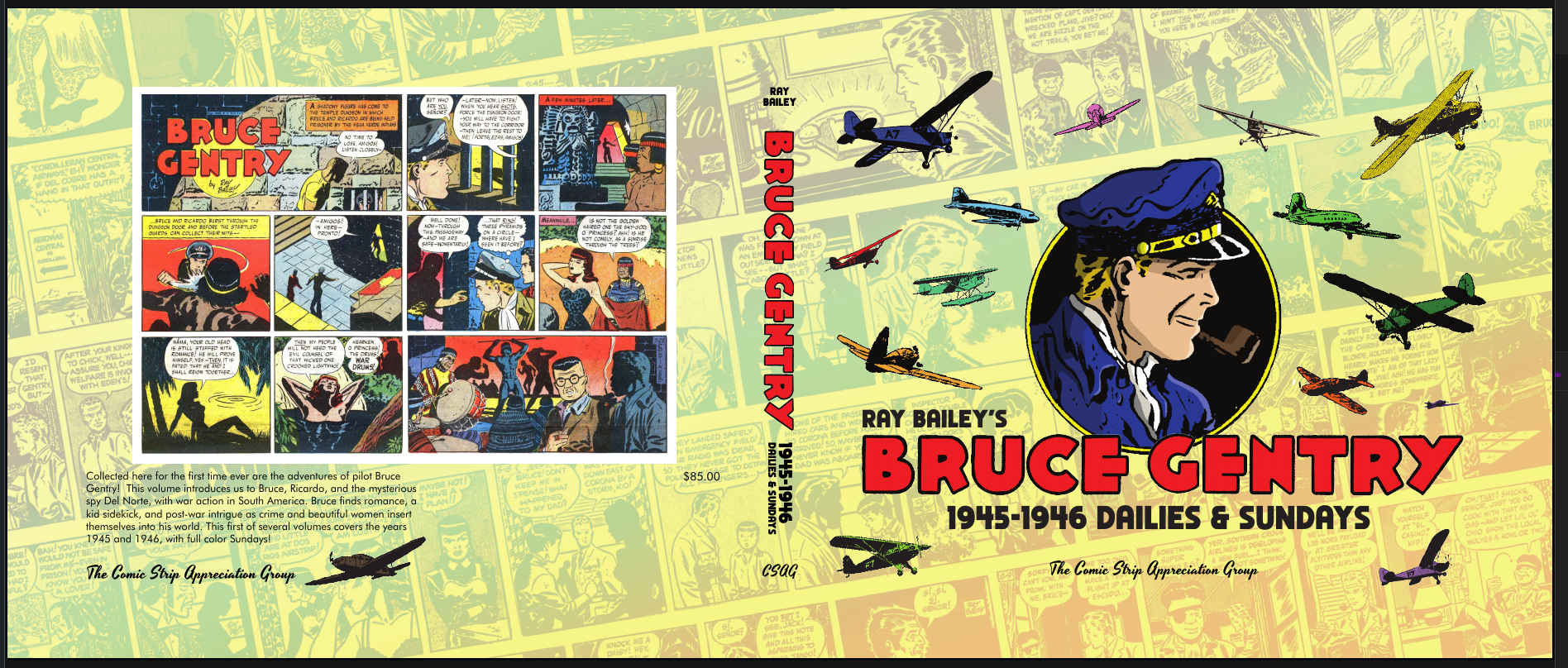
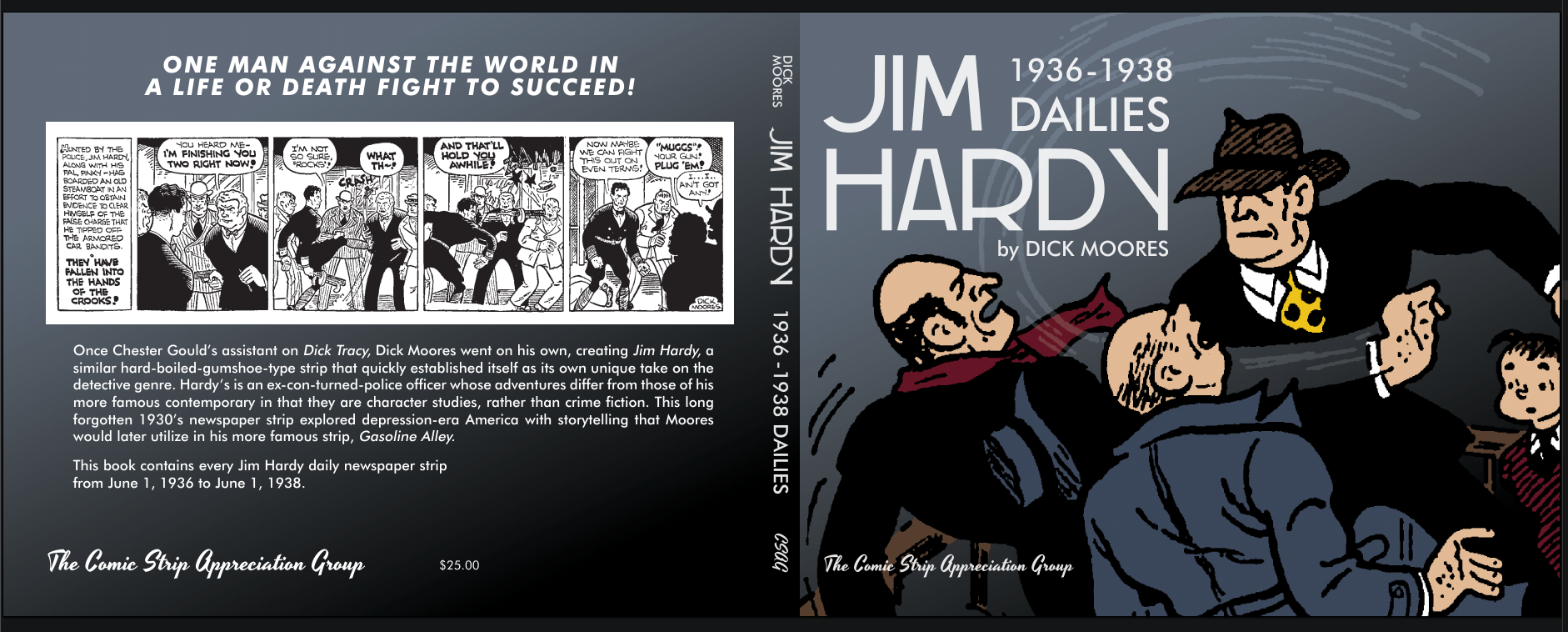
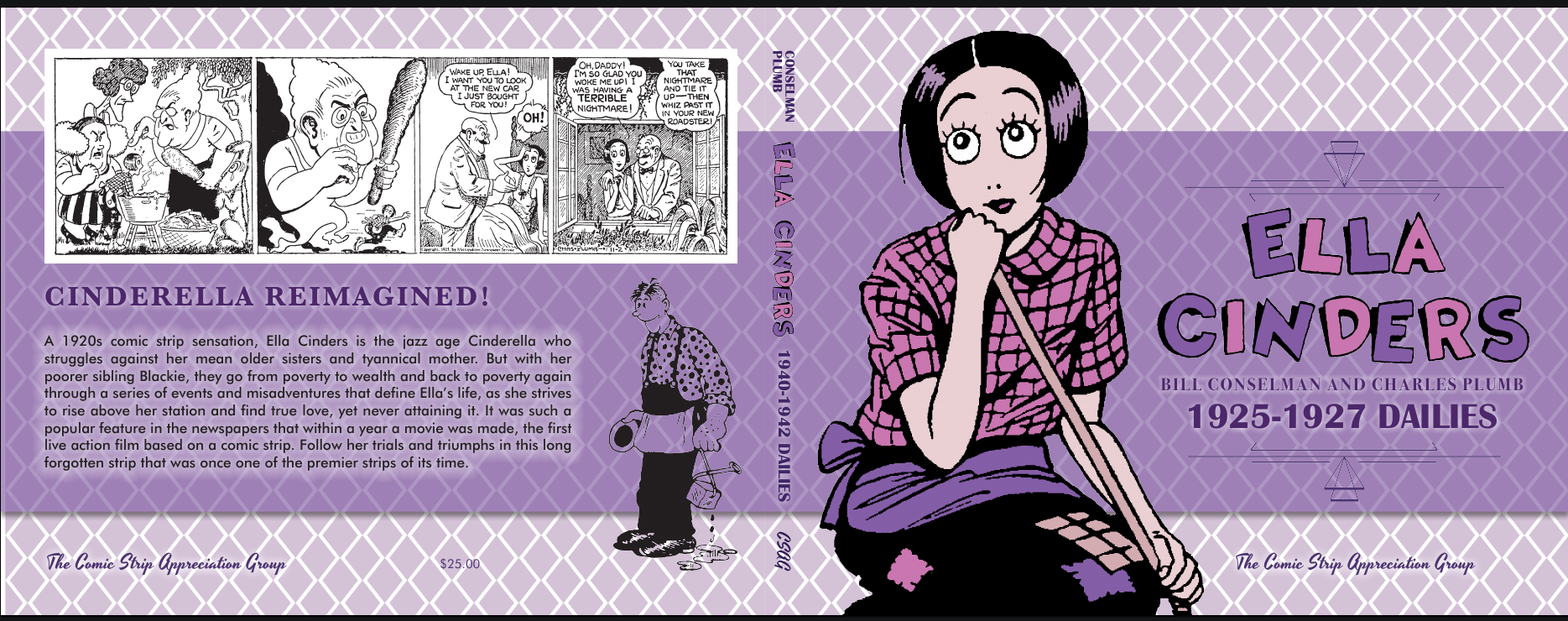
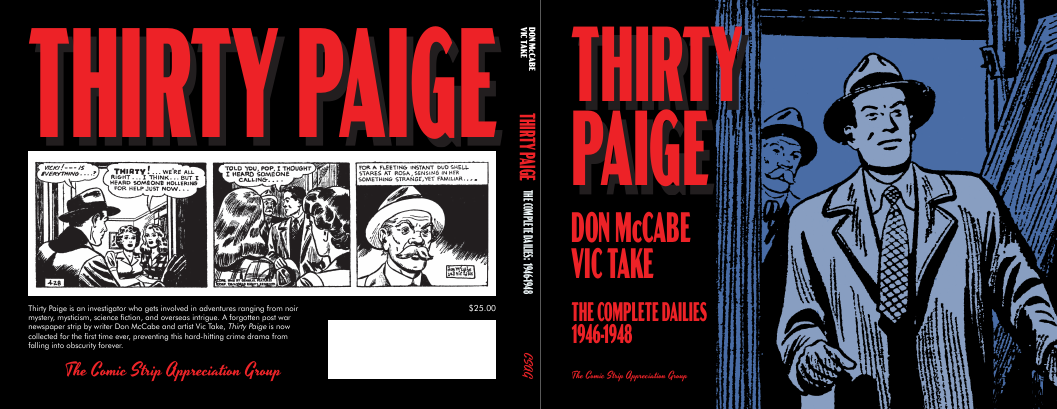
Among several self-publishers in the reprint space, Stefan Wood and his Comic Strip Appreciation Group are far and away the most prolific. His Lulu Bookstore boasts about 25 titles as of this writing. And judging from our conversation with him this week, that library will be growing weekly. Recently retired from the exhibit design team at the National Gallery in Washington D.C., Stefan brings to his comic strip mission a familial and professional background in the arts, digital skills and a penchant for tight deadlines. He keeps himself on a disciplined schedule, and has developed an efficient workflow that produces such a fast-growing library. But as we also discussed, there is also a method for selecting titles for reissue. Stefan is drawn to artists who used this medium to express personal experience, a unique perspective and exceptional artistic style. He is not only resurfacing old strips but also calling attention to an aspect of comics history often missed by standard histories and the familiar canon of “greats” they have established.

Quips and Curlicues: Mopsy’s Stylish Return

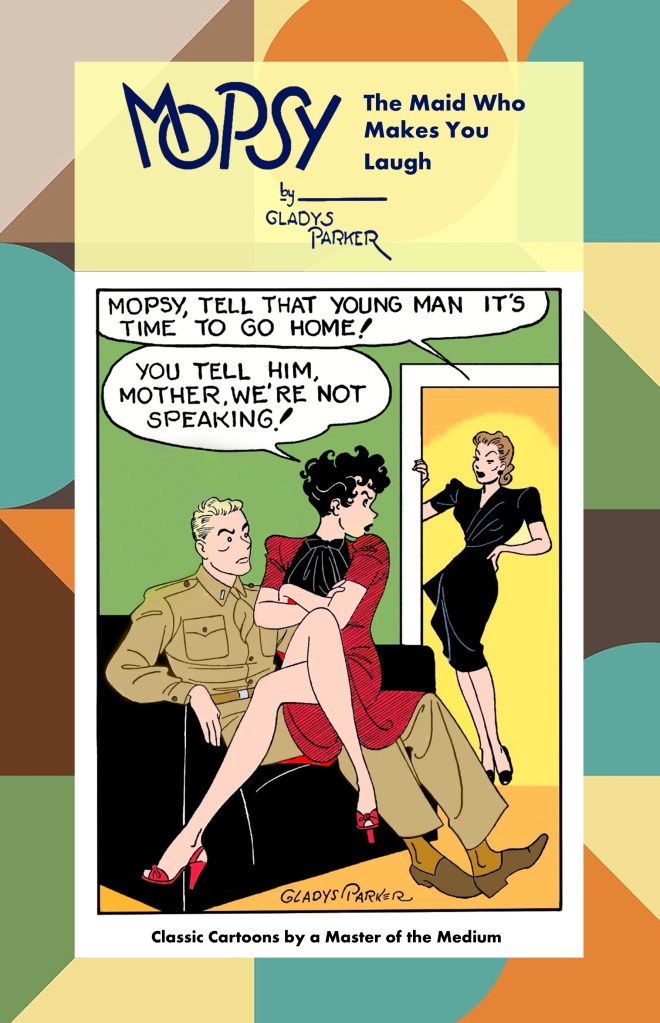
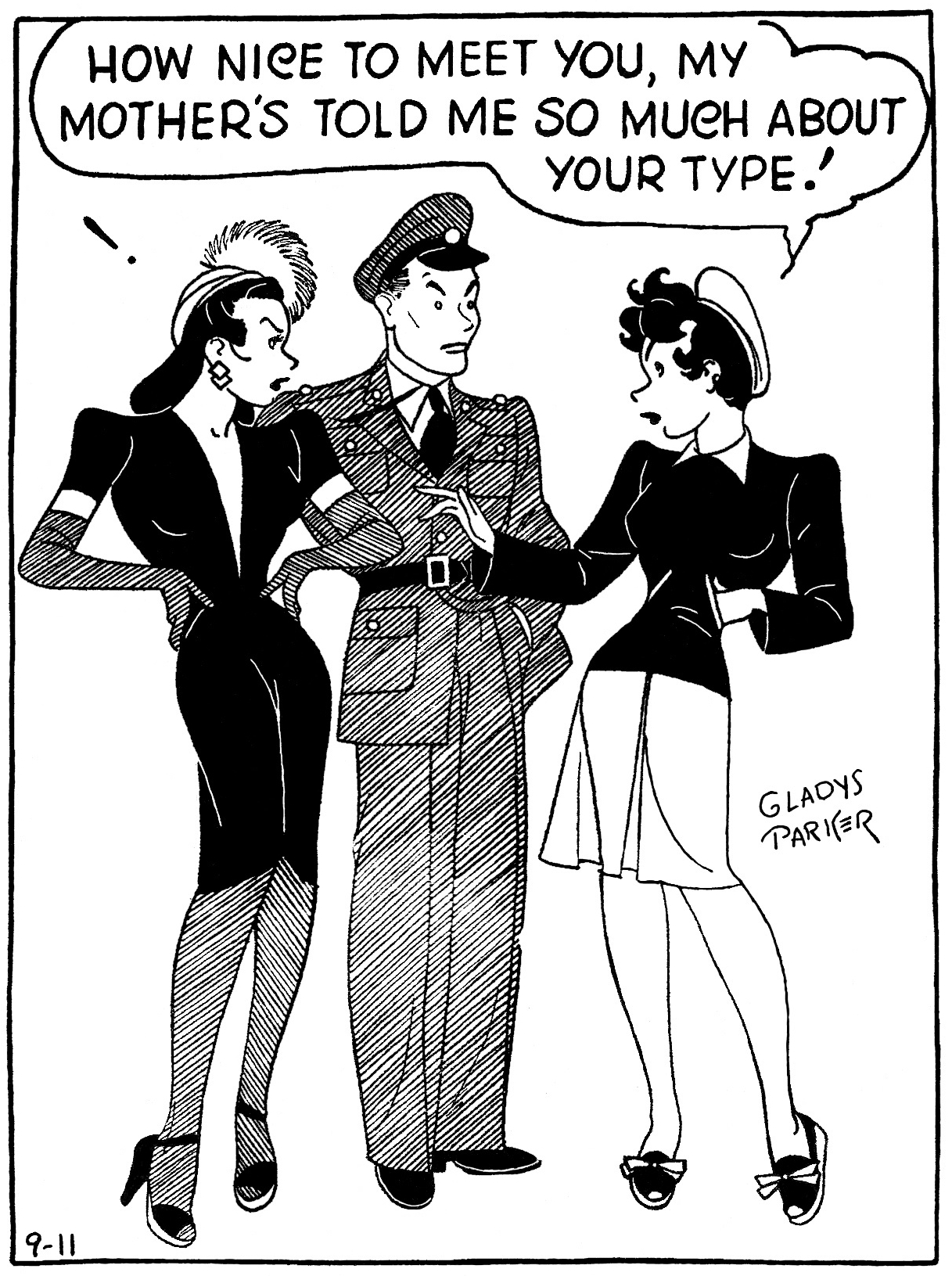
Gladys Parker was among the most recognizable and well-reported cartoonists of the 1930s and 40s. It was hard to miss her. She was the spit-curl image of her avatar Mopsy, the sharp-tongued and stylish star of her own single-panel comic (1937-1966). It is hard to say which came first, Parker’s cartoonish look or Mopsy’s, but they shared the same shock of black curlicues, sharply lined brows and eyes, and a precisely “sticked” set of lips. And since Parker was also a noted, audacious clothes designer, Mopsy was a working girl with a seemingly endless closet of ultra-modern fashions.

Continue reading

“I Shot Him In the Ass!” John Held Jr.’s Lewd Linocuts

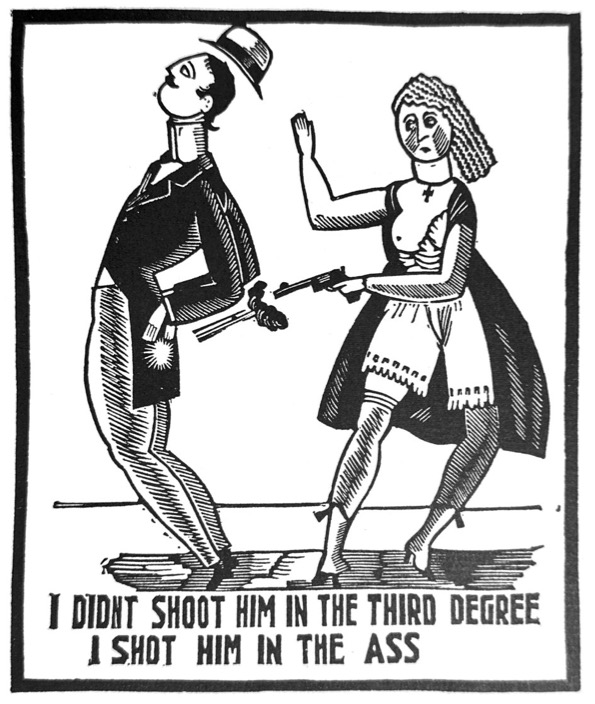
John Held Jr.’s highly stylized, fine line cartoons are identified with “The Jazz Age” of Fitzgerald’s 1920s for good reason. His imagery on the covers of Fitzgerald books, in his Oh, Margy and Merely Margy comic strips and especially in his work for the early New Yorker and other humor magazines pretty much defined that decade visually. He found a way toi make privileged youth look even more air-headed and frivolous than they prbably were. It made him enormously wealthy, for a time, and in constant demand. Yet, for all of his identification with modernity, Held was deeply nostalgic. Many of his other illustrated works departed radically from his signature flapper stylings and used instead a pre-modern linocut technique that gouged an image into a linoleum surface to effect a primitive woodcut-like effect. Rob Stolzer recently posted the full run of Held’s Civilization’s Progress series from Liberty magazine (1931-32), where Held contrasted the Gay Nineties with contemporary life by juxtaposin his flapper and linocut styles.

Continue reading

Calling Dick Tracy…Again: Shaking Up the Reprint Game

Chester Gould’s Dick Tracy has been among the most reprinted strips of all time. The reasons are obvious, and I don’t need to rehash this site’s exegesis on my personal favorite. Tracy was the strip that turned me on to classic newspaper comics. Gould’s singular visual signature, his grisly violence, grotesque villains and deadpan hero made Dick Tracy compelling on so many levels. And now we get yet another packaging style from the same Library of American Comics group that finished its magisterial 29-volume complete Gould run, 1931-77. With new publishing partner Clover Press, LOAC has reworked some of its earliest projects, like the magnificent upgrade of Terry and the Pirates and the first six volumes of The Complete Dick Tracy. And now we get slipcased, paperback editions of prime-time Gould, 1941 through 1944. Much more affordable, manageable, and available than the original LOAC volumes, each of which covered about two years of comics, the four $29.99 books are also available as a discounted set from Clover. This new series started as a crowd-funded BackerKit project last year.

Continue reading