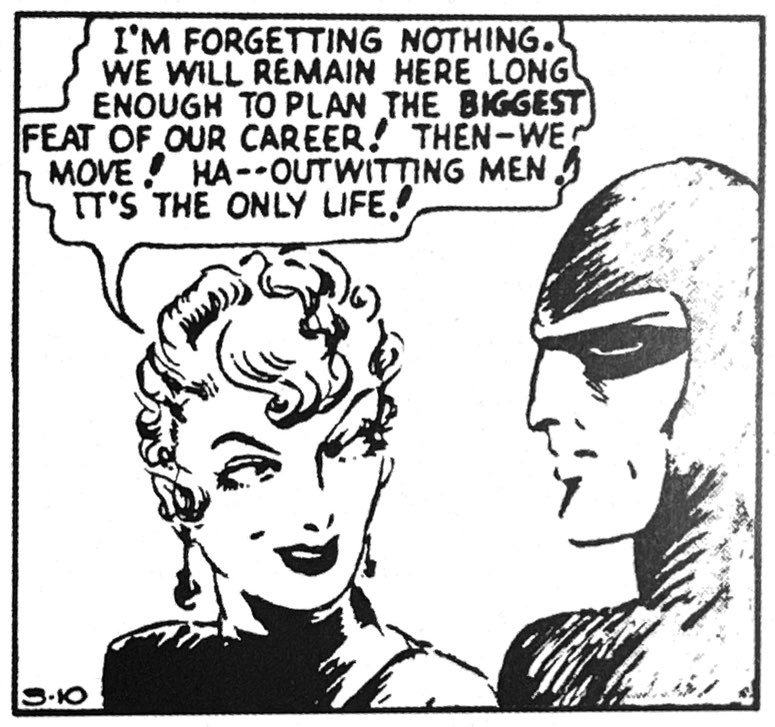
Women-led “Amazon” worlds popped up in a ranges of comic strips during the 1930s and 40s, and they voiced a range of ideas about the prospects for matriarchal rule. In an earlier article we explored otherworldy femtopias in Buck Rogers 25th Century, the Connie strip’s vision of the 30th Century and even in the “Bone Age” of caveman Alley Oop. More muscular he-men heroes like The Phantom and Tarzan, however, found the prospect of matriarchy a bit more, well, shall we say, threatening?
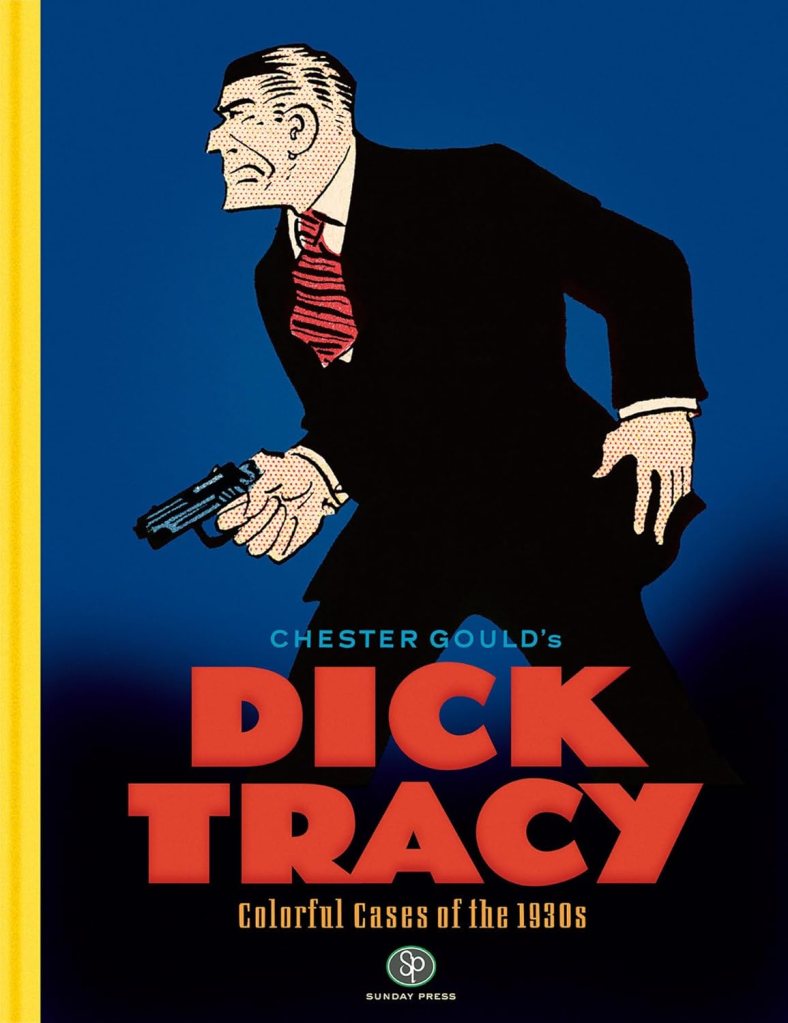
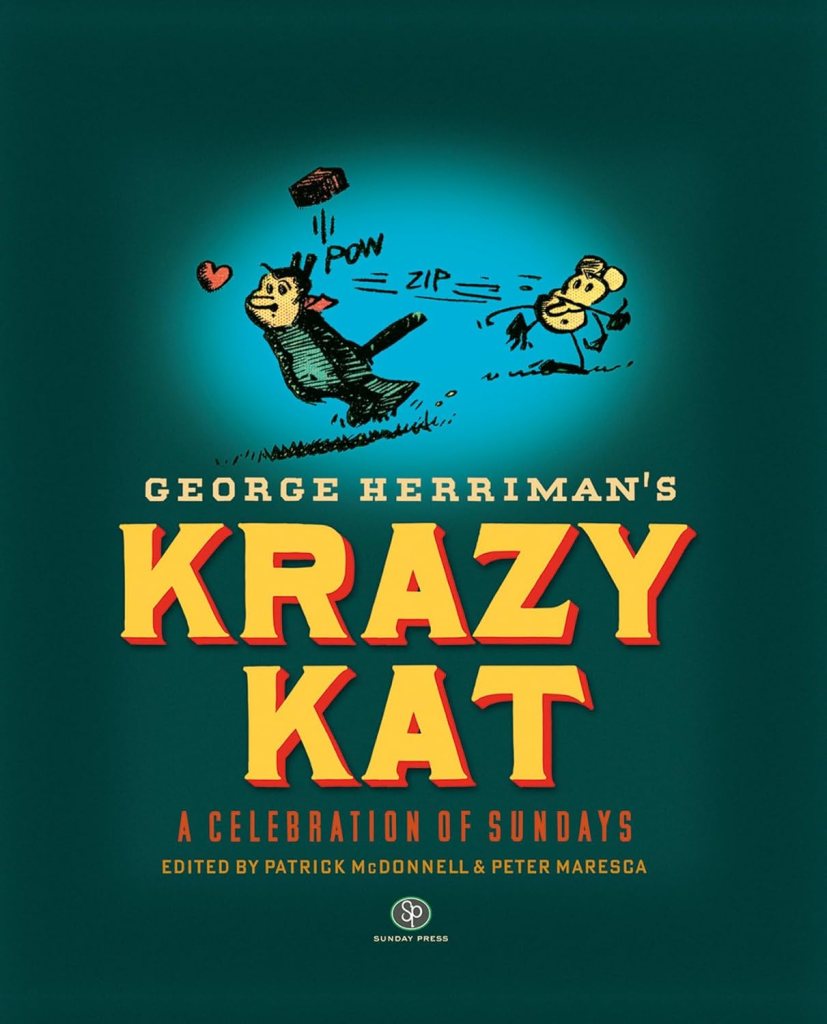
In our ongoing series of interviews with publishers who are keeping comics history alive, we go oversized this week. Since it started publishing reprints of classic newspaper comics 20 years ago with Little Nemo, Sunday Press reimagined what a reprint could be. These massively oversized books try to immerse us in the original scale and rich color of the earliest Sunday pages. Sunday Press has applied its format to Krazy Kat, Dick Tracy, Milt Gross, Gasoline Alley, among others. Peter Maresca is founder of Sunday Press Books. We spent an hour with Peter recently recalling his background in comics and tech, the origins of Sunday Press Books with the Little Nemo project, and his thoughts on keeping comics history relevant for a new generation of readers and creators.
“It is a old comical strip trick – pretendin’ th’ hero gotta git married.” It keeps “stupid readers excited,” Li’l Abner claims in 1952. Days later he unwittingly weds Daisy Mae, ending a nearly 20 year tease. But this time it was no “comical strip” trick. In fact, several perennial bachelors of the comics pages fell in a post-WWII rush to the altar. Along with Abner, Prince Valiant, Buz Sawyer, Dick Tracy and Kerry Drake all enjoyed funny page weddings between 1946 and 1957. Comic strip heroes were just following the lead of the real-world heroes returning from WWII. Desperate to make up for lost time and return to normality, over 16 million Americans got hitched in 1946, the year after war ended in Europe and the Pacific. But each of these strips framed the new normal in American life differently. As the best of popular art often does, Vale, Dick, Abner, Buz, Kerry and their mates offered Americans a range of stories, myths really, about what this new normal meant.
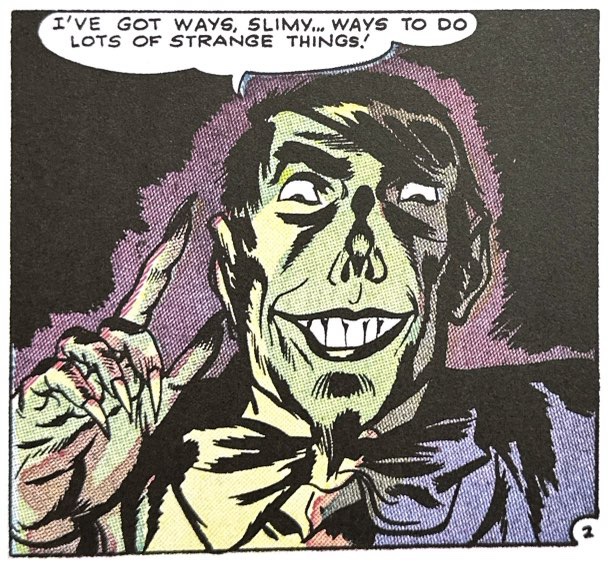
I am an EC chauvinist. I should cop to this before rounding up the notable pre-code comic book reprints from the last year. For decades now I have been devouring the many crime, horror, sci-fi, and romance comics that were part of the glut of adult titles after WWII, in part because they represented the unrealized potential of the comics format in post-war America. This was a real pop culture moment. War veterans ate a steady diet of comic books “over there” and seemed primed to follow the medium into more nuanced and adult storylines in the 40s and 50s. Likewise overseas, Japanese manga and Franco-Belgian bandes dessinées were on a similar path towards the popular, if not literary, mainstream. But in the U.S. that evolution was derailed and slammed into reverse by anti-comics crusades and the industry’s own “Comics Code Authority” in 1954. Self-censorship effectively arrested the medium in pre-adolescence, focused the industry on anodyne morality tales and pubescent fantasies of super-human prowess for at least a couple of decades.
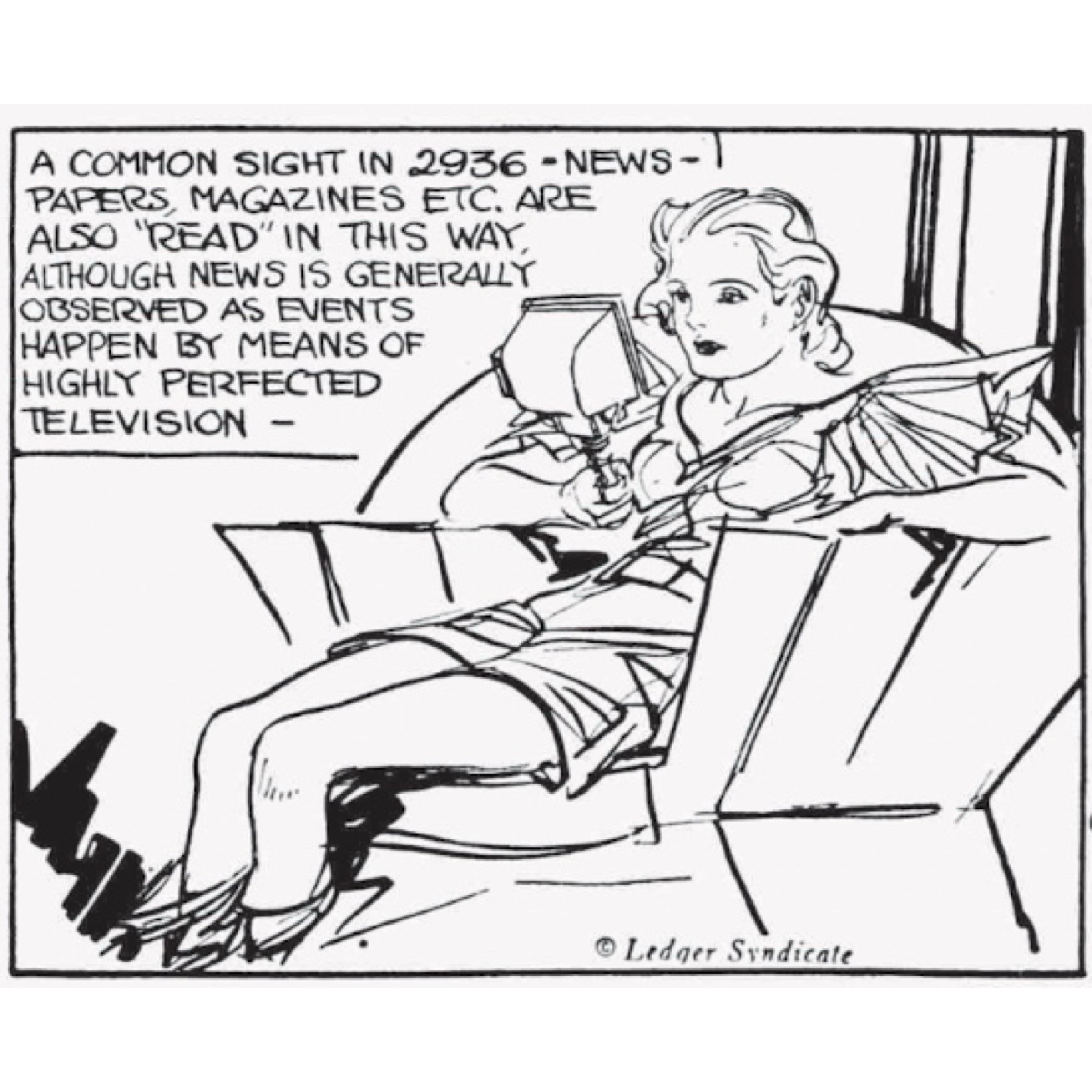
When Frank Godwin sent his adventure comic strip heroine Connie Kurridge a thousand yeas into the future, this amateur engineer had a field day imagining technologies of the next millennium. During the extended story arc, the Connie strip ran a “topper” on the bottom each week called Wonder Land. The content was often hosted by the “Dr. Chrono” character from the main storyline who had invented the time travel machine. the strip served as a kind of explainer series that elaborated on technical details related to that week’s tech of the future. But one week we get a particularly prescient future gadget that resembles the best steampunk visions from Buck Rogers.
“A hundred yard jump! And a girl soldier, too! Say, sister, need help?
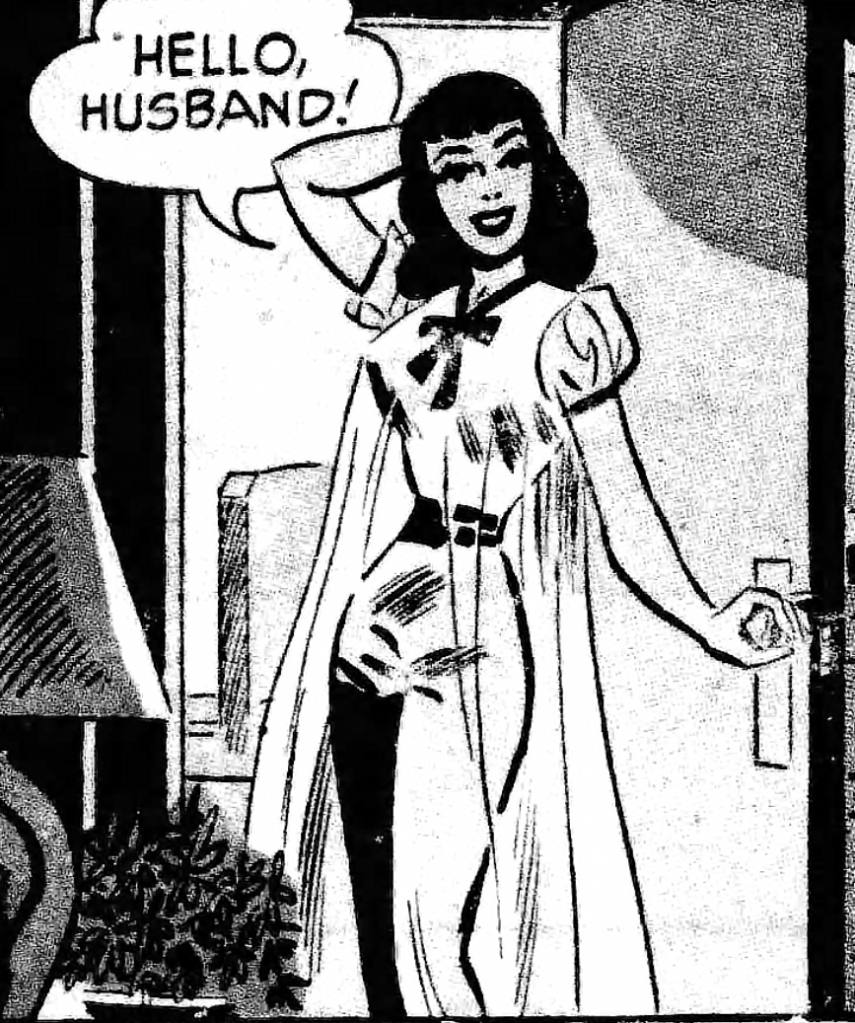
The first thing Buck Rogers sees when he wakes from his 500 year slumber is a flying bare-legged woman…with a gun. That Jan. 7, 1929 strip launched American newspaper comics into a new age of heroic continuity strips, which historians have dubbed “The Adventurous Decade.”1 And across Buck, Flash (Gordon), Dick (Tracy), Pat (Ryan), the Prince (Valiant) and of course Tarzan, this decade in the newspaper back pages became famous for a pulpy hyper-masculinity that culminated in the rise of the superhero in the late 30s. And yet, as Buck’s premiere strip suggests, it would also be one of the weirdest stretches in the depiction of powerful women in popular culture. This would play out especially in adventure comics’ curious fixation with putting women in charge during the Depression years. Amazon tribes, criminal gal gangs, and futuristic matriarchies peppered adventure strips. We are all familiar with the creation of Wonder Woman in 1941 and her origin on the ladies-only Paradise Island.2 But this trope started in comics more than a decade earlier, first with Buck but then resurfacing in The Phantom, Tarzan, Alley Oop, and Frank Godwin’s Connie. Fantasizing about matriarchal societies within the adventure genre was not just a clever escapist plot device. Each of these Amazon worlds imagined different alternative societies where women called the shots and shaped the culture. Taken as a while, this pop culture trope suggested a deep ambivalence about the changing roles and independence of women. Putting women in charge was a kind of gender lab that played with ideas of feminine power under the stress of both Depression and modernization.
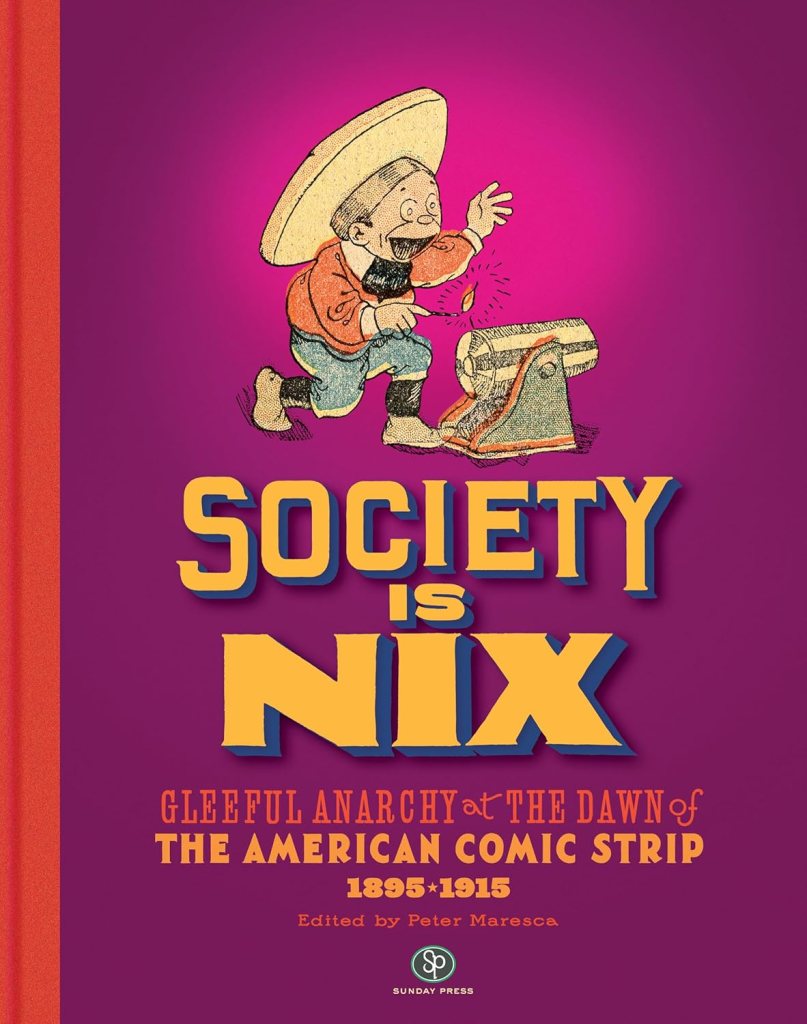
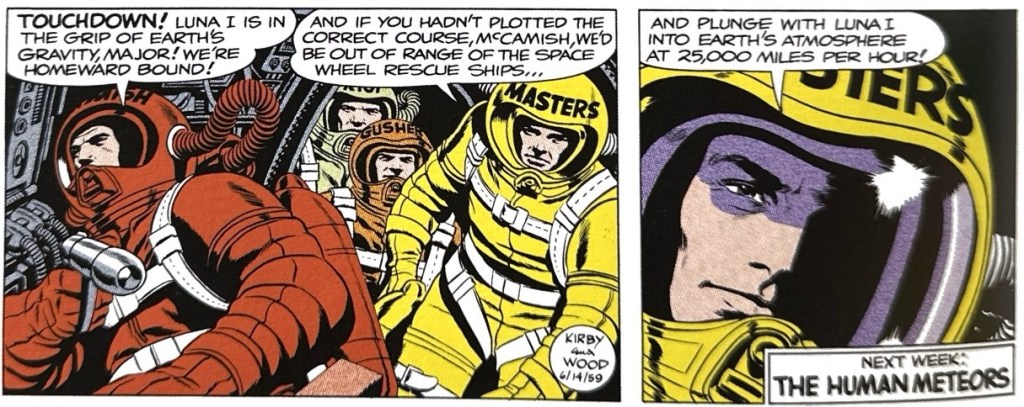
We have already reviewed some of the major 2025 comic reprint releases from major publishers: the reissue of Sunday Press’s Society is Nix, the anniversary celebrations of Peanuts, Hagar and Beetle Bailey as well as Cathy, and the resurfacing if Rea Irvin’s The Smythes. But this year saw a number of self-publishers bring back everything from Sky Masters of the Space Patrol to Milt Gross. I wanted to devote one round-up that highlights these laudable efforts and the often-obscure treasures they have unearthed.